Data may be outdated
Last updated: 1 month ago — Click refresh to get the latest statistics.
The Temptations' initial five-man lineup formed in Detroit in 1961 as a merger of two local vocal groups, the Primes and the Distants. Baritone Otis Williams, Elbridge (aka El, or Al) Bryant, and bass vocalist Melvin Franklin were longtime veterans of the Detroit music scene when they came together in the Distants, who in 1959 recorded the single "Come On" for the local Northern label. Around the same time, the Primes, a trio comprised of tenor <a href="spotify:artist:2Uuon75BhnuuxdKLYn4wHn">Eddie Kendricks</a>, Paul Williams (no relation to Otis), and Kell Osborne, relocated to the Motor City from their native Alabama; they quickly found success locally, and their manager even put together a girl group counterpart dubbed <a href="spotify:artist:3IMn1K32JunlYBqi5URp9v">the Primettes</a>. (Three of <a href="spotify:artist:3IMn1K32JunlYBqi5URp9v">the Primettes</a> -- <a href="spotify:artist:3MdG05syQeRYPPcClLaUGl">Diana Ross</a>, <a href="spotify:artist:0sVBrfbxArs1HzXhay1gem">Mary Wilson</a>, and <a href="spotify:artist:0zMARa1HaHhAB7NGnK3Q7s">Florence Ballard</a> -- formed <a href="spotify:artist:57bUPid8xztkieZfS7OlEV">the Supremes</a>.)
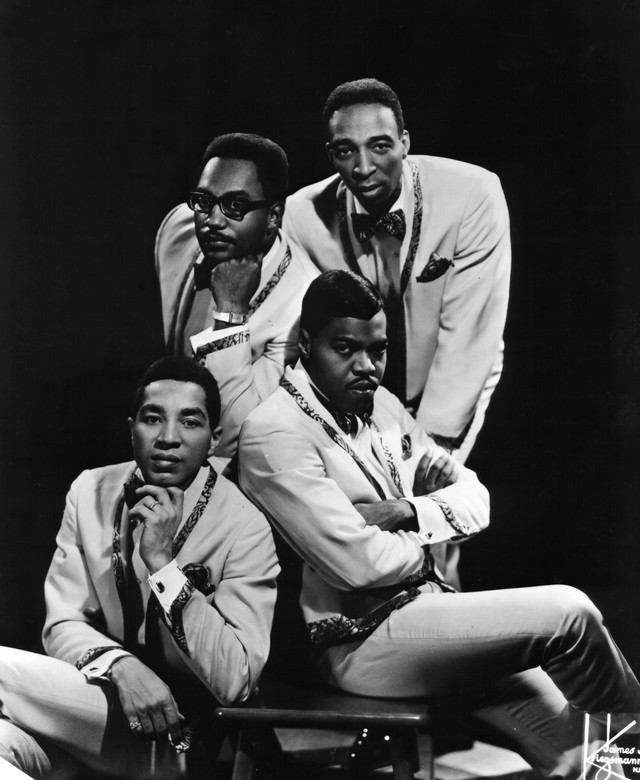
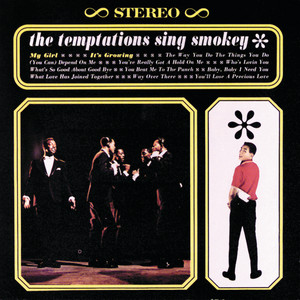
In 1961, the Primes disbanded, but not before Otis Williams saw them perform live, and he was impressed by both <a href="spotify:artist:2Uuon75BhnuuxdKLYn4wHn">Kendricks</a>' vocal prowess and Paul Williams' choreography skills. Soon, Otis Williams, Paul Williams, Bryant, Franklin, and <a href="spotify:artist:2Uuon75BhnuuxdKLYn4wHn">Kendricks</a> joined together as <a href="spotify:artist:0CMVsLgjlp9Tk02TikMAQK">the Elgins</a>; after a name change to the Temptations, they signed to the <a href="spotify:search:label%3A%22Motown%22">Motown</a> subsidiary <a href="spotify:artist:6TqQLejnHXMGr7KcegxUND">Miracle</a>, where they released a handful of singles over the ensuing months. Only one, the 1962 effort "Dream Come True," achieved any commercial success, however, and in 1963, Bryant either resigned or was fired after physically attacking Paul Williams. The Tempts' fortunes changed dramatically in 1964 when they recruited tenor <a href="spotify:artist:3FZn8Z2B7mfaSOU8NE62KR">David Ruffin</a> to replace Bryant; after entering the studio with writer/producer <a href="spotify:artist:0h9smro0z3HqUbD94jotU8">Smokey Robinson</a>, they emerged with the pop smash "The Way You Do the Things You Do," the first in a series of 37 career Top 40 hits. With <a href="spotify:artist:0h9smro0z3HqUbD94jotU8">Robinson</a> again at the helm, they returned in 1965 with their signature song "My Girl," a number one pop and R&B hit. Other Top 20 hits that year included "It's Growing," "Since I Lost My Baby," "Don't Look Back," and "My Baby."
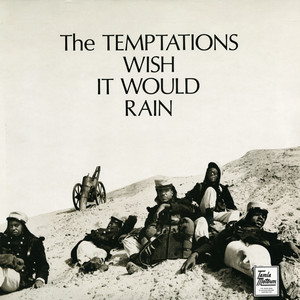
In 1966, the Tempts recorded another <a href="spotify:artist:0h9smro0z3HqUbD94jotU8">Robinson</a> hit, "Get Ready," before forgoing his smooth popcraft for the harder-edged soul of producers <a href="spotify:artist:1EVNxK3nqJ9gy9BwAZ3w3Q">Norman Whitfield</a> and Brian Holland. After spotlighting <a href="spotify:artist:2Uuon75BhnuuxdKLYn4wHn">Kendricks</a> on the smash "Ain't Too Proud to Beg," the group allowed <a href="spotify:artist:3FZn8Z2B7mfaSOU8NE62KR">Ruffin</a> to take control over a string of hits including "Beauty's Only Skin Deep" and "(I Know) I'm Losing You." Beginning around 1967, <a href="spotify:artist:1EVNxK3nqJ9gy9BwAZ3w3Q">Whitfield</a> assumed full production control, and their records became rougher and more muscular, as typified by the 1968 success "I Wish It Would Rain." After <a href="spotify:artist:3FZn8Z2B7mfaSOU8NE62KR">Ruffin</a> failed to appear at a 1968 live performance, the other four Tempts fired him. He was replaced by ex-<a href="spotify:artist:2ugPdplEWBmyU6EcIzlcY1">Contour</a> <a href="spotify:artist:15Kzh2fTgAW2AGXcGD32Kp">Dennis Edwards</a>, whose less polished voice adapted perfectly to the psychedelic-influenced soul period the group entered with "Cloud Nine," their first Grammy-winning recording. As the times changed, so did the group, and as the '60s drew to a close, the Temptations' music became overtly political. In the wake of "Cloud Nine" -- its title a thinly veiled drug allegory -- came records like "Run Away Child, Running Wild," "Psychedelic Shack," and "Ball of Confusion (That's What the World Is Today)."
Following the chart-topping success of the gossamer ballad "Just My Imagination (Running Away with Me)" in 1971, <a href="spotify:artist:2Uuon75BhnuuxdKLYn4wHn">Kendricks</a> exited for a solo career. Soon, Paul Williams left the group as well. Long plagued by alcoholism and other personal demons, he was discovered dead from a self-inflected gunshot wound on August 17, 1973, at the age of 34. In their stead, the remaining trio recruited tenors <a href="spotify:artist:2zphMVde82BraEpznMZtkF">Damon Harris</a> and Richard Street. After the 1971 hit "Superstar (Remember How You Got Where You Are)," they returned in 1972 with the brilliant number one single "Papa Was a Rollin' Stone," winner of two Grammy awards. While the Tempts hit the charts regularly throughout 1973 with "Masterpiece," "Let Your Hair Down," and "The Plastic Man," their success as a pop act gradually dwindled as the '70s wore on. After <a href="spotify:artist:2zphMVde82BraEpznMZtkF">Harris</a> exited in 1975 (replaced by tenor <a href="spotify:artist:774pGvS31MHTpSiIrIfngd">Glenn Leonard</a>), the group cut 1976's The Temptations Do the Temptations, their final album for <a href="spotify:search:label%3A%22Motown%22">Motown</a>. With <a href="spotify:artist:4z1qK7q3RGiEYWHCv1k0ZV">Louis Price</a> taking over for <a href="spotify:artist:15Kzh2fTgAW2AGXcGD32Kp">Edwards</a>, they signed to <a href="spotify:search:label%3A%22Atlantic%22">Atlantic</a>, and attempted to reach the disco market with the LPs Bare Back and Hear to Tempt You.
After <a href="spotify:artist:15Kzh2fTgAW2AGXcGD32Kp">Edwards</a> returned to the fold (resulting in <a href="spotify:artist:4z1qK7q3RGiEYWHCv1k0ZV">Price</a>'s hasty exit), the Temptations reentered the <a href="spotify:search:label%3A%22Motown%22">Motown</a> stable, and scored a 1980 hit with "Power." In 1982, <a href="spotify:artist:3FZn8Z2B7mfaSOU8NE62KR">Ruffin</a> and <a href="spotify:artist:2Uuon75BhnuuxdKLYn4wHn">Kendricks</a> returned for Reunion, which also included all five of the then-current Temptations. A tour followed, but problems with <a href="spotify:search:label%3A%22Motown%22">Motown</a>, as well as personal differences, cut <a href="spotify:artist:3FZn8Z2B7mfaSOU8NE62KR">Ruffin</a>'s and <a href="spotify:artist:2Uuon75BhnuuxdKLYn4wHn">Kendricks</a>' tenures short. In the years that followed, the Temptations continued touring and recording, with <a href="spotify:artist:67beRVgfa4h1kOJhpDfl58">Ron Tyson</a> notably joining for the long term in 1983, debuting on Back to Basics. By the '90s the Temptations were essentially an oldies act. Only Otis Williams, who published his autobiography in 1988, remained from the original lineup. Although the group was inducted into the Rock and Roll Hall of Fame in 1989, the intervening years without new studio recordings were marked by tragedy. After touring in the late '80s with <a href="spotify:artist:2Uuon75BhnuuxdKLYn4wHn">Kendricks</a> and <a href="spotify:artist:15Kzh2fTgAW2AGXcGD32Kp">Edwards</a> as a member of the "Tribute to the Temptations" package tour, <a href="spotify:artist:3FZn8Z2B7mfaSOU8NE62KR">Ruffin</a> died on June 1, 1991 from a cocaine overdose; he was 50 years old. On October 5, 1992, <a href="spotify:artist:2Uuon75BhnuuxdKLYn4wHn">Kendricks</a> died at the age of 52 of lung cancer, and on February 23, 1995, 52-year-old Franklin passed away after suffering a brain seizure.
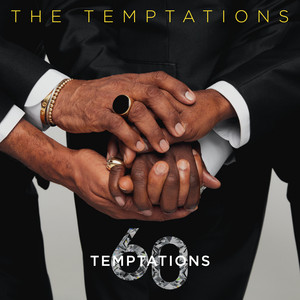
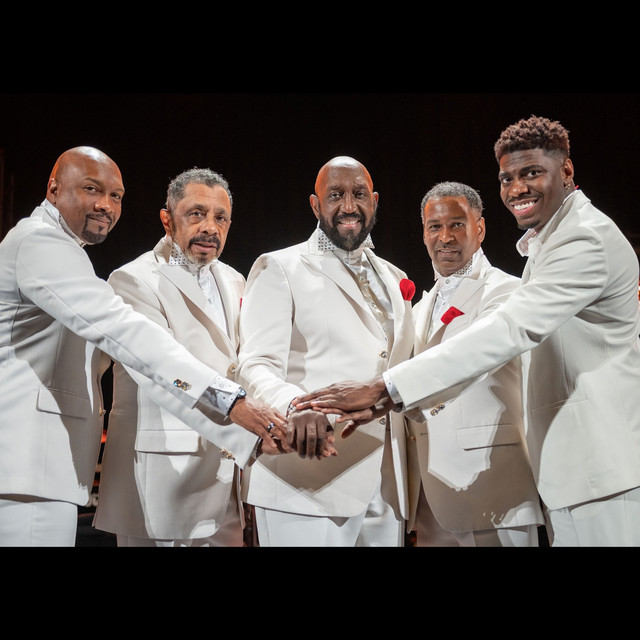
In 1998, the Temptations returned with Phoenix Rising. Their history was also the subject of a televised mini-series, The Temptations, based on Williams' autobiography. Although it was well-received and nominated for several Emmy Awards, numerous parties, including <a href="spotify:artist:3FZn8Z2B7mfaSOU8NE62KR">David Ruffin</a>'s family, filed lawsuits. Meanwhile, the group continued to perform and record. Ear-Resistible followed in 2000 and won a Grammy for Best Traditional R&B Vocal Performance. Although Awesome and Legacy, released during the next few years, became the group's final <a href="spotify:search:label%3A%22Motown%22">Motown</a> studio recordings, the Temptations kept their label affiliation intact. Reflections, issued in 2006, featured covers of classic <a href="spotify:search:label%3A%22Motown%22">Motown</a> numbers. Another all-covers set, Back to Front, followed in 2007 with <a href="spotify:artist:3IKV7o6WPphDB7cCWXaG3E">Issac Hayes</a> and <a href="spotify:artist:1k0ZB1aFWMh6dr3y63X5Jr">David Porter</a>, Skip Scarborough, and <a href="spotify:artist:1LZEQNv7sE11VDY3SdxQeN">the Bee Gees</a> among the farther-reaching crop of tributees. After three years of steady touring, the group returned with Still Here, a set of new material issued on the eve of their 50th anniversary. Their songbook became the basis of the jukebox musical Ain't Too Proud: The Life and Times of the Temptations, which premiered in 2017. <a href="spotify:artist:15Kzh2fTgAW2AGXcGD32Kp">Dennis Edwards</a> died on February 1, 2018, at the age of 74. Three months later, the group released All the Time, which combined original songs with covers of hits recorded by the likes of <a href="spotify:artist:3fMbdgg4jU18AjLCKBhRSm">Michael Jackson</a>, <a href="spotify:artist:2AOt5htsbtyaHd5Eq3kl3j">Maxwell</a>, and <a href="spotify:artist:1Xyo4u8uXC1ZmMpatF05PJ">the Weeknd</a>. The Temptations, still led by Otis Williams, kept going into the 2020s with Temptations 60, a studio album preceded by "Is It Gonna Be Yes or No," a new song written by <a href="spotify:artist:0h9smro0z3HqUbD94jotU8">Smokey Robinson</a>. ~ Jason Ankeny, Rovi
Monthly Listeners
8.8 million
Monthly Listeners History
Track the evolution of monthly listeners over the last 28 days.
Followers
3.5 million
Followers History
Track the evolution of followers over the last 28 days.
Total Streams
3.2 billion
Total Streams History
Track the evolution of total streams over the last 28 days. This data is calculated from all tracks listed in the artist's discography.
Top Cities




Related Artists

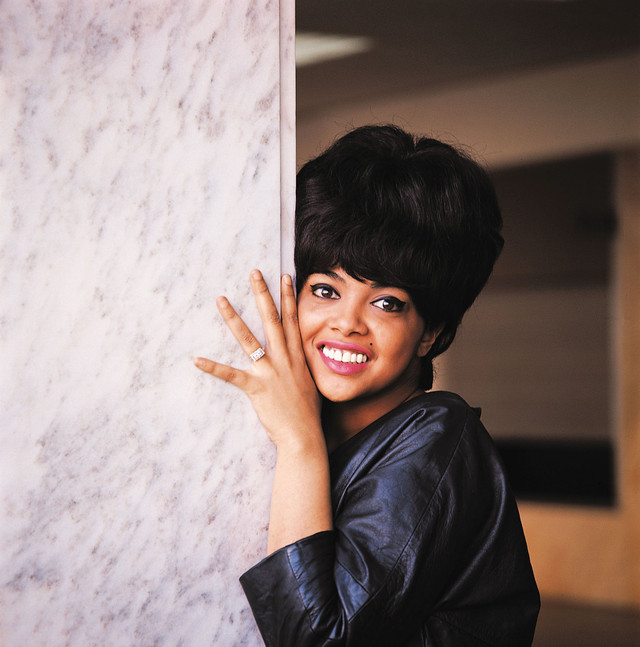
Tammi Terrell
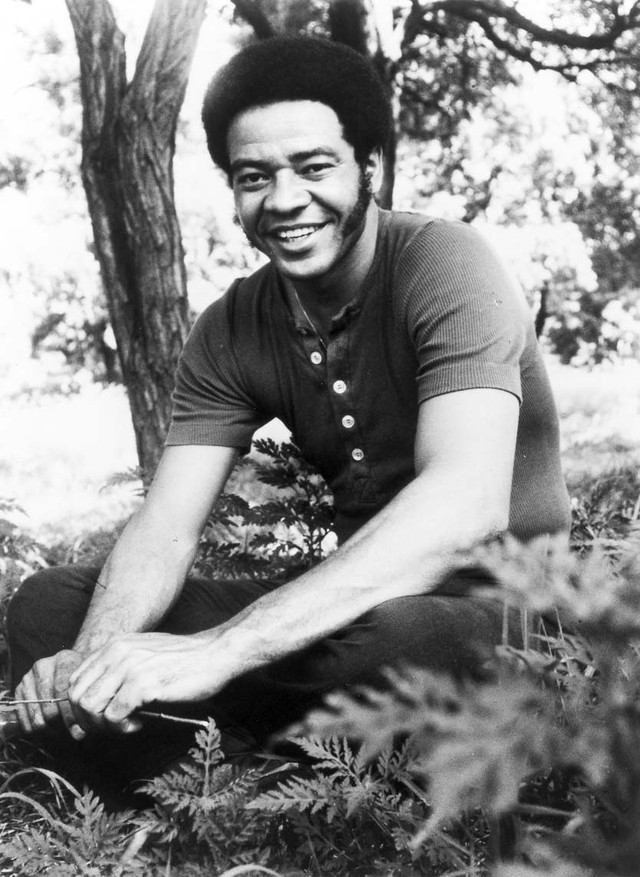
Bill Withers
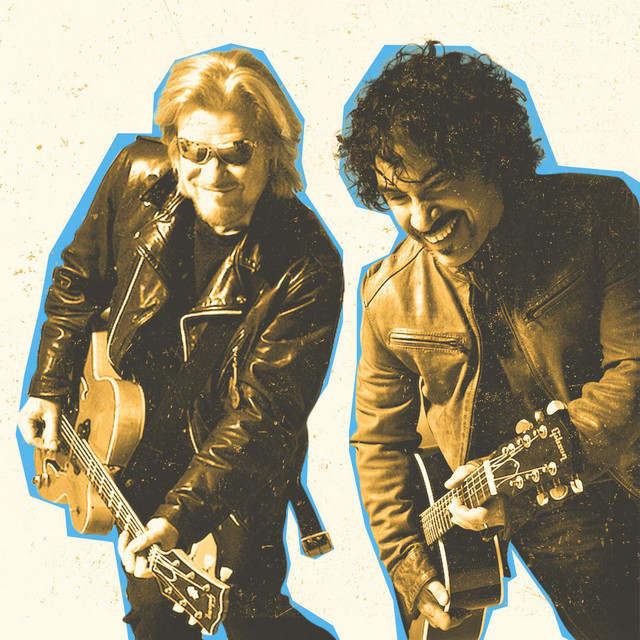
Daryl Hall & John Oates





![Ungena Za Ulimwengu (Unite The World) [Jeff Sojka and Aaron Chafin Remix]](https://i.scdn.co/image/ab67616d00001e02e129d13e6ced842ae0d8f5f7)
![Just My Imagination (Running Away With Me) [slenderbodies Remix]](https://i.scdn.co/image/ab67616d00001e028bb8ee9dffe32906d7624008)