Data may be outdated
Last updated: 7 months ago — Click refresh to get the latest statistics.
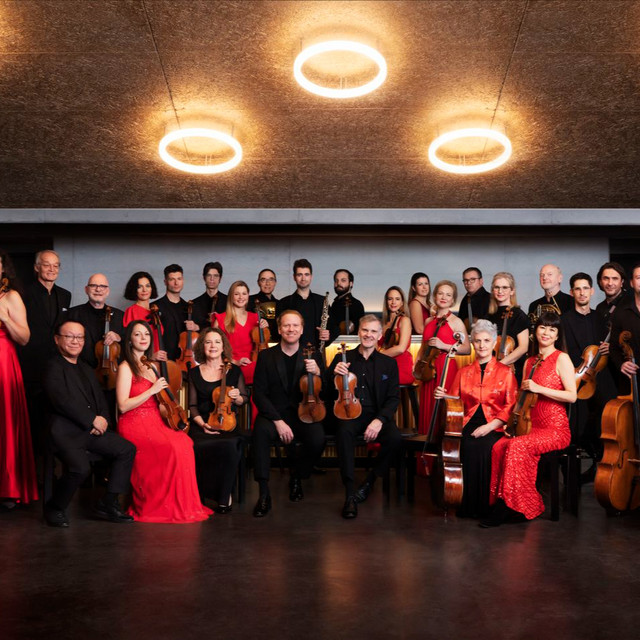
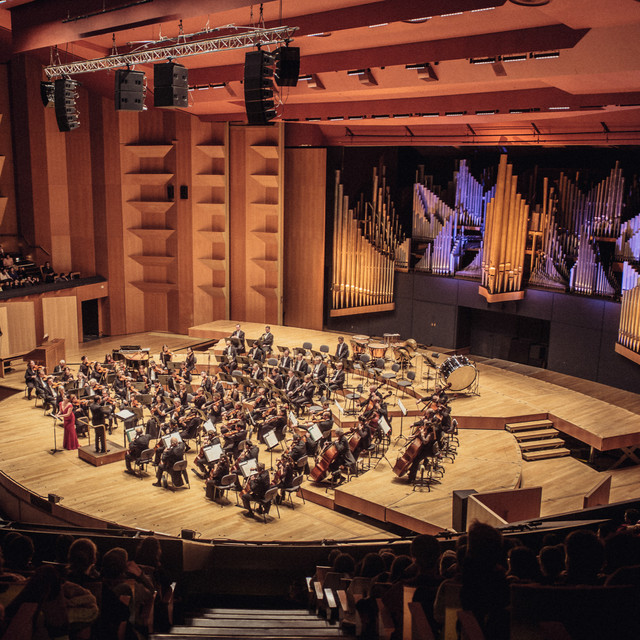
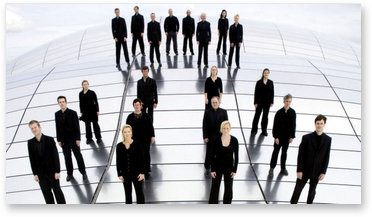
The Royal Northern Sinfonia is a highly acclaimed chamber ensemble that performs a wide range of repertory, from Baroque to contemporary fare, including commissioned works. It is perhaps best known for performances of music by British composers, particularly <a href="spotify:artist:7MJ1pB5d6Vjmzep2zQlorn">Britten</a>, <a href="spotify:artist:430byzy0c5bPn5opiu0SRd">Elgar</a>, and <a href="spotify:artist:7wNkISK49lKeXuRaZcQVFe">Vaughan Williams</a>, but has also garnered praise for its varied repertory, including works by <a href="spotify:artist:4NJhFmfw43RLBLjQvxDuRS">Mozart</a>, <a href="spotify:artist:2p0UyoPfYfI76PCStuXfOP">Schubert</a>, and <a href="spotify:artist:7ie36YytMoKtPiL7tUvmoE">Stravinsky</a>, among many others. The orchestra has performed throughout the U.K. and abroad, including at major concert venues and festivals, and has made over 100 recordings. The Royal Northern Sinfonia performs its regular concerts at the Sage Gateshead, many of them broadcast over the U.K.'s Classic FM.
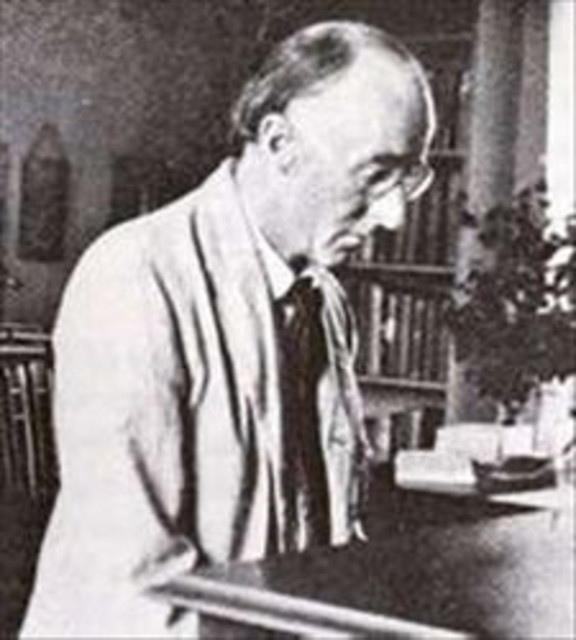
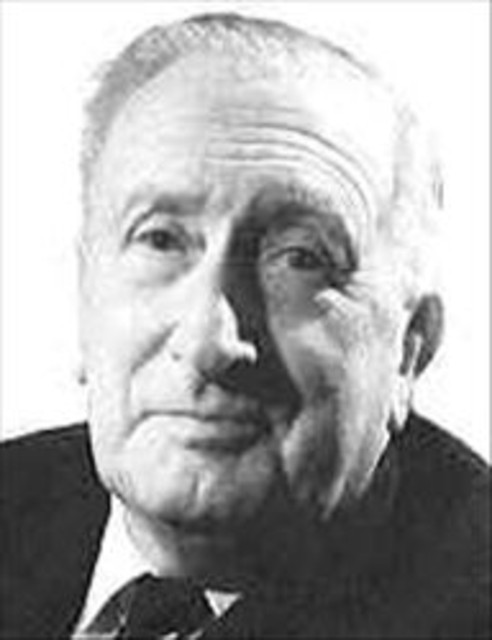
The Royal Northern Sinfonia was founded in 1958 by Michael Hall, who served as the ensemble's conductor and artistic director, though he never officially held either title. The inaugural concert was given on September 24, 1958, at the Newcastle City Hall, which would serve as the orchestra's regular performance venue until 2004. Initially known only as the Sinfonia Orchestra, the ensemble was renamed the Northern Sinfonia in 1959.
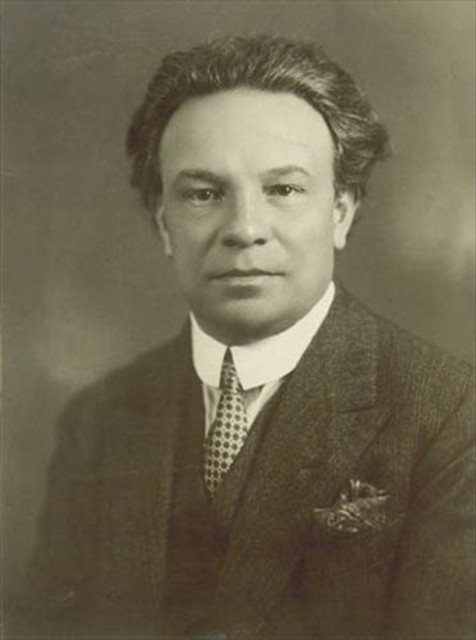
Among Hall's accomplishments was the founding of a youth orchestra, originally called the Junior Philharmonic but now known as the Young Sinfonia. Hall was succeeded by <a href="spotify:artist:6CM5x0tdSrZf4zMf3Lgyyl">Rudolf Schwarz</a>, who served as artistic director from 1964 until 1973. Despite his title, he shared conducting duties of regular concerts with Boris Brott. The Northern Sinfonia Chorus was established in 1973 by the ensemble's principal timpanist, Alan Fearon.
By the time of Christopher Seaman's tenure (1973 to 1979), the Northern Sinfonia was gaining notice abroad. Among its first successful recordings were a 1976 <a href="spotify:search:label%3A%22EMI%22">EMI</a> LP, The Lighter Elgar, led by <a href="spotify:artist:6NUhQz7eAEsZvjEHTKHux9">Neville Marriner</a>, and a 1977 <a href="spotify:search:label%3A%22Enigma+Records%22">Enigma Records</a> LP of Bach's Brandenburg Concertos Nos. 4, 5, and 6, led by <a href="spotify:artist:5ccyh1kIfmtUfJf4d5wchx">George Malcolm</a>.
<a href="spotify:artist:4ylqqqUMfc5TdqwoLuq6he">Tamás Vasáry</a> and <a href="spotify:artist:4fwcEh4tMsyFvKvO8w7DKO">Iván Fischer</a> co-directed the Northern Sinfonia from 1979 until 1982, but it was during and immediately following the tenure of <a href="spotify:artist:27sxIn9cqlHftnewCLqEFd">Richard Hickox</a> (1982 to 1990) that the ensemble moved into the international limelight. <a href="spotify:artist:27sxIn9cqlHftnewCLqEFd">Hickox</a> would make over 20 recordings with the Northern Sinfonia, many after he departed. Among his more notable recorded efforts was the 1993 <a href="spotify:search:label%3A%22Chandos%22">Chandos</a> CD of <a href="spotify:artist:6RsX7qYw5KVKiOjS8BxjL5">Walton</a>'s opera The Bear. <a href="spotify:artist:6bzQf5UbyQgSJlwFBglsum">Heinrich Schiff</a> served as artistic director from 1990 until 1996. Primarily a cellist, <a href="spotify:artist:6bzQf5UbyQgSJlwFBglsum">Schiff</a> achieved critical acclaim with the Northern Sinfonia both in concert and on recordings. In the latter realm, the 1993 release Mozart: Symphonies Nos. 29 and 40 and "Eine kleine Nachtmusik" on <a href="spotify:search:label%3A%22Virgin+Classics%22">Virgin Classics</a> was a notable success.
<a href="spotify:artist:5gjbJH4uF12lqYaPJfLygo">Jean-Bernard Pommier</a>'s tenure (1996 to 1999) was noteworthy for acclaimed performances of works by French composers like <a href="spotify:artist:2gClsBep1tt1rv1CN210SO">Fauré</a>, <a href="spotify:artist:1Uff91EOsvd99rtAupatMP">Debussy</a>, and <a href="spotify:artist:17hR0sYHpx7VYTMRfFUOmY">Ravel</a>. <a href="spotify:artist:3GOKMr4QNbiYzvNjjupsuW">Thomas Zehetmair</a> served as music director from 2002 until 2014. Among <a href="spotify:artist:3GOKMr4QNbiYzvNjjupsuW">Zehetmair</a>'s more notable recordings with the Northern Sinfonia is the 2011 <a href="spotify:search:label%3A%22Avie%22">Avie</a> recording of Schubert's Ninth Symphony and Hans Gál's Second Symphony.
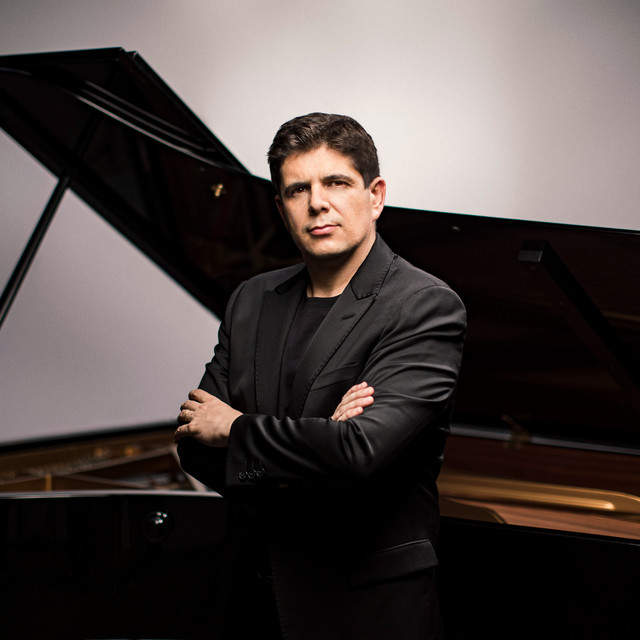
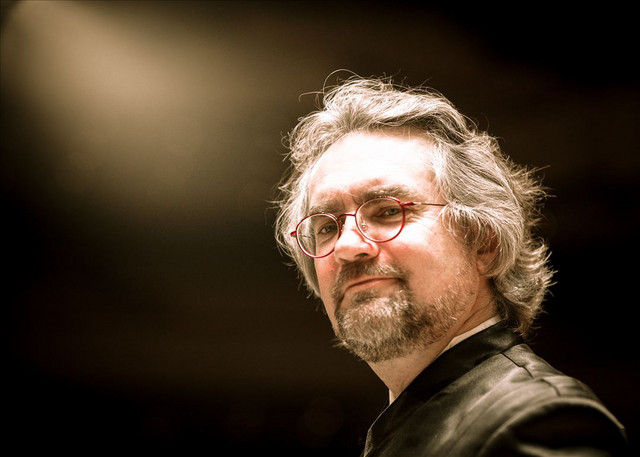
In 2004, the ensemble relocated to Gateshead, making the newly constructed Sage Gateshead Centre its home venue. Queen Elizabeth II bestowed the title "Royal" on the orchestra in 2013, making it the Royal Northern Sinfonia, and <a href="spotify:artist:3xYzk2kbx3IEGo2YPeoggv">Lars Vogt</a> became its music director beginning in 2015. That year, <a href="spotify:artist:3GOKMr4QNbiYzvNjjupsuW">Zehetmair</a> was named the orchestra's conductor laureate, and it named <a href="spotify:artist:6aXeLNKDAYfLVrVcy5ISaX">Julian Rachlin</a> as its principal guest conductor. <a href="spotify:artist:3xYzk2kbx3IEGo2YPeoggv">Vogt</a> served as music director until 2020, when he was given the title of principal artistic partner. Following several guest conducting appearances in 2020, Dinis Sousa was appointed the Royal Northern Sinfonia's principal conductor in 2021.
The Royal Northern Sinfonia was founded in 1958 by Michael Hall, who served as the ensemble's conductor and artistic director, though he never officially held either title. The inaugural concert was given on September 24, 1958, at the Newcastle City Hall, which would serve as the orchestra's regular performance venue until 2004. Initially known only as the Sinfonia Orchestra, the ensemble was renamed the Northern Sinfonia in 1959.
Among Hall's accomplishments was the founding of a youth orchestra, originally called the Junior Philharmonic but now known as the Young Sinfonia. Hall was succeeded by <a href="spotify:artist:6CM5x0tdSrZf4zMf3Lgyyl">Rudolf Schwarz</a>, who served as artistic director from 1964 until 1973. Despite his title, he shared conducting duties of regular concerts with Boris Brott. The Northern Sinfonia Chorus was established in 1973 by the ensemble's principal timpanist, Alan Fearon.
By the time of Christopher Seaman's tenure (1973 to 1979), the Northern Sinfonia was gaining notice abroad. Among its first successful recordings were a 1976 <a href="spotify:search:label%3A%22EMI%22">EMI</a> LP, The Lighter Elgar, led by <a href="spotify:artist:6NUhQz7eAEsZvjEHTKHux9">Neville Marriner</a>, and a 1977 <a href="spotify:search:label%3A%22Enigma+Records%22">Enigma Records</a> LP of Bach's Brandenburg Concertos Nos. 4, 5, and 6, led by <a href="spotify:artist:5ccyh1kIfmtUfJf4d5wchx">George Malcolm</a>.
<a href="spotify:artist:4ylqqqUMfc5TdqwoLuq6he">Tamás Vasáry</a> and <a href="spotify:artist:4fwcEh4tMsyFvKvO8w7DKO">Iván Fischer</a> co-directed the Northern Sinfonia from 1979 until 1982, but it was during and immediately following the tenure of <a href="spotify:artist:27sxIn9cqlHftnewCLqEFd">Richard Hickox</a> (1982 to 1990) that the ensemble moved into the international limelight. <a href="spotify:artist:27sxIn9cqlHftnewCLqEFd">Hickox</a> would make over 20 recordings with the Northern Sinfonia, many after he departed. Among his more notable recorded efforts was the 1993 <a href="spotify:search:label%3A%22Chandos%22">Chandos</a> CD of <a href="spotify:artist:6RsX7qYw5KVKiOjS8BxjL5">Walton</a>'s opera The Bear. <a href="spotify:artist:6bzQf5UbyQgSJlwFBglsum">Heinrich Schiff</a> served as artistic director from 1990 until 1996. Primarily a cellist, <a href="spotify:artist:6bzQf5UbyQgSJlwFBglsum">Schiff</a> achieved critical acclaim with the Northern Sinfonia both in concert and on recordings. In the latter realm, the 1993 release Mozart: Symphonies Nos. 29 and 40 and "Eine kleine Nachtmusik" on <a href="spotify:search:label%3A%22Virgin+Classics%22">Virgin Classics</a> was a notable success.
<a href="spotify:artist:5gjbJH4uF12lqYaPJfLygo">Jean-Bernard Pommier</a>'s tenure (1996 to 1999) was noteworthy for acclaimed performances of works by French composers like <a href="spotify:artist:2gClsBep1tt1rv1CN210SO">Fauré</a>, <a href="spotify:artist:1Uff91EOsvd99rtAupatMP">Debussy</a>, and <a href="spotify:artist:17hR0sYHpx7VYTMRfFUOmY">Ravel</a>. <a href="spotify:artist:3GOKMr4QNbiYzvNjjupsuW">Thomas Zehetmair</a> served as music director from 2002 until 2014. Among <a href="spotify:artist:3GOKMr4QNbiYzvNjjupsuW">Zehetmair</a>'s more notable recordings with the Northern Sinfonia is the 2011 <a href="spotify:search:label%3A%22Avie%22">Avie</a> recording of Schubert's Ninth Symphony and Hans Gál's Second Symphony.
In 2004, the ensemble relocated to Gateshead, making the newly constructed Sage Gateshead Centre its home venue. Queen Elizabeth II bestowed the title "Royal" on the orchestra in 2013, making it the Royal Northern Sinfonia, and <a href="spotify:artist:3xYzk2kbx3IEGo2YPeoggv">Lars Vogt</a> became its music director beginning in 2015. That year, <a href="spotify:artist:3GOKMr4QNbiYzvNjjupsuW">Zehetmair</a> was named the orchestra's conductor laureate, and it named <a href="spotify:artist:6aXeLNKDAYfLVrVcy5ISaX">Julian Rachlin</a> as its principal guest conductor. <a href="spotify:artist:3xYzk2kbx3IEGo2YPeoggv">Vogt</a> served as music director until 2020, when he was given the title of principal artistic partner. Following several guest conducting appearances in 2020, Dinis Sousa was appointed the Royal Northern Sinfonia's principal conductor in 2021.
Monthly Listeners
291,363
Monthly Listeners History
Track the evolution of monthly listeners over the last 28 days.
Followers
2,398
Followers History
Track the evolution of followers over the last 28 days.
Top Cities
8,983 listeners

3,004 listeners
2,845 listeners

2,477 listeners
2,368 listeners