Data may be outdated
Last updated: 1 month ago — Click refresh to get the latest statistics.
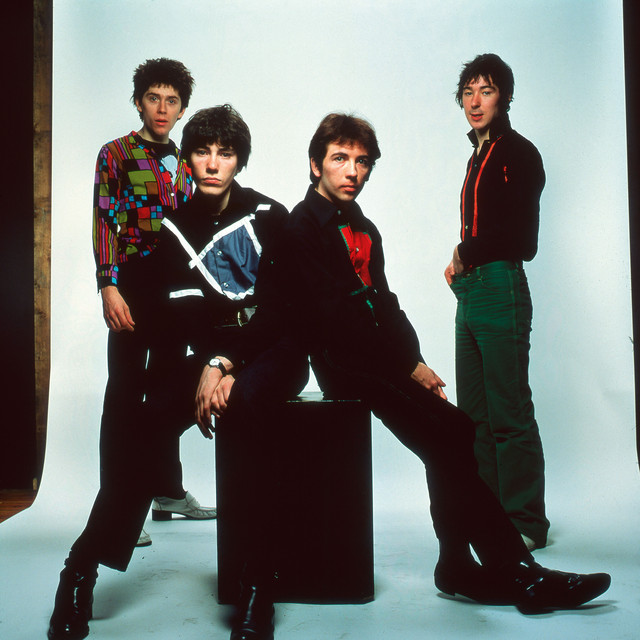
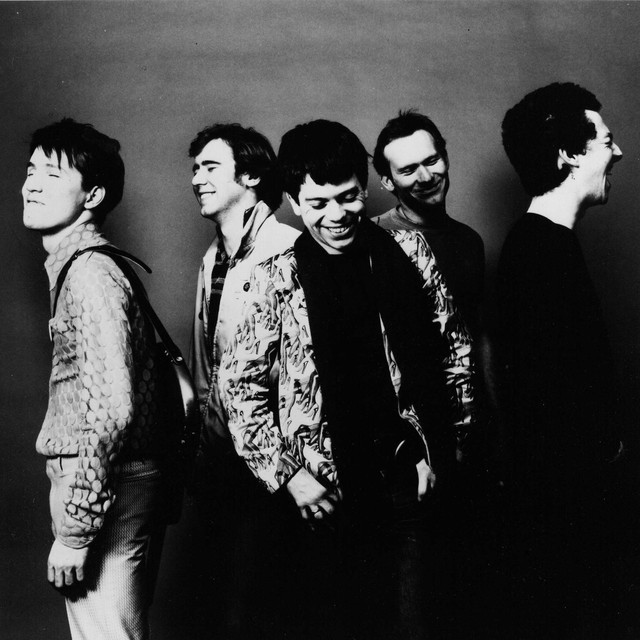
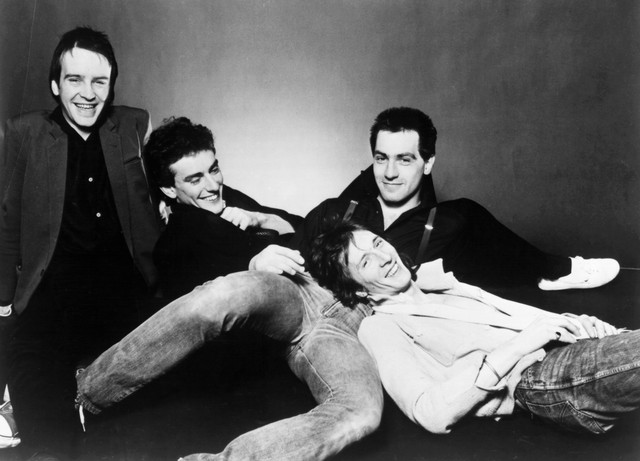
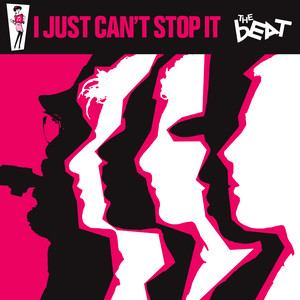
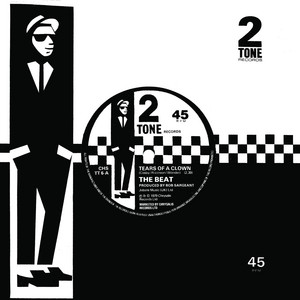
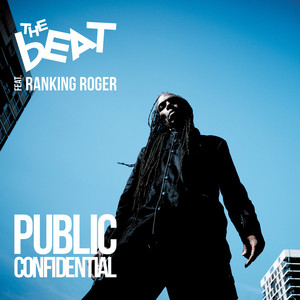
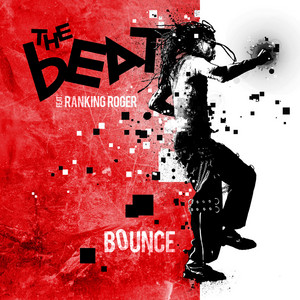
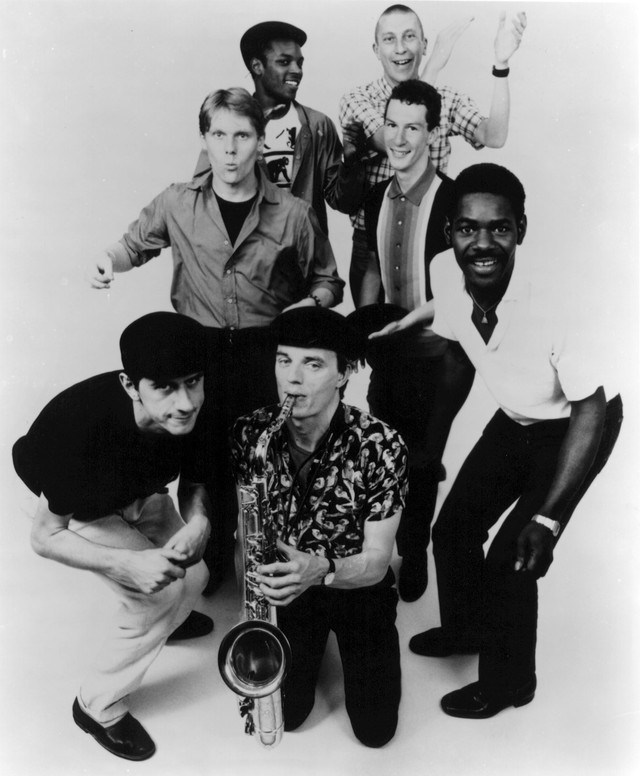
The Beat formed in 1978, and made their live debut in March 1979 in Birmingham, England, as several other like-minded ska-influenced bands (including <a href="spotify:artist:6xnvNmSzmeOE1bLKnYXKW3">the Specials</a>, <a href="spotify:artist:3wRksusBxJ6npu0PryYheF">the Selecter</a>, <a href="spotify:artist:4AYkFtEBnNnGuoo8HaHErd">Madness</a>, and <a href="spotify:artist:0GShYlUdyLahdsvgKdselx">Bad Manners</a>) were beginning to make a noise on the U.K. club scene. Featuring <a href="spotify:artist:29ZFoBnsEIvnvc1a8rbjKi">Dave Wakeling</a> on vocals and guitar, Andy Cox on guitar, David Steele on bass, and Everett Morton on drums, the band soon added vocalist and toaster <a href="spotify:artist:6fnEBToGr0ZqiYgHjVYL2k">Ranking Roger</a> (aka Roger Charlery), and grew to a sextet with the addition of Saxa (aka Lionel Augustus Martin), a sax player who had worked with ska legends <a href="spotify:artist:1FcB6xMihhP9Hb6AdGVbWe">Desmond Dekker</a>, <a href="spotify:artist:30vvi2orcocejP6c3nKcEA">Laurel Aitken</a>, and <a href="spotify:artist:75S63f1AmZUa9gpQvlt5NB">Prince Buster</a>. As the Beat's reputation as a live act grew, the were invited to tour with <a href="spotify:artist:6xnvNmSzmeOE1bLKnYXKW3">the Specials</a>, who invited the Beat to make a record for their <a href="spotify:search:label%3A%222-Tone%22">2-Tone</a> label. Featuring their cover of <a href="spotify:artist:0h9smro0z3HqUbD94jotU8">Smokey Robinson</a>'s "Tears of a Clown" on the A-side and the original "Ranking Full Stop" on the flip, the Beat's <a href="spotify:search:label%3A%222-Tone%22">2-Tone</a> single rose to number six on the U.K. singles charts, and soon the band were touring as headliners. Eager to have control over their material, they formed their own label for their future releases, <a href="spotify:search:label%3A%22Go+Feet+Records%22">Go Feet Records</a>, and they struck an international distribution deal with <a href="spotify:search:label%3A%22Arista+Records%22">Arista Records</a> (except for the United States, where the new wave-friendly <a href="spotify:search:label%3A%22Sire%22">Sire</a> imprint released their material). The Beat's debut album, 1980's excellent I Just Can't Stop It, was a Top Three hit in England and earned a Gold Record, while the American release, issued under the name the English Beat, rose to a respectable 142.
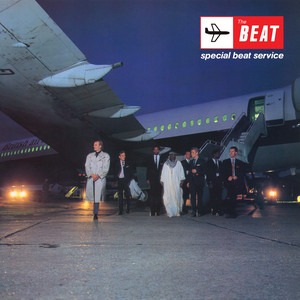
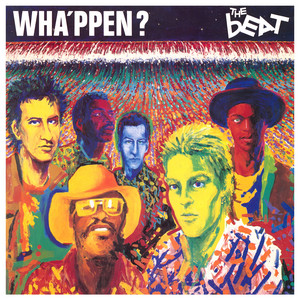
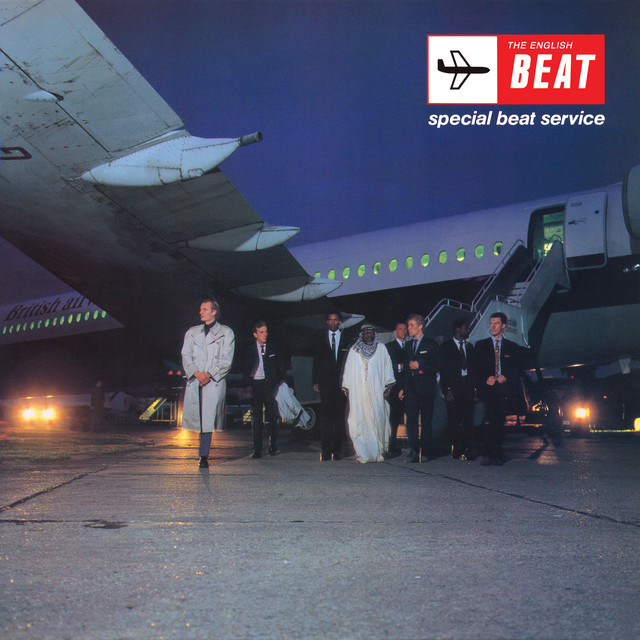
The Beat toured extensively in support of the album, adding keyboard player Dave "Blockhead" Wright for live dates in 1981, and dropped their second album, Wha'ppen?, in June 1981. However, while the album once again hit number three in the U.K. charts and managed a higher chart placement in the U.S. than the debut, reviews were lukewarm and it ultimately sold less than I Just Can't Stop It. <a href="spotify:search:label%3A%22Sire%22">Sire</a> dropped the band's American deal, and while Saxa played on the sessions for 1982's Special Beat Service, sax player Wesley Magoogan joined the Beat as the 60-something Saxa had trouble with the rigors of touring. While Special Beat Service was only modestly successful in the U.K., rising to only to 21 on the album charts, <a href="spotify:search:label%3A%22I.R.S.%22">I.R.S.</a> released it in the United States, and thanks to MTV play for the tracks "I Confess" and "Save It for Later," and extensive touring with <a href="spotify:artist:5NGO30tJxFlKixkPSgXcFE">the Police</a>, <a href="spotify:artist:0GByy3DcfbQwDvXGCWmzv9">the Pretenders</a>, and <a href="spotify:artist:4KWTAlx2RvbpseOGMEmROg">R.E.M.</a>, the disc peaked at number 39, establishing them a firm foothold in America. However, their stateside breakthrough came too late in the day, as the Beat broke up in 1983.
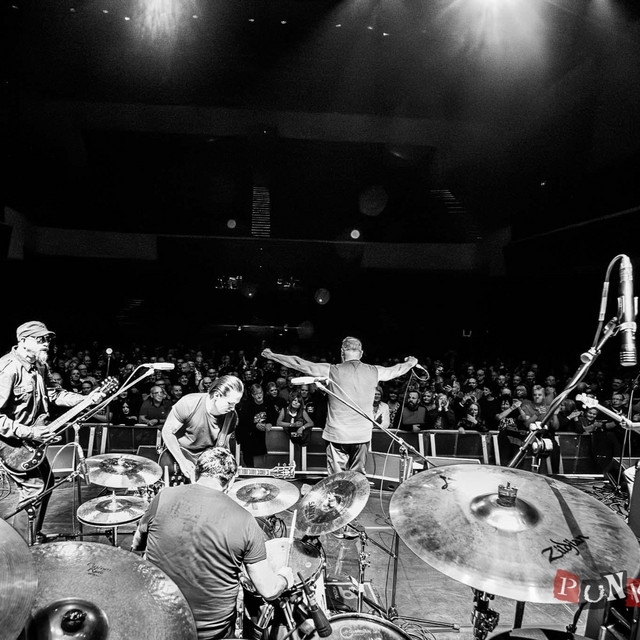
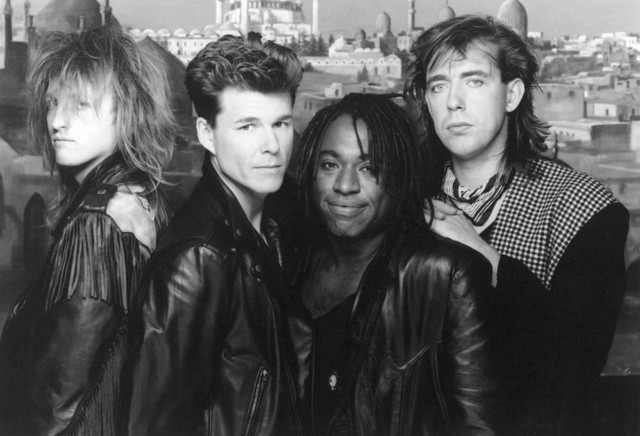
In the wake of the Beat, <a href="spotify:artist:29ZFoBnsEIvnvc1a8rbjKi">Wakeling</a> and <a href="spotify:artist:6fnEBToGr0ZqiYgHjVYL2k">Ranking Roger</a> formed a new group, <a href="spotify:artist:6BZbe6PDrJgxiXZ3cIXA8o">General Public</a>, while Andy Cox and David Steele formed <a href="spotify:artist:20p5D2KrE8CGuOjHtxsyTp">Fine Young Cannibals</a>; both acts enjoyed chart success in the United States. <a href="spotify:artist:6BZbe6PDrJgxiXZ3cIXA8o">General Public</a> broke up in 1987 (they would briefly reunite in 1994) and in 1991, <a href="spotify:artist:29ZFoBnsEIvnvc1a8rbjKi">Wakeling</a> released a solo album, a pop-oriented effort called No Warning. <a href="spotify:artist:6fnEBToGr0ZqiYgHjVYL2k">Ranking Roger</a>, meanwhile, made his debut as a solo act with 1988's Radical Departure, where he focused on purer reggae sounds. And Everett Morton and Saxa formed a group called <a href="spotify:artist:2gUb1AUgzJotGtSIztRyrq">the International Beat</a>, who released the album The Hitting Line and toured the U.S. and the U.K. before dissolving in 1992. In 2003, the original line-up of the Beat, minus Cox and Steele, reunited for a successful British tour. By 2006, <a href="spotify:artist:29ZFoBnsEIvnvc1a8rbjKi">Dave Wakeling</a> and <a href="spotify:artist:6fnEBToGr0ZqiYgHjVYL2k">Ranking Roger</a> were both leading touring versions of the Beat; <a href="spotify:artist:29ZFoBnsEIvnvc1a8rbjKi">Wakeling</a>'s group, the English Beat featuring Dave Wakeling, primarily played in North America, while <a href="spotify:artist:6fnEBToGr0ZqiYgHjVYL2k">Roger</a>'s version, the Beat featuring Ranking Roger (aka the New English Beat featuring Ranking Roger) was based in the U.K. In both groups, the frontman is the only original member. In 2015, <a href="spotify:artist:29ZFoBnsEIvnvc1a8rbjKi">Wakeling</a> launched a crowd-funding campaign to finance a new album from his group; the album, titled Here We Go Love and credited to the Beat Starring Dave Wakeling, arrived in June 2018. Original drummer Everett Morton died on October 9, 2021 at the age of 71. ~ Mark Deming, Rovi
Monthly Listeners
474,933
Monthly Listeners History
Track the evolution of monthly listeners over the last 28 days.
Followers
181,603
Followers History
Track the evolution of followers over the last 28 days.
Total Streams
212.2 million
Total Streams History
Track the evolution of total streams over the last 28 days. This data is calculated from all tracks listed in the artist's discography.
Top Cities


Related Artists


The Icicle Works