Data may be outdated
Last updated: 7 months ago — Click refresh to get the latest statistics.
A popular choice of name for bands in several different styles during the '50s and '60s, the Dovers identified at least two different doo wop groups. One of these changed its name to <a href="spotify:artist:3GQOicT0GmhRlWvWuUKfoI">the Willows</a> after performing from a Harlem base as the Dovers since 1950. But the group that has material featured on several anthologies of this genre was a different crop of crooners. Responsible for blooming hits such as "Sweet as a Flower," that version of the Dovers came along in 1954, with just as big a reputation built up. The group that would become <a href="spotify:artist:3GQOicT0GmhRlWvWuUKfoI">the Willows</a> may have wept at this usurping of title, or an inter-doo-wop decision might have been made to hand the name off to what, after all, must have seemed like a bunch of children.
Members of the new group were indeed too young to sign contracts for themselves, leading to confusion over who was actually in the Dovers. Some historical information involving the doo-wop epoch credits the fathers or legal guardians of youthful singing sensations such as Wyndham Porter and James Sneed, when they probably only opened their mouths to find out how much the gig was going to pay. A key difference between the two different versions of the Dovers definitely came down to sound, as in the presence of a female vocalist Miriam Sneed, sometimes credited as Miriam Grate. Some listeners miss this detail, attributing the high-pitched whine to teenage male vocal chords. There was, on the other hand, no question about who played the instrumental backup on the late-'50s recording sessions that were issued by the historic Apollo label; the meticulous logs of producer Joe Davis indicate the presence of a snapping rhythm team including guitarists <a href="spotify:artist:6A4HFr81FvKS8L9pJ4is71">Everett Barksdale</a> and Wally Richardson, bassist <a href="spotify:artist:170v6wSGhKjVB9U0ztbsZr">Al Lucas</a>, and drummer Bobby Donaldson. These proceedings have no connection to the garage rock band called The Dovers, who show up on the Pebbles, Vol. 2 anthology. ~ Eugene Chadbourne, Rovi
Members of the new group were indeed too young to sign contracts for themselves, leading to confusion over who was actually in the Dovers. Some historical information involving the doo-wop epoch credits the fathers or legal guardians of youthful singing sensations such as Wyndham Porter and James Sneed, when they probably only opened their mouths to find out how much the gig was going to pay. A key difference between the two different versions of the Dovers definitely came down to sound, as in the presence of a female vocalist Miriam Sneed, sometimes credited as Miriam Grate. Some listeners miss this detail, attributing the high-pitched whine to teenage male vocal chords. There was, on the other hand, no question about who played the instrumental backup on the late-'50s recording sessions that were issued by the historic Apollo label; the meticulous logs of producer Joe Davis indicate the presence of a snapping rhythm team including guitarists <a href="spotify:artist:6A4HFr81FvKS8L9pJ4is71">Everett Barksdale</a> and Wally Richardson, bassist <a href="spotify:artist:170v6wSGhKjVB9U0ztbsZr">Al Lucas</a>, and drummer Bobby Donaldson. These proceedings have no connection to the garage rock band called The Dovers, who show up on the Pebbles, Vol. 2 anthology. ~ Eugene Chadbourne, Rovi
Monthly Listeners
1,252
Monthly Listeners History
Track the evolution of monthly listeners over the last 28 days.
Followers
667
Followers History
Track the evolution of followers over the last 28 days.
Top Cities
28 listeners
23 listeners

23 listeners
21 listeners
20 listeners

Related Artists

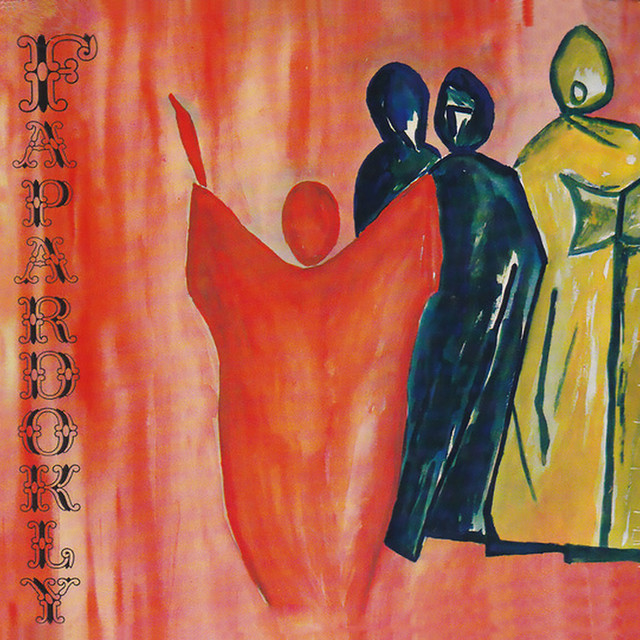
Fapardokly

The Mysterions
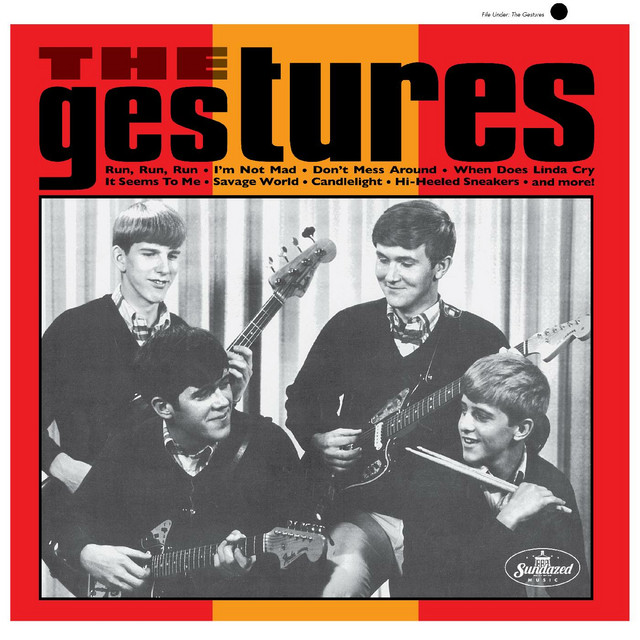
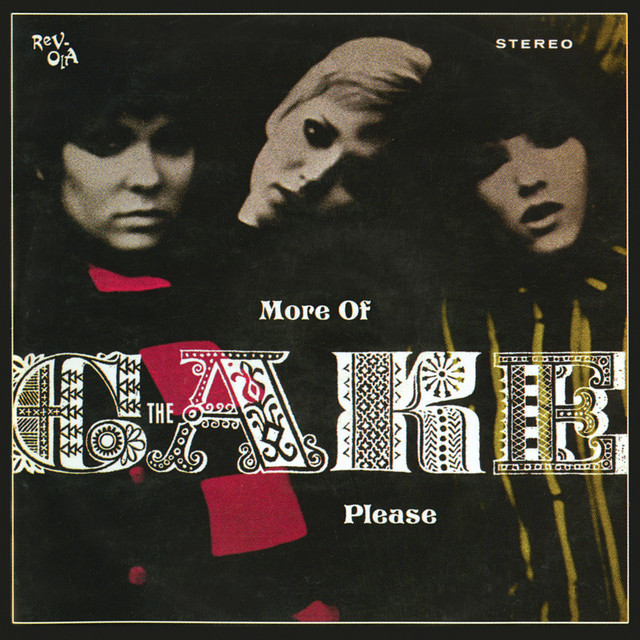

The Spike Drivers


The Tomboys


Rodd Keith
Vejtables


The Crystals

Robb London

Bobby Jameson