Last updated: 2 days ago
"The Plastic Ono Band is a conceptual band," said <a href="spotify:artist:4x1nvY2FN8jxqAFA0DA02H">John Lennon</a> to writer David Sheff in 1980. "There is no Plastic Ono Band. It's just an idea...there is no Plastic Ono Band like there is a <a href="spotify:artist:3WrFJ7ztbogyGnTHbHJFl2">Beatles</a> or another group. That's why there's never the same musicians twice." While <a href="spotify:artist:4x1nvY2FN8jxqAFA0DA02H">Lennon</a> coined the phrase Plastic Ono Band on a whim, he stuck with the moniker through most of his solo career, applying it to whoever was backing him up at a given moment, and his wife and creative partner <a href="spotify:artist:2s4tjL6W3qrblOe0raIzwJ">Yoko Ono</a> also used the name, and continues to use it into the 21st century.
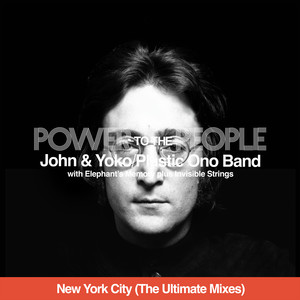
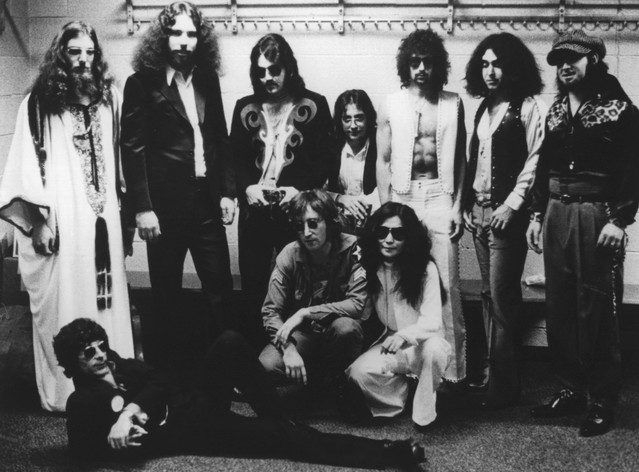
The Plastic Ono Band rubric made its debut with the release of <a href="spotify:artist:4x1nvY2FN8jxqAFA0DA02H">John Lennon</a>'s single "Give Peace a Chance," which was recorded during <a href="spotify:artist:4x1nvY2FN8jxqAFA0DA02H">Lennon</a> and <a href="spotify:artist:2s4tjL6W3qrblOe0raIzwJ">Ono</a>'s "Bed-In for Peace" in Montreal, Canada following their marriage in June of 1969. With a handful of well-known friends in attendance (and Tommy Smothers joining <a href="spotify:artist:4x1nvY2FN8jxqAFA0DA02H">Lennon</a> on acoustic guitar), the performance was captured on a portable recording rig and <a href="spotify:artist:4x1nvY2FN8jxqAFA0DA02H">Lennon</a> opted to release it under the name the Plastic Ono Band, inspired by a set of plastic music stands he was using. (One of <a href="spotify:artist:2s4tjL6W3qrblOe0raIzwJ">Yoko Ono</a>'s compositions, "Remember Love," appeared on the flip side.) In September, <a href="spotify:artist:4x1nvY2FN8jxqAFA0DA02H">Lennon</a> and <a href="spotify:artist:2s4tjL6W3qrblOe0raIzwJ">Ono</a> performed at the Toronto Rock & Roll Revival Festival, where the couple's quickly assembled backing band (<a href="spotify:artist:6PAt558ZEZl0DmdXlnjMgD">Eric Clapton</a> on guitar, Klaus Voormann on bass, and <a href="spotify:artist:2oR2Frxa3hitSHpBsQhu7I">Alan White</a> on drums) was again billed as the Plastic Ono Band, and their performance was released on the LP Live Peace in Toronto 1969. (An expanded version of the band from Live Peace in Toronto, including <a href="spotify:artist:7FIoB5PHdrMZVC3q2HE5MS">George Harrison</a>, <a href="spotify:artist:6dTCMsjfH2odCFlNb36SCG">Delaney & Bonnie</a>, and <a href="spotify:artist:7qVyqDRBf4kYfqGG4PyRc5">Bobby Keys</a>, appeared at a UNICEF benefit in London the following December.) And <a href="spotify:artist:4x1nvY2FN8jxqAFA0DA02H">Lennon</a> would release a handful of singles under the Plastic Ono Band banner between 1969 and 1971, including "Cold Turkey," "Instant Karma," "Happy Xmas (War Is Over)," and "Power to the People."
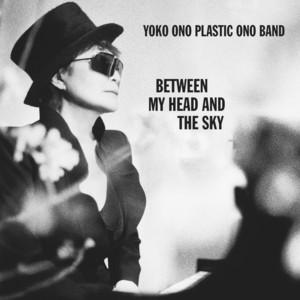
In December 1970, <a href="spotify:artist:4x1nvY2FN8jxqAFA0DA02H">Lennon</a> and <a href="spotify:artist:2s4tjL6W3qrblOe0raIzwJ">Ono</a> reminded the world the Plastic Ono Band was a joint project by simultaneously releasing John Lennon/Plastic Ono Band and Yoko Ono/Plastic Ono Band, two albums that were recorded with the same set of musicians during the same set of recording sessions. For the 1972 album Some Time in New York City, <a href="spotify:artist:4x1nvY2FN8jxqAFA0DA02H">Lennon</a> and <a href="spotify:artist:2s4tjL6W3qrblOe0raIzwJ">Ono</a> used the Plastic Ono Band moniker while also crediting <a href="spotify:artist:7vlen6lzkmCst6naOmK3Et">Elephant's Memory</a>, the New York-based band who were collaborating with the couple at the time, essentially giving the musicians two identities on one album. In 1973, <a href="spotify:artist:2s4tjL6W3qrblOe0raIzwJ">Ono</a> would release two more albums as Plastic Ono Band projects, Approximate Infinite Universe and Feeling the Space, while <a href="spotify:artist:4x1nvY2FN8jxqAFA0DA02H">Lennon</a> began playing with the band name in the '70s; 1973's Mind Games introduced the Plastic U.F.Ono Band, and 1974's Walls & Bridges featured a credit for the Plastic Ono Nuclear Band. When <a href="spotify:artist:4x1nvY2FN8jxqAFA0DA02H">Lennon</a> and <a href="spotify:artist:2s4tjL6W3qrblOe0raIzwJ">Ono</a> returned to the music scene in 1980 after several years away from the spotlight, they opted to simply use their given names, and the Plastic Ono Band label was retired until 2009, when <a href="spotify:artist:2s4tjL6W3qrblOe0raIzwJ">Yoko Ono</a> released her album Between My Head and the Sky as <a href="spotify:artist:2s4tjL6W3qrblOe0raIzwJ">Yoko Ono</a>/Plastic Ono Band (with <a href="spotify:artist:5JUYSPkis2Mk6HUbmMqk1m">Sean Lennon</a> as part of the group). <a href="spotify:artist:2s4tjL6W3qrblOe0raIzwJ">Ono</a> used the same billing for 2013's Take Me to the Land of Hell, and she's used the moniker to credit her backing musicians at a number of live performances from 2009 onward. ~ Mark Deming, Rovi
The Plastic Ono Band rubric made its debut with the release of <a href="spotify:artist:4x1nvY2FN8jxqAFA0DA02H">John Lennon</a>'s single "Give Peace a Chance," which was recorded during <a href="spotify:artist:4x1nvY2FN8jxqAFA0DA02H">Lennon</a> and <a href="spotify:artist:2s4tjL6W3qrblOe0raIzwJ">Ono</a>'s "Bed-In for Peace" in Montreal, Canada following their marriage in June of 1969. With a handful of well-known friends in attendance (and Tommy Smothers joining <a href="spotify:artist:4x1nvY2FN8jxqAFA0DA02H">Lennon</a> on acoustic guitar), the performance was captured on a portable recording rig and <a href="spotify:artist:4x1nvY2FN8jxqAFA0DA02H">Lennon</a> opted to release it under the name the Plastic Ono Band, inspired by a set of plastic music stands he was using. (One of <a href="spotify:artist:2s4tjL6W3qrblOe0raIzwJ">Yoko Ono</a>'s compositions, "Remember Love," appeared on the flip side.) In September, <a href="spotify:artist:4x1nvY2FN8jxqAFA0DA02H">Lennon</a> and <a href="spotify:artist:2s4tjL6W3qrblOe0raIzwJ">Ono</a> performed at the Toronto Rock & Roll Revival Festival, where the couple's quickly assembled backing band (<a href="spotify:artist:6PAt558ZEZl0DmdXlnjMgD">Eric Clapton</a> on guitar, Klaus Voormann on bass, and <a href="spotify:artist:2oR2Frxa3hitSHpBsQhu7I">Alan White</a> on drums) was again billed as the Plastic Ono Band, and their performance was released on the LP Live Peace in Toronto 1969. (An expanded version of the band from Live Peace in Toronto, including <a href="spotify:artist:7FIoB5PHdrMZVC3q2HE5MS">George Harrison</a>, <a href="spotify:artist:6dTCMsjfH2odCFlNb36SCG">Delaney & Bonnie</a>, and <a href="spotify:artist:7qVyqDRBf4kYfqGG4PyRc5">Bobby Keys</a>, appeared at a UNICEF benefit in London the following December.) And <a href="spotify:artist:4x1nvY2FN8jxqAFA0DA02H">Lennon</a> would release a handful of singles under the Plastic Ono Band banner between 1969 and 1971, including "Cold Turkey," "Instant Karma," "Happy Xmas (War Is Over)," and "Power to the People."
In December 1970, <a href="spotify:artist:4x1nvY2FN8jxqAFA0DA02H">Lennon</a> and <a href="spotify:artist:2s4tjL6W3qrblOe0raIzwJ">Ono</a> reminded the world the Plastic Ono Band was a joint project by simultaneously releasing John Lennon/Plastic Ono Band and Yoko Ono/Plastic Ono Band, two albums that were recorded with the same set of musicians during the same set of recording sessions. For the 1972 album Some Time in New York City, <a href="spotify:artist:4x1nvY2FN8jxqAFA0DA02H">Lennon</a> and <a href="spotify:artist:2s4tjL6W3qrblOe0raIzwJ">Ono</a> used the Plastic Ono Band moniker while also crediting <a href="spotify:artist:7vlen6lzkmCst6naOmK3Et">Elephant's Memory</a>, the New York-based band who were collaborating with the couple at the time, essentially giving the musicians two identities on one album. In 1973, <a href="spotify:artist:2s4tjL6W3qrblOe0raIzwJ">Ono</a> would release two more albums as Plastic Ono Band projects, Approximate Infinite Universe and Feeling the Space, while <a href="spotify:artist:4x1nvY2FN8jxqAFA0DA02H">Lennon</a> began playing with the band name in the '70s; 1973's Mind Games introduced the Plastic U.F.Ono Band, and 1974's Walls & Bridges featured a credit for the Plastic Ono Nuclear Band. When <a href="spotify:artist:4x1nvY2FN8jxqAFA0DA02H">Lennon</a> and <a href="spotify:artist:2s4tjL6W3qrblOe0raIzwJ">Ono</a> returned to the music scene in 1980 after several years away from the spotlight, they opted to simply use their given names, and the Plastic Ono Band label was retired until 2009, when <a href="spotify:artist:2s4tjL6W3qrblOe0raIzwJ">Yoko Ono</a> released her album Between My Head and the Sky as <a href="spotify:artist:2s4tjL6W3qrblOe0raIzwJ">Yoko Ono</a>/Plastic Ono Band (with <a href="spotify:artist:5JUYSPkis2Mk6HUbmMqk1m">Sean Lennon</a> as part of the group). <a href="spotify:artist:2s4tjL6W3qrblOe0raIzwJ">Ono</a> used the same billing for 2013's Take Me to the Land of Hell, and she's used the moniker to credit her backing musicians at a number of live performances from 2009 onward. ~ Mark Deming, Rovi
Monthly Listeners
36,469
Monthly Listeners History
Track the evolution of monthly listeners over the last 28 days.
Followers
42,664
Followers History
Track the evolution of followers over the last 28 days.
Total Streams
1.7 billion
Total Streams History
Track the evolution of total streams over the last 28 days. This data is calculated from all tracks listed in the artist's discography.
Top Cities
497 listeners

679 listeners
490 listeners

344 listeners
367 listeners

![Happy Xmas (War Is Over) [with The Harlem Community Choir]](https://i.scdn.co/image/ab67616d0000b27333fbcc39335305e9071962be)