Data may be outdated
Last updated: 7 months ago — Click refresh to get the latest statistics.
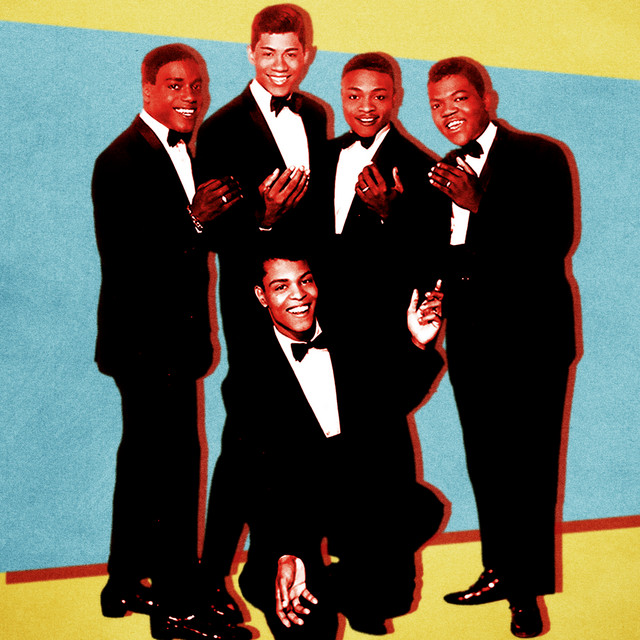
The Odessa, TX-based <a href="spotify:artist:1nJvji2KIlWSseXRSlNYsC">Velvets</a> are best remembered for their violin-enriched 1961 Top 40 hit "Tonight (Could Be the Night)," during which the group chanted "doo-wop" behind lead singer Virgil Johnson. It was one of the first uses of the phrase in a song (the <a href="spotify:artist:5wn4Uafieiu8AEo360i2z7">Turbans</a>' use of the phrase on the 1955 "When You Dance" predates it by a few years). Johnson was a high school English teacher who recruited four of his students -- Clarence Rigsby (lead tenor), Robert Thursby (tenor), William Solomon (baritone), and <a href="spotify:artist:3V357mg7DwXfHYxPgNA1D7">Mark Prince</a> (bass) -- to form the Velvets in 1960. They were soon spotted by <a href="spotify:artist:0JDkhL4rjiPNEp92jAgJnS">Roy Orbison</a>, who helped get them signed to the Nashville-based Monument label (he later cut "Lana" a song of theirs, while at the label).
The Velvets' recording career started with a catchy revival of "That Lucky Old Sun," but despite the presence of Nashville's finest session players on their releases, only the up-tempo "Tonight (Could Be the Night)," which was penned by Johnson, would score a U.S. Top 40 hit (number 26 pop, May 1961). This song tells of a guy trying to get his nerve up to ask his girl to marry him. Their next release, the spirited <a href="spotify:artist:0JDkhL4rjiPNEp92jAgJnS">Roy Orbison</a>/<a href="spotify:artist:0OekZXcXeHwRQTUq5cPZiX">Joe Melson</a>-penned "Laugh," became their last chart entry. The group released another six singles before going back to teaching and studying. ~ Bryan Thomas, Rovi
The Velvets' recording career started with a catchy revival of "That Lucky Old Sun," but despite the presence of Nashville's finest session players on their releases, only the up-tempo "Tonight (Could Be the Night)," which was penned by Johnson, would score a U.S. Top 40 hit (number 26 pop, May 1961). This song tells of a guy trying to get his nerve up to ask his girl to marry him. Their next release, the spirited <a href="spotify:artist:0JDkhL4rjiPNEp92jAgJnS">Roy Orbison</a>/<a href="spotify:artist:0OekZXcXeHwRQTUq5cPZiX">Joe Melson</a>-penned "Laugh," became their last chart entry. The group released another six singles before going back to teaching and studying. ~ Bryan Thomas, Rovi
Monthly Listeners
1,830
Monthly Listeners History
Track the evolution of monthly listeners over the last 28 days.
Followers
5,541
Followers History
Track the evolution of followers over the last 28 days.
Top Cities
52 listeners
43 listeners

38 listeners

21 listeners
17 listeners
Related Artists

Richard Temple


Nolan Chance



Jackie Day