Data may be outdated
Last updated: 8 months ago — Click refresh to get the latest statistics.
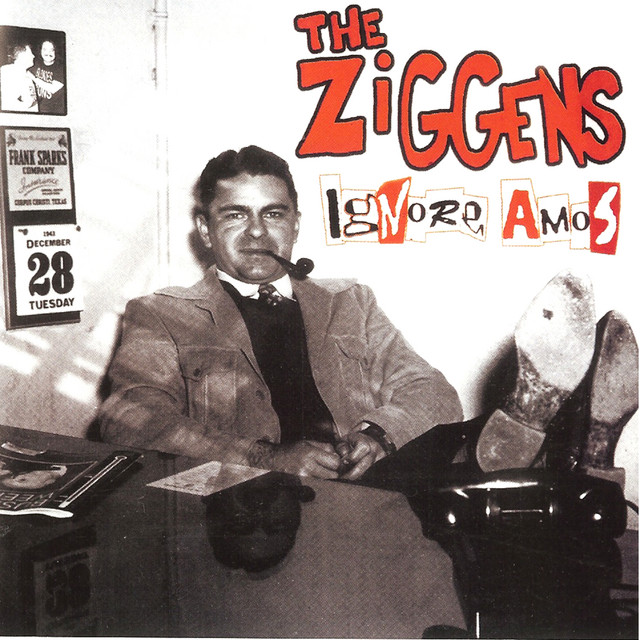
Known for their eccentric, goofy, humorous way of blending punk and surf rock (sometimes with a definite country influence), the Ziggens weren't a major name in the rock world but enjoyed a small cult following since the early '90s. The Ziggens were always based in Orange County, California, just south of Los Angeles -- a logical place for artists who are into surf rock -- and the band had a long list of influences from different musical eras. They were into '60s surf favorites like <a href="spotify:artist:2GaayiIs1kcyNqRXQuzp35">the Ventures</a>, <a href="spotify:artist:0pqGj6vO9YHsXuZmaJaP2Y">Jan & Dean</a>, and <a href="spotify:artist:3oDbviiivRWhXwIE8hxkVV">the Beach Boys</a> -- they were even compared to <a href="spotify:artist:1uHivHZ0fLfvwPL1UgkpMU">Annette Funicello</a> -- but they were hardly an exact replica of artists from the Lyndon Johnson years; their sound also owed a lot to old-school punk bands of the '70s and '80s. The Ziggens -- whose memebrs included The Ziggens' lineup included head honcho/founder <a href="spotify:artist:143HnAftSoiBeG7st08uPe">Bert Susanka</a>, aka Bert Ziggen, on lead vocals and rhythm guitar, Jon Poutney, aka Jon Ziggen, on bass, Dickie Ziggen on lead guitar, and Brad Conyers, aka Brad Ziggen, on drums and background vocals -- were never known for taking themselves too seriously; they obviously identified with punk's more fun and lighthearted side, which meant they had more in common with <a href="spotify:artist:1co4F2pPNH8JjTutZkmgSm">the Ramones</a> and <a href="spotify:artist:3xWO6nOrnGGL9hfB2vWxLI">the Dickies</a> than with militant, angrily sociopolitical agitators like <a href="spotify:artist:1u7kkVrr14iBvrpYnZILJR">the Sex Pistols</a>, <a href="spotify:artist:30U8fYtiNpeA5KH6H87QUV">the Dead Kennedys</a>, <a href="spotify:artist:3RGLhK1IP9jnYFH4BRFJBS">the Clash</a>, and early <a href="spotify:artist:4oPMm2idleIKLdBWgZilSi">T.S.O.L.</a> (before <a href="spotify:artist:4oPMm2idleIKLdBWgZilSi">T.S.O.L.</a> got away from left-wing politics and reinvented themselves as a heavy metal band along the lines of <a href="spotify:artist:711MCceyCBcFnzjGY4Q7Un">AC/DC</a>, <a href="spotify:artist:3JDIAtVrJdQ7GFOX26LYpv">Accept</a>, and <a href="spotify:artist:09hNSPPOxDop4FRdr6UEnq">Dokken</a>). Think of <a href="spotify:artist:1co4F2pPNH8JjTutZkmgSm">the Ramones</a> performing "Sheena Is a Punk Rocker" and "Rockaway Beach" or <a href="spotify:artist:3xWO6nOrnGGL9hfB2vWxLI">the Dickies</a> pounding out the nutty "You Drive Me Ape, You Big Gorilla" -- that's the type of wacky, absurdist punk that had a major impact on the Ziggens. And when the Orange County residents incorporated country influences, one is reminded of rockabilly and classic honky tonk rather than slick, glossy country-pop or countrypolitan -- in other words, they sound like they were more likely to listen to <a href="spotify:artist:2FMZn5P3WATd7Il6FgPJNu">Buck Owens</a>, <a href="spotify:artist:6kACVPfCOnqzgfEF5ryl0x">Johnny Cash</a>, <a href="spotify:artist:2zyz0VJqrDXeFDIyrfVXSo">Jerry Lee Lewis</a>, or <a href="spotify:artist:2ptmyXoL7poH6Zq62h1QT9">Merle Haggard</a> than <a href="spotify:artist:7ndzHjxbErIwvwnEUewMWe">Kathy Mattea</a> or <a href="spotify:artist:3XlIhgydjvC4EniPFZT20j">Trisha Yearwood</a>.
After their formation in 1990, the Ziggens cut several albums in the '90s and early 2000s and recorded for the Skunk and Cornerstone labels. In 2003, Cornerstone released a best-of collection titled Greatest Zits: 1990-2003, which spanned 13 years and contained a variety of material that the Ziggens had selected themselves. ~ Alex Henderson
After their formation in 1990, the Ziggens cut several albums in the '90s and early 2000s and recorded for the Skunk and Cornerstone labels. In 2003, Cornerstone released a best-of collection titled Greatest Zits: 1990-2003, which spanned 13 years and contained a variety of material that the Ziggens had selected themselves. ~ Alex Henderson
Monthly Listeners
9,619
Monthly Listeners History
Track the evolution of monthly listeners over the last 28 days.
Followers
6,558
Followers History
Track the evolution of followers over the last 28 days.
Top Cities
281 listeners

165 listeners
128 listeners
127 listeners
126 listeners
Related Artists



Horny Toad




The Sound Of Urchin
Rudiments




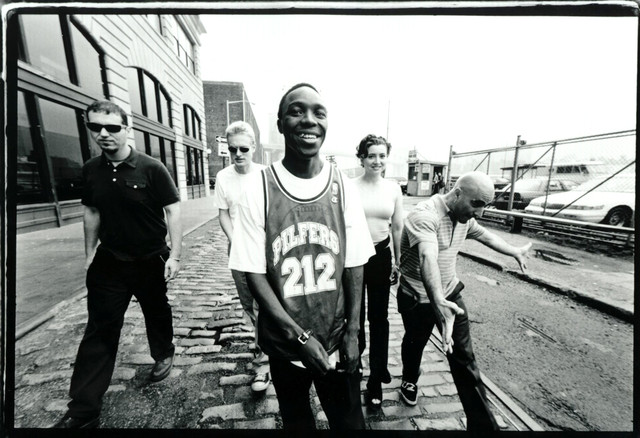

Filibuster


The Silencers