Data may be outdated
Last updated: 9 months ago — Click refresh to get the latest statistics.
Had he been born a half-decade earlier, Timothy B. Schmit might well have been a part of the folk-rock boom in California. As it was, he unknowingly followed a path similar to that of <a href="spotify:artist:040Bv6cZTRh30LyyYVXgJX">Gene Clark</a>, <a href="spotify:artist:3ExrAwcOqgGjt9kFRwdM76">Roger McGuinn</a>, and <a href="spotify:artist:70FybmH2MMz9fHewhnLvjs">Chris Hillman</a>, from folk to rock, the main difference being that he was in his mid-teens at the time and had to wait to make it work professionally. But he made up for it by playing a key role in the histories of two country-rock bands that evolved directly out of that folk-rock boom, <a href="spotify:artist:0fyqyjD7pbaVzbu94ylWQR">Poco</a> and <a href="spotify:artist:0ECwFtbIWEVNwjlrfc6xoL">the Eagles</a>, and hit his heyday in the 1970s and early '80s.
Schmit was born in Oakland, California, in 1947, and grew up in Sacramento, the son of a vacuum-cleaner salesman whose journeys with his family up and down the Pacific Coast were broken up by music. Schmit's first musical instrument was the violin, which he later followed with trombone, ukulele, and guitar. He also found that his singing voice was not bad and, while he was a little young to become an <a href="spotify:artist:43ZHCT0cAZBISjO8DG9PnE">Elvis Presley</a> devotee when rock & roll hit, he was just the right age when the folk revival of the early '60s came along. For a time he played bass in a local trio called Tim, Tom & Ron, who changed into the Contenders when surf music began finding an audience in 1962 and 1963. When the British Invasion swamped the surf boom, the Contenders evolved into <a href="spotify:artist:6sFSsKQjZr7zy2UbqRWpW0">the New Breed</a>, they grew their hair and adapted their look and sound to the contours of the Merseybeat boom. They were good enough to serve as the opening act for the very early <a href="spotify:artist:4J69yWrKwWJgjv3DKTZcGo">Big Brother & the Holding Company</a>, <a href="spotify:artist:48YxSlb23RAaCd4RyHcV9V">Herman's Hermits</a>, and <a href="spotify:artist:71lGEtP9qYXDsSXjfexTqO">Sonny & Cher</a>, and there was the real possibility of a future in music for the band.
By the time he entered Sacramento State College as a psychology major, <a href="spotify:artist:6sFSsKQjZr7zy2UbqRWpW0">the New Breed</a> had evolved into a folk-rock-based outfit called Glad and signed to <a href="spotify:search:label%3A%22ABC+Records%22">ABC Records</a>. During the period before they got their contract, Schmit crossed paths with ex-<a href="spotify:artist:3eskO5m0H4yiF64vRySBjr">Buffalo Springfield</a> singer/guitarist <a href="spotify:artist:2KpCZazKx8c2qBDtNXvmvf">Richie Furay</a>, who was in the process of putting together a new group, which eventually took the name <a href="spotify:artist:0fyqyjD7pbaVzbu94ylWQR">Poco</a> -- Schmit was asked to audition on bass and vocals but the spot was instead filled by <a href="spotify:artist:00f43SIUld0KU349dnwsmC">Randy Meisner</a>. Glad's album, Feelin' Glad, was released by <a href="spotify:search:label%3A%22ABC%22">ABC</a> in 1968 but failed to sell, and, in the meantime, <a href="spotify:artist:00f43SIUld0KU349dnwsmC">Meisner</a> quit <a href="spotify:artist:0fyqyjD7pbaVzbu94ylWQR">Poco</a> on the eve of recording their debut album. Schmit, as first runner-up for the bassist spot, joined the group on-stage for a few gigs, and they were serious enough about his joining to cover one of his songs, "Hard Luck," as the B-side of the <a href="spotify:artist:2KpCZazKx8c2qBDtNXvmvf">Furay</a>-authored 1969 single "My Kind of Love." By the start of 1970, he had switched to become a full-time member of <a href="spotify:artist:0fyqyjD7pbaVzbu94ylWQR">Poco</a>, making his formal debut with the group on its self-titled second album.
The next seven years were a study in musical fulfillment and professional frustration as <a href="spotify:artist:0fyqyjD7pbaVzbu94ylWQR">Poco</a> made a string of superb records -- embracing an astonishingly diverse array of sounds in the process, even working with Memphis' <a href="spotify:artist:1gLCO8HDtmhp1eWmGcPl8S">Steve Cropper</a> at one point. They became a favorite in the rock press and a top second-tier act, but never managed in that time to connect with the public on a steady basis. They played some very early gigs on the same bill with a band called <a href="spotify:artist:7bK26KSS2vRPxiT2UDeYSF">Longbranch Pennywhistle</a>, whose members included <a href="spotify:artist:0I7UnRLIdCD310ZBgeuqh5">John David Souther</a>, <a href="spotify:artist:1CPwHx5lgVxv0rfcp7UXLx">Ry Cooder</a>, and, most importantly, <a href="spotify:artist:3vMWY1bUrmYoSoEWLiQWOZ">Glenn Frey</a>. By 1971, <a href="spotify:artist:7bK26KSS2vRPxiT2UDeYSF">Longbranch Pennywhistle</a> were history, while <a href="spotify:artist:0fyqyjD7pbaVzbu94ylWQR">Poco</a> always seemed poised for a big move that never quite took place -- their albums sold respectably, usually reaching the middle of the charts, and Schmit was represented on their second album with the song "Keep on Believin'" (co-written with <a href="spotify:artist:2KpCZazKx8c2qBDtNXvmvf">Furay</a>) and on their third LP, Deliverin', by "Hear That Music," and he also provided the title track to their fourth, From the Inside. His other notable songs included "I Can See Everything" from A Good Feelin' to Know, "Here We Go Again" off of Crazy Eyes, and "Whatever Happened to Your Smile" from Cantamos. <a href="spotify:artist:0fyqyjD7pbaVzbu94ylWQR">Poco</a> seemed to be every critic's favorite country-rock band, but none of the records or the articles accompanying their release were sufficient to persuade the public to buy them in the numbers their quality would seem to have engendered. Meanwhile, a rival outfit from California, <a href="spotify:artist:0ECwFtbIWEVNwjlrfc6xoL">the Eagles</a> -- who had inherited the services of <a href="spotify:artist:00f43SIUld0KU349dnwsmC">Meisner</a> after he quit <a href="spotify:artist:0fyqyjD7pbaVzbu94ylWQR">Poco</a> -- was burning up the charts on a more reliable basis.
Then, in the spring of 1977, <a href="spotify:artist:00f43SIUld0KU349dnwsmC">Meisner</a> quit <a href="spotify:artist:0ECwFtbIWEVNwjlrfc6xoL">the Eagles</a>. The split had been coming for a couple of years, as he chafed under the increasing domination of the band by <a href="spotify:artist:3vMWY1bUrmYoSoEWLiQWOZ">Glenn Frey</a> and <a href="spotify:artist:5dbuFbrHa1SJlQhQX9OUJ2">Don Henley</a>, and not even the mega-platinum success of the Hotel California album and the money raked in on the subsequent touring could hold them together. In the wake of <a href="spotify:artist:00f43SIUld0KU349dnwsmC">Meisner</a>'s exit, the band invited Schmit to once again become his successor. Schmit made the jump without hesitation, joining in time to participate in the extended touring off of Hotel California and participate in the recording of what proved to be the group's last official album, The Long Run. As it was, The Long Run didn't appear until late 1979, which gave Schmit plenty of time to get integrated into the group's sound -- his distinctive bass work was in evidence, right up front in the mix on the opening title track, and he got one co-writing credit on the second song, "I Can't Tell You Why," which also became the first single off the album and peaked at number eight. Between the tours and the album's multi-platinum sales (and those of Eagles Live, which followed in 1980), Schmit was belatedly rewarded for the dozen years of dues he had paid.
<a href="spotify:artist:0ECwFtbIWEVNwjlrfc6xoL">The Eagles</a> parted company officially -- on what was billed as a hiatus -- in 1981. Even as the group was winding down its affairs, however, Schmit landed a song, "So Much in Love," on the soundtrack of Fast Times at Ridgemont High (1982), alongside his former bandmates (and also alongside <a href="spotify:artist:0fyqyjD7pbaVzbu94ylWQR">Poco</a>), which became a mega-platinum-selling album. Free for the first time to explore his own music, he embarked on a solo recording career that produced six albums over the next two decades -- Playin' It Cool (1984), Timothy B. (1987), Tell Me the Truth (1990), Feed the Fire (2001), Expando (2009), and Leap of Faith (2016). Each presented different aspects of his music, from country to pop to light jazz, although none was remotely as successful as <a href="spotify:artist:0ECwFtbIWEVNwjlrfc6xoL">the Eagles</a>' work. He rejoined <a href="spotify:artist:0fyqyjD7pbaVzbu94ylWQR">Poco</a> for their 1984 album Inamorata and has also appeared as a vocalist on a multitude of other artists' recordings across the years, including <a href="spotify:artist:6P7H3ai06vU1sGvdpBwDmE">Steely Dan</a>, <a href="spotify:artist:485uL27bPomh29R4JmQehQ">Bob Seger</a>, <a href="spotify:artist:28AyklUmMECPwdfo8NEsV0">Jimmy Buffett</a>, <a href="spotify:artist:4Tvos0a5rRrBu4Oodu5f79">Julian Lennon</a>, <a href="spotify:artist:6DbJi8AcN5ANdtvJcwBSw8">Ringo Starr</a>, <a href="spotify:artist:3mY9Ii0cL5SQxpOTAm8SHx">Warren Zevon</a>, and <a href="spotify:artist:65X3sG8LVBQN5033RqB6qn">Spinal Tap</a>. He also worked with his ex-bandmates (including <a href="spotify:artist:2KpCZazKx8c2qBDtNXvmvf">Richie Furay</a>) on various projects, and sang backup on <a href="spotify:artist:3IhWQSrLj8EJjdvjFTpCyo">Vince Gill</a>'s version of "I Can't Tell You Why" on the 1993 Common Thread album, whose unexpectedly strong sales precipitated <a href="spotify:artist:0ECwFtbIWEVNwjlrfc6xoL">the Eagles</a>' reunion tour, album, and concert video. He has also been a singer and bassist in Ringo Starr's All-Starr Band (which has also included his <a href="spotify:artist:0ECwFtbIWEVNwjlrfc6xoL">Eagles</a> bandmate <a href="spotify:artist:5bDxAyJiTYBat1YnFJhvEK">Joe Walsh</a> in its ranks). Although not as popular as a solo artist as either <a href="spotify:artist:3vMWY1bUrmYoSoEWLiQWOZ">Glenn Frey</a> or <a href="spotify:artist:5dbuFbrHa1SJlQhQX9OUJ2">Don Henley</a>, Schmit's attractive high tenor voice has its fans, and he is one of the busier <a href="spotify:artist:0ECwFtbIWEVNwjlrfc6xoL">Eagles</a> and <a href="spotify:artist:0fyqyjD7pbaVzbu94ylWQR">Poco</a> alumni. ~ Bruce Eder, Rovi
Schmit was born in Oakland, California, in 1947, and grew up in Sacramento, the son of a vacuum-cleaner salesman whose journeys with his family up and down the Pacific Coast were broken up by music. Schmit's first musical instrument was the violin, which he later followed with trombone, ukulele, and guitar. He also found that his singing voice was not bad and, while he was a little young to become an <a href="spotify:artist:43ZHCT0cAZBISjO8DG9PnE">Elvis Presley</a> devotee when rock & roll hit, he was just the right age when the folk revival of the early '60s came along. For a time he played bass in a local trio called Tim, Tom & Ron, who changed into the Contenders when surf music began finding an audience in 1962 and 1963. When the British Invasion swamped the surf boom, the Contenders evolved into <a href="spotify:artist:6sFSsKQjZr7zy2UbqRWpW0">the New Breed</a>, they grew their hair and adapted their look and sound to the contours of the Merseybeat boom. They were good enough to serve as the opening act for the very early <a href="spotify:artist:4J69yWrKwWJgjv3DKTZcGo">Big Brother & the Holding Company</a>, <a href="spotify:artist:48YxSlb23RAaCd4RyHcV9V">Herman's Hermits</a>, and <a href="spotify:artist:71lGEtP9qYXDsSXjfexTqO">Sonny & Cher</a>, and there was the real possibility of a future in music for the band.
By the time he entered Sacramento State College as a psychology major, <a href="spotify:artist:6sFSsKQjZr7zy2UbqRWpW0">the New Breed</a> had evolved into a folk-rock-based outfit called Glad and signed to <a href="spotify:search:label%3A%22ABC+Records%22">ABC Records</a>. During the period before they got their contract, Schmit crossed paths with ex-<a href="spotify:artist:3eskO5m0H4yiF64vRySBjr">Buffalo Springfield</a> singer/guitarist <a href="spotify:artist:2KpCZazKx8c2qBDtNXvmvf">Richie Furay</a>, who was in the process of putting together a new group, which eventually took the name <a href="spotify:artist:0fyqyjD7pbaVzbu94ylWQR">Poco</a> -- Schmit was asked to audition on bass and vocals but the spot was instead filled by <a href="spotify:artist:00f43SIUld0KU349dnwsmC">Randy Meisner</a>. Glad's album, Feelin' Glad, was released by <a href="spotify:search:label%3A%22ABC%22">ABC</a> in 1968 but failed to sell, and, in the meantime, <a href="spotify:artist:00f43SIUld0KU349dnwsmC">Meisner</a> quit <a href="spotify:artist:0fyqyjD7pbaVzbu94ylWQR">Poco</a> on the eve of recording their debut album. Schmit, as first runner-up for the bassist spot, joined the group on-stage for a few gigs, and they were serious enough about his joining to cover one of his songs, "Hard Luck," as the B-side of the <a href="spotify:artist:2KpCZazKx8c2qBDtNXvmvf">Furay</a>-authored 1969 single "My Kind of Love." By the start of 1970, he had switched to become a full-time member of <a href="spotify:artist:0fyqyjD7pbaVzbu94ylWQR">Poco</a>, making his formal debut with the group on its self-titled second album.
The next seven years were a study in musical fulfillment and professional frustration as <a href="spotify:artist:0fyqyjD7pbaVzbu94ylWQR">Poco</a> made a string of superb records -- embracing an astonishingly diverse array of sounds in the process, even working with Memphis' <a href="spotify:artist:1gLCO8HDtmhp1eWmGcPl8S">Steve Cropper</a> at one point. They became a favorite in the rock press and a top second-tier act, but never managed in that time to connect with the public on a steady basis. They played some very early gigs on the same bill with a band called <a href="spotify:artist:7bK26KSS2vRPxiT2UDeYSF">Longbranch Pennywhistle</a>, whose members included <a href="spotify:artist:0I7UnRLIdCD310ZBgeuqh5">John David Souther</a>, <a href="spotify:artist:1CPwHx5lgVxv0rfcp7UXLx">Ry Cooder</a>, and, most importantly, <a href="spotify:artist:3vMWY1bUrmYoSoEWLiQWOZ">Glenn Frey</a>. By 1971, <a href="spotify:artist:7bK26KSS2vRPxiT2UDeYSF">Longbranch Pennywhistle</a> were history, while <a href="spotify:artist:0fyqyjD7pbaVzbu94ylWQR">Poco</a> always seemed poised for a big move that never quite took place -- their albums sold respectably, usually reaching the middle of the charts, and Schmit was represented on their second album with the song "Keep on Believin'" (co-written with <a href="spotify:artist:2KpCZazKx8c2qBDtNXvmvf">Furay</a>) and on their third LP, Deliverin', by "Hear That Music," and he also provided the title track to their fourth, From the Inside. His other notable songs included "I Can See Everything" from A Good Feelin' to Know, "Here We Go Again" off of Crazy Eyes, and "Whatever Happened to Your Smile" from Cantamos. <a href="spotify:artist:0fyqyjD7pbaVzbu94ylWQR">Poco</a> seemed to be every critic's favorite country-rock band, but none of the records or the articles accompanying their release were sufficient to persuade the public to buy them in the numbers their quality would seem to have engendered. Meanwhile, a rival outfit from California, <a href="spotify:artist:0ECwFtbIWEVNwjlrfc6xoL">the Eagles</a> -- who had inherited the services of <a href="spotify:artist:00f43SIUld0KU349dnwsmC">Meisner</a> after he quit <a href="spotify:artist:0fyqyjD7pbaVzbu94ylWQR">Poco</a> -- was burning up the charts on a more reliable basis.
Then, in the spring of 1977, <a href="spotify:artist:00f43SIUld0KU349dnwsmC">Meisner</a> quit <a href="spotify:artist:0ECwFtbIWEVNwjlrfc6xoL">the Eagles</a>. The split had been coming for a couple of years, as he chafed under the increasing domination of the band by <a href="spotify:artist:3vMWY1bUrmYoSoEWLiQWOZ">Glenn Frey</a> and <a href="spotify:artist:5dbuFbrHa1SJlQhQX9OUJ2">Don Henley</a>, and not even the mega-platinum success of the Hotel California album and the money raked in on the subsequent touring could hold them together. In the wake of <a href="spotify:artist:00f43SIUld0KU349dnwsmC">Meisner</a>'s exit, the band invited Schmit to once again become his successor. Schmit made the jump without hesitation, joining in time to participate in the extended touring off of Hotel California and participate in the recording of what proved to be the group's last official album, The Long Run. As it was, The Long Run didn't appear until late 1979, which gave Schmit plenty of time to get integrated into the group's sound -- his distinctive bass work was in evidence, right up front in the mix on the opening title track, and he got one co-writing credit on the second song, "I Can't Tell You Why," which also became the first single off the album and peaked at number eight. Between the tours and the album's multi-platinum sales (and those of Eagles Live, which followed in 1980), Schmit was belatedly rewarded for the dozen years of dues he had paid.
<a href="spotify:artist:0ECwFtbIWEVNwjlrfc6xoL">The Eagles</a> parted company officially -- on what was billed as a hiatus -- in 1981. Even as the group was winding down its affairs, however, Schmit landed a song, "So Much in Love," on the soundtrack of Fast Times at Ridgemont High (1982), alongside his former bandmates (and also alongside <a href="spotify:artist:0fyqyjD7pbaVzbu94ylWQR">Poco</a>), which became a mega-platinum-selling album. Free for the first time to explore his own music, he embarked on a solo recording career that produced six albums over the next two decades -- Playin' It Cool (1984), Timothy B. (1987), Tell Me the Truth (1990), Feed the Fire (2001), Expando (2009), and Leap of Faith (2016). Each presented different aspects of his music, from country to pop to light jazz, although none was remotely as successful as <a href="spotify:artist:0ECwFtbIWEVNwjlrfc6xoL">the Eagles</a>' work. He rejoined <a href="spotify:artist:0fyqyjD7pbaVzbu94ylWQR">Poco</a> for their 1984 album Inamorata and has also appeared as a vocalist on a multitude of other artists' recordings across the years, including <a href="spotify:artist:6P7H3ai06vU1sGvdpBwDmE">Steely Dan</a>, <a href="spotify:artist:485uL27bPomh29R4JmQehQ">Bob Seger</a>, <a href="spotify:artist:28AyklUmMECPwdfo8NEsV0">Jimmy Buffett</a>, <a href="spotify:artist:4Tvos0a5rRrBu4Oodu5f79">Julian Lennon</a>, <a href="spotify:artist:6DbJi8AcN5ANdtvJcwBSw8">Ringo Starr</a>, <a href="spotify:artist:3mY9Ii0cL5SQxpOTAm8SHx">Warren Zevon</a>, and <a href="spotify:artist:65X3sG8LVBQN5033RqB6qn">Spinal Tap</a>. He also worked with his ex-bandmates (including <a href="spotify:artist:2KpCZazKx8c2qBDtNXvmvf">Richie Furay</a>) on various projects, and sang backup on <a href="spotify:artist:3IhWQSrLj8EJjdvjFTpCyo">Vince Gill</a>'s version of "I Can't Tell You Why" on the 1993 Common Thread album, whose unexpectedly strong sales precipitated <a href="spotify:artist:0ECwFtbIWEVNwjlrfc6xoL">the Eagles</a>' reunion tour, album, and concert video. He has also been a singer and bassist in Ringo Starr's All-Starr Band (which has also included his <a href="spotify:artist:0ECwFtbIWEVNwjlrfc6xoL">Eagles</a> bandmate <a href="spotify:artist:5bDxAyJiTYBat1YnFJhvEK">Joe Walsh</a> in its ranks). Although not as popular as a solo artist as either <a href="spotify:artist:3vMWY1bUrmYoSoEWLiQWOZ">Glenn Frey</a> or <a href="spotify:artist:5dbuFbrHa1SJlQhQX9OUJ2">Don Henley</a>, Schmit's attractive high tenor voice has its fans, and he is one of the busier <a href="spotify:artist:0ECwFtbIWEVNwjlrfc6xoL">Eagles</a> and <a href="spotify:artist:0fyqyjD7pbaVzbu94ylWQR">Poco</a> alumni. ~ Bruce Eder, Rovi
Monthly Listeners
26,573
Monthly Listeners History
Track the evolution of monthly listeners over the last 28 days.
Followers
36,649
Followers History
Track the evolution of followers over the last 28 days.
Top Cities



Related Artists
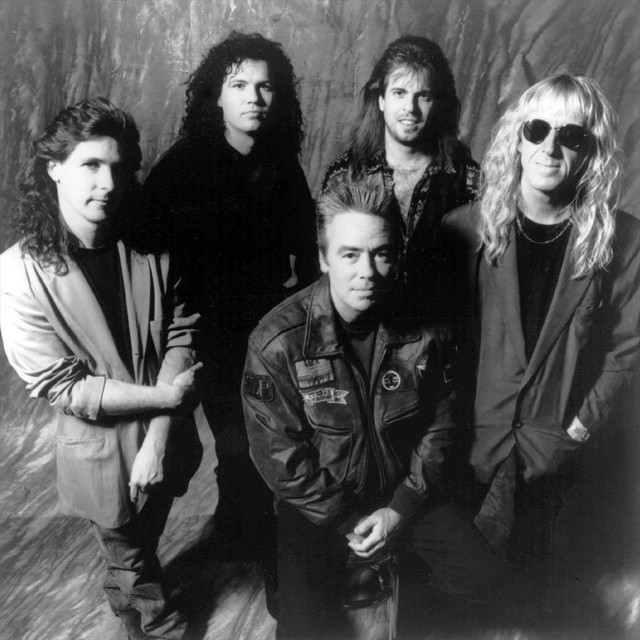
Nigel Olsson
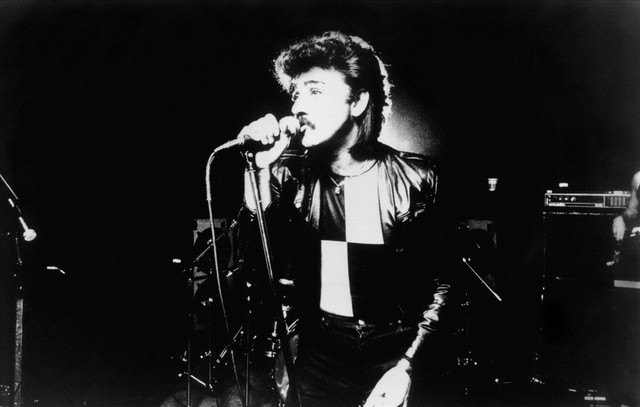
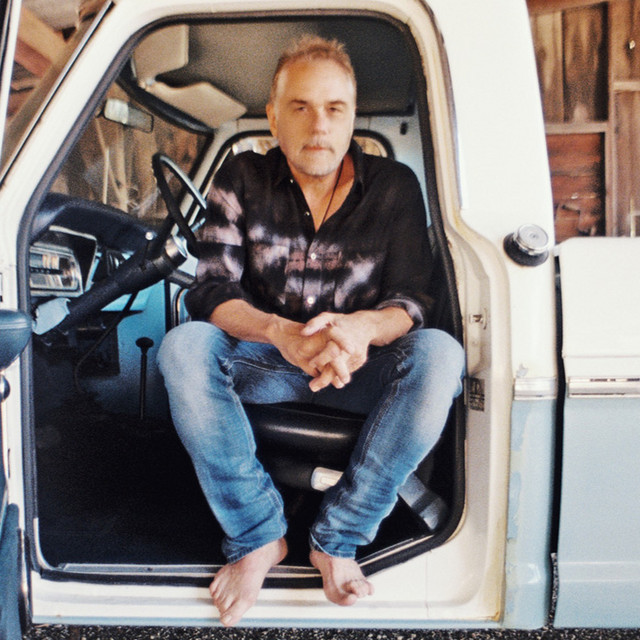
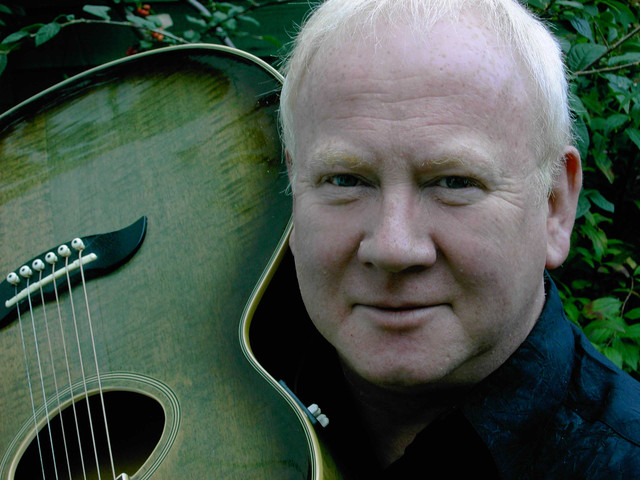
Gerry Beckley
Pousette-Dart Band


Alfie Zappacosta
The Jukes
Jason Scheff

Southside Johnny