Data may be outdated
Last updated: 7 months ago — Click refresh to get the latest statistics.
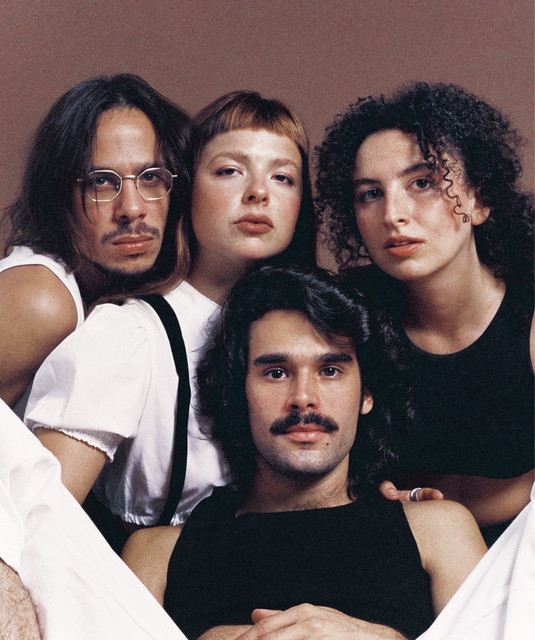
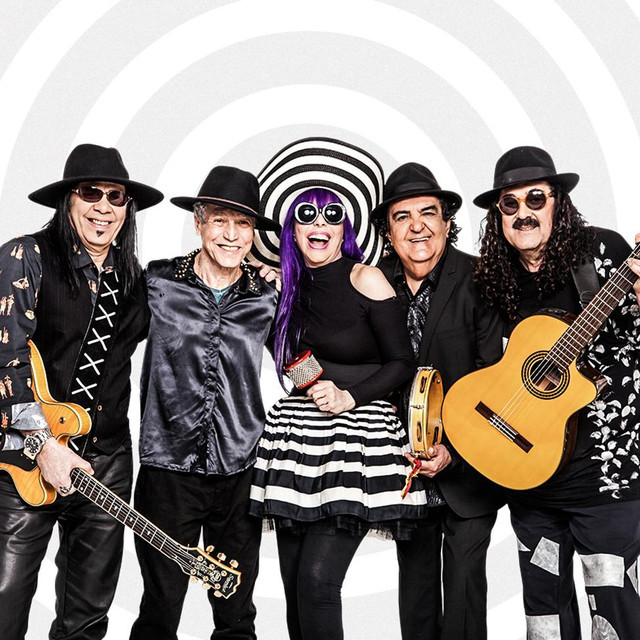
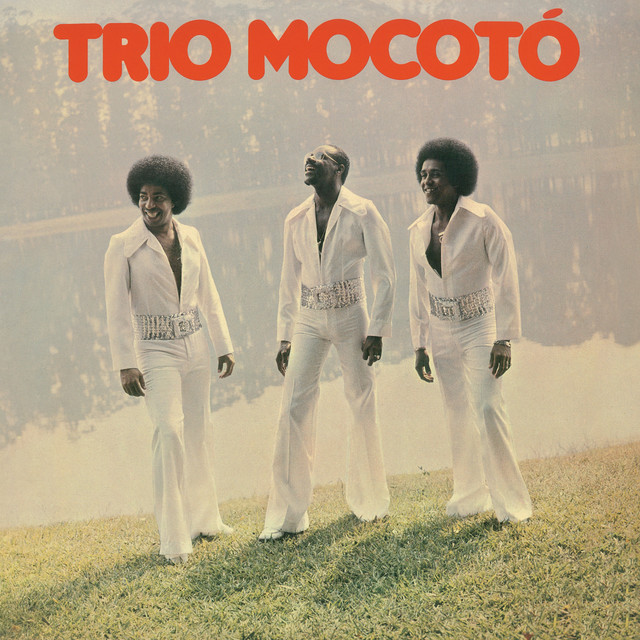
The Trio Mocotó is a group that shaped a style that would be known as samba-rock, resulting in the fusion of the two genres. The trio influenced many artists who were searching for some kind of fusion between Brazilian and American pop music, like <a href="spotify:artist:0jOs0wnXCu1bGGP7kh5uIu">Tim Maia</a> and <a href="spotify:artist:5JYtpnUKxAzXfHEYpOeeit">Jorge Ben</a>, whom they backed in recordings and performances both in Brazil and internationally.
The trio was formed in 1968 in the Jogral nightclub (São Paulo) by Fritz Escovão, Joãozinho Parahyba, and Nereu Gargalo, who were the regular backing musicians for the featured artists, such as <a href="spotify:artist:0tWtrXx0eO52k40JMojM0j">Clementina de Jesus</a>, <a href="spotify:artist:5VfKi2uYyP2DCi1JXQ2fX5">Nelson Cavaquinho</a>, <a href="spotify:artist:0RSWHhBUwW7lhCqXqxKxWN">Cartola</a>, and other performers. The Jogral was one of the most important nightclubs of Brazil in that time, and international artists like <a href="spotify:artist:4F7Q5NV6h5TSwCainz8S5A">Duke Ellington</a>, <a href="spotify:artist:6zkX5fhrSD4tdVOmimR9wB">Oscar Peterson</a>, and <a href="spotify:artist:2mY5u4CceAPrpBnse1WpFr">Earl Hines</a> also performed there, accompanied by the Trio Mocotó. As <a href="spotify:artist:5JYtpnUKxAzXfHEYpOeeit">Jorge Ben</a> (later <a href="spotify:artist:5JYtpnUKxAzXfHEYpOeeit">Jorge Ben Jor</a>) used to sit in often, the trio became <a href="spotify:artist:5JYtpnUKxAzXfHEYpOeeit">Ben</a>'s backup band. The result was the sound that <a href="spotify:artist:5JYtpnUKxAzXfHEYpOeeit">Ben</a> was searching for, a kind of fusion between samba and rock. The trio accompanied <a href="spotify:artist:5JYtpnUKxAzXfHEYpOeeit">Ben</a> in virtually all the tracks on <a href="spotify:artist:5JYtpnUKxAzXfHEYpOeeit">Ben</a>'s album Jorge Ben (Philips, 1969). As <a href="spotify:artist:5JYtpnUKxAzXfHEYpOeeit">Ben</a>'s supporting band for the performance of "Charles Anjo 45" at the IV Festival Internacional da Canção, the trio had to choose a name, so Mocotó was adopted as a reference to a slang word for ladies' legs. (The polemical and somewhat aggressive song was met with massive booing in the packed Maracanãzinho). "Eu Quero Mocotó," another composition by <a href="spotify:artist:5JYtpnUKxAzXfHEYpOeeit">Ben</a> (dedicated to ladies' legs, not to the trio), was also performed in the same festival by <a href="spotify:artist:0HUOU7NBCRtjCOuBvznHBW">Erlon Chaves</a> and Banda Veneno, with <a href="spotify:artist:5JYtpnUKxAzXfHEYpOeeit">Ben</a> and the trio as guests.
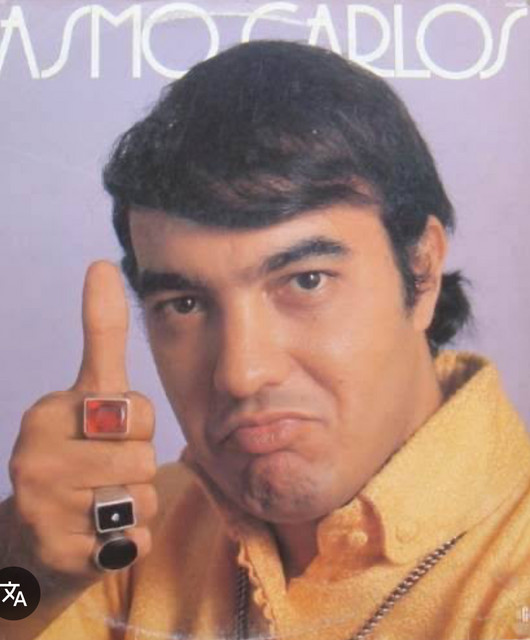
During the early '70s, the trio was very busy. They hit the charts with the single "Coqueiro Verde" (<a href="spotify:artist:7fAKtXSdNInWAIf0jVUz65">Roberto Carlos</a>/<a href="spotify:artist:6cHQUDAPGKRE2NbVjBlOcz">Erasmo Carlos</a>) and soon departed to Cannes, France, where they accompanied <a href="spotify:artist:5JYtpnUKxAzXfHEYpOeeit">Ben</a> in his performance at MIDEM (which launched a European tour with the composer/musician). In Japan they all recorded a live album (unreleased at the time in Brazil). Upon their return, they accompanied <a href="spotify:artist:5JYtpnUKxAzXfHEYpOeeit">Ben</a> and <a href="spotify:artist:7rPqFVgJYARiFsLDlN6W6y">Toquinho</a> for the recording of "Que Maravilha" and departed once more for an international tour with <a href="spotify:artist:5JYtpnUKxAzXfHEYpOeeit">Ben</a>. Returning to Brazil, they were invited by <a href="spotify:artist:7rPqFVgJYARiFsLDlN6W6y">Toquinho</a> and <a href="spotify:artist:5HlnN6xF2MD87KhGRmCRTd">Vinícius de Moraes</a> to back them in some recordings as well as accompanying them (together with <a href="spotify:artist:2it164hfV4gOIjzfGz7Q05">Marília Medalha</a>) in the Encontro show, touring the country in the college circuit, and then through Mexico.
Their first LP came in 1971, Muita Zorra (Philips), followed by two others in 1973 (RGE) and 1975. With advent of the disco craze and the subsequent waning of interest in live music, the group ran out of work and dissolved. In 2000, after 24 years without performing together, they teamed up again to play on the Jô Soares TV show commemorate the group's 30th anniversary. Fritz Escovão died on October 1, 2024, at the age of 81. ~ Alvaro Neder, Rovi
The trio was formed in 1968 in the Jogral nightclub (São Paulo) by Fritz Escovão, Joãozinho Parahyba, and Nereu Gargalo, who were the regular backing musicians for the featured artists, such as <a href="spotify:artist:0tWtrXx0eO52k40JMojM0j">Clementina de Jesus</a>, <a href="spotify:artist:5VfKi2uYyP2DCi1JXQ2fX5">Nelson Cavaquinho</a>, <a href="spotify:artist:0RSWHhBUwW7lhCqXqxKxWN">Cartola</a>, and other performers. The Jogral was one of the most important nightclubs of Brazil in that time, and international artists like <a href="spotify:artist:4F7Q5NV6h5TSwCainz8S5A">Duke Ellington</a>, <a href="spotify:artist:6zkX5fhrSD4tdVOmimR9wB">Oscar Peterson</a>, and <a href="spotify:artist:2mY5u4CceAPrpBnse1WpFr">Earl Hines</a> also performed there, accompanied by the Trio Mocotó. As <a href="spotify:artist:5JYtpnUKxAzXfHEYpOeeit">Jorge Ben</a> (later <a href="spotify:artist:5JYtpnUKxAzXfHEYpOeeit">Jorge Ben Jor</a>) used to sit in often, the trio became <a href="spotify:artist:5JYtpnUKxAzXfHEYpOeeit">Ben</a>'s backup band. The result was the sound that <a href="spotify:artist:5JYtpnUKxAzXfHEYpOeeit">Ben</a> was searching for, a kind of fusion between samba and rock. The trio accompanied <a href="spotify:artist:5JYtpnUKxAzXfHEYpOeeit">Ben</a> in virtually all the tracks on <a href="spotify:artist:5JYtpnUKxAzXfHEYpOeeit">Ben</a>'s album Jorge Ben (Philips, 1969). As <a href="spotify:artist:5JYtpnUKxAzXfHEYpOeeit">Ben</a>'s supporting band for the performance of "Charles Anjo 45" at the IV Festival Internacional da Canção, the trio had to choose a name, so Mocotó was adopted as a reference to a slang word for ladies' legs. (The polemical and somewhat aggressive song was met with massive booing in the packed Maracanãzinho). "Eu Quero Mocotó," another composition by <a href="spotify:artist:5JYtpnUKxAzXfHEYpOeeit">Ben</a> (dedicated to ladies' legs, not to the trio), was also performed in the same festival by <a href="spotify:artist:0HUOU7NBCRtjCOuBvznHBW">Erlon Chaves</a> and Banda Veneno, with <a href="spotify:artist:5JYtpnUKxAzXfHEYpOeeit">Ben</a> and the trio as guests.
During the early '70s, the trio was very busy. They hit the charts with the single "Coqueiro Verde" (<a href="spotify:artist:7fAKtXSdNInWAIf0jVUz65">Roberto Carlos</a>/<a href="spotify:artist:6cHQUDAPGKRE2NbVjBlOcz">Erasmo Carlos</a>) and soon departed to Cannes, France, where they accompanied <a href="spotify:artist:5JYtpnUKxAzXfHEYpOeeit">Ben</a> in his performance at MIDEM (which launched a European tour with the composer/musician). In Japan they all recorded a live album (unreleased at the time in Brazil). Upon their return, they accompanied <a href="spotify:artist:5JYtpnUKxAzXfHEYpOeeit">Ben</a> and <a href="spotify:artist:7rPqFVgJYARiFsLDlN6W6y">Toquinho</a> for the recording of "Que Maravilha" and departed once more for an international tour with <a href="spotify:artist:5JYtpnUKxAzXfHEYpOeeit">Ben</a>. Returning to Brazil, they were invited by <a href="spotify:artist:7rPqFVgJYARiFsLDlN6W6y">Toquinho</a> and <a href="spotify:artist:5HlnN6xF2MD87KhGRmCRTd">Vinícius de Moraes</a> to back them in some recordings as well as accompanying them (together with <a href="spotify:artist:2it164hfV4gOIjzfGz7Q05">Marília Medalha</a>) in the Encontro show, touring the country in the college circuit, and then through Mexico.
Their first LP came in 1971, Muita Zorra (Philips), followed by two others in 1973 (RGE) and 1975. With advent of the disco craze and the subsequent waning of interest in live music, the group ran out of work and dissolved. In 2000, after 24 years without performing together, they teamed up again to play on the Jô Soares TV show commemorate the group's 30th anniversary. Fritz Escovão died on October 1, 2024, at the age of 81. ~ Alvaro Neder, Rovi
Monthly Listeners
287,530
Monthly Listeners History
Track the evolution of monthly listeners over the last 28 days.
Followers
45,409
Followers History
Track the evolution of followers over the last 28 days.
Top Cities
42,598 listeners

11,488 listeners
6,427 listeners
5,056 listeners
4,561 listeners
Related Artists




Evinha


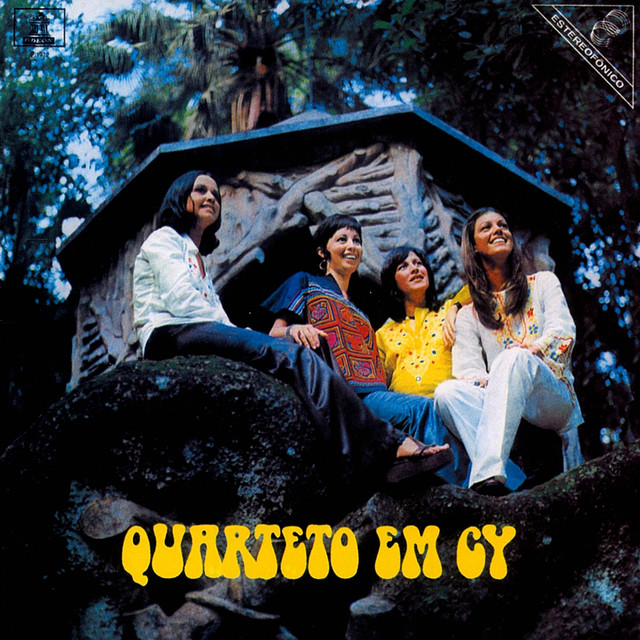
Quarteto Em Cy