Data may be outdated
Last updated: 1 week ago — Click refresh to get the latest statistics.
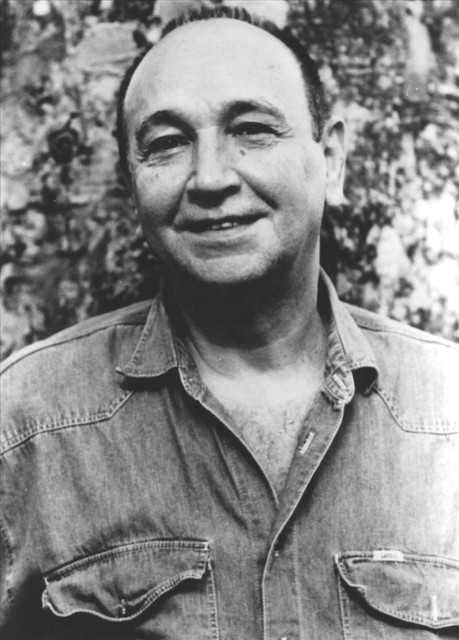
With the development of World War I, he returned to Rio. In 1941 he began to write film reviews and critiques. Two years later he joined Brazil's diplomatic service, Itamaraty, also releasing the book Cinco Elegias. In 1946 he was sent to Los Angeles in his first diplomatic assignment as vice consul and released Poemas, Sonetos e Baladas. In 1950 he returned to Brazil due to his father's death. His first samba (with <a href="spotify:artist:34Xo0W7OEWIKuFjODo0Eje">Antônio Maria</a>) is from 1953, "Quando Tu Passas por Mim," a year in which he moved to France as Brazil's embassy second secretary. His play Orfeu da Conceição won the IV São Paulo Centennial Contest in 1954. In 1955 he wrote lyrics for some of Cláudio Santoro's chamber music pieces. That next year he staged Orfeu da Conceição, which was filmed by French writer Marcel Camus. He was then introduced to an unknown pianist, <a href="spotify:artist:3pO5VjZ4wOHCMBXOvbMISG">Antonio Carlos Jobim</a>, who was commissioned with writing the music for the play. <a href="spotify:artist:3pO5VjZ4wOHCMBXOvbMISG">Jobim</a> composed "Se Todos Fossem Iguais a Você," "Um Nome de Mulher," and several others, recorded by Odeon with <a href="spotify:artist:174ThXFgQg2VCq9r3m8ceb">Luiz Bonfá</a> and others. Following a return to Paris in 1956 and another diplomatic assignment at Montevideo, Uruguay, in 1957 (when released Livro de Sonetos, followed by Novos Poemas II in 1959), he stayed there until 1960.
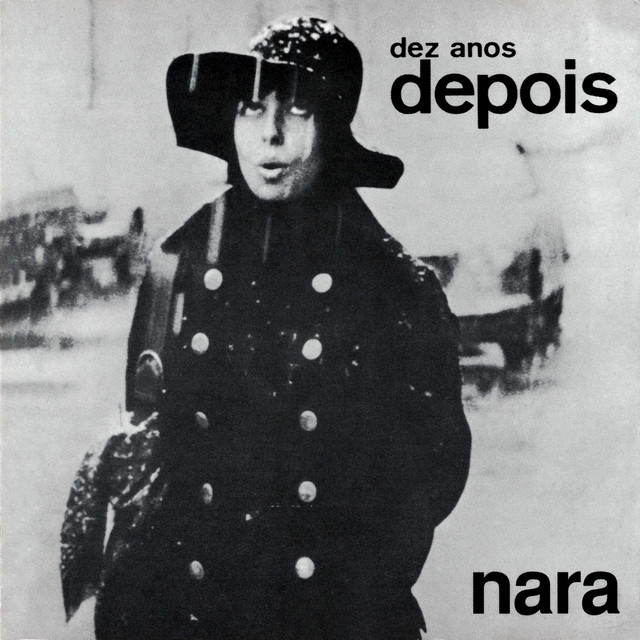
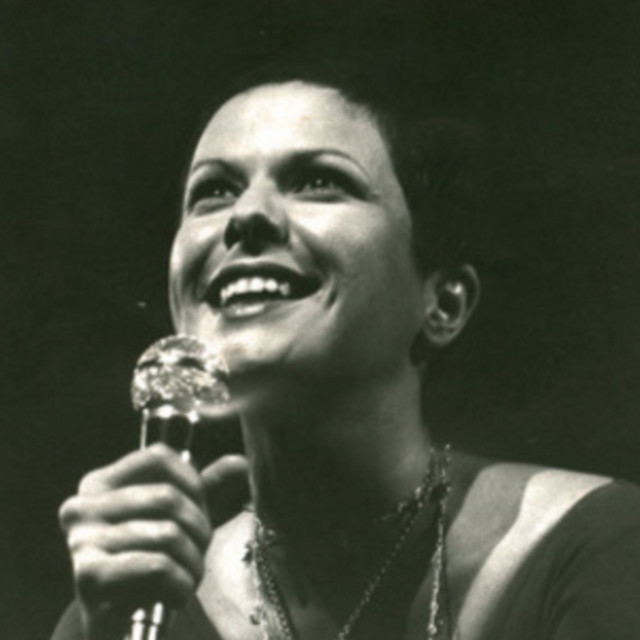
In 1958 <a href="spotify:artist:5w4qi7KMTWcV7sgXgVoPwW">Elizeth Cardoso</a> released her album, marking the beginning of bossa nova. She included on it five compositions by the duo Tom & Vinícius: "Canção do Amor Demais," "Chega de Saudade," "Outra Vez," "Luciana," and "Estrada Branca." The album also brought <a href="spotify:artist:77ZUbcdoU5KCPHNUl8bgQy">João Gilberto</a> and his "different beat" onto two tracks, "Chega de Saudade" and "Outra Vez." The careers of all of them had great impetus after that record, and the songs written by Tom & Vinícius became disputed by singers. In 1959 the movie Orfeu do Carnaval, based on the play Orfeu da Conceição, was awarded with the Golden Palm at the international movie festival of Cannes, France, and, in Hollywood, as the best foreign movie. In that time, he and <a href="spotify:artist:3pO5VjZ4wOHCMBXOvbMISG">Jobim</a> composed "Eu Sei Que Vou Te Amar" and "Amor em Paz." In 1960 he wrote O Amor dos Homens. In 1961 he composed with <a href="spotify:artist:3LokxmaXXZpL7sLZASDzCS">Carlos Lyra</a> "Coisa Mais Linda," "Primeira Namorada," "Nada Como Ter Amor," and "Você e Eu." In 1962 he wrote (together with <a href="spotify:artist:0pMRwfwerzk1N0cUov351R">Pixinguinha</a>) the soundtrack for the movie Sol Sobre a Lama (Alex Viany), which included "Lamento"; he also met <a href="spotify:artist:0VSgciOd32tP2Yna1w4vDr">Baden Powell</a> and wrote with him "Samba da Bênção," "Só por Amor," "Canção de Amor e Paz," "Pra Que Chorar," "Deixa," "Samba em Prelúdio," "Apelo," "Berimbau," "Consolação," and other great classics. After <a href="spotify:artist:0VSgciOd32tP2Yna1w4vDr">Powell</a>'s return from Bahia, where he dedicated himself to research the Bahian folklore, they composed the series known as the Afro-sambas: "Samba de Oxossi," "Canto de Xangô," "Canto de Ossanha," and others. With <a href="spotify:artist:3LokxmaXXZpL7sLZASDzCS">Carlos Lyra</a> he wrote "Marcha da Quarta-Feira de Cinzas" and "Minha Namorada," included in his play Pobre Menina Rica. In August 1962, together with <a href="spotify:artist:3pO5VjZ4wOHCMBXOvbMISG">Jobim</a>, <a href="spotify:artist:77ZUbcdoU5KCPHNUl8bgQy">João Gilberto</a>, and <a href="spotify:artist:1FbL4RGqW5gvZ2kZNGdfpA">Os Cariocas</a>, he opened the show Encontro at the Au Bon Gourmet nightclub (Rio). That show represented the first audition of "Garota de Ipanema," "Insensatez," "Ela é Carioca," "Só Danço Samba," "Samba do Avião" (all with <a href="spotify:artist:3pO5VjZ4wOHCMBXOvbMISG">Jobim</a>), and "Samba da Bênção." The same nightclub presented his play Pobre Menina Rica, which had music by <a href="spotify:artist:3LokxmaXXZpL7sLZASDzCS">Carlos Lyra</a> ("Sabe Você," "Primavera," and "Pau-de-Arara"). The play launched the career of <a href="spotify:artist:64KVQ4YupSZYrGNLduVtj3">Nara Leão</a>. He also released Para Viver um Grande Amor. In the next year he met <a href="spotify:artist:6u5P4S3NSj4EDNegDlOevO">Edu Lobo</a>, with whom he would write "Arrastão" (which would win the I FMPB in 1965 with <a href="spotify:artist:0yFvXd36g5sNKYDi0Kkvl8">Elis Regina</a>'s interpretation), "Zambi," and "Canção do Amanhecer."
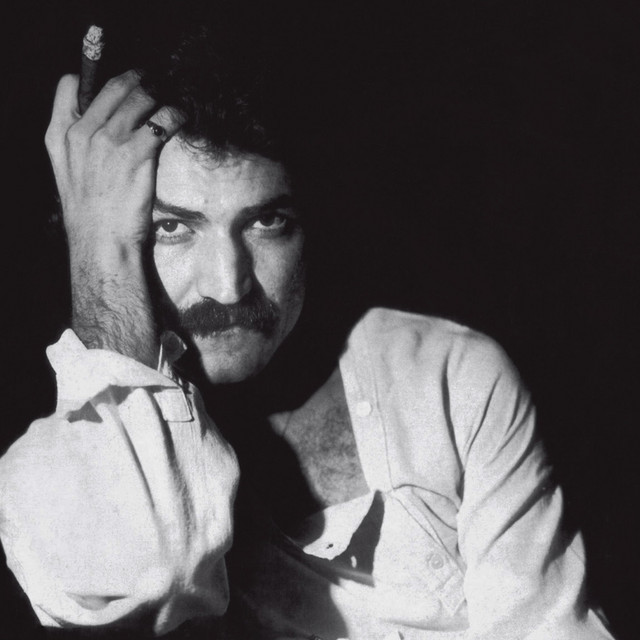
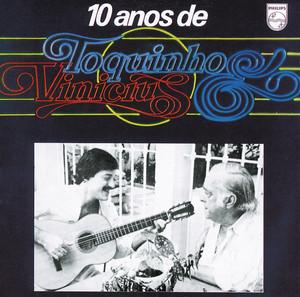
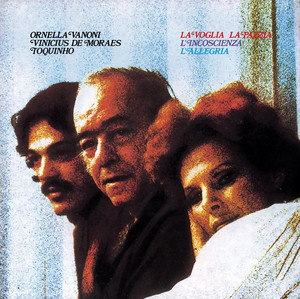
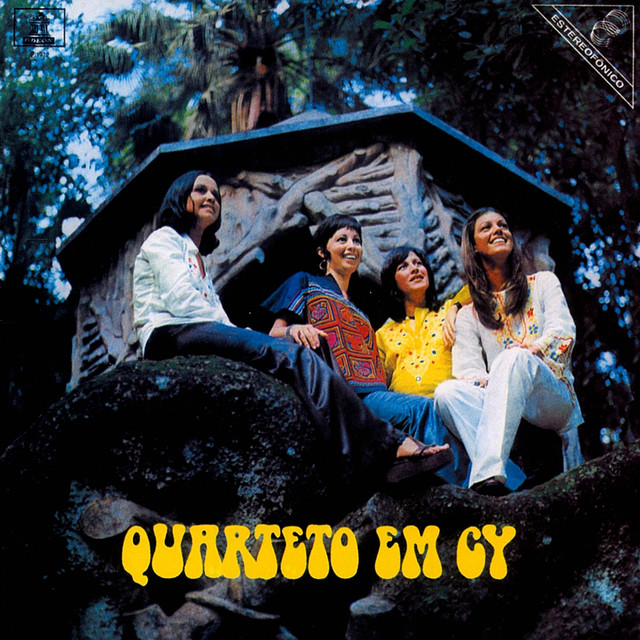
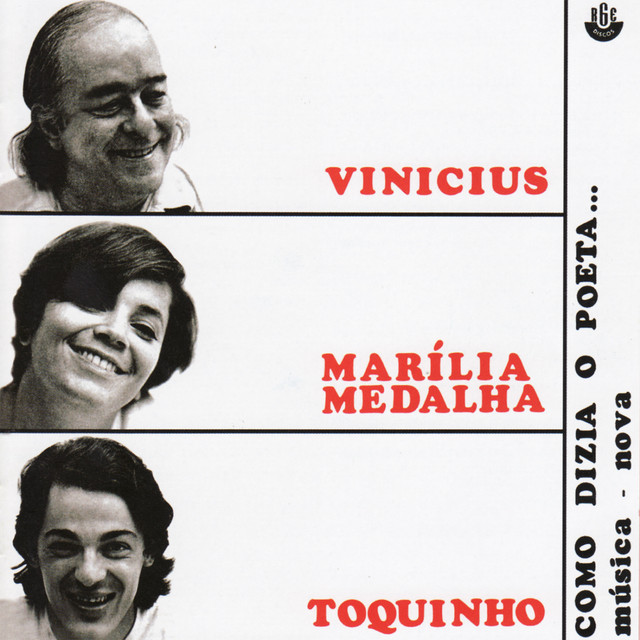
Returning to Paris, he worked for UNESCO until 1964. Meeting <a href="spotify:artist:0fSXB6V1mhguJCAN7pLzu6">Francis Hime</a> upon returning to Brazil, they composed "Saudade de Amar," "Sem Mais Adeus," and "Eu Te Amo, Amor." Together with <a href="spotify:artist:7zsxdMsODmHKTbTB00t9wS">Dorival Caymmi</a> he presented a show at the Zum-Zum nightclub, which was a major success. Recorded live, it was released by Elenco. <a href="spotify:artist:177N2fB1WvNBCQ4epjMQ3O">Quarteto em Cy</a>, four singing sisters he discovered, was launched at that show. At the I FMPB, "Valsa do Amor Que Não Vem" (together with <a href="spotify:artist:0VSgciOd32tP2Yna1w4vDr">Baden Powell</a>) won second place in the interpretation of <a href="spotify:artist:5w4qi7KMTWcV7sgXgVoPwW">Elizeth Cardoso</a>. He collaborated on the script of the movie Garota de Ipanema and had a second season for his show with <a href="spotify:artist:7zsxdMsODmHKTbTB00t9wS">Dorival Caymmi</a>. Also in 1965 he released O Mergulhador. In 1966 he participated (with <a href="spotify:artist:3f5VCwd57gZsqMad28jyLV">Maria Bethânia</a> and <a href="spotify:artist:7oEkUINVIj1Nr3Wnj8tzqr">Gilberto Gil</a>) in the show Pois É at the Teatro Opinião, which presented <a href="spotify:artist:7oEkUINVIj1Nr3Wnj8tzqr">Gil</a>'s compositions. His "Samba da Bênção" (with <a href="spotify:artist:0VSgciOd32tP2Yna1w4vDr">Baden</a>) was included on the soundtrack of Claude Lelouch's movie Un Homme et une Femme, winner of the Cannes movie festival. He also wrote Para uma Menina com uma Flor. In 1968 he was summarily fired after 26 years of work from the Itamaraty by the discretionary powers of military dictatorship. In that year, he toured extensively through Europe (with <a href="spotify:artist:6tOsSffQQIXmK8TqsDck8t">Chico Buarque</a> and <a href="spotify:artist:64KVQ4YupSZYrGNLduVtj3">Nara Leão</a>) and Argentina (with <a href="spotify:artist:7zsxdMsODmHKTbTB00t9wS">Dorival Caymmi</a>, <a href="spotify:artist:177N2fB1WvNBCQ4epjMQ3O">Quarteto em Cy</a>, <a href="spotify:artist:0VSgciOd32tP2Yna1w4vDr">Baden Powell</a>, and <a href="spotify:artist:55PO0aYAH6lYKr0SqYR3Z9">Oscar Castro-Neves</a>). In 1969 he performed at Punta del Este, Uruguay, with <a href="spotify:artist:2S5INEKtRSZPRx3JhjEZF5">Maria Creuza</a> and <a href="spotify:artist:6fV3ZNUY8BCP45yuCWWDez">Dori Caymmi</a>. In that year he also became the partner of <a href="spotify:artist:7rPqFVgJYARiFsLDlN6W6y">Toquinho</a> (de Moraes' most frequent partner and biggest friend, they would record 20 LPs together), with whom, along with <a href="spotify:artist:2it164hfV4gOIjzfGz7Q05">Marília Medalha</a>, he opened a show in 1970 at the Teatro Castro Alves (Salvador). Also with them, he performed at the La Fusa nightclub (Buenos Aires, Argentina); in January 1971 <a href="spotify:artist:7rPqFVgJYARiFsLDlN6W6y">Toquinho</a> and de Moraes would again perform there, this time with <a href="spotify:artist:3f5VCwd57gZsqMad28jyLV">Maria Bethânia</a>. Still in 1970, taking a hit by <a href="spotify:artist:5m3gnxcM2reIB8tyTtx8vC">Garoto</a> written 20 years before, he wrote (together with <a href="spotify:artist:6tOsSffQQIXmK8TqsDck8t">Chico Buarque</a>) the lyrics for "Gente Humilde." His book Arca de Noé would yield ten years later several TV stagings with music by <a href="spotify:artist:7rPqFVgJYARiFsLDlN6W6y">Toquinho</a>, which was released on two LPs: A Arca de Noé (Ariola, 1980) and A Arca de Noé, Vol. 2 (Ariola, 1981). In 1971 an LP with his compositions (with <a href="spotify:artist:7rPqFVgJYARiFsLDlN6W6y">Toquinho</a>) "Tarde em Itapoã" and "Como Dizia o Poeta" was released by RGE with great success. It brought a great number of invitations for touring in Brazil and abroad. Always successful the duo came out with "Maria-vai-Com-as-Outras," "Testamento" (1971), "Regra Três" (1972), and others. With <a href="spotify:artist:7rPqFVgJYARiFsLDlN6W6y">Toquinho</a> and <a href="spotify:artist:6UKz2oYWzE0ZBnciztCown">Clara Nunes</a>, he presented the 1973 show O Poeta, a Moça e o Violão at the Teatro Castro Alves, Bahia. ~ Alvaro Neder, Rovi
Monthly Listeners
2.3 million
Monthly Listeners History
Track the evolution of monthly listeners over the last 28 days.
Followers
689,830
Followers History
Track the evolution of followers over the last 28 days.
Total Streams
973.4 million
Total Streams History
Track the evolution of total streams over the last 28 days. This data is calculated from all tracks listed in the artist's discography.
Top Cities

Related Artists
Quarteto Em Cy



MPB4

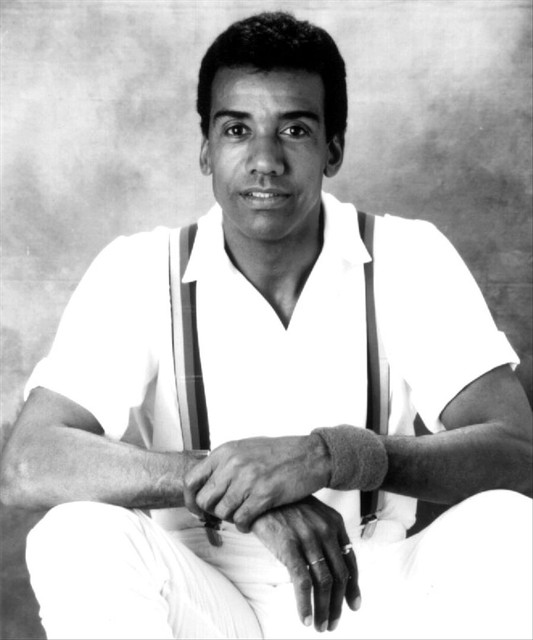
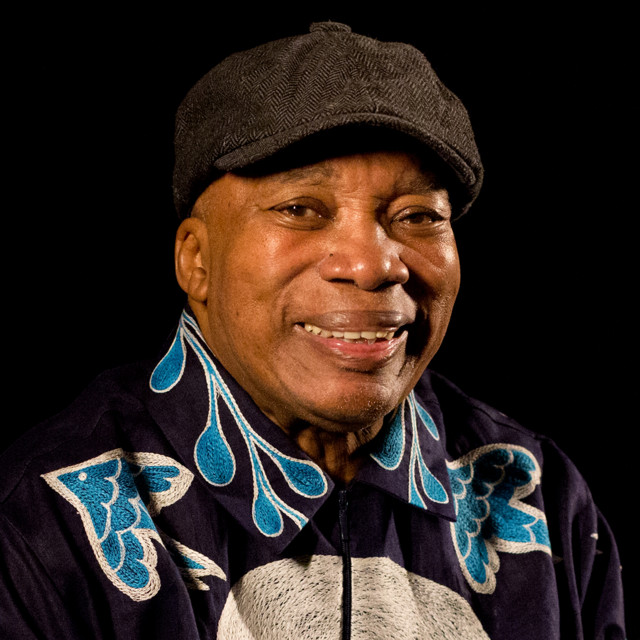


Gilberto Gil
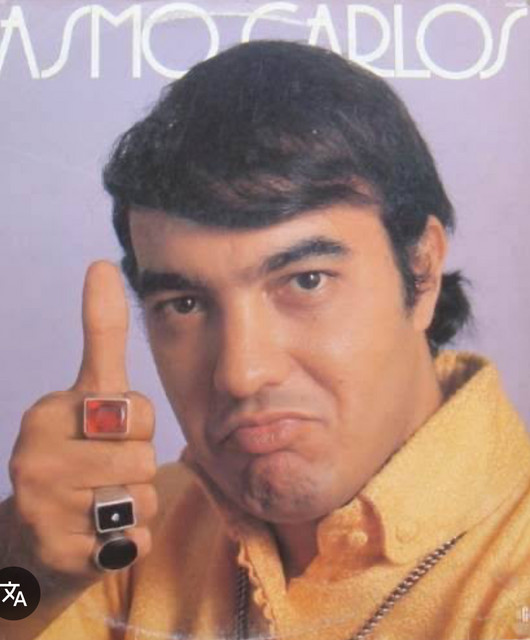
Erasmo Carlos
Gonzaguinha

Evinha
Djavan
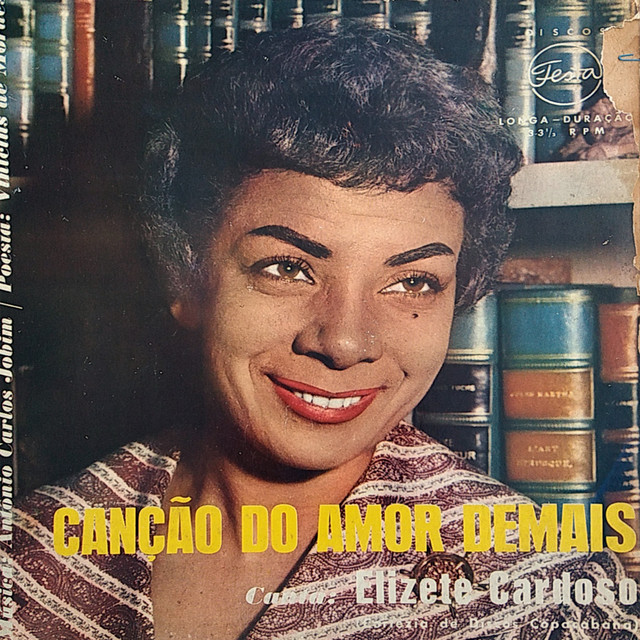
Elizeth Cardoso