Artist
Van Der Graaf Generator
Data may be outdated
Last updated: 1 month ago — Click refresh to get the latest statistics.
Despite the early involvement of Judge Smith and Peame, the group found true success as a vehicle for <a href="spotify:artist:7uBH52YnXUbJ0ssoyNqQTB">Hammill</a>, whose dark, existentialist lyrics made him the focus of considerable attention. After the release of the 1968 single "People You Were Going To," Judge Smith left Van der Graaf Generator, which by then consisted of <a href="spotify:artist:7uBH52YnXUbJ0ssoyNqQTB">Hammill</a>, keyboardist Hugh Banton, bassist Keith Ellis, and drummer Guy Evans. The group soon split, and in 1968 <a href="spotify:artist:7uBH52YnXUbJ0ssoyNqQTB">Hammill</a> entered the studio, ostensibly to record a solo album; however, he ultimately called in his ex-bandmates for assistance, and when The Aerosol Grey Machine appeared, it did so under the Van der Graaf Generator name.
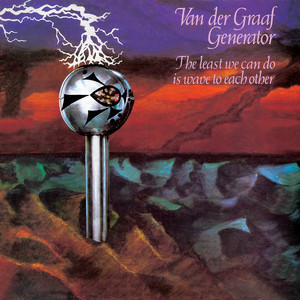
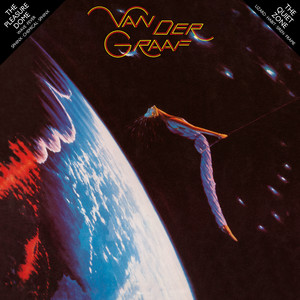
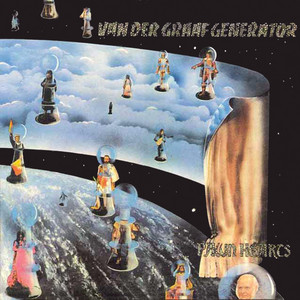
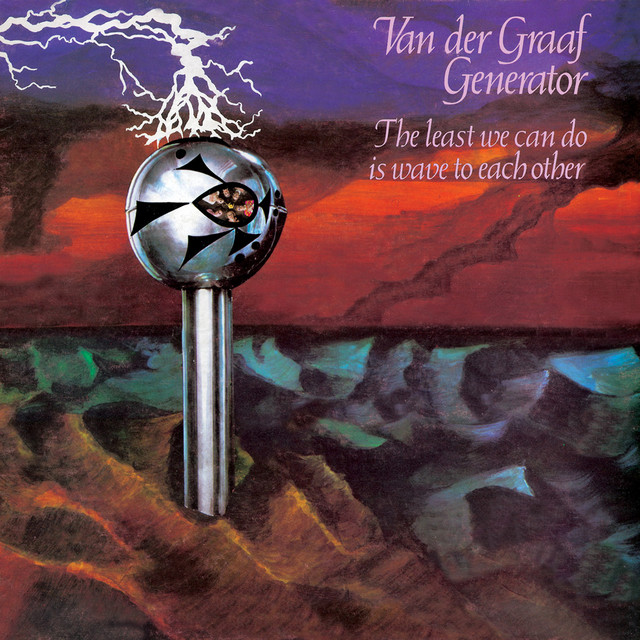
Although Ellis was replaced by <a href="spotify:artist:1OPKp3KnSPSFB9uqpfsnT6">Nic Potter</a> and woodwind player <a href="spotify:artist:7qiozhwvnBwz1t082JIBNV">David Jackson</a>, the reconstituted group continued on for 1969's Least We Can Do Is Wave to Each Other. After 1970's H to He, Who Am the Only One, <a href="spotify:artist:1OPKp3KnSPSFB9uqpfsnT6">Potter</a> departed; the Generator recorded one more LP, 1971's Pawn Hearts, before <a href="spotify:artist:7uBH52YnXUbJ0ssoyNqQTB">Hammill</a> left for a solo career, putting an end to the group. After five solo efforts, however, <a href="spotify:artist:7uBH52YnXUbJ0ssoyNqQTB">Hammill</a> again re-formed Van der Graaf Generator in 1975 for Godbluff. Following a pair of 1976 albums, Still Life and World Record, Banton and <a href="spotify:artist:7qiozhwvnBwz1t082JIBNV">Jackson</a> exited; as simply Van der Graaf, the band recorded The Quiet Zone with new violinist Graham Smith. After a 1978 live set, Vital, the group officially disbanded, although most members made appearances on <a href="spotify:artist:7uBH52YnXUbJ0ssoyNqQTB">Hammill</a>'s subsequent solo records.
Twice during the '90s, Van der Graaf reunited for one-off gigs, and in 2005 released a reunion album, Present. Without <a href="spotify:artist:7qiozhwvnBwz1t082JIBNV">Jackson</a>, the trio of <a href="spotify:artist:7uBH52YnXUbJ0ssoyNqQTB">Hammill</a>, Banton, and Evans recorded Trisector, which appeared in 2008. They appeared in concert frequently in 2009, and released another studio album, A Grounding in Numbers, in 2011. An album of studio jams and outtakes titled ALT followed a year later. The trio returned in 2016 with their 13th studio effort, Do Not Disturb. ~ Jason Ankeny, Rovi
Monthly Listeners
54,705
Monthly Listeners History
Track the evolution of monthly listeners over the last 28 days.
Followers
155,803
Followers History
Track the evolution of followers over the last 28 days.
Total Streams
25.9 million
Total Streams History
Track the evolution of total streams over the last 28 days. This data is calculated from all tracks listed in the artist's discography.
Top Cities




Related Artists
Fruupp
Andrew Latimer

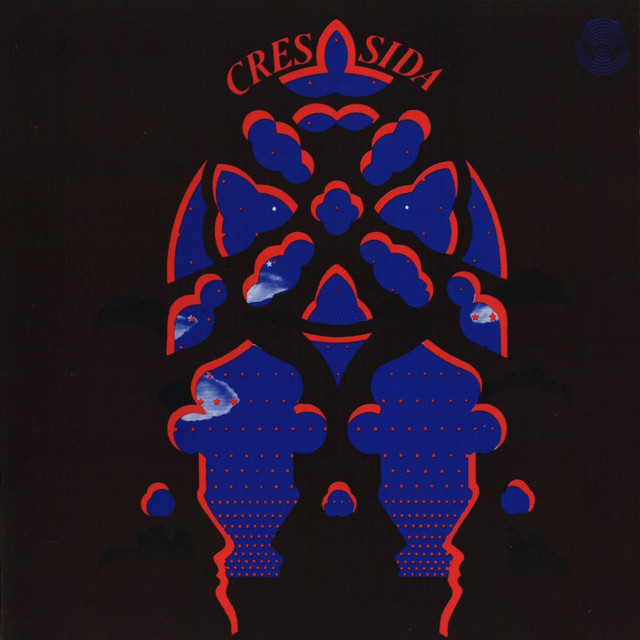
Cressida
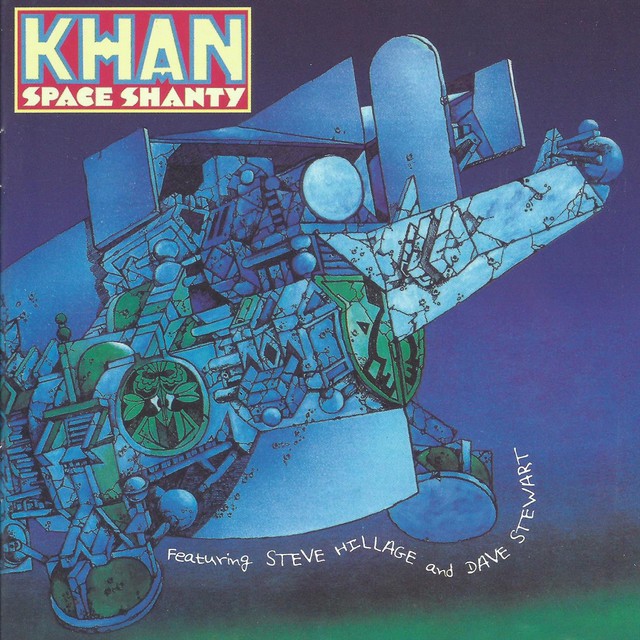
Khan
Andy Ward

Trace
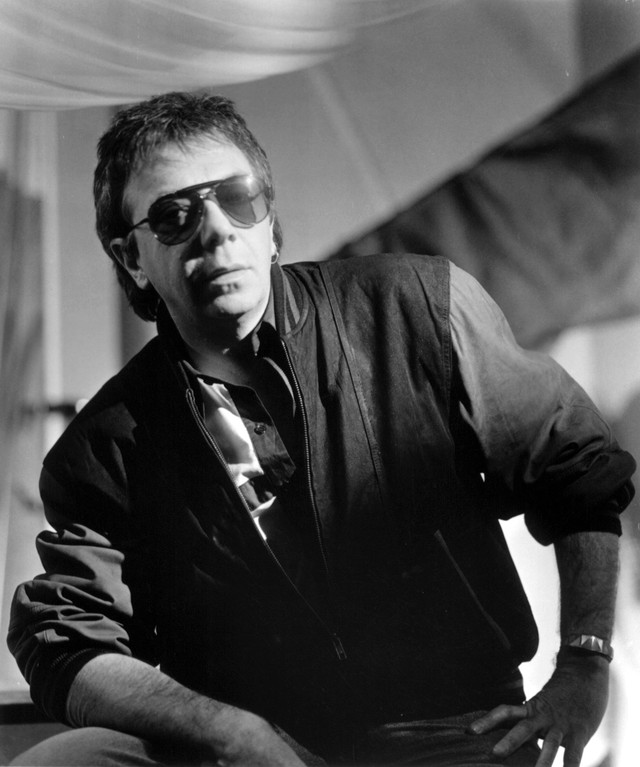
Peter Bardens
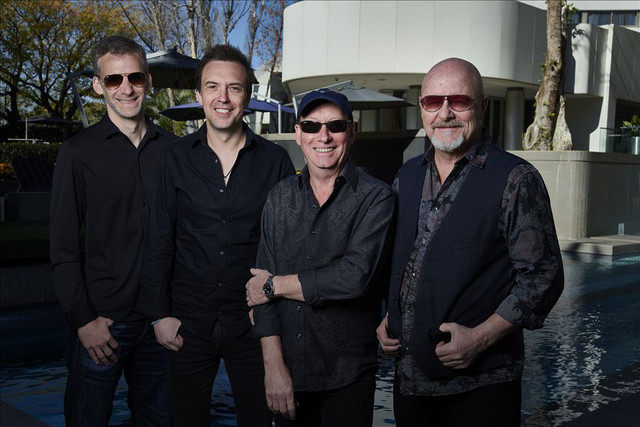
Quatermass