Data may be outdated
Last updated: 8 months ago — Click refresh to get the latest statistics.
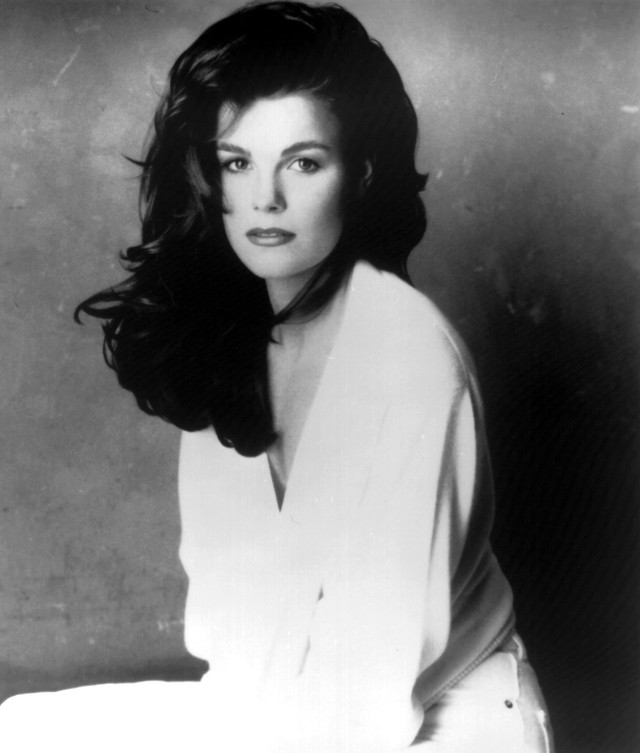
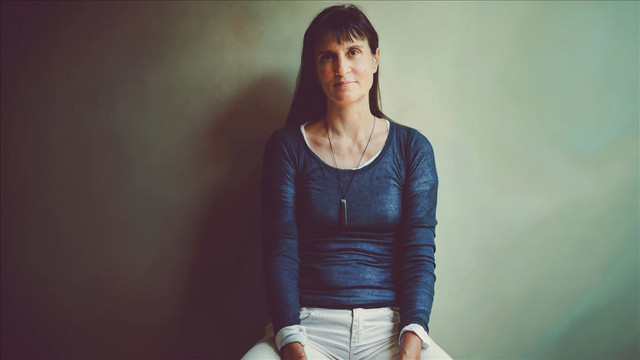
Viktoria Mullova is a violinist primarily known for her great virtuosity and a wide-ranging repertory that includes many crossover pieces. On the serious side, she has been praised for her interpretations of various solo works by <a href="spotify:artist:5aIqB5nVVvmFsvSdExz408">J.S. Bach</a>, including the partitas and sonatas, as well as her readings of concertos by <a href="spotify:artist:5wTAi7QkpP6kp8a54lmTOq">Brahms</a>, <a href="spotify:artist:4kHtgiRnpmFIV5Tm4BIs8l">Prokofiev</a> (No. 2), <a href="spotify:artist:6s1pCNXcbdtQJlsnM1hRIA">Shostakovich</a> (No. 1), and <a href="spotify:artist:7jzR5qj8vFnSu5JHaXgFEr">Sibelius</a>. Her forays into more popular realms have included pieces by <a href="spotify:artist:3WrFJ7ztbogyGnTHbHJFl2">the Beatles</a>, <a href="spotify:artist:0kbYTNQb4Pb1rPbbaF0pT4">Miles Davis</a>, and <a href="spotify:artist:4F7Q5NV6h5TSwCainz8S5A">Duke Ellington</a>. Over the years, Mullova has developed a reputation for her highly individual interpretations and for her ability to communicate with her concert audiences. She has also grown to favor historically correct instruments and practices.
Mullova was born on November 27, 1959, in Zhukovskiy, in the Moscow Oblast, then part of the Soviet Republic. She studied music at the Central Music School of Moscow, where her most important teacher was Volodar Bronin. She later studied with violin virtuoso <a href="spotify:artist:5sVuKUXC30NeoFEjQsNaGJ">Leonid Kogan</a> at the Moscow Conservatory. Mullova had a meteoric rise owing to spectacular wins at two major competitions: in 1980, she took first prize at the Jean Sibelius International Violin Competition, and two years later won the gold medal at the International Tchaikovsky Competition. The following year, she defected to the U.S. but eventually settled in England, where she lives with her husband, cellist <a href="spotify:artist:7H3B421x5YuTEeO0hLH7nd">Matthew Barley</a>.
In the 1980s, Mullova made a number of highly successful recordings for <a href="spotify:search:label%3A%22Philips%22">Philips</a>, including her first in 1985, with <a href="spotify:artist:0atCvjK2GL6ezQFGOQOYQo">Seiji Ozawa</a> and the <a href="spotify:artist:0K23lQ2hSQAlxSEeZ05bjI">Boston Symphony Orchestra</a>, which paired the Tchaikovsky and Sibelius concertos. She followed that success in 1988 with another containing the Prokofiev Second and Shostakovich First, with <a href="spotify:artist:2tfWguHr2nj4e8KXLKciVq">André Previn</a> and the <a href="spotify:artist:0MvSBMGRQJY3mRwIbJsqF1">Royal Philharmonic Orchestra</a>. By the end of that decade, she had appeared to great acclaim with many of the most important orchestras and conductors in the U.S., Europe, and East Asia.
In 1994, she founded the Mullova Chamber Ensemble, a group that quickly achieved international renown. After her marriage to <a href="spotify:artist:7H3B421x5YuTEeO0hLH7nd">Barley</a>, Mullova developed an interest, through him, in jazz and other popular styles of music. In 2000, taking inspiration from a series of popular music concerts she gave on tour, Mullova made a recording for <a href="spotify:search:label%3A%22Philips%22">Philips</a> entitled Through the Looking Glass, on which she performed music by <a href="spotify:artist:0kbYTNQb4Pb1rPbbaF0pT4">Davis</a>, <a href="spotify:artist:4F7Q5NV6h5TSwCainz8S5A">Ellington</a>, <a href="spotify:artist:7FIoB5PHdrMZVC3q2HE5MS">George Harrison</a>, and other non-classical figures. Moving to the <a href="spotify:search:label%3A%22Onyx%22">Onyx</a> label in 2005, Mullova has steadily continued to issue recordings; among these are Bach: Sonatas (2007) with <a href="spotify:artist:5CwK5oXgjqjjcU5JSo8200">Ottavio Dantone</a>, Peasant Girl (2011), and Music We Love (2020) with her son, bassist <a href="spotify:artist:3OSYVINCz3vaPYV4DhvSS7">Misha Mullov-Abbado</a>. In 2022, Mullova moved to the <a href="spotify:search:label%3A%22Signum+Classics%22">Signum Classics</a> label for a historical-instrument reading of music by Schubert, with <a href="spotify:artist:2E3fERoPtQRVvs5gfbxPmK">Alasdair Beatson</a>, who has become a regular collaborator, on fortepiano. Mullova performs on the "Jules Falk" Stradivarius from 1723 and a 1750 Guadagnini violin. ~ Robert Cummings & Keith Finke, Rovi
Mullova was born on November 27, 1959, in Zhukovskiy, in the Moscow Oblast, then part of the Soviet Republic. She studied music at the Central Music School of Moscow, where her most important teacher was Volodar Bronin. She later studied with violin virtuoso <a href="spotify:artist:5sVuKUXC30NeoFEjQsNaGJ">Leonid Kogan</a> at the Moscow Conservatory. Mullova had a meteoric rise owing to spectacular wins at two major competitions: in 1980, she took first prize at the Jean Sibelius International Violin Competition, and two years later won the gold medal at the International Tchaikovsky Competition. The following year, she defected to the U.S. but eventually settled in England, where she lives with her husband, cellist <a href="spotify:artist:7H3B421x5YuTEeO0hLH7nd">Matthew Barley</a>.
In the 1980s, Mullova made a number of highly successful recordings for <a href="spotify:search:label%3A%22Philips%22">Philips</a>, including her first in 1985, with <a href="spotify:artist:0atCvjK2GL6ezQFGOQOYQo">Seiji Ozawa</a> and the <a href="spotify:artist:0K23lQ2hSQAlxSEeZ05bjI">Boston Symphony Orchestra</a>, which paired the Tchaikovsky and Sibelius concertos. She followed that success in 1988 with another containing the Prokofiev Second and Shostakovich First, with <a href="spotify:artist:2tfWguHr2nj4e8KXLKciVq">André Previn</a> and the <a href="spotify:artist:0MvSBMGRQJY3mRwIbJsqF1">Royal Philharmonic Orchestra</a>. By the end of that decade, she had appeared to great acclaim with many of the most important orchestras and conductors in the U.S., Europe, and East Asia.
In 1994, she founded the Mullova Chamber Ensemble, a group that quickly achieved international renown. After her marriage to <a href="spotify:artist:7H3B421x5YuTEeO0hLH7nd">Barley</a>, Mullova developed an interest, through him, in jazz and other popular styles of music. In 2000, taking inspiration from a series of popular music concerts she gave on tour, Mullova made a recording for <a href="spotify:search:label%3A%22Philips%22">Philips</a> entitled Through the Looking Glass, on which she performed music by <a href="spotify:artist:0kbYTNQb4Pb1rPbbaF0pT4">Davis</a>, <a href="spotify:artist:4F7Q5NV6h5TSwCainz8S5A">Ellington</a>, <a href="spotify:artist:7FIoB5PHdrMZVC3q2HE5MS">George Harrison</a>, and other non-classical figures. Moving to the <a href="spotify:search:label%3A%22Onyx%22">Onyx</a> label in 2005, Mullova has steadily continued to issue recordings; among these are Bach: Sonatas (2007) with <a href="spotify:artist:5CwK5oXgjqjjcU5JSo8200">Ottavio Dantone</a>, Peasant Girl (2011), and Music We Love (2020) with her son, bassist <a href="spotify:artist:3OSYVINCz3vaPYV4DhvSS7">Misha Mullov-Abbado</a>. In 2022, Mullova moved to the <a href="spotify:search:label%3A%22Signum+Classics%22">Signum Classics</a> label for a historical-instrument reading of music by Schubert, with <a href="spotify:artist:2E3fERoPtQRVvs5gfbxPmK">Alasdair Beatson</a>, who has become a regular collaborator, on fortepiano. Mullova performs on the "Jules Falk" Stradivarius from 1723 and a 1750 Guadagnini violin. ~ Robert Cummings & Keith Finke, Rovi
Monthly Listeners
69,661
Monthly Listeners History
Track the evolution of monthly listeners over the last 28 days.
Followers
10,121
Followers History
Track the evolution of followers over the last 28 days.
Top Cities
1,868 listeners

1,236 listeners

763 listeners

757 listeners

710 listeners

Related Artists
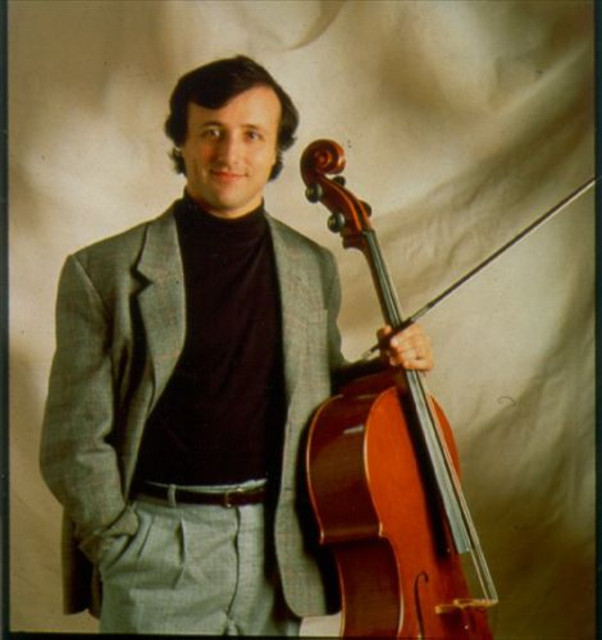

Stefan Schilli



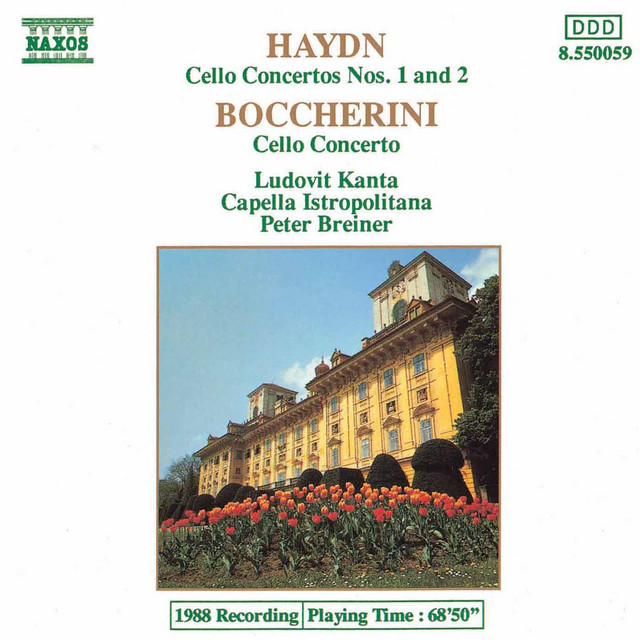


L'Arte dell' Arco




Ladislav Kyselák

Stephan Schardt
Bath Festival Orchestra
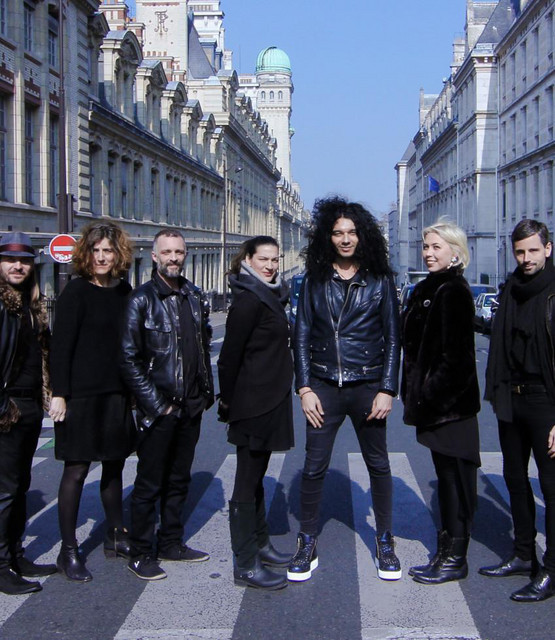
Double Sens


Igor Oistrakh

Erick Friedman