Data may be outdated
Last updated: 9 months ago — Click refresh to get the latest statistics.
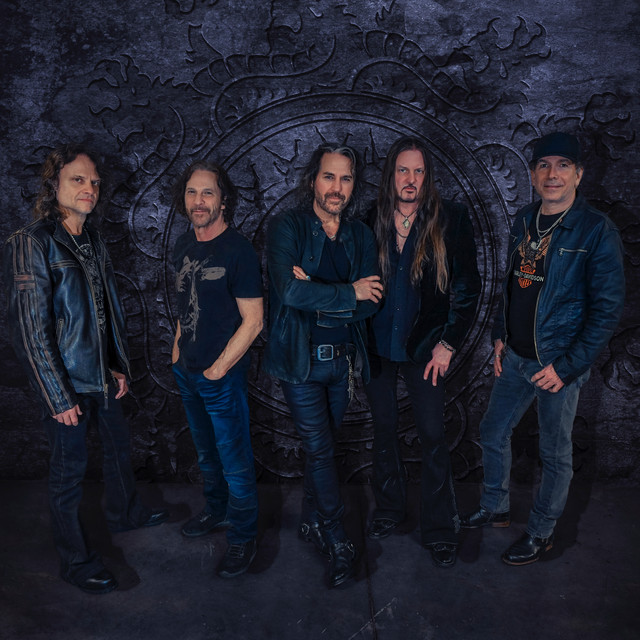
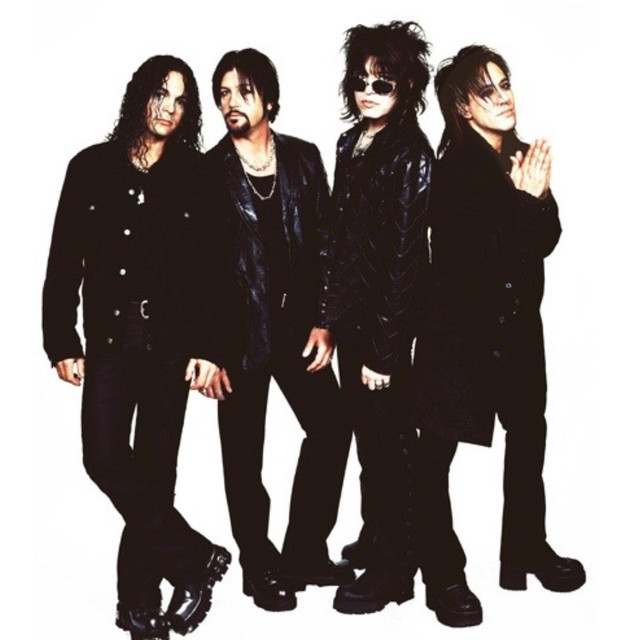
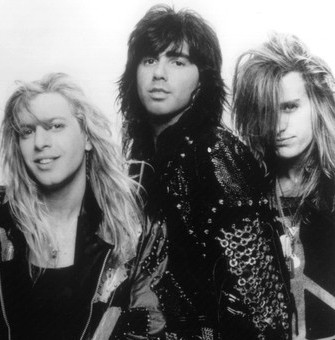
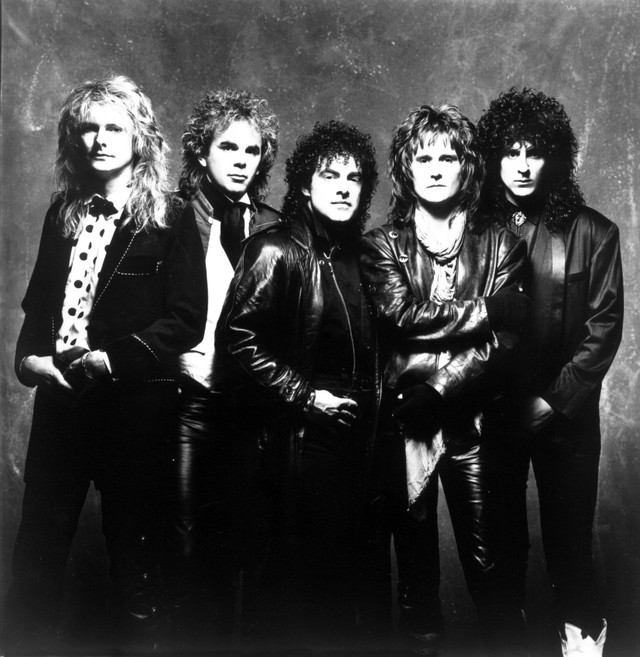
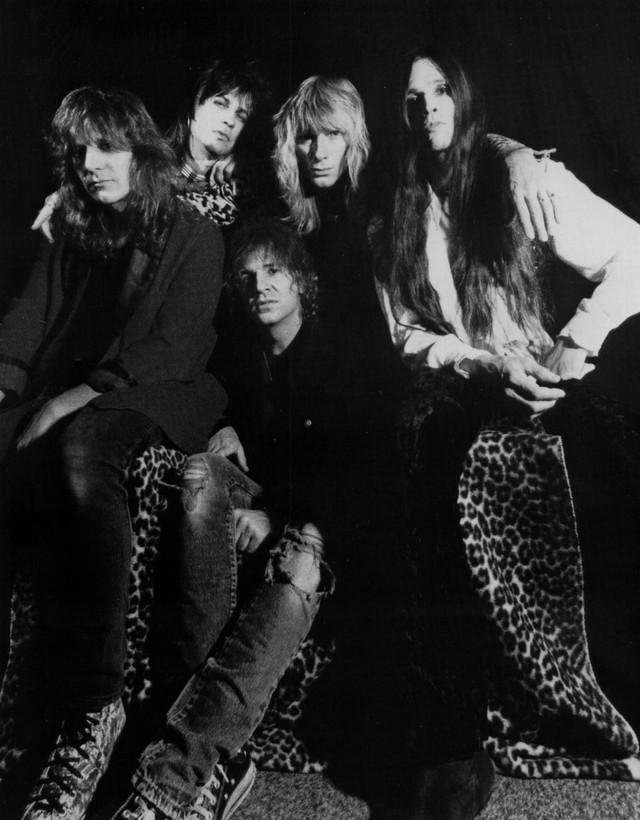
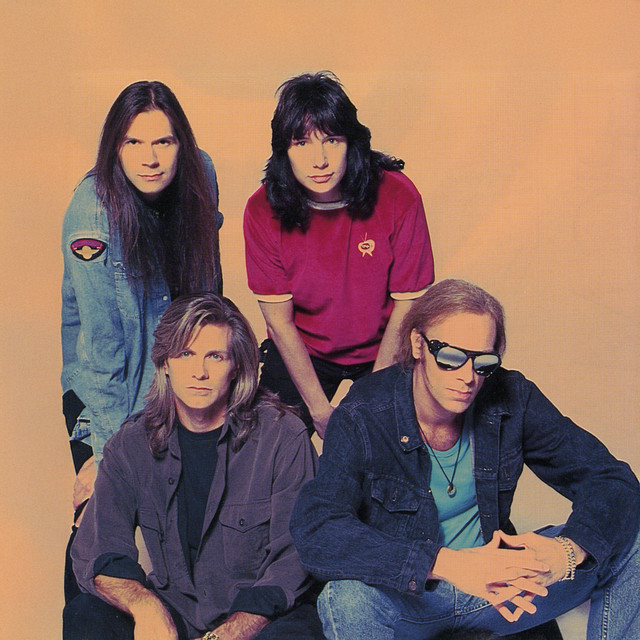
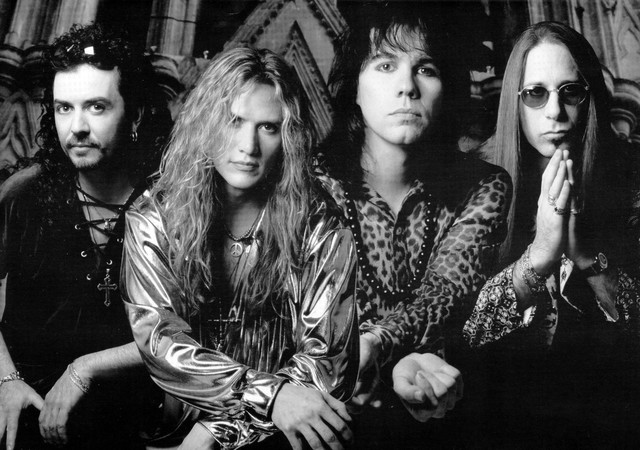
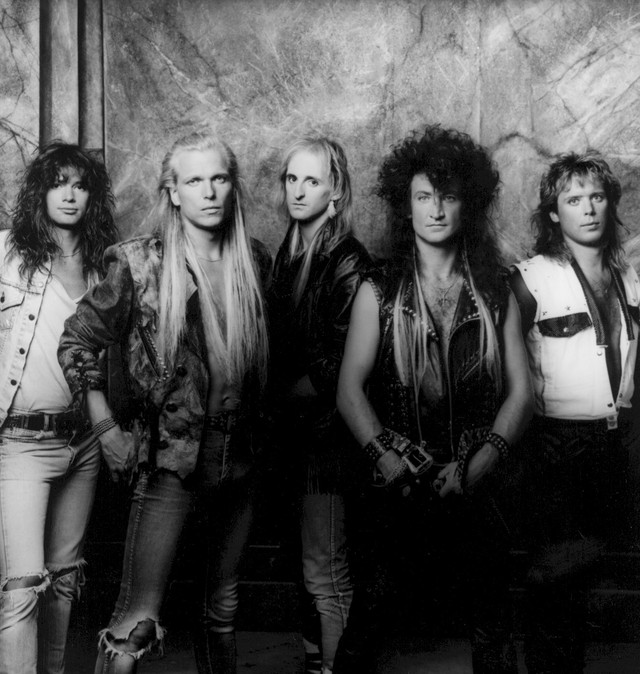
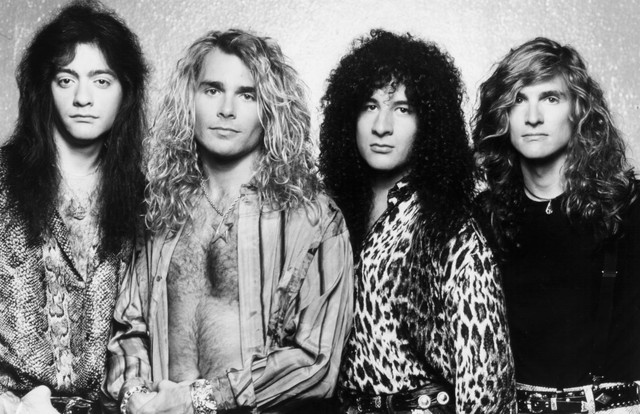
Of all the glam/pop-metal bands that crawled out of hair salons coast to coast during the mid- to late '80s, one of the more talented acts was New York's White Lion, led by singer <a href="spotify:artist:3ojfFAJO1If7IbumBpVlmq">Mike Tramp</a> (originally from Denmark) and guitarist Vito Bratta. The group originally formed in 1983 and despite several bassists and drummers coming and going (including future <a href="spotify:artist:5M52tdBnJaKSvOpJGz8mfZ">Black Sabbath</a> and <a href="spotify:artist:6ZPbX2Lxd40e2UVkXpyxvI">Great White</a> bass player Dave Spitz), the group managed to issue a debut, Fight to Survive, on the independent metal label Grand Slamm in 1984. With <a href="spotify:artist:3ojfFAJO1If7IbumBpVlmq">Tramp</a>'s pinup good looks and Bratta's Eddie Van Halen-esque six-string work, the group seemed destined for success (especially with such similarly styled outfits as <a href="spotify:artist:0cc6vw3VN8YlIcvr1v7tBL">Mötley Crüe</a> and <a href="spotify:artist:3tufWJzpCiAGleBt5TkmTn">Ratt</a> storming the charts), but it would be several years before their next album would appear. Finally finding the right rhythm section (bassist James LoMenzo and former <a href="spotify:artist:3JysSUOyfVs1UQ0UaESheP">Anthrax</a> drummer Greg d'Angelo), White Lion inked a major-label recording contract with Atlantic, issuing Pride in 1987.
The album took a while to catch on, but when MTV latched onto the quartet's melodic rocker "Wait," the floodgates opened for the band and Pride raced up the charts. Landing prime tour opening slots with the likes of <a href="spotify:artist:711MCceyCBcFnzjGY4Q7Un">AC/DC</a>, <a href="spotify:artist:7Ey4PD4MYsKc5I2dolUwbH">Aerosmith</a>, and <a href="spotify:artist:6ZLTlhejhndI4Rh53vYhrY">Ozzy Osbourne</a> didn't hurt matters either and the group toured for the better part of 1988, resulting in Pride holding steady on the charts. But it was more than a year after the album's release that White Lion enjoyed their biggest success, with the gentle acoustic ballad "When the Children Cry," which would eventually push sales of Pride over the two million mark (in addition, Bratta was being recognized for his instrumental talents by racking up Best New Guitarist awards with several guitar-based magazines). But like numerous other young bands that enjoy big-time success early on in their career, White Lion felt the pressure to deliver once more on their follow-up recording, which they decided to write and record directly after coming off tour rather than taking time off to re-focus.
The decision would ultimately prove to be a detrimental one for White Lion, as proven by the lackluster chart performance of 1989's Big Game. Although the album spawned a pair of videos that racked up substantial MTV airplay (the Greenpeace tribute "Little Fighter" and a cover version of <a href="spotify:artist:1iTlOqIrZy8DlvCPJY2sjS">Golden Earring</a>'s classic rock standard "Radar Love"), Big Game stalled on the charts and quickly faded away after being certified gold shortly after release. Down but not out, White Lion regrouped for 1991's Mane Attraction, which saw the group slightly toughen up their sound on such tracks as the politically charged "Warsong." But with hair metal's audience quickly drying up (and such Seattle bands as <a href="spotify:artist:6olE6TJLqED3rqDCT0FyPh">Nirvana</a> and <a href="spotify:artist:5xUf6j4upBrXZPg6AI4MRK">Soundgarden</a> waiting in the wings), the album fared even worse than its predecessor. To add insult to injury, both LoMenzo and d'Angelo left the band shortly thereafter, replaced with newcomers Tommy "T-Bone" Caradonna on bass and future <a href="spotify:artist:1Yox196W7bzVNZI7RBaPnf">Megadeth</a> member Jimmy DeGrasso on drums. But before the new lineup could record, <a href="spotify:artist:3ojfFAJO1If7IbumBpVlmq">Tramp</a> and Bratta came to the realization that their best days were behind them and quietly laid White Lion to rest.
After White Lion's split, both Lomenzo and D'Angelo reappeared in <a href="spotify:artist:60S1OdBXBk4cCMbOxL2TqX">Pride & Glory</a>, a Southern rock outfit headed by <a href="spotify:artist:6ZLTlhejhndI4Rh53vYhrY">Ozzy Osbourne</a>'s guitarist, <a href="spotify:artist:1AeC9AuzqGc3IXMC2T5xny">Zakk Wylde</a> (although D'Angelo would exit the group before their self-titled 1994 release was recorded). Despite all the accolades he received for his playing, Bratta failed to resurface after the group's breakup. Meanwhile, <a href="spotify:artist:3ojfFAJO1If7IbumBpVlmq">Tramp</a> released several hard rock albums with Freak of Nature and later issued a solo effort, Capricorn, before reforming White Lion in 1999. The band's lineup was markedly different, however, with <a href="spotify:artist:3ojfFAJO1If7IbumBpVlmq">Tramp</a> serving as the only original member. A live album was issued in 2005, and White Lion presented its first batch of original material in seventeen years, Return of Pride, in 2008. ~ Greg Prato, Rovi
The album took a while to catch on, but when MTV latched onto the quartet's melodic rocker "Wait," the floodgates opened for the band and Pride raced up the charts. Landing prime tour opening slots with the likes of <a href="spotify:artist:711MCceyCBcFnzjGY4Q7Un">AC/DC</a>, <a href="spotify:artist:7Ey4PD4MYsKc5I2dolUwbH">Aerosmith</a>, and <a href="spotify:artist:6ZLTlhejhndI4Rh53vYhrY">Ozzy Osbourne</a> didn't hurt matters either and the group toured for the better part of 1988, resulting in Pride holding steady on the charts. But it was more than a year after the album's release that White Lion enjoyed their biggest success, with the gentle acoustic ballad "When the Children Cry," which would eventually push sales of Pride over the two million mark (in addition, Bratta was being recognized for his instrumental talents by racking up Best New Guitarist awards with several guitar-based magazines). But like numerous other young bands that enjoy big-time success early on in their career, White Lion felt the pressure to deliver once more on their follow-up recording, which they decided to write and record directly after coming off tour rather than taking time off to re-focus.
The decision would ultimately prove to be a detrimental one for White Lion, as proven by the lackluster chart performance of 1989's Big Game. Although the album spawned a pair of videos that racked up substantial MTV airplay (the Greenpeace tribute "Little Fighter" and a cover version of <a href="spotify:artist:1iTlOqIrZy8DlvCPJY2sjS">Golden Earring</a>'s classic rock standard "Radar Love"), Big Game stalled on the charts and quickly faded away after being certified gold shortly after release. Down but not out, White Lion regrouped for 1991's Mane Attraction, which saw the group slightly toughen up their sound on such tracks as the politically charged "Warsong." But with hair metal's audience quickly drying up (and such Seattle bands as <a href="spotify:artist:6olE6TJLqED3rqDCT0FyPh">Nirvana</a> and <a href="spotify:artist:5xUf6j4upBrXZPg6AI4MRK">Soundgarden</a> waiting in the wings), the album fared even worse than its predecessor. To add insult to injury, both LoMenzo and d'Angelo left the band shortly thereafter, replaced with newcomers Tommy "T-Bone" Caradonna on bass and future <a href="spotify:artist:1Yox196W7bzVNZI7RBaPnf">Megadeth</a> member Jimmy DeGrasso on drums. But before the new lineup could record, <a href="spotify:artist:3ojfFAJO1If7IbumBpVlmq">Tramp</a> and Bratta came to the realization that their best days were behind them and quietly laid White Lion to rest.
After White Lion's split, both Lomenzo and D'Angelo reappeared in <a href="spotify:artist:60S1OdBXBk4cCMbOxL2TqX">Pride & Glory</a>, a Southern rock outfit headed by <a href="spotify:artist:6ZLTlhejhndI4Rh53vYhrY">Ozzy Osbourne</a>'s guitarist, <a href="spotify:artist:1AeC9AuzqGc3IXMC2T5xny">Zakk Wylde</a> (although D'Angelo would exit the group before their self-titled 1994 release was recorded). Despite all the accolades he received for his playing, Bratta failed to resurface after the group's breakup. Meanwhile, <a href="spotify:artist:3ojfFAJO1If7IbumBpVlmq">Tramp</a> released several hard rock albums with Freak of Nature and later issued a solo effort, Capricorn, before reforming White Lion in 1999. The band's lineup was markedly different, however, with <a href="spotify:artist:3ojfFAJO1If7IbumBpVlmq">Tramp</a> serving as the only original member. A live album was issued in 2005, and White Lion presented its first batch of original material in seventeen years, Return of Pride, in 2008. ~ Greg Prato, Rovi
Monthly Listeners
1.4 million
Monthly Listeners History
Track the evolution of monthly listeners over the last 28 days.
Followers
961,309
Followers History
Track the evolution of followers over the last 28 days.
Top Cities
71,937 listeners

49,926 listeners

46,333 listeners
41,404 listeners
34,722 listeners