
Last updated: 1 hour ago
An English hard rock institution founded by former <a href="spotify:artist:568ZhdwyaiCyOGJRtNYhWf">Deep Purple</a> vocalist <a href="spotify:artist:2t5vvfFf3UdW0pJa7bz7i1">David Coverdale</a>, Whitesnake emerged in the late 1970s with a style steeped in the driving British blues-rock of bands like <a href="spotify:artist:6biWAmrHyiMkX49LkycGqQ">Thin Lizzy</a>, <a href="spotify:artist:36QJpDe2go2KgaRleHCDTp">Led Zeppelin</a>, and of course, <a href="spotify:artist:568ZhdwyaiCyOGJRtNYhWf">Deep Purple</a>. After recalibrating their sound to better adapt to the burgeoning '80s hair and pop-metal scene, they found commercial success with 1984's Slide It In and then cannonballed into the mainstream in 1987 with the release of their multi-platinum-selling eponymous seventh effort, which spawned the power ballad "Is This Love" and the massive crossover number one hit "Here I Go Again." Whitesnake weathered the onslaught of grunge and alternative rock for as long as they could but eventually ceased operations in the early '90s. A one-off studio album, Restless Heart, appeared in 1997, but the group didn't officially re-form until 2002. Since then, <a href="spotify:artist:2t5vvfFf3UdW0pJa7bz7i1">Coverdale</a> and company have released a string of well-received studio albums, including 2008's Good to Be Bad and 2011's Forevermore; the former hit number seven on the U.K. Albums Chart. In 2019, they celebrated their <a href="spotify:artist:568ZhdwyaiCyOGJRtNYhWf">Deep Purple</a> roots with the covers-based The Purple Album and again cracked the U.K. Top Ten with 2019's Flesh & Blood. They also released a trilogy of retrospective anthologies, 2020's Love Songs, 2020's The Rock Album, and 2021's The Blues Album, detailing their legacy at the nexus of commercial hard rock, pop, and heavy metal.
Yorkshire native <a href="spotify:artist:2t5vvfFf3UdW0pJa7bz7i1">David Coverdale</a> honed his powerful vocals in local groups in the late '60s and early '70s, so when he saw that <a href="spotify:artist:568ZhdwyaiCyOGJRtNYhWf">Deep Purple</a> was looking for a replacement for the recently departed Ian Gillian, he jumped at the chance to audition. He officially joined the band in 1973 and made his first studio appearance on the group's gold-selling 1974 effort Burn. He stayed on for two more albums, Stormbringer (1974) and Come Taste the Band (1975), the latter of which marked the beginning of an eight-year hiatus for the group and the dawn of a new era for <a href="spotify:artist:2t5vvfFf3UdW0pJa7bz7i1">Coverdale</a>.
In 1977, he released his debut solo effort, White Snake, with Northwinds arriving the following year. Both LPs featured a core backing group consisting of <a href="spotify:artist:30ro2xBH679HKwtwm2j2EH">Mick Moody</a> (guitar), <a href="spotify:artist:677DC3rdbnijHQV1dg4j6c">Bernie Marsden</a> (guitar), <a href="spotify:artist:0n9GlXRDsFC1OQutjpiw81">Neil Murray</a> (bass), and Dave Dowle (drums) operating under the moniker The White Snake Band, which <a href="spotify:artist:2t5vvfFf3UdW0pJa7bz7i1">Coverdale</a> officially shortened to Whitesnake for the 1978 EP Snakebite. The EP featured a brooding cover version of <a href="spotify:artist:48nwxUvPJZkm8uPa7xMzmj">Bobby "Blue" Bland</a>'s "Ain't No Love in the Heart of the City," which became the newly minted group's first hit. Continuing in the blues-rock style of its predecessor, the full-length Trouble arrived later that year and saw <a href="spotify:artist:2t5vvfFf3UdW0pJa7bz7i1">Coverdale</a> reunite with former <a href="spotify:artist:568ZhdwyaiCyOGJRtNYhWf">Deep Purple</a> bandmate keyboardist <a href="spotify:artist:4ff6Uen2n24VIpFt1l10ek">Jon Lord</a>. 1979's Lovehunter courted controversy with its lurid cover art created by fantasy artist Chris Achilleos, but still managed to reach the number 29 slot on the U.K. Albums Charts. It also marked the end of the road for kitman Dave Dowle, who was replaced by another ex-<a href="spotify:artist:568ZhdwyaiCyOGJRtNYhWf">Deep Purple</a> member, <a href="spotify:artist:2gNdXbhyIbXHWvurrlrUAq">Ian Paice</a>; <a href="spotify:artist:2gNdXbhyIbXHWvurrlrUAq">Paice</a> made his studio debut on 1980's Ready an' Willing. The group's most successful effort to date, the LP peaked at number six in the U.K. and entered the U.S. Billboard Hot 100 on the strength of the fiery single "Fool for Your Loving." Fan favorite Come and Get It, released in 1981, brought Whitesnake even closer to the mainstream, securing the number two slot on the U.K. albums charts and finding favor with European audiences as well, but momentum stalled the following year while <a href="spotify:artist:2t5vvfFf3UdW0pJa7bz7i1">Coverdale</a> took some personal time off to look after his daughter, who was battling bacterial meningitis.
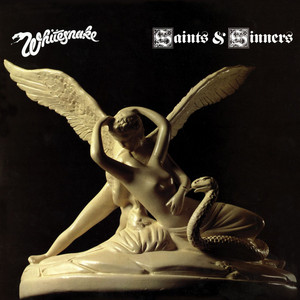
A new iteration of the group reconvened in 1982 and saw <a href="spotify:artist:677DC3rdbnijHQV1dg4j6c">Marsden</a>, <a href="spotify:artist:2gNdXbhyIbXHWvurrlrUAq">Paice</a>, and <a href="spotify:artist:0n9GlXRDsFC1OQutjpiw81">Murray</a> replaced by guitarist Mel Galley from <a href="spotify:artist:7b2jbuy6iMUbuvWrvoxnJW">Trapeze</a>, bassist <a href="spotify:artist:30dmzZ8VdeIanpYYQkhttc">Colin Hodgkinson</a>, and drummer <a href="spotify:artist:6jJkOaQBQsEBBqvavgdHQT">Cozy Powell</a>, all of whom appeared on that year's Saints & Sinners.. The album spawned the U.K. hits "Guilty of Love" and "Here I Go Again," the latter of which would find new life in 1987 when it was re-recorded for the band's eponymous seventh outing. Whitesnake beefed up their sound for 1984's Slide It In, which featured the hits "Slow an' Easy" and "Love Ain't No Stranger" and became their fourth Top Ten album in the U.K. It also found favor in the U.S. thanks to a more muscular remix by producer David Geffen and featuring guitarist <a href="spotify:artist:3ZZT5Z4TDnzZWq9SiYHS4P">John Sykes</a>, and would later go double-platinum following the massive success of the group's next LP.
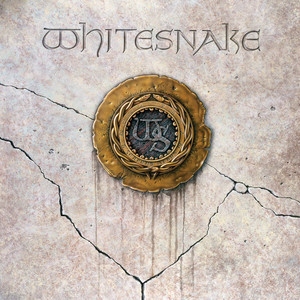
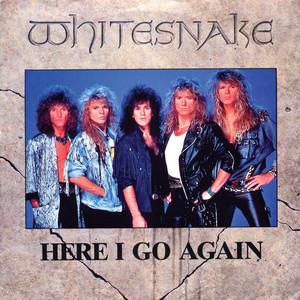
Having largely ignored the American market in the past, <a href="spotify:artist:2t5vvfFf3UdW0pJa7bz7i1">Coverdale</a> elected to relocate to the States, where he assembled a new version of the group that featured <a href="spotify:artist:3ZZT5Z4TDnzZWq9SiYHS4P">Sykes</a> on both rhythm and lead guitars, <a href="spotify:artist:0n9GlXRDsFC1OQutjpiw81">Murray</a>, drummer <a href="spotify:artist:133bGgO12lrbEtxRewzSeb">Aynsley Dunbar</a>, and keyboardist <a href="spotify:artist:58A1BPgenrcSWrJYIOnnbH">Don Airey</a> from the <a href="spotify:artist:6ZLTlhejhndI4Rh53vYhrY">Ozzy Osbourne</a> band and <a href="spotify:artist:6SLAMfhOi7UJI0fMztaK0m">Rainbow</a>. Applying ample amounts of studio sheen, the band emerged from the studio in 1987 with the career-defining Whitesnake, a commercial juggernaut that struck a balance between powerful rockers ("Here I Go Again," "Still of the Night") and sultry power ballads ("Is This Love"). The LP was certified eight-times-platinum in the U.S., with the singles and their accompanying videos becoming near-ubiquitous by the end of the year; they starred actress Tawny Kitaen (who was briefly married to <a href="spotify:artist:2t5vvfFf3UdW0pJa7bz7i1">Coverdale</a>) and featured guitarists <a href="spotify:artist:0pN3fiSPJet5OJLvc0uLC3">Vivian Campbell</a> and Adrian Vandenberg miming <a href="spotify:artist:3ZZT5Z4TDnzZWq9SiYHS4P">Sykes</a>' guitar parts; the latter, along with the rest of the band, had been fired prior to filming. Now arena headliners, Whitesnake headed into 1988 with a full head of steam, but creative differences led to the departure of <a href="spotify:artist:0pN3fiSPJet5OJLvc0uLC3">Vivian Campbell</a> and a serious wrist injury forced Adrian Vandenberg to step back for a time, leaving <a href="spotify:artist:2t5vvfFf3UdW0pJa7bz7i1">Coverdale</a> to once again assemble a new team. He managed to enlist <a href="spotify:artist:6ra4GIOgCZQZMOaUECftGN">Frank Zappa</a> and <a href="spotify:artist:0KyCXNSa7ZMb5LydfKbLG3">David Lee Roth</a> guitar phenom <a href="spotify:artist:32Jb1X3wSmmoHj2epZReZA">Steve Vai</a>, who along with a rehabilitated Vandenberg, made for a formidable six-string duo. Bolstered by the addition of bassist <a href="spotify:artist:0IhpUC8twbvOoVNttCPrRM">Rudy Sarzo</a> (<a href="spotify:artist:1dLWg6m8RRhizsdqJbhyj3">Quiet Riot</a>) and drummer <a href="spotify:artist:7GwohW7inji3ATpjgVHQik">Tommy Aldridge</a> (<a href="spotify:artist:6ZLTlhejhndI4Rh53vYhrY">Ozzy Osbourne</a>), the group released Slip of the Tongue in 1989, which reached platinum status and included the hits "The Deeper the Love" and a new version of "Fool for Your Loving." Upon completing the tour in support of the album, <a href="spotify:artist:2t5vvfFf3UdW0pJa7bz7i1">Coverdale</a> announced that Whitesnake had run its course, and that he would be taking a break from music. During this time, Vandenberg, <a href="spotify:artist:0IhpUC8twbvOoVNttCPrRM">Sarzo</a>, and <a href="spotify:artist:7GwohW7inji3ATpjgVHQik">Aldridge</a> formed a new group, Manic Eden, while <a href="spotify:artist:2t5vvfFf3UdW0pJa7bz7i1">Coverdale</a> began working with former <a href="spotify:artist:36QJpDe2go2KgaRleHCDTp">Led Zeppelin</a> guitarist <a href="spotify:artist:55bGuHb50r5c0PeqqMeNBV">Jimmy Page</a>, resulting in the 1993 release Coverdale-Page.
A new Whitesnake lineup emerged in 1994 to tour in support of a recently issued Greatest Hits LP, and in 1997 <a href="spotify:artist:2t5vvfFf3UdW0pJa7bz7i1">Coverdale</a> teamed up with Vandenberg for a solo effort, but the record company persuaded the pair to release the bluesy, R&B-based Restless Heart under the Whitesnake moniker. While on tour, <a href="spotify:artist:2t5vvfFf3UdW0pJa7bz7i1">Coverdale</a> and Vandenberg performed an intimate acoustic show in Japan that was later released as Starkers in Tokyo, but by the end of 1997, <a href="spotify:artist:2t5vvfFf3UdW0pJa7bz7i1">Coverdale</a> had once again put the band into hibernation, where it would stay for the next five years.
Whitesnake re-formed in 2003 as a touring entity to celebrate their 25th anniversary with a lineup consisting of <a href="spotify:artist:2t5vvfFf3UdW0pJa7bz7i1">Coverdale</a>, guitarists Doug Aldrich (<a href="spotify:artist:4CYeVo5iZbtYGBN4Isc3n6">Dio</a>) and <a href="spotify:artist:2LuXIdif5qpcb6kMHXCbaB">Reb Beach</a> (<a href="spotify:artist:2qQeKHrQJHLLbvDAOSO874">Winger</a>), bass player <a href="spotify:artist:7mnsWRY95TpZRGbiCh93Ob">Marco Mendoza</a>, drummer <a href="spotify:artist:7GwohW7inji3ATpjgVHQik">Tommy Aldridge</a>, and keyboard player Timothy Drury. In 2006 the band inked a deal with <a href="spotify:search:label%3A%22Steamhammer%2FSPV+Records%22">Steamhammer/SPV Records</a> and released a double-live LP, Live: In the Shadow of the Blues, with an all-new studio album Good to be Bad, arriving two years later, which swapped out <a href="spotify:artist:7mnsWRY95TpZRGbiCh93Ob">Mendoza</a> for bassist Uriah Duffy and <a href="spotify:artist:7GwohW7inji3ATpjgVHQik">Aldridge</a> for drummer Chris Frazier. Experiencing voice issues resulting from severe vocal-fold edema and a left vocal-fold vascular lesion, <a href="spotify:artist:2t5vvfFf3UdW0pJa7bz7i1">Coverdale</a> spent the next few years recuperating but returned in 2011 to helm the band's well-received 11th studio effort Forevermore, which was released via <a href="spotify:search:label%3A%22Frontiers%22">Frontiers</a>. 2015's The Purple Album saw the band re-record a set of <a href="spotify:artist:2t5vvfFf3UdW0pJa7bz7i1">Coverdale</a>-era <a href="spotify:artist:568ZhdwyaiCyOGJRtNYhWf">Deep Purple</a> songs. Digging deep into their recorded work, Whitesnake issued Unzipped in 2018, which collected rare and unreleased acoustic performances recorded over two decades. It was followed in early 2019 by the band's 13th long-player, Flesh & Blood, which hit number seven on the U.K. albums chart and cracked the Billboard 200. They also released a trilogy of themed retrospective anthologies comprising 2020's Love Songs, 2020's The Rock Album, and 2021's The Blues Album. ~ James Christopher Monger, Rovi
Yorkshire native <a href="spotify:artist:2t5vvfFf3UdW0pJa7bz7i1">David Coverdale</a> honed his powerful vocals in local groups in the late '60s and early '70s, so when he saw that <a href="spotify:artist:568ZhdwyaiCyOGJRtNYhWf">Deep Purple</a> was looking for a replacement for the recently departed Ian Gillian, he jumped at the chance to audition. He officially joined the band in 1973 and made his first studio appearance on the group's gold-selling 1974 effort Burn. He stayed on for two more albums, Stormbringer (1974) and Come Taste the Band (1975), the latter of which marked the beginning of an eight-year hiatus for the group and the dawn of a new era for <a href="spotify:artist:2t5vvfFf3UdW0pJa7bz7i1">Coverdale</a>.
In 1977, he released his debut solo effort, White Snake, with Northwinds arriving the following year. Both LPs featured a core backing group consisting of <a href="spotify:artist:30ro2xBH679HKwtwm2j2EH">Mick Moody</a> (guitar), <a href="spotify:artist:677DC3rdbnijHQV1dg4j6c">Bernie Marsden</a> (guitar), <a href="spotify:artist:0n9GlXRDsFC1OQutjpiw81">Neil Murray</a> (bass), and Dave Dowle (drums) operating under the moniker The White Snake Band, which <a href="spotify:artist:2t5vvfFf3UdW0pJa7bz7i1">Coverdale</a> officially shortened to Whitesnake for the 1978 EP Snakebite. The EP featured a brooding cover version of <a href="spotify:artist:48nwxUvPJZkm8uPa7xMzmj">Bobby "Blue" Bland</a>'s "Ain't No Love in the Heart of the City," which became the newly minted group's first hit. Continuing in the blues-rock style of its predecessor, the full-length Trouble arrived later that year and saw <a href="spotify:artist:2t5vvfFf3UdW0pJa7bz7i1">Coverdale</a> reunite with former <a href="spotify:artist:568ZhdwyaiCyOGJRtNYhWf">Deep Purple</a> bandmate keyboardist <a href="spotify:artist:4ff6Uen2n24VIpFt1l10ek">Jon Lord</a>. 1979's Lovehunter courted controversy with its lurid cover art created by fantasy artist Chris Achilleos, but still managed to reach the number 29 slot on the U.K. Albums Charts. It also marked the end of the road for kitman Dave Dowle, who was replaced by another ex-<a href="spotify:artist:568ZhdwyaiCyOGJRtNYhWf">Deep Purple</a> member, <a href="spotify:artist:2gNdXbhyIbXHWvurrlrUAq">Ian Paice</a>; <a href="spotify:artist:2gNdXbhyIbXHWvurrlrUAq">Paice</a> made his studio debut on 1980's Ready an' Willing. The group's most successful effort to date, the LP peaked at number six in the U.K. and entered the U.S. Billboard Hot 100 on the strength of the fiery single "Fool for Your Loving." Fan favorite Come and Get It, released in 1981, brought Whitesnake even closer to the mainstream, securing the number two slot on the U.K. albums charts and finding favor with European audiences as well, but momentum stalled the following year while <a href="spotify:artist:2t5vvfFf3UdW0pJa7bz7i1">Coverdale</a> took some personal time off to look after his daughter, who was battling bacterial meningitis.
A new iteration of the group reconvened in 1982 and saw <a href="spotify:artist:677DC3rdbnijHQV1dg4j6c">Marsden</a>, <a href="spotify:artist:2gNdXbhyIbXHWvurrlrUAq">Paice</a>, and <a href="spotify:artist:0n9GlXRDsFC1OQutjpiw81">Murray</a> replaced by guitarist Mel Galley from <a href="spotify:artist:7b2jbuy6iMUbuvWrvoxnJW">Trapeze</a>, bassist <a href="spotify:artist:30dmzZ8VdeIanpYYQkhttc">Colin Hodgkinson</a>, and drummer <a href="spotify:artist:6jJkOaQBQsEBBqvavgdHQT">Cozy Powell</a>, all of whom appeared on that year's Saints & Sinners.. The album spawned the U.K. hits "Guilty of Love" and "Here I Go Again," the latter of which would find new life in 1987 when it was re-recorded for the band's eponymous seventh outing. Whitesnake beefed up their sound for 1984's Slide It In, which featured the hits "Slow an' Easy" and "Love Ain't No Stranger" and became their fourth Top Ten album in the U.K. It also found favor in the U.S. thanks to a more muscular remix by producer David Geffen and featuring guitarist <a href="spotify:artist:3ZZT5Z4TDnzZWq9SiYHS4P">John Sykes</a>, and would later go double-platinum following the massive success of the group's next LP.
Having largely ignored the American market in the past, <a href="spotify:artist:2t5vvfFf3UdW0pJa7bz7i1">Coverdale</a> elected to relocate to the States, where he assembled a new version of the group that featured <a href="spotify:artist:3ZZT5Z4TDnzZWq9SiYHS4P">Sykes</a> on both rhythm and lead guitars, <a href="spotify:artist:0n9GlXRDsFC1OQutjpiw81">Murray</a>, drummer <a href="spotify:artist:133bGgO12lrbEtxRewzSeb">Aynsley Dunbar</a>, and keyboardist <a href="spotify:artist:58A1BPgenrcSWrJYIOnnbH">Don Airey</a> from the <a href="spotify:artist:6ZLTlhejhndI4Rh53vYhrY">Ozzy Osbourne</a> band and <a href="spotify:artist:6SLAMfhOi7UJI0fMztaK0m">Rainbow</a>. Applying ample amounts of studio sheen, the band emerged from the studio in 1987 with the career-defining Whitesnake, a commercial juggernaut that struck a balance between powerful rockers ("Here I Go Again," "Still of the Night") and sultry power ballads ("Is This Love"). The LP was certified eight-times-platinum in the U.S., with the singles and their accompanying videos becoming near-ubiquitous by the end of the year; they starred actress Tawny Kitaen (who was briefly married to <a href="spotify:artist:2t5vvfFf3UdW0pJa7bz7i1">Coverdale</a>) and featured guitarists <a href="spotify:artist:0pN3fiSPJet5OJLvc0uLC3">Vivian Campbell</a> and Adrian Vandenberg miming <a href="spotify:artist:3ZZT5Z4TDnzZWq9SiYHS4P">Sykes</a>' guitar parts; the latter, along with the rest of the band, had been fired prior to filming. Now arena headliners, Whitesnake headed into 1988 with a full head of steam, but creative differences led to the departure of <a href="spotify:artist:0pN3fiSPJet5OJLvc0uLC3">Vivian Campbell</a> and a serious wrist injury forced Adrian Vandenberg to step back for a time, leaving <a href="spotify:artist:2t5vvfFf3UdW0pJa7bz7i1">Coverdale</a> to once again assemble a new team. He managed to enlist <a href="spotify:artist:6ra4GIOgCZQZMOaUECftGN">Frank Zappa</a> and <a href="spotify:artist:0KyCXNSa7ZMb5LydfKbLG3">David Lee Roth</a> guitar phenom <a href="spotify:artist:32Jb1X3wSmmoHj2epZReZA">Steve Vai</a>, who along with a rehabilitated Vandenberg, made for a formidable six-string duo. Bolstered by the addition of bassist <a href="spotify:artist:0IhpUC8twbvOoVNttCPrRM">Rudy Sarzo</a> (<a href="spotify:artist:1dLWg6m8RRhizsdqJbhyj3">Quiet Riot</a>) and drummer <a href="spotify:artist:7GwohW7inji3ATpjgVHQik">Tommy Aldridge</a> (<a href="spotify:artist:6ZLTlhejhndI4Rh53vYhrY">Ozzy Osbourne</a>), the group released Slip of the Tongue in 1989, which reached platinum status and included the hits "The Deeper the Love" and a new version of "Fool for Your Loving." Upon completing the tour in support of the album, <a href="spotify:artist:2t5vvfFf3UdW0pJa7bz7i1">Coverdale</a> announced that Whitesnake had run its course, and that he would be taking a break from music. During this time, Vandenberg, <a href="spotify:artist:0IhpUC8twbvOoVNttCPrRM">Sarzo</a>, and <a href="spotify:artist:7GwohW7inji3ATpjgVHQik">Aldridge</a> formed a new group, Manic Eden, while <a href="spotify:artist:2t5vvfFf3UdW0pJa7bz7i1">Coverdale</a> began working with former <a href="spotify:artist:36QJpDe2go2KgaRleHCDTp">Led Zeppelin</a> guitarist <a href="spotify:artist:55bGuHb50r5c0PeqqMeNBV">Jimmy Page</a>, resulting in the 1993 release Coverdale-Page.
A new Whitesnake lineup emerged in 1994 to tour in support of a recently issued Greatest Hits LP, and in 1997 <a href="spotify:artist:2t5vvfFf3UdW0pJa7bz7i1">Coverdale</a> teamed up with Vandenberg for a solo effort, but the record company persuaded the pair to release the bluesy, R&B-based Restless Heart under the Whitesnake moniker. While on tour, <a href="spotify:artist:2t5vvfFf3UdW0pJa7bz7i1">Coverdale</a> and Vandenberg performed an intimate acoustic show in Japan that was later released as Starkers in Tokyo, but by the end of 1997, <a href="spotify:artist:2t5vvfFf3UdW0pJa7bz7i1">Coverdale</a> had once again put the band into hibernation, where it would stay for the next five years.
Whitesnake re-formed in 2003 as a touring entity to celebrate their 25th anniversary with a lineup consisting of <a href="spotify:artist:2t5vvfFf3UdW0pJa7bz7i1">Coverdale</a>, guitarists Doug Aldrich (<a href="spotify:artist:4CYeVo5iZbtYGBN4Isc3n6">Dio</a>) and <a href="spotify:artist:2LuXIdif5qpcb6kMHXCbaB">Reb Beach</a> (<a href="spotify:artist:2qQeKHrQJHLLbvDAOSO874">Winger</a>), bass player <a href="spotify:artist:7mnsWRY95TpZRGbiCh93Ob">Marco Mendoza</a>, drummer <a href="spotify:artist:7GwohW7inji3ATpjgVHQik">Tommy Aldridge</a>, and keyboard player Timothy Drury. In 2006 the band inked a deal with <a href="spotify:search:label%3A%22Steamhammer%2FSPV+Records%22">Steamhammer/SPV Records</a> and released a double-live LP, Live: In the Shadow of the Blues, with an all-new studio album Good to be Bad, arriving two years later, which swapped out <a href="spotify:artist:7mnsWRY95TpZRGbiCh93Ob">Mendoza</a> for bassist Uriah Duffy and <a href="spotify:artist:7GwohW7inji3ATpjgVHQik">Aldridge</a> for drummer Chris Frazier. Experiencing voice issues resulting from severe vocal-fold edema and a left vocal-fold vascular lesion, <a href="spotify:artist:2t5vvfFf3UdW0pJa7bz7i1">Coverdale</a> spent the next few years recuperating but returned in 2011 to helm the band's well-received 11th studio effort Forevermore, which was released via <a href="spotify:search:label%3A%22Frontiers%22">Frontiers</a>. 2015's The Purple Album saw the band re-record a set of <a href="spotify:artist:2t5vvfFf3UdW0pJa7bz7i1">Coverdale</a>-era <a href="spotify:artist:568ZhdwyaiCyOGJRtNYhWf">Deep Purple</a> songs. Digging deep into their recorded work, Whitesnake issued Unzipped in 2018, which collected rare and unreleased acoustic performances recorded over two decades. It was followed in early 2019 by the band's 13th long-player, Flesh & Blood, which hit number seven on the U.K. albums chart and cracked the Billboard 200. They also released a trilogy of themed retrospective anthologies comprising 2020's Love Songs, 2020's The Rock Album, and 2021's The Blues Album. ~ James Christopher Monger, Rovi
Monthly Listeners
6.7 million
Monthly Listeners History
Track the evolution of monthly listeners over the last 28 days.
Followers
3.6 million
Followers History
Track the evolution of followers over the last 28 days.
Total Streams
35,797
Total Streams History
Track the evolution of total streams over the last 28 days. This data is calculated from all tracks listed in the artist's discography.
Top Cities
142,501 listeners

142,673 listeners

81,585 listeners

85,230 listeners

131,018 listeners





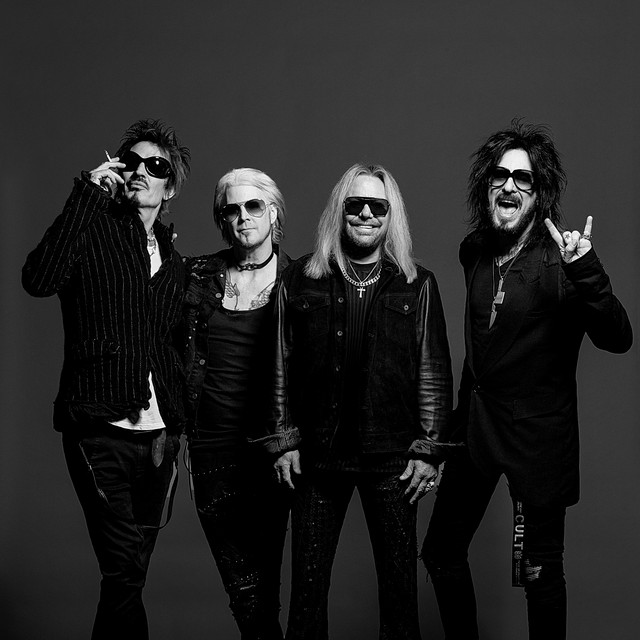
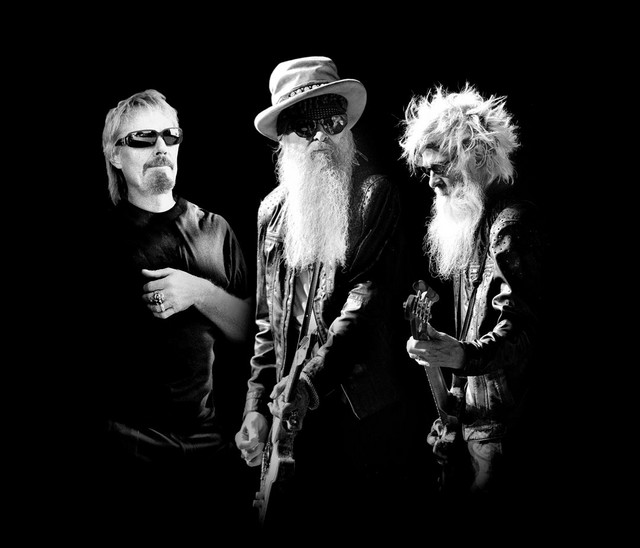
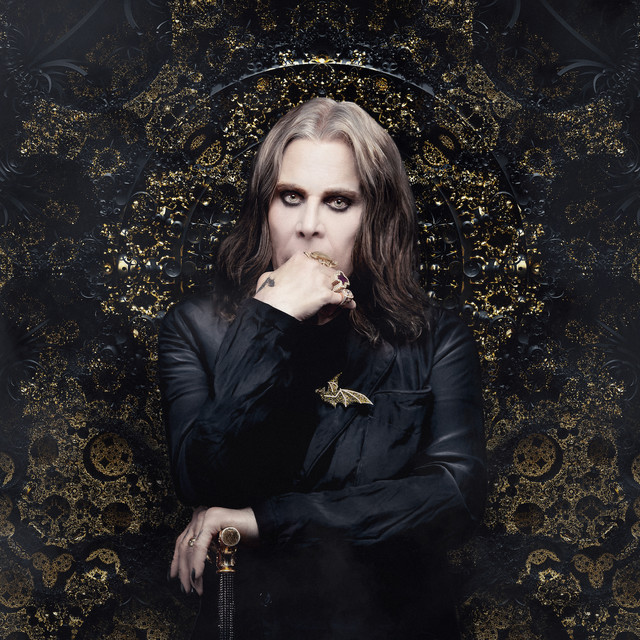









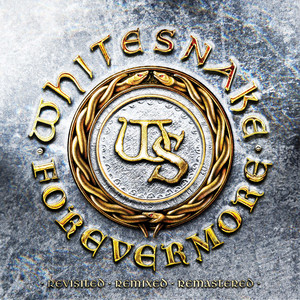
![Easier Said Than Done (Unzipped) [feat. The Hook City Strings] [2025 Remix]](https://i.scdn.co/image/ab67616d00001e02aa1bf9ba36ba2cdde4ecd955)


![Is This Love (Live at Loud Park Festival, Saitama Super Arena, Japan, 10/15/2011) [2025 Remaster]](https://i.scdn.co/image/ab67616d00001e0221bdd4bceaee2be1e572f1c1)
![Still Of The Night (Live at Hammersmith Apollo, London, 10/20/2004) [2025 Remaster]](https://i.scdn.co/image/ab67616d00001e0206862df7b1683d174a349960)
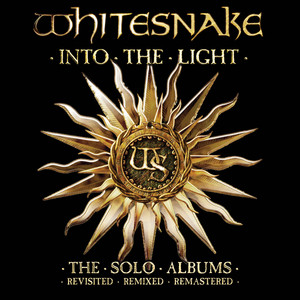
![Time & Again (Strings Version) [2024 Remix]](https://i.scdn.co/image/ab67616d00001e022d55d61b1c198ae413274eeb)
