Data may be outdated
Last updated: 9 months ago — Click refresh to get the latest statistics.
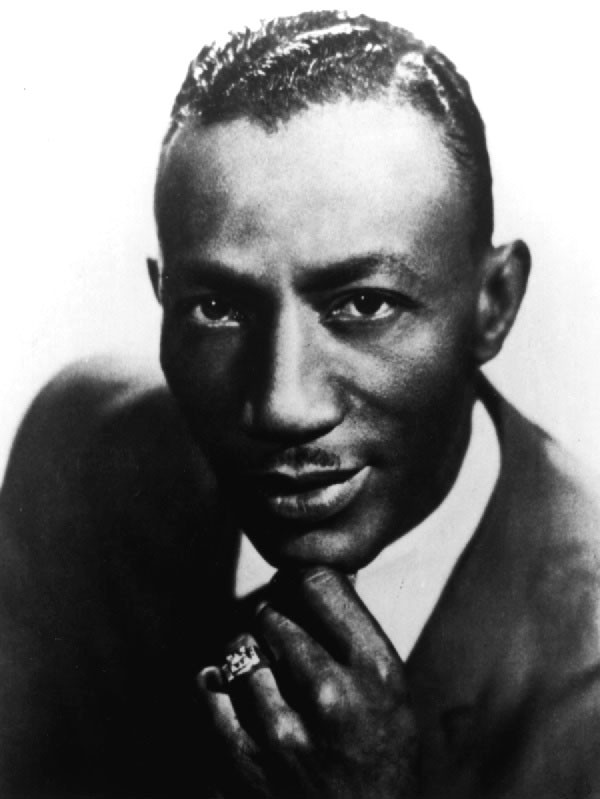
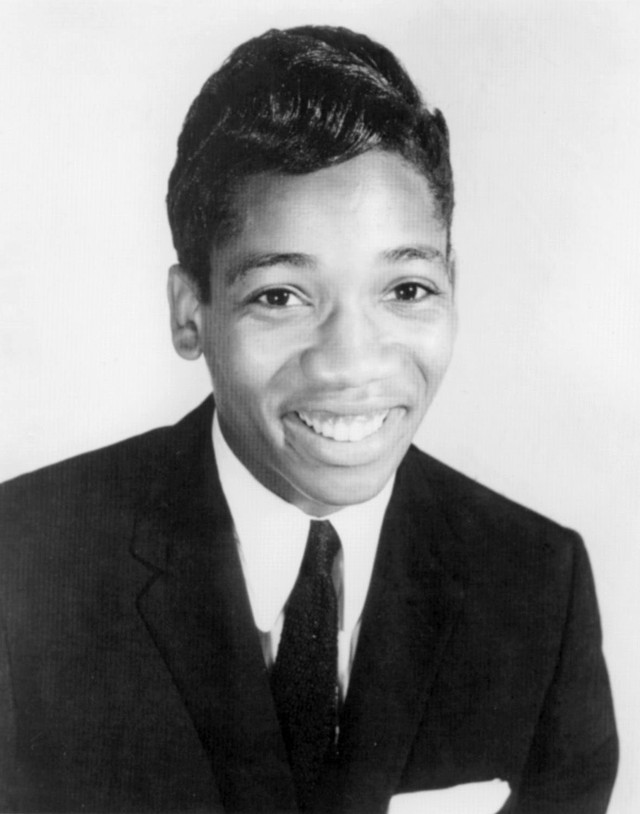
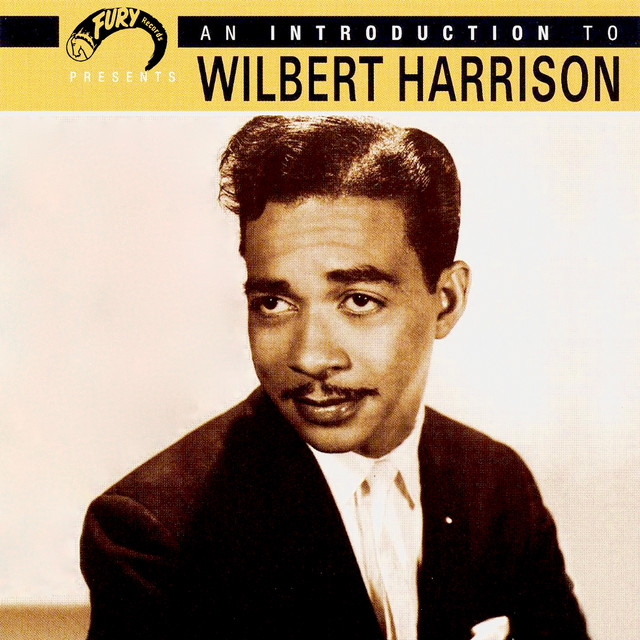
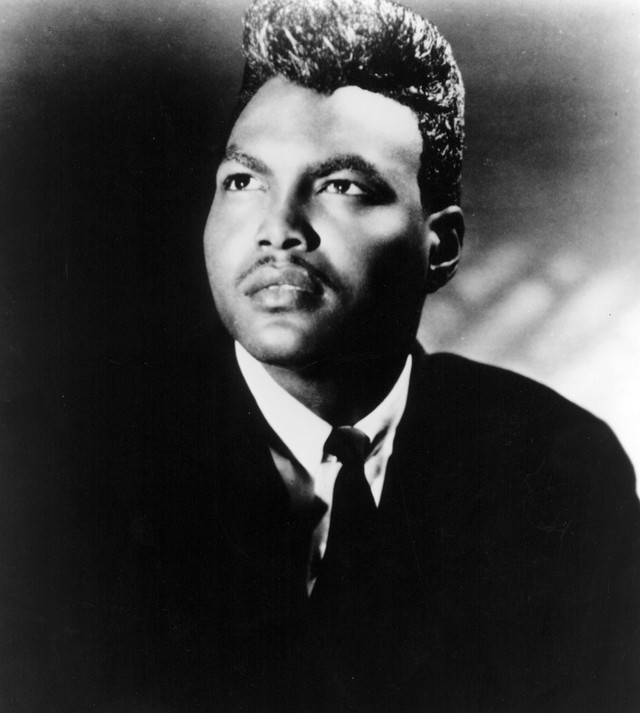
Perceived by casual oldies fans as a two-hit wonder (for his 1959 chart-topper "Kansas City" and a heartwarming "Let's Work Together" a full decade later), Wilbert Harrison actually left behind a varied body of work that blended an intriguing mélange of musical idioms into something quite distinctive.
Country and gospel strains filtered into Wilbert Harrison's consciousness as a youth in North Carolina. When he got out of the Navy in Miami around 1950, he began performing in a calypso-based style. Miami entrepreneur Henry Stone signed Harrison to his <a href="spotify:search:label%3A%22Rockin%27%22">Rockin'</a> logo in 1953; his debut single, "This Woman of Mine," utilized the very same melody as his later reading of "Kansas City" (the first rendition of the <a href="spotify:artist:3oL5CpaC5cBSVmERMXuV7d">Jerry Leiber</a>/<a href="spotify:artist:1wsgQOJMWtqd2GF0sGSRUm">Mike Stoller</a> composition by pianist <a href="spotify:artist:3I521QcatBDtLN7SEE8RuO">Little Willie Littlefield</a> came out in 1952, doubtless making an impression). Its flip, a country-tinged "Letter Edged in Black," exhibited Harrison's eclectic mindset.
After moving to Newark, New Jersey, Harrison wandered by the headquarters of <a href="spotify:search:label%3A%22Savoy+Records%22">Savoy Records</a> one fortuitous day and was snapped up by producer <a href="spotify:artist:3BD3gig3Pb6VYijHYOFOH5">Fred Mendelsohn</a>. Harrison recorded several sessions for <a href="spotify:search:label%3A%22Savoy%22">Savoy</a>, beginning with a catchy cover of <a href="spotify:artist:1Uau9U19q8OGbH2Q5DSe7v">Terry Fell</a>'s country tune "Don't Drop It." Top New York sessioneers -- arranger <a href="spotify:artist:0ifGlJ1glVggxjfr09d8z2">Leroy Kirkland</a>, saxist <a href="spotify:artist:6in2gxaco0MWJ9AOBAWCeC">Buddy Lucas</a> and guitarists <a href="spotify:artist:2PnyEnxPA8H95IhFEBu5u7">Mickey Baker</a> and <a href="spotify:artist:1sdyFmN4bVOcuFDpTVsxBB">Kenny Burrell</a> -- backed Harrison on his 1954-1956 <a href="spotify:search:label%3A%22Savoy%22">Savoy</a> output, but hits weren't forthcoming.
That changed instantly when Harrison waxed his driving "Kansas City" for Harlem entrepreneur Bobby Robinson in 1959. With a barbed-wire guitar solo by <a href="spotify:artist:4lxNyUHiwg8ZLrcnStFOHG">Wild Jimmy Spruill</a> igniting Harrison's no-frills piano and clenched vocal, "Kansas City" paced both the R&B and pop charts soon after its issue on <a href="spotify:search:label%3A%22Fury+Records%22">Fury Records</a> (not bad for a $40 session). Only one minor problem: Harrison was still technically under contract to <a href="spotify:search:label%3A%22Savoy%22">Savoy</a> (though label head Herman Lubinsky had literally run him out of his office some years earlier!), leading to all sorts of legal wrangles that finally went Robinson's way. Momentum for any <a href="spotify:search:label%3A%22Fury%22">Fury</a> follow-ups had been fatally blunted in the interim, despite fine attempts with "Cheatin' Baby," the sequel "Goodbye Kansas City," and "Let's Stick Together."
Harrison bounced from <a href="spotify:search:label%3A%22Neptune%22">Neptune</a> to Doc to <a href="spotify:search:label%3A%22Constellation%22">Constellation</a> to Port to Vest with little in the way of tangible rewards before unexpectedly making a comeback in 1969 with an infectious re-recording of his 1962 "Let's Stick Together" single under the title "Let's Work Together" for <a href="spotify:artist:3mroQUcO2Fz9ZWNFx6s6IO">Juggy Murray</a>'s <a href="spotify:search:label%3A%22Sue%22">Sue</a> imprint. The song proved a popular cover item -- <a href="spotify:artist:27a0GiCba9K9lnkKidroFU">Canned Heat</a> revived it shortly thereafter, and <a href="spotify:artist:5RNFFojXkPRmlJZIwXeKQC">Bryan Ferry</a> chimed in with his treatment of the original "Let's Stick Together" later on. Alas, it was an isolated happenstance -- apart from "My Heart Is Yours," a bottom-end chart entry on SSS International in 1971, no more hits were in Wilbert's future. But Harrison soldiered on, sometimes as a one-man band, for years to come. ~ Bill Dahl, Rovi
Country and gospel strains filtered into Wilbert Harrison's consciousness as a youth in North Carolina. When he got out of the Navy in Miami around 1950, he began performing in a calypso-based style. Miami entrepreneur Henry Stone signed Harrison to his <a href="spotify:search:label%3A%22Rockin%27%22">Rockin'</a> logo in 1953; his debut single, "This Woman of Mine," utilized the very same melody as his later reading of "Kansas City" (the first rendition of the <a href="spotify:artist:3oL5CpaC5cBSVmERMXuV7d">Jerry Leiber</a>/<a href="spotify:artist:1wsgQOJMWtqd2GF0sGSRUm">Mike Stoller</a> composition by pianist <a href="spotify:artist:3I521QcatBDtLN7SEE8RuO">Little Willie Littlefield</a> came out in 1952, doubtless making an impression). Its flip, a country-tinged "Letter Edged in Black," exhibited Harrison's eclectic mindset.
After moving to Newark, New Jersey, Harrison wandered by the headquarters of <a href="spotify:search:label%3A%22Savoy+Records%22">Savoy Records</a> one fortuitous day and was snapped up by producer <a href="spotify:artist:3BD3gig3Pb6VYijHYOFOH5">Fred Mendelsohn</a>. Harrison recorded several sessions for <a href="spotify:search:label%3A%22Savoy%22">Savoy</a>, beginning with a catchy cover of <a href="spotify:artist:1Uau9U19q8OGbH2Q5DSe7v">Terry Fell</a>'s country tune "Don't Drop It." Top New York sessioneers -- arranger <a href="spotify:artist:0ifGlJ1glVggxjfr09d8z2">Leroy Kirkland</a>, saxist <a href="spotify:artist:6in2gxaco0MWJ9AOBAWCeC">Buddy Lucas</a> and guitarists <a href="spotify:artist:2PnyEnxPA8H95IhFEBu5u7">Mickey Baker</a> and <a href="spotify:artist:1sdyFmN4bVOcuFDpTVsxBB">Kenny Burrell</a> -- backed Harrison on his 1954-1956 <a href="spotify:search:label%3A%22Savoy%22">Savoy</a> output, but hits weren't forthcoming.
That changed instantly when Harrison waxed his driving "Kansas City" for Harlem entrepreneur Bobby Robinson in 1959. With a barbed-wire guitar solo by <a href="spotify:artist:4lxNyUHiwg8ZLrcnStFOHG">Wild Jimmy Spruill</a> igniting Harrison's no-frills piano and clenched vocal, "Kansas City" paced both the R&B and pop charts soon after its issue on <a href="spotify:search:label%3A%22Fury+Records%22">Fury Records</a> (not bad for a $40 session). Only one minor problem: Harrison was still technically under contract to <a href="spotify:search:label%3A%22Savoy%22">Savoy</a> (though label head Herman Lubinsky had literally run him out of his office some years earlier!), leading to all sorts of legal wrangles that finally went Robinson's way. Momentum for any <a href="spotify:search:label%3A%22Fury%22">Fury</a> follow-ups had been fatally blunted in the interim, despite fine attempts with "Cheatin' Baby," the sequel "Goodbye Kansas City," and "Let's Stick Together."
Harrison bounced from <a href="spotify:search:label%3A%22Neptune%22">Neptune</a> to Doc to <a href="spotify:search:label%3A%22Constellation%22">Constellation</a> to Port to Vest with little in the way of tangible rewards before unexpectedly making a comeback in 1969 with an infectious re-recording of his 1962 "Let's Stick Together" single under the title "Let's Work Together" for <a href="spotify:artist:3mroQUcO2Fz9ZWNFx6s6IO">Juggy Murray</a>'s <a href="spotify:search:label%3A%22Sue%22">Sue</a> imprint. The song proved a popular cover item -- <a href="spotify:artist:27a0GiCba9K9lnkKidroFU">Canned Heat</a> revived it shortly thereafter, and <a href="spotify:artist:5RNFFojXkPRmlJZIwXeKQC">Bryan Ferry</a> chimed in with his treatment of the original "Let's Stick Together" later on. Alas, it was an isolated happenstance -- apart from "My Heart Is Yours," a bottom-end chart entry on SSS International in 1971, no more hits were in Wilbert's future. But Harrison soldiered on, sometimes as a one-man band, for years to come. ~ Bill Dahl, Rovi
Monthly Listeners
65,809
Monthly Listeners History
Track the evolution of monthly listeners over the last 28 days.
Followers
11,919
Followers History
Track the evolution of followers over the last 28 days.
Top Cities
1,058 listeners

1,014 listeners
840 listeners
757 listeners

688 listeners
Related Artists

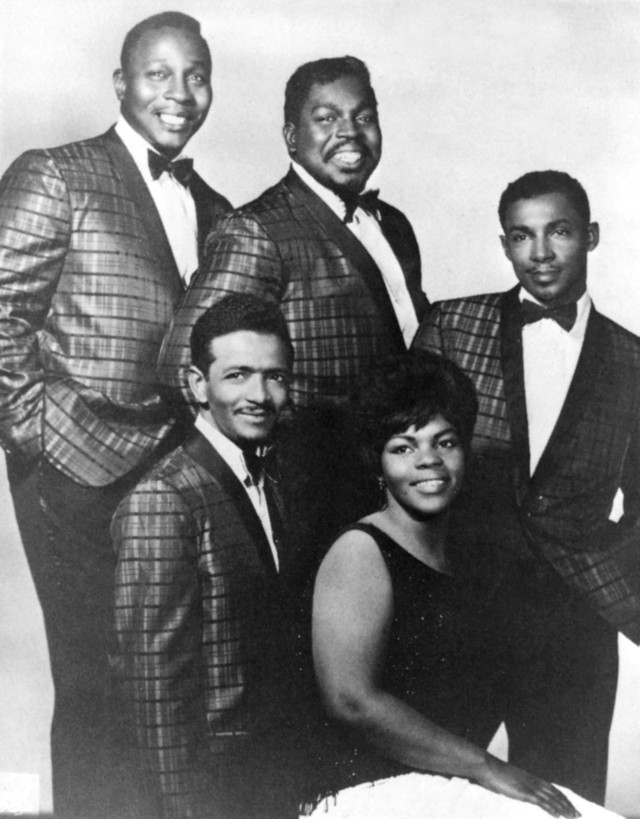
The Ad Libs
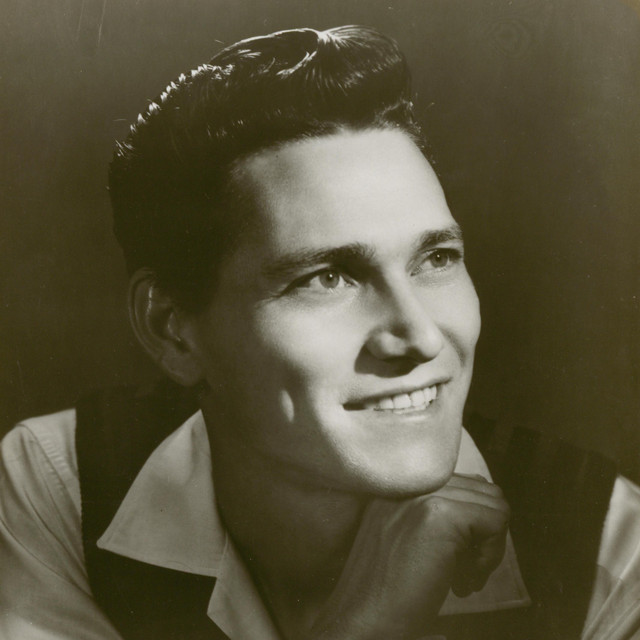
Billy Lee Riley
Arthur Alexander