Artist
William Elliott Whitmore
Data may be outdated
Last updated: 9 months ago — Click refresh to get the latest statistics.
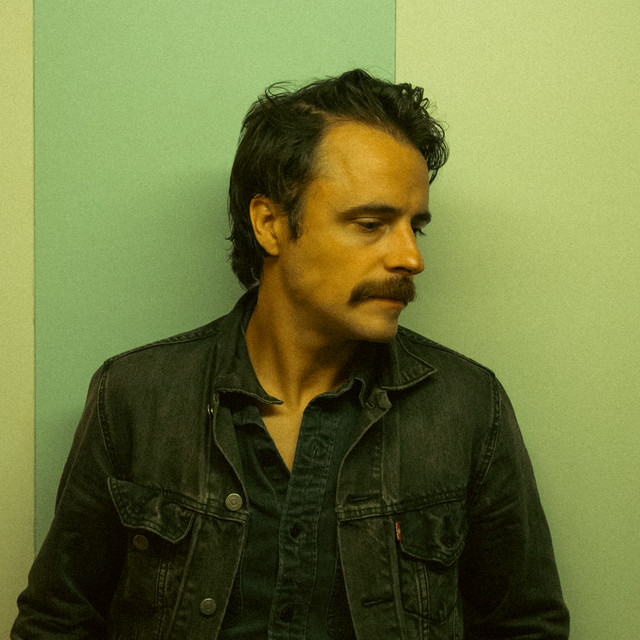
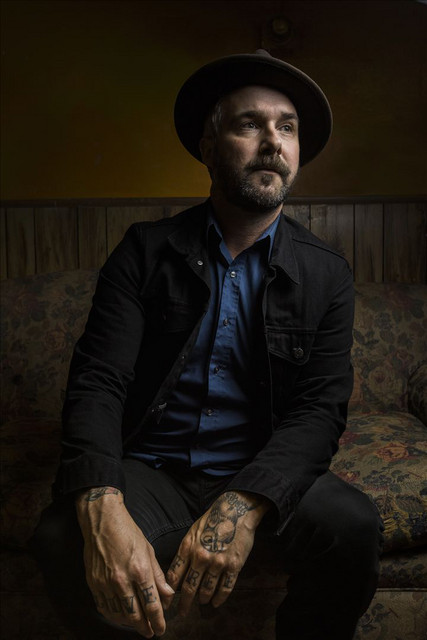
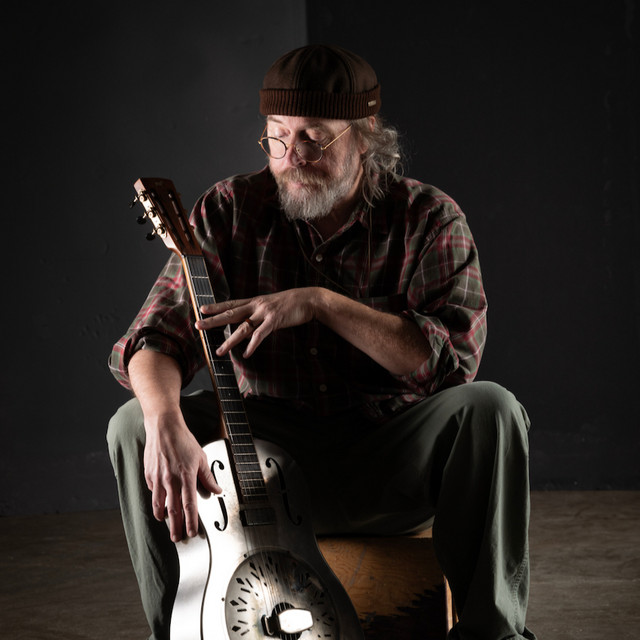
With a voice that sounds like the reincarnation of a gospel preacher from the 1920s, and possessing a fitting fascination with sin, death, and redemption, William Elliott Whitmore's songs are steeped in the raw, naturalistic sound of country-blues, gospel shouts, and field hollers as documented by musicologists with portable recording gear in the '30s and '40s. His songs are delivered with the raw energy and emotional immediacy of punk, which befits an artist who cut his teeth on the fringes of the hardcore movement. Beginning with his 2003 debut, Hymns for the Hopeless, Whitmore's ragged-but-right vocals and sturdy guitar and banjo work captured a link between the roots of American music and the independent spirit of the contemporary Americana scene. He signed to <a href="spotify:search:label%3A%22Anti-%22">Anti-</a> for 2009's Animals in the Dark and delivered three acclaimed albums for the label, the last of which, 2015's Radium Death, saw him switching gears by employing a full band. He launched his own label to issue 2024's typically dark-hued Silently, The Mind Breaks.
William Elliott Whitmore was born in Lee County, Iowa, on May 11, 1978. The youngest of three siblings, he grew up on a 150-acre horse farm that his parents ran, which had been in the family for three generations. Whitmore's parents were both musical -- his father played the guitar and his mother was proficient on piano and accordion, while his grandfathers on both sides played banjo. His folks were big fans of <a href="spotify:artist:6kACVPfCOnqzgfEF5ryl0x">Johnny Cash</a>, <a href="spotify:artist:1FClsNYBUoNFtGgzeG74dW">Hank Williams</a>, <a href="spotify:artist:5W5bDNCqJ1jbCgTxDD0Cb3">Willie Nelson</a>, and <a href="spotify:artist:69Fk1s1lzINOKqoSWjjEiE">Charley Pride</a>, and in his early teens he started learning guitar and banjo, getting his start playing as a duo with his cousin a few years later.
After spending some time in California, Whitmore settled in Iowa City, where he got turned on to punk rock and started a band called Lost Cause. Later, he began touring with an Iowa City hardcore band called Ten Grand; he was their roadie and would open their shows with his banjo and intense blues- and gospel-informed songs. Whitmore was opening a show for Ten Grand in Chicago when a representative of <a href="spotify:search:label%3A%22Southern+Records%22">Southern Records</a> came by to scout the band and was impressed with the opening act. <a href="spotify:search:label%3A%22Southern%22">Southern</a> soon signed Whitmore, and his first album, Hymns for the Hopeless, was released in 2003. By this time, Whitmore and his siblings had converted the farm to grow row crops, making it easier for them to tend to the land while he was on the road.
After touring steadily behind the debut album, Whitmore issued his second long-player, Ashes to Dust, via <a href="spotify:search:label%3A%22Southern%22">Southern</a> in 2005. The same year, he released an EP titled W.E.W for the British <a href="spotify:search:label%3A%22Latitudes%22">Latitudes</a> label. After cutting a third album for <a href="spotify:search:label%3A%22Southern%22">Southern</a>, the critically lauded 2006 effort Song of the Blackbird, and several rounds of touring, Whitmore struck a deal with the artist-friendly indie label <a href="spotify:search:label%3A%22Anti-%22">Anti-</a>, attracted in part by the label's roots in punk. (It was founded by Brett Gurewitz of the band <a href="spotify:artist:2yJwXpWAQOOl5XFzbCxLs9">Bad Religion</a>, who also runs <a href="spotify:search:label%3A%22Epitaph+Records%22">Epitaph Records</a>.) Whitmore's first album for <a href="spotify:search:label%3A%22Anti-%22">Anti-</a> was 2009's Animals in the Dark, in which he explored more contemporary themes without abandoning his musical signatures. <a href="spotify:search:label%3A%22Anti-%22">Anti-</a>'s better distribution and greater promotional push helped him expand his following, and after Field Songs arrived in 2011, he set out on a tour with <a href="spotify:artist:27aJr79YUyfK5ZrcFxF5u0">Low Anthem</a> and <a href="spotify:artist:7FDlvgcodNfC0IBdWevl4u">James Vincent McMorrow</a> before heading out again as a headliner.
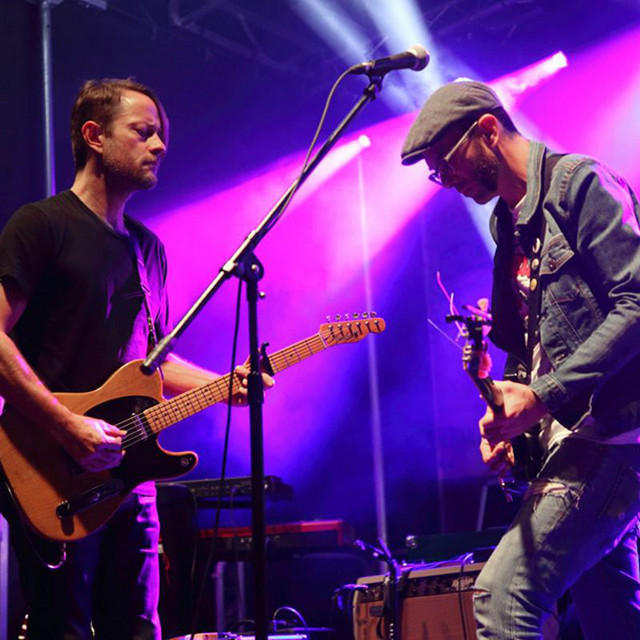
For his next album, Whitmore teamed with producer Luke Tweedy and filled out his tunes with a band; the result was Radium Death, which <a href="spotify:search:label%3A%22Anti-%22">Anti-</a> released in 2015. Whitmore toured in support with a band, but due to his musicians' other commitments, he continued to do solo gigs as well. The record proved to be his last for <a href="spotify:search:label%3A%22Anti-%22">Anti-</a>, and he next found a home at the "insurgent country" label <a href="spotify:search:label%3A%22Bloodshot+Records%22">Bloodshot Records</a>. Whitmore's first <a href="spotify:search:label%3A%22Bloodshot%22">Bloodshot</a> release, 2018's Kilonova, was comprised entirely of material from other songwriters, including tunes by <a href="spotify:artist:6kACVPfCOnqzgfEF5ryl0x">Johnny Cash</a>, <a href="spotify:artist:2AM4ilv6UzW0uMRuqKtDgN">ZZ Top</a>, <a href="spotify:artist:1ThoqLcyIYvZn7iWbj8fsj">Bill Withers</a>, and <a href="spotify:artist:2ebK4ueGwhVaXUm060m1BS">Captain Beefheart</a>. Whitmore returned to songwriting for 2020's I'm with You, a collection of songs dominated by themes of family and friendship. After <a href="spotify:search:label%3A%22Bloodshot+Records%22">Bloodshot Records</a> experienced financial problems that temporarily shuttered the label, Whitmore struck out on his own, forming his own imprint, Whitmore Records, to release his next recording project. 2024's Silently, The Mind Breaks found him once again working with producer Luke Tweedy, delivering ten songs concerning the dark side of fate with spare, atmospheric arrangements. ~ Mark Deming, Rovi
William Elliott Whitmore was born in Lee County, Iowa, on May 11, 1978. The youngest of three siblings, he grew up on a 150-acre horse farm that his parents ran, which had been in the family for three generations. Whitmore's parents were both musical -- his father played the guitar and his mother was proficient on piano and accordion, while his grandfathers on both sides played banjo. His folks were big fans of <a href="spotify:artist:6kACVPfCOnqzgfEF5ryl0x">Johnny Cash</a>, <a href="spotify:artist:1FClsNYBUoNFtGgzeG74dW">Hank Williams</a>, <a href="spotify:artist:5W5bDNCqJ1jbCgTxDD0Cb3">Willie Nelson</a>, and <a href="spotify:artist:69Fk1s1lzINOKqoSWjjEiE">Charley Pride</a>, and in his early teens he started learning guitar and banjo, getting his start playing as a duo with his cousin a few years later.
After spending some time in California, Whitmore settled in Iowa City, where he got turned on to punk rock and started a band called Lost Cause. Later, he began touring with an Iowa City hardcore band called Ten Grand; he was their roadie and would open their shows with his banjo and intense blues- and gospel-informed songs. Whitmore was opening a show for Ten Grand in Chicago when a representative of <a href="spotify:search:label%3A%22Southern+Records%22">Southern Records</a> came by to scout the band and was impressed with the opening act. <a href="spotify:search:label%3A%22Southern%22">Southern</a> soon signed Whitmore, and his first album, Hymns for the Hopeless, was released in 2003. By this time, Whitmore and his siblings had converted the farm to grow row crops, making it easier for them to tend to the land while he was on the road.
After touring steadily behind the debut album, Whitmore issued his second long-player, Ashes to Dust, via <a href="spotify:search:label%3A%22Southern%22">Southern</a> in 2005. The same year, he released an EP titled W.E.W for the British <a href="spotify:search:label%3A%22Latitudes%22">Latitudes</a> label. After cutting a third album for <a href="spotify:search:label%3A%22Southern%22">Southern</a>, the critically lauded 2006 effort Song of the Blackbird, and several rounds of touring, Whitmore struck a deal with the artist-friendly indie label <a href="spotify:search:label%3A%22Anti-%22">Anti-</a>, attracted in part by the label's roots in punk. (It was founded by Brett Gurewitz of the band <a href="spotify:artist:2yJwXpWAQOOl5XFzbCxLs9">Bad Religion</a>, who also runs <a href="spotify:search:label%3A%22Epitaph+Records%22">Epitaph Records</a>.) Whitmore's first album for <a href="spotify:search:label%3A%22Anti-%22">Anti-</a> was 2009's Animals in the Dark, in which he explored more contemporary themes without abandoning his musical signatures. <a href="spotify:search:label%3A%22Anti-%22">Anti-</a>'s better distribution and greater promotional push helped him expand his following, and after Field Songs arrived in 2011, he set out on a tour with <a href="spotify:artist:27aJr79YUyfK5ZrcFxF5u0">Low Anthem</a> and <a href="spotify:artist:7FDlvgcodNfC0IBdWevl4u">James Vincent McMorrow</a> before heading out again as a headliner.
For his next album, Whitmore teamed with producer Luke Tweedy and filled out his tunes with a band; the result was Radium Death, which <a href="spotify:search:label%3A%22Anti-%22">Anti-</a> released in 2015. Whitmore toured in support with a band, but due to his musicians' other commitments, he continued to do solo gigs as well. The record proved to be his last for <a href="spotify:search:label%3A%22Anti-%22">Anti-</a>, and he next found a home at the "insurgent country" label <a href="spotify:search:label%3A%22Bloodshot+Records%22">Bloodshot Records</a>. Whitmore's first <a href="spotify:search:label%3A%22Bloodshot%22">Bloodshot</a> release, 2018's Kilonova, was comprised entirely of material from other songwriters, including tunes by <a href="spotify:artist:6kACVPfCOnqzgfEF5ryl0x">Johnny Cash</a>, <a href="spotify:artist:2AM4ilv6UzW0uMRuqKtDgN">ZZ Top</a>, <a href="spotify:artist:1ThoqLcyIYvZn7iWbj8fsj">Bill Withers</a>, and <a href="spotify:artist:2ebK4ueGwhVaXUm060m1BS">Captain Beefheart</a>. Whitmore returned to songwriting for 2020's I'm with You, a collection of songs dominated by themes of family and friendship. After <a href="spotify:search:label%3A%22Bloodshot+Records%22">Bloodshot Records</a> experienced financial problems that temporarily shuttered the label, Whitmore struck out on his own, forming his own imprint, Whitmore Records, to release his next recording project. 2024's Silently, The Mind Breaks found him once again working with producer Luke Tweedy, delivering ten songs concerning the dark side of fate with spare, atmospheric arrangements. ~ Mark Deming, Rovi
Monthly Listeners
88,859
Monthly Listeners History
Track the evolution of monthly listeners over the last 28 days.
Followers
65,214
Followers History
Track the evolution of followers over the last 28 days.
Top Cities


Related Artists



Graveyard Train