Genre
afrofuturism
Top Afrofuturism Artists
Showing 25 of 36 artists


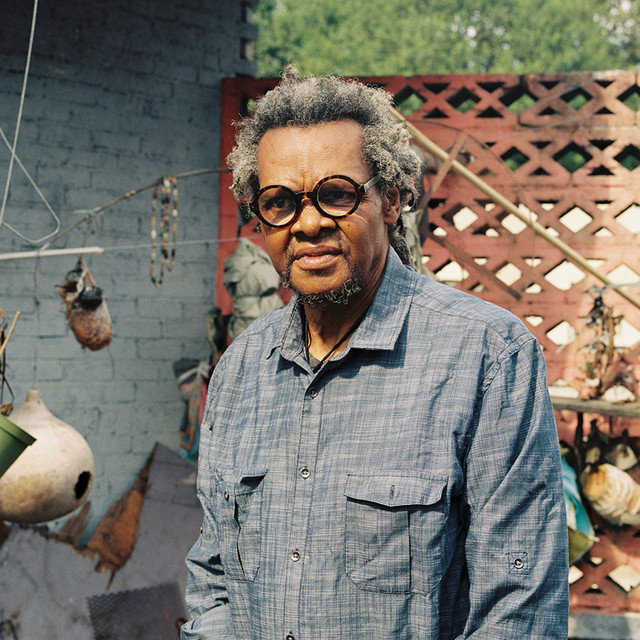


![Mourning [A] BLKstar](https://i.scdn.co/image/ab6772690000dd2227d0d6af21785855da5d2e6f)


About Afrofuturism
Afrofuturism is a music-forward underside of a larger cultural movement that imagines Black futures through sound, science fiction, technology, and myth. It treats tomorrow as a space for Black joy, invention, and resilience, pairing cosmic imagery with groove-driven genres to create sonic worlds where history, fantasy, and reality braid together.
Origins and birth
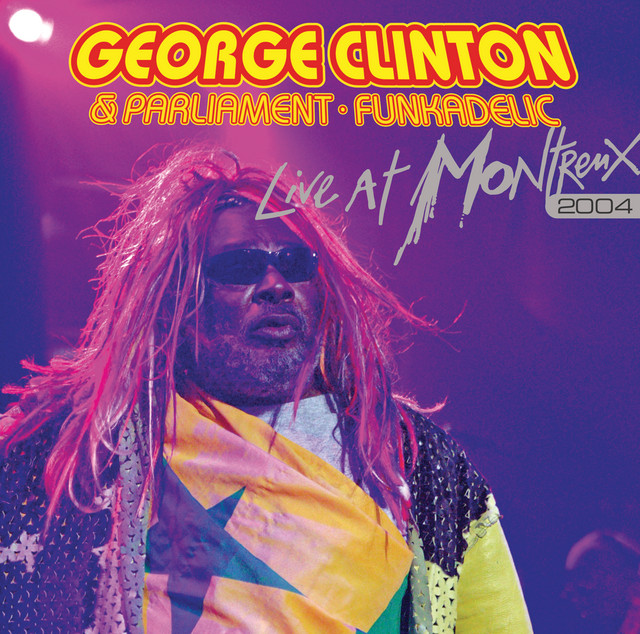
The term “Afrofuturism” was popularized in the mid-1990s by cultural critic Mark Dery, who described a Black speculative tradition that unfurls across music, literature, and art. But its roots run much deeper in sound. In the 1950s and 1960s, Sun Ra and his Arkestra pushed Black music toward outer space with space-age mythmaking and restless improvisation. The 1970s saw Parliament-Funkadelic under George Clinton fuse funk, electronics, and psychedelic performance into a sprawling, otherworldly universe. Those precedents paved a path for later artists to combine Afro-duturist storytelling with contemporary genres.
What defines the sound
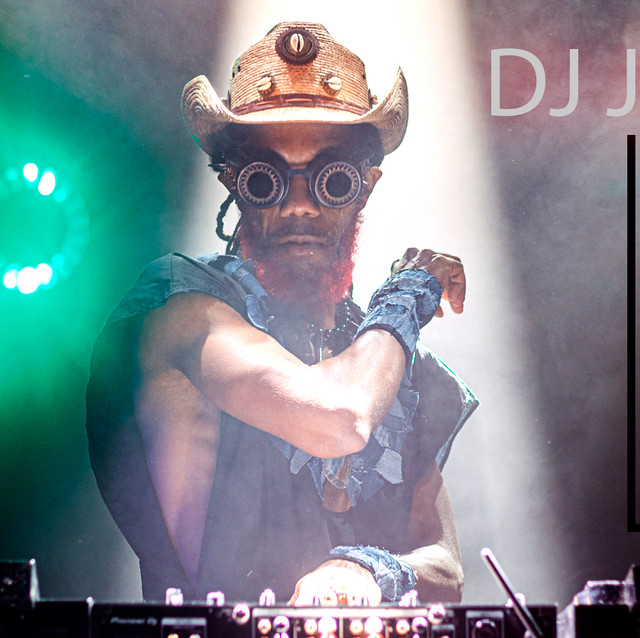
Afrofuturist music often blends jazz, funk, hip-hop, electronic, and R&B, anchored by futuristic production, spacey synths, thick bass, and intricate rhythms. It invites listeners into mythic narratives—alien civilizations, starships, alternate histories, and civic futures—while staying rooted in Black lived experience, political consciousness, and communal memory. The aesthetic is as much about concept and visuals as about chords and grooves: elaborate costumes, sci-fi iconography, and multimedia storytelling are common companions to the audio.
Key artists and ambassadors
- Sun Ra and the Arkestra: early pioneers who treated music as space travel and myth-making.
- Parliament-Funkadelic (George Clinton): legendary for cosmic funk, theatrical shows, and mythology-rich albums.
- Janelle Monáe: a leading modern ambassador, with the Metropolis concept and albums like The ArchAndroid and Dirty Computer, blending sci-fi narratives with gender, autonomy, and futurist visuals.
- Flying Lotus and the Brainfeeder scene: a bridge between experimental jazz, hip-hop, and electronic soundscapes (Cosmogramma and beyond) that feel futurist and cosmic.
- Kamasi Washington: a watershed modern jazz figure whose The Epic helped rekindle a large-scale, cinematic, afrofuturist sensibility in contemporary jazz.
- Thundercat: cosmic funk basslines and interstellar melodies that sit at the crossroads of jazz, funk, and electronic futurism.
- Erykah Badu: one of the era’s vocal poster-figures for afrofuturist aesthetics in the 2000s and 2010s, merging spiritual themes with futuristic imagery.
- Kendrick Lamar: often cited for AF-inflected sonic and visual storytelling in albums like To Pimp a Butterfly, where jazz-inflected arrangements and forward-looking themes meet social critique.
- Beyoncé (visuals like Black Is King) and other major artists have incorporated Afro-futurist aesthetics into film and performance, widening the movement’s reach.
Where it travels
Afrofuturism has found its strongest footholds in the United States and the United Kingdom, where jazz, hip-hop, and electronic scenes intersect with bold, futurist visuals. It also resonates across the African diaspora—in Europe, the Caribbean, and Africa—where artists blend local styles (Afrobeats, jazz, dance music) with sci-fi-inspired storytelling and aesthetics. The result is a global conversation about Black imagination, technology, and the future.
Why it matters
Afrofuturism refuses to concede the future to fear or nostalgia alone; it imagines Black futures as dynamic, technologically savvy, and expansive. For music fans, it offers a rich toolkit of sounds—cosmic synths, interstellar funk, cerebral jazz, electronic textures—paired with narratives that challenge oppression and celebrate possibility. It’s a dance between the ancient and the ultramodern, inviting listeners to travel light-years while staying rooted in community.
Origins and birth
The term “Afrofuturism” was popularized in the mid-1990s by cultural critic Mark Dery, who described a Black speculative tradition that unfurls across music, literature, and art. But its roots run much deeper in sound. In the 1950s and 1960s, Sun Ra and his Arkestra pushed Black music toward outer space with space-age mythmaking and restless improvisation. The 1970s saw Parliament-Funkadelic under George Clinton fuse funk, electronics, and psychedelic performance into a sprawling, otherworldly universe. Those precedents paved a path for later artists to combine Afro-duturist storytelling with contemporary genres.
What defines the sound
Afrofuturist music often blends jazz, funk, hip-hop, electronic, and R&B, anchored by futuristic production, spacey synths, thick bass, and intricate rhythms. It invites listeners into mythic narratives—alien civilizations, starships, alternate histories, and civic futures—while staying rooted in Black lived experience, political consciousness, and communal memory. The aesthetic is as much about concept and visuals as about chords and grooves: elaborate costumes, sci-fi iconography, and multimedia storytelling are common companions to the audio.
Key artists and ambassadors
- Sun Ra and the Arkestra: early pioneers who treated music as space travel and myth-making.
- Parliament-Funkadelic (George Clinton): legendary for cosmic funk, theatrical shows, and mythology-rich albums.
- Janelle Monáe: a leading modern ambassador, with the Metropolis concept and albums like The ArchAndroid and Dirty Computer, blending sci-fi narratives with gender, autonomy, and futurist visuals.
- Flying Lotus and the Brainfeeder scene: a bridge between experimental jazz, hip-hop, and electronic soundscapes (Cosmogramma and beyond) that feel futurist and cosmic.
- Kamasi Washington: a watershed modern jazz figure whose The Epic helped rekindle a large-scale, cinematic, afrofuturist sensibility in contemporary jazz.
- Thundercat: cosmic funk basslines and interstellar melodies that sit at the crossroads of jazz, funk, and electronic futurism.
- Erykah Badu: one of the era’s vocal poster-figures for afrofuturist aesthetics in the 2000s and 2010s, merging spiritual themes with futuristic imagery.
- Kendrick Lamar: often cited for AF-inflected sonic and visual storytelling in albums like To Pimp a Butterfly, where jazz-inflected arrangements and forward-looking themes meet social critique.
- Beyoncé (visuals like Black Is King) and other major artists have incorporated Afro-futurist aesthetics into film and performance, widening the movement’s reach.
Where it travels
Afrofuturism has found its strongest footholds in the United States and the United Kingdom, where jazz, hip-hop, and electronic scenes intersect with bold, futurist visuals. It also resonates across the African diaspora—in Europe, the Caribbean, and Africa—where artists blend local styles (Afrobeats, jazz, dance music) with sci-fi-inspired storytelling and aesthetics. The result is a global conversation about Black imagination, technology, and the future.
Why it matters
Afrofuturism refuses to concede the future to fear or nostalgia alone; it imagines Black futures as dynamic, technologically savvy, and expansive. For music fans, it offers a rich toolkit of sounds—cosmic synths, interstellar funk, cerebral jazz, electronic textures—paired with narratives that challenge oppression and celebrate possibility. It’s a dance between the ancient and the ultramodern, inviting listeners to travel light-years while staying rooted in community.