Genre
alternative dance
Top Alternative dance Artists
Showing 25 of 362 artists
About Alternative dance
Alternative dance is a cross-pertilization of rock’s immediacy with electronic dance music’s propulsion. Born out of the early 1990s UK scene, it describes bands and producers who pulled the energy, textures and guitar-driven hooks of alternative/indie rock into club-friendly tempos, basslines, and hypnotic electronic textures. It isn’t a single sound so much as a bridge between dancefloors and guitar amps, a synthesis that could be sunny and euphoric one moment and scuzzy and abrasive the next.
The genre’s roots lie in a collision of late-1980s acid house, the Manchester and Glasgow “Madchester” and “baggy” scenes, and the post-punk and new wave aesthetics that had been fermenting in Britain for years. Clubs and warehouses across Manchester, London, and beyond became testing grounds for music that wanted to be danced to but also sounded like a record you could buy in a shop. The press quickly christened these experiments as “alternative dance,” a label that helped listeners frame a new, hybrid language.
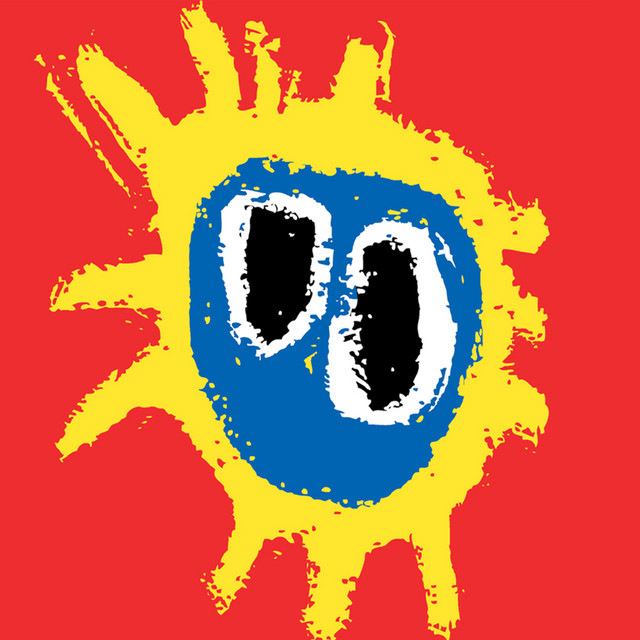
Key early ambassadors include the Primal Scream album Screamadelica (1991), which fused soul, dub, and acid house rhythms with rock guitar lines, setting a blueprint for ecstatic, raucous crossover. The Happy Mondays and The Stone Roses, though rooted in Madchester’s guitar-driven swagger, helped push indie-rock toward the danceable tempo and hypnotic repetition central to AD. On the more electronic side, The Prodigy brought a punk-spirited energy into dance music, while New Order’s post-Synthpop lineage kept filtering through—where hooky melodies met machine-powered percussion. The mid-1990s saw Underworld, Orbital, and The Chemical Brothers emerge as not just producers of club anthems but full-fledged artists who could headline stadiums while keeping an underground edge.
Jazzed-up guitars, pounding bass, programmable drums, and lush synth textures became common currency in alternative dance. Tracks often sit around 100–140 BPM, favoring looped motifs, reverb-soaked guitars, and a DJ-friendly sense of architecture—builds, drops, and a sense of momentum that invites a crowd to move while listening closely to the arrangement. Vocals can range from stark, introspective lyrics to raw, raucous chants, but the throughline is a desire to keep energy high without sacrificing melodic or textual complexity.
Geographically, the movement took strong root in the United Kingdom and spread across Europe, where club culture and indie scenes fed each other. It also crossed the Atlantic, influencing American indie rock and electronic acts and contributing to the later rise of “indietronica” and dance-punk. In the long arc of popular music, alternative dance helped lay groundwork for later hybrids—LCD Soundsystem’s dance-punk, Hot Chip’s synth-pop-informed grooves, and the broader wave of electronic-leaning indie acts that would define the 2000s and beyond.
Today, alternative dance remains a touchstone for enthusiasts who crave music that moves the body and compels the ear: records built for the floor that still reward attentive listening, a reminder that crossing borders—between guitars and gears, between crowd and listener—can yield some of the most thrilling sounds in contemporary music.
The genre’s roots lie in a collision of late-1980s acid house, the Manchester and Glasgow “Madchester” and “baggy” scenes, and the post-punk and new wave aesthetics that had been fermenting in Britain for years. Clubs and warehouses across Manchester, London, and beyond became testing grounds for music that wanted to be danced to but also sounded like a record you could buy in a shop. The press quickly christened these experiments as “alternative dance,” a label that helped listeners frame a new, hybrid language.
Key early ambassadors include the Primal Scream album Screamadelica (1991), which fused soul, dub, and acid house rhythms with rock guitar lines, setting a blueprint for ecstatic, raucous crossover. The Happy Mondays and The Stone Roses, though rooted in Madchester’s guitar-driven swagger, helped push indie-rock toward the danceable tempo and hypnotic repetition central to AD. On the more electronic side, The Prodigy brought a punk-spirited energy into dance music, while New Order’s post-Synthpop lineage kept filtering through—where hooky melodies met machine-powered percussion. The mid-1990s saw Underworld, Orbital, and The Chemical Brothers emerge as not just producers of club anthems but full-fledged artists who could headline stadiums while keeping an underground edge.
Jazzed-up guitars, pounding bass, programmable drums, and lush synth textures became common currency in alternative dance. Tracks often sit around 100–140 BPM, favoring looped motifs, reverb-soaked guitars, and a DJ-friendly sense of architecture—builds, drops, and a sense of momentum that invites a crowd to move while listening closely to the arrangement. Vocals can range from stark, introspective lyrics to raw, raucous chants, but the throughline is a desire to keep energy high without sacrificing melodic or textual complexity.
Geographically, the movement took strong root in the United Kingdom and spread across Europe, where club culture and indie scenes fed each other. It also crossed the Atlantic, influencing American indie rock and electronic acts and contributing to the later rise of “indietronica” and dance-punk. In the long arc of popular music, alternative dance helped lay groundwork for later hybrids—LCD Soundsystem’s dance-punk, Hot Chip’s synth-pop-informed grooves, and the broader wave of electronic-leaning indie acts that would define the 2000s and beyond.
Today, alternative dance remains a touchstone for enthusiasts who crave music that moves the body and compels the ear: records built for the floor that still reward attentive listening, a reminder that crossing borders—between guitars and gears, between crowd and listener—can yield some of the most thrilling sounds in contemporary music.