Genre
mundart
Top Mundart Artists
Showing 25 of 40 artists






About Mundart
Mundart is not a single musical style, but a family of Swiss German language-based songs that center on singing in local dialects rather than Hochdeutsch. It emerged from a mid-20th-century folk and chanson-inspired impulse to reclaim linguistic and regional identity, and over the decades it has grown into a defining strand of Swiss popular music. If you listen closely, Mundart blends intimate storytelling, social observation, humor, and a strong sense of place, all delivered with the tonal color and rhythm of Swiss German dialects.
Born out of the Swiss folk revival of the 1950s–1960s, Mundart music found a powerful voice in the work of Mani Matter, a Bernese songwriter whose concise, witty lyrics and deft wordplay helped popularize dialect songwriting. Matter’s influence, though he died young in 1972, reverberates through the scene: his songs are often cited as the blueprint for how dialect can carry both emotion and social critique with clarity and charm. From there, the movement diversified rapidly.
By the 1980s and 1990s, Mundart had broadened beyond folk-inflected singer-songwriting. Bands and artists began pairing dialect with rock, pop, and storytelling pop, making Mundart accessible to a wider audience. Züri West, a Zurich-based outfit, and Patent Ochsner, another pillar of the era, helped push dialect into mainstream consciousness through catchy melodies, sharp lyrics, and a willingness to experiment with arrangement while staying firmly in Swiss German. Stephan Eicher, though internationally minded and often multilingual, also played a crucial ambassadorial role by embracing Swiss German lyrics in a broader musical repertoire, showing that dialect could sit comfortably beside global sounds.
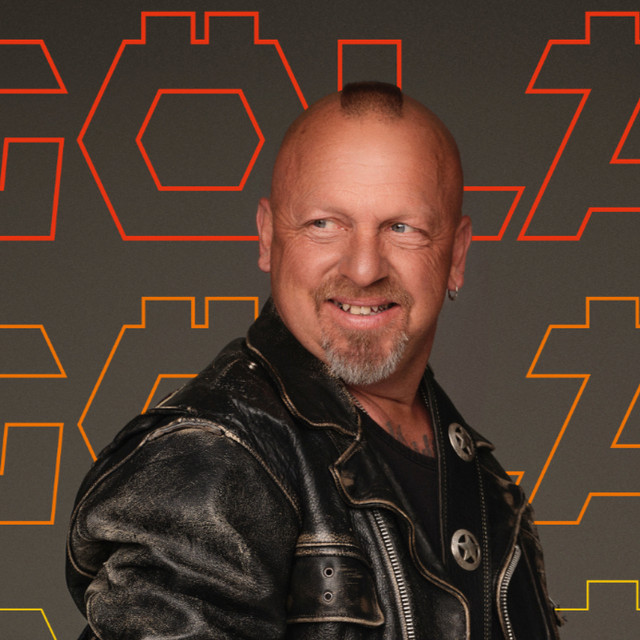
In the following decades, Mundart continued to evolve. The late 1990s and 2000s saw a new wave that mixed rock, pop, and rap with dialect expression. Artists such as Gölä kept the tradition alive with dialect rock, while later generations—especially in hip-hop and urban scenes—pushed the boundaries of what Mundart could be, bringing raw storytelling, clever rhymes, and regional pride into clubs and festivals. Today, Bligg and other contemporary Swiss German rappers stand among the ambassadors of a living, hybrid Mundart scene, proving that dialect-based music can adapt and thrive in the era of streaming and global collaboration.
Geographically, Mundart is strongest in German-speaking Switzerland—cantons where dialect is a natural vehicle for resonance and identity. It enjoys loyal followings in neighboring German regions and Austria, where there is curiosity for Swiss dialects and a cultural affinity for the cantonal storytelling tradition. The movement thrives in intimate venues, open-air festivals, and online platforms, where listeners from across Europe and beyond discover the textures of Swiss German, from warm, folky timbres to punchy, contemporary urban forms.
For enthusiasts, Mundart offers a front-row seat to how language and music entwine: you hear the echoes of local life, the humor and grit of everyday speech, and a sense of belonging that transcends borders. In short, Mundart is a living, evolving expression of Swiss culture that continues to welcome new sounds while honoring its roots. Prominent ambassadors include Mani Matter, Züri West, Patent Ochsner, Stephan Eicher, Gölä, and Bligg.
Born out of the Swiss folk revival of the 1950s–1960s, Mundart music found a powerful voice in the work of Mani Matter, a Bernese songwriter whose concise, witty lyrics and deft wordplay helped popularize dialect songwriting. Matter’s influence, though he died young in 1972, reverberates through the scene: his songs are often cited as the blueprint for how dialect can carry both emotion and social critique with clarity and charm. From there, the movement diversified rapidly.
By the 1980s and 1990s, Mundart had broadened beyond folk-inflected singer-songwriting. Bands and artists began pairing dialect with rock, pop, and storytelling pop, making Mundart accessible to a wider audience. Züri West, a Zurich-based outfit, and Patent Ochsner, another pillar of the era, helped push dialect into mainstream consciousness through catchy melodies, sharp lyrics, and a willingness to experiment with arrangement while staying firmly in Swiss German. Stephan Eicher, though internationally minded and often multilingual, also played a crucial ambassadorial role by embracing Swiss German lyrics in a broader musical repertoire, showing that dialect could sit comfortably beside global sounds.
In the following decades, Mundart continued to evolve. The late 1990s and 2000s saw a new wave that mixed rock, pop, and rap with dialect expression. Artists such as Gölä kept the tradition alive with dialect rock, while later generations—especially in hip-hop and urban scenes—pushed the boundaries of what Mundart could be, bringing raw storytelling, clever rhymes, and regional pride into clubs and festivals. Today, Bligg and other contemporary Swiss German rappers stand among the ambassadors of a living, hybrid Mundart scene, proving that dialect-based music can adapt and thrive in the era of streaming and global collaboration.
Geographically, Mundart is strongest in German-speaking Switzerland—cantons where dialect is a natural vehicle for resonance and identity. It enjoys loyal followings in neighboring German regions and Austria, where there is curiosity for Swiss dialects and a cultural affinity for the cantonal storytelling tradition. The movement thrives in intimate venues, open-air festivals, and online platforms, where listeners from across Europe and beyond discover the textures of Swiss German, from warm, folky timbres to punchy, contemporary urban forms.
For enthusiasts, Mundart offers a front-row seat to how language and music entwine: you hear the echoes of local life, the humor and grit of everyday speech, and a sense of belonging that transcends borders. In short, Mundart is a living, evolving expression of Swiss culture that continues to welcome new sounds while honoring its roots. Prominent ambassadors include Mani Matter, Züri West, Patent Ochsner, Stephan Eicher, Gölä, and Bligg.