Genre
cape town indie
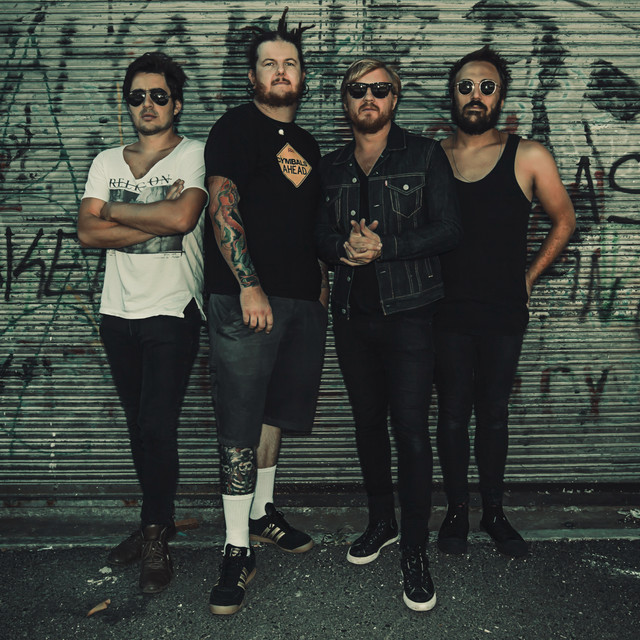
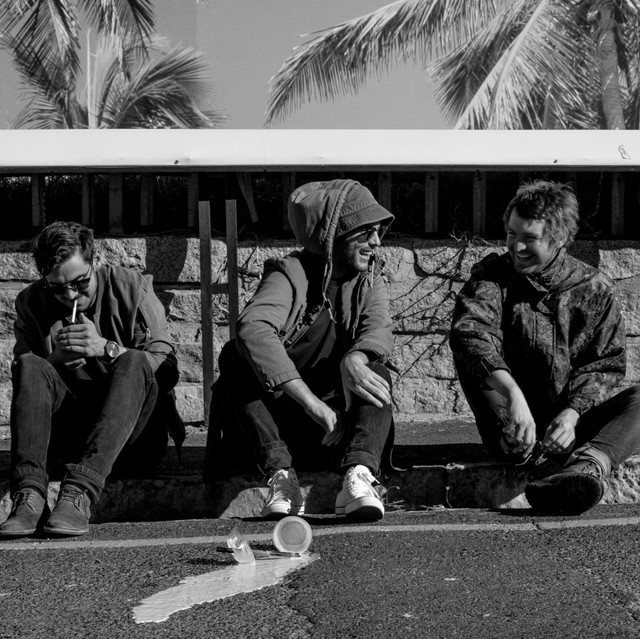
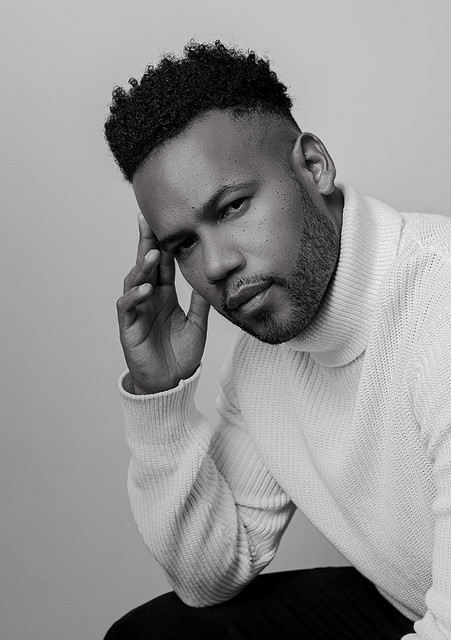
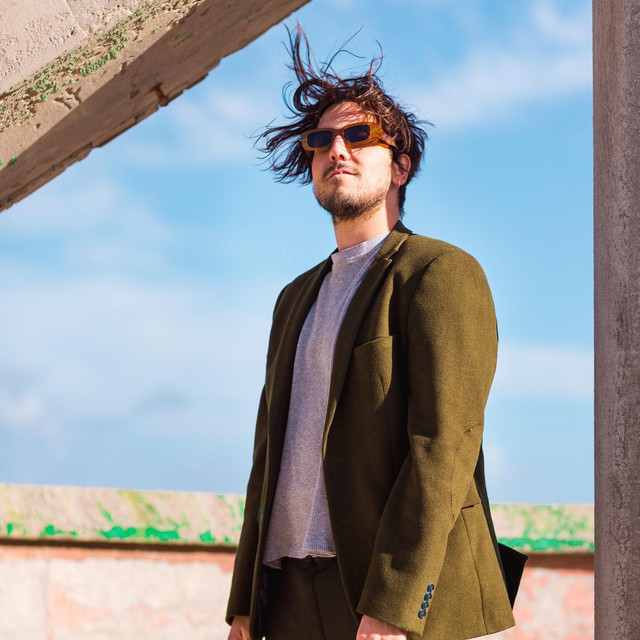
Top Cape town indie Artists
Showing 25 of 37 artists












About Cape town indie
Cape Town indie is not a tightly defined genre so much as a regional mood—a distinct strand of indie rock, indie pop, and experimental pop that grew out of Cape Town’s late-2000s DIY circuits and flourished through the 2010s. It’s the sound of a city that’s rugged and radiant at once: sunlit guitar lines, reverb-heavy atmospherics, intimate vocal delivery, and a willingness to fuse global indie tropes with local textures. It’s music made for listeners who chase mood as much as melody, and who appreciate the way a song can feel both cinematic and intensely personal.
How it was born is tied to a broader South African indie awakening, but with its own city-edge. Cape Town offered a compact, creative ecosystem: small venues, coffee-shop gigs, and a close-knit network of artists who shared demos online, swapped ideas, and booked shows with a do-it-yourself ethos. The scene benefited from Cape Town’s multilingual culture, oceanic ambience, and a long tradition of jazz and experimental music. By the early 2010s, a wave of bands and solo artists in and around the city were crafting lo-fi, guitar-forward records, often with lush textures or subtle electronics, that could stand beside international indie acts while still sounding unmistakably Cape Town.
What defines the sound? Think moody guitar work, dreamy synths and hazy production, intimate vocal takes, and a penchant for spacious arrangements that leave room for texture. Lyrics tend toward introspection, urban longing, and storytelling that feels specific yet universal. The genre frequently blends post-punk-edged riffs with indie-pop choruses, occasionally dipping into dream pop, shoegaze, or light electronic pulses. You can hear traces of Cape Town’s local rhythm and rhythmical experimentation without sacrificing the immediacy of a catchy hook. It’s music built to be felt—cinematic, sunburnt, and a little melancholic, with a strong sense of place that makes listeners imagine long drives along the Atlantic coast or late-night city streets.
Ambassadors and touchstones to know: Petit Noir stands out as one of the early emblematic voices associated with Cape Town’s experimental-adjacent indie output. His work blends indie rock with synth textures and a bold, theatrical sensibility that captures the city’s willingness to push boundaries. Civil Twilight, another cornerstone act rooted in Cape Town, brought atmospheric alternative rock to a broader audience, proving that South African indie could translate to international stages while retaining a distinct local flavor. Together, these artists helped define a Cape Town indie identity: adventurous, expressive, and capable of crossing from intimate club shows to festival main stages.
Where is it popular? The heartbeat is strongest in South Africa, particularly in Cape Town and other urban centers where the indie scene has momentum and radio/testival support. Yet streaming, international touring, and cross-border collaborations mean the sound has a growing footprint in Europe, North America, and beyond. For enthusiasts, Cape Town indie offers a doorway into a South African indie sensibility: polished but imperfect, lush but grounded, and always attentive to the idea that a perfectly imperfect guitar tone can tell a story as powerfully as any lyric.
In short, Cape Town indie is a living, evolving scene—a muse for those who crave music that feels both intimate and expansive, wired to local life while rebooting the global indie playbook. It rewards attentive listening and rewards the curious with a sense of place that’s as essential as the chords themselves.
How it was born is tied to a broader South African indie awakening, but with its own city-edge. Cape Town offered a compact, creative ecosystem: small venues, coffee-shop gigs, and a close-knit network of artists who shared demos online, swapped ideas, and booked shows with a do-it-yourself ethos. The scene benefited from Cape Town’s multilingual culture, oceanic ambience, and a long tradition of jazz and experimental music. By the early 2010s, a wave of bands and solo artists in and around the city were crafting lo-fi, guitar-forward records, often with lush textures or subtle electronics, that could stand beside international indie acts while still sounding unmistakably Cape Town.
What defines the sound? Think moody guitar work, dreamy synths and hazy production, intimate vocal takes, and a penchant for spacious arrangements that leave room for texture. Lyrics tend toward introspection, urban longing, and storytelling that feels specific yet universal. The genre frequently blends post-punk-edged riffs with indie-pop choruses, occasionally dipping into dream pop, shoegaze, or light electronic pulses. You can hear traces of Cape Town’s local rhythm and rhythmical experimentation without sacrificing the immediacy of a catchy hook. It’s music built to be felt—cinematic, sunburnt, and a little melancholic, with a strong sense of place that makes listeners imagine long drives along the Atlantic coast or late-night city streets.
Ambassadors and touchstones to know: Petit Noir stands out as one of the early emblematic voices associated with Cape Town’s experimental-adjacent indie output. His work blends indie rock with synth textures and a bold, theatrical sensibility that captures the city’s willingness to push boundaries. Civil Twilight, another cornerstone act rooted in Cape Town, brought atmospheric alternative rock to a broader audience, proving that South African indie could translate to international stages while retaining a distinct local flavor. Together, these artists helped define a Cape Town indie identity: adventurous, expressive, and capable of crossing from intimate club shows to festival main stages.
Where is it popular? The heartbeat is strongest in South Africa, particularly in Cape Town and other urban centers where the indie scene has momentum and radio/testival support. Yet streaming, international touring, and cross-border collaborations mean the sound has a growing footprint in Europe, North America, and beyond. For enthusiasts, Cape Town indie offers a doorway into a South African indie sensibility: polished but imperfect, lush but grounded, and always attentive to the idea that a perfectly imperfect guitar tone can tell a story as powerfully as any lyric.
In short, Cape Town indie is a living, evolving scene—a muse for those who crave music that feels both intimate and expansive, wired to local life while rebooting the global indie playbook. It rewards attentive listening and rewards the curious with a sense of place that’s as essential as the chords themselves.