Genre
cleveland indie
Top Cleveland indie Artists
Showing 22 of 22 artists


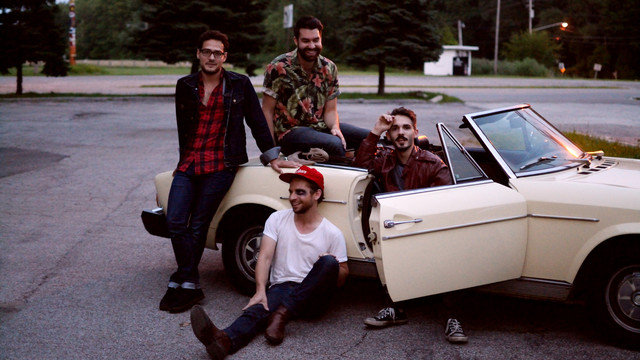
![Mourning [A] BLKstar](https://i.scdn.co/image/ab6772690000dd2227d0d6af21785855da5d2e6f)




About Cleveland indie
Cleveland indie is best understood as a regional expression within the wider American indie rock landscape—less a fixed formula than a working-class, DIY-minded approach to guitar-based music that grew out of Cleveland’s clubs, basements, and rehearsal spaces. It isn’t a formal genre with a rigid manifesto, but a loose, evolving scene that maps the city’s stubborn, scrappy spirit onto melodic hooks, scrappy production, and a willingness to push songs toward urgency rather than polish. Born from the late 2000s into the 2010s, Cleveland indie has flourished where venues, labels, and a shared sense of community create space for experimentation and steady touring.
The origin story is tightly tied to Cleveland’s live circuit and its precedent-breaking rock history. The city’s indie-adjacent lineage runs through a decades-long stack of experimental and underground acts, including Pere Ubu and other art-punk improvisers who put Cleveland on the map long before the modern indie revival. In the new millennium, a crop of bands and countless DIY releases fed a neighborhood-to-neighborhood circuit: basements, small clubs, and the Beachland Ballroom & Tavern becoming anchors where new songs were tested, traded, and refined. The result was an ecosystem that rewarded grit, thoughtful guitar work, and a candid, unpretentious vocal presence.
Musically, Cleveland indie often leans into lo-fi or mid-fi textures, with jangly guitars, punchy drums, and melodies that trap themselves in your head without asking for perfection. It borrows from 90s indie rock and post-punk’s urgency while maintaining a modern emphasis on directness and emotional honesty. Lyric themes frequently skew introspective, observational, or wryly humorous, reflecting working- and middle-class realities, small-town anxieties, and the personal stakes of everyday life. The production ethos tends toward immediacy—live-sounding takes, DIY releases, and a sense that a great take can come from a cramped room rather than a glossy studio.
A notable ambassador of the Cleveland indie ethos is Cloud Nothings. Formed in 2009 in Cleveland Heights, the band rose from self-released demos to wider attention with a relentless touring schedule and incisive albums like Here and Nowhere Else (2014). Their ascent helped crystallize Cleveland indie’s international profile, showing that a city can foster a loud, hook-driven guitar voice without sacrificing warmth or immediacy. The Beachland Ballroom and The Grog Shop—two storied local venues—have also functioned as ambassadors of the scene, booking emerging bands, hosting residencies, and connecting Cleveland acts to national touring itineraries.
Cleveland indie finds its strongest popularity in the United States, particularly the Midwest and Northeast, with a growing, if modest, international footprint among indie listeners in the UK and parts of Europe and Canada. Online streaming and international tours have broadened access to Cleveland acts, even as many fans trace the sound back to the city’s ground-level venues and community-driven spirit.
If you’re exploring this scene, listen for Cloud Nothings’ unapologetic energy, the tactile warmth of basement-recorded tracks, and a willingness to blend melodic craft with raw impulse. It’s a scene built on collaboration, venue culture, and a stubborn belief that honest, emotionally direct guitar music can thrive outside the coastal capitals.
The origin story is tightly tied to Cleveland’s live circuit and its precedent-breaking rock history. The city’s indie-adjacent lineage runs through a decades-long stack of experimental and underground acts, including Pere Ubu and other art-punk improvisers who put Cleveland on the map long before the modern indie revival. In the new millennium, a crop of bands and countless DIY releases fed a neighborhood-to-neighborhood circuit: basements, small clubs, and the Beachland Ballroom & Tavern becoming anchors where new songs were tested, traded, and refined. The result was an ecosystem that rewarded grit, thoughtful guitar work, and a candid, unpretentious vocal presence.
Musically, Cleveland indie often leans into lo-fi or mid-fi textures, with jangly guitars, punchy drums, and melodies that trap themselves in your head without asking for perfection. It borrows from 90s indie rock and post-punk’s urgency while maintaining a modern emphasis on directness and emotional honesty. Lyric themes frequently skew introspective, observational, or wryly humorous, reflecting working- and middle-class realities, small-town anxieties, and the personal stakes of everyday life. The production ethos tends toward immediacy—live-sounding takes, DIY releases, and a sense that a great take can come from a cramped room rather than a glossy studio.
A notable ambassador of the Cleveland indie ethos is Cloud Nothings. Formed in 2009 in Cleveland Heights, the band rose from self-released demos to wider attention with a relentless touring schedule and incisive albums like Here and Nowhere Else (2014). Their ascent helped crystallize Cleveland indie’s international profile, showing that a city can foster a loud, hook-driven guitar voice without sacrificing warmth or immediacy. The Beachland Ballroom and The Grog Shop—two storied local venues—have also functioned as ambassadors of the scene, booking emerging bands, hosting residencies, and connecting Cleveland acts to national touring itineraries.
Cleveland indie finds its strongest popularity in the United States, particularly the Midwest and Northeast, with a growing, if modest, international footprint among indie listeners in the UK and parts of Europe and Canada. Online streaming and international tours have broadened access to Cleveland acts, even as many fans trace the sound back to the city’s ground-level venues and community-driven spirit.
If you’re exploring this scene, listen for Cloud Nothings’ unapologetic energy, the tactile warmth of basement-recorded tracks, and a willingness to blend melodic craft with raw impulse. It’s a scene built on collaboration, venue culture, and a stubborn belief that honest, emotionally direct guitar music can thrive outside the coastal capitals.