Genre
grunge revival
Top Grunge revival Artists
Showing 13 of 13 artists
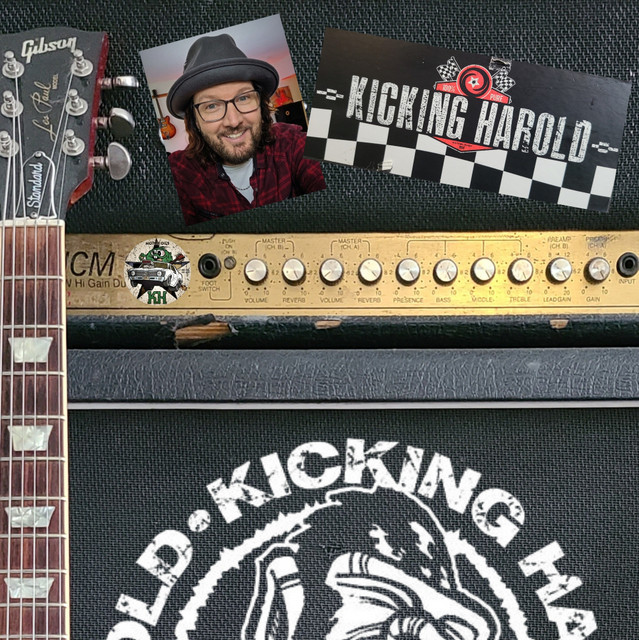





About Grunge revival
Grunge revival is not a rigid genre so much as a mood-driven return to the raw, guitar-forward spirit of early 1990s Seattle, filtered through the DIY energy and modern sensibilities of the 2010s and beyond. It describes a wave of bands and artists who reach back to the thunder of down-tuned riffs, dirty production, and an open, unpolished honesty, while refitting it for contemporary indie, garage, and post-punk contexts. In essence, it’s about re-anchoring the urgency of grunge for a new generation without simply recreating history.
The “birth” of the revival is best understood as a gradual coalescence that began in the late 2000s and solidified through the 2010s. As bedroom studios and affordable recording gear became ubiquitous, countless rooms across North America and Europe produced music with the same blunt force and intimate vocal delivery that defined the classic grunge records. Critics and listeners alike started to talk about a resurgence when bands re-embraced the aesthetic of fuzzed-out guitars, sparse but powerful bass, and songs built for live intensity rather than studio polish. The result was not a carbon copy of the 1990s but a recalibration—an echo that carried forward the rebellious, anti-glamour stance of grunge while absorbing influences from garage rock, noise rock, post-punk, and modern indie.
Sonic traits that anchor the revival include heavy guitar distortion, insistently simple and catchy riffs, and a preference for thick, often murky textures over pristine clarity. The rhythm section tends to be stubbornly straightforward and propulsive, with tempos that can swing from restrained mid-tempo to explosive, fist-plying bursts. Vocals range from deadpan and brooding to shouted and raw, occasionally featuring a restrained resignation that mirrors the genre’s original slacker ethos. Production tends toward a lo-fi or “live in the room” feel—sometimes intentionally rough around the edges—so the music sounds immediate, as if performed on a cramped stage with the audience breathing down the neck.
Among the acts most commonly cited as ambassadors or touchstones of the grunge revival are bands like Wavves, Cloud Nothings, Drenge, and METZ. Wavves brought a California-blasted, lo-fi swagger; Cloud Nothings offered kinetic, scrappy indie-punk that embraced pop hooks without sacrificing bite; Drenge from the UK mined brutal, stripped-down riffs with a DIY grit; METZ, hailing from Canada, delivered relentless, wall-of-sound noise rock with a grunge-sized punch. Together, these artists helped crystallize a revival language—one that honors the movement’s raw immediacy while embracing the broader currents of contemporary guitar music.
geographically, grunge revival found its strongest footholds in the United States and the United Kingdom, with robust followings in other parts of Europe, Scandinavia, Australia, and parts of Asia. It thrives in scenes that prize authenticity, outdoor festival stages where loud guitars still feel essential, and clubs where the air hums with the scent of rehearsal space and PA distortion. For enthusiasts, the revival offers a bridge: it invites you to revisit a cornerstone of alternative rock while discovering new bands who push the sound forward, proving that the spirit of grunge remains as relevant and rebellious as ever.
The “birth” of the revival is best understood as a gradual coalescence that began in the late 2000s and solidified through the 2010s. As bedroom studios and affordable recording gear became ubiquitous, countless rooms across North America and Europe produced music with the same blunt force and intimate vocal delivery that defined the classic grunge records. Critics and listeners alike started to talk about a resurgence when bands re-embraced the aesthetic of fuzzed-out guitars, sparse but powerful bass, and songs built for live intensity rather than studio polish. The result was not a carbon copy of the 1990s but a recalibration—an echo that carried forward the rebellious, anti-glamour stance of grunge while absorbing influences from garage rock, noise rock, post-punk, and modern indie.
Sonic traits that anchor the revival include heavy guitar distortion, insistently simple and catchy riffs, and a preference for thick, often murky textures over pristine clarity. The rhythm section tends to be stubbornly straightforward and propulsive, with tempos that can swing from restrained mid-tempo to explosive, fist-plying bursts. Vocals range from deadpan and brooding to shouted and raw, occasionally featuring a restrained resignation that mirrors the genre’s original slacker ethos. Production tends toward a lo-fi or “live in the room” feel—sometimes intentionally rough around the edges—so the music sounds immediate, as if performed on a cramped stage with the audience breathing down the neck.
Among the acts most commonly cited as ambassadors or touchstones of the grunge revival are bands like Wavves, Cloud Nothings, Drenge, and METZ. Wavves brought a California-blasted, lo-fi swagger; Cloud Nothings offered kinetic, scrappy indie-punk that embraced pop hooks without sacrificing bite; Drenge from the UK mined brutal, stripped-down riffs with a DIY grit; METZ, hailing from Canada, delivered relentless, wall-of-sound noise rock with a grunge-sized punch. Together, these artists helped crystallize a revival language—one that honors the movement’s raw immediacy while embracing the broader currents of contemporary guitar music.
geographically, grunge revival found its strongest footholds in the United States and the United Kingdom, with robust followings in other parts of Europe, Scandinavia, Australia, and parts of Asia. It thrives in scenes that prize authenticity, outdoor festival stages where loud guitars still feel essential, and clubs where the air hums with the scent of rehearsal space and PA distortion. For enthusiasts, the revival offers a bridge: it invites you to revisit a cornerstone of alternative rock while discovering new bands who push the sound forward, proving that the spirit of grunge remains as relevant and rebellious as ever.