Genre
city pop
Top City pop Artists
Showing 25 of 1,607 artists













About City pop
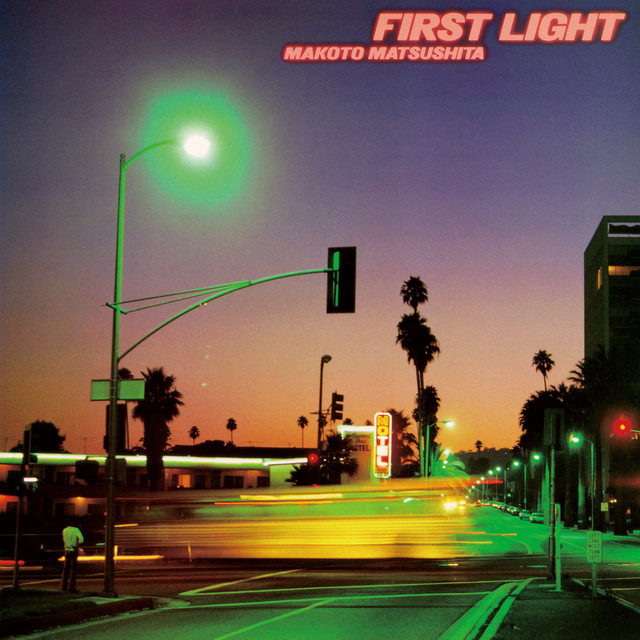
City pop is a distinctly urban, sun-soaked branch of Japanese popular music that emerged in the late 1970s and flourished through the 1980s. It began as a synthesis of catchier, chorus-driven pop with the feel of Western funk, disco, boogie, and soft jazz. The sound captured Japan’s rapid urbanization and the buoyant mood of the bubble era: late-night drives through neon-lit streets, rooftop parties, and the cosmopolitan atmosphere of big-city living. Rather than a single fixed style, city pop is a family of closely related productions: clean, glossy arrangements, bright keyboards and guitars, sprightly basslines, sax solos, and vocals that glide between warmth and cool sophistication. It’s as much about mood—effervescent, optimistic, sometimes wistful—as about any strict set of chords or tempos.
The genre crystallized in a network of Japanese songwriters, producers, and performers who were redefining mainstream pop for a more urban audience. It drew heavily on American and European R&B, funk, and yacht-rock textures, but reimagined them through Japanese sensibilities—polished studio craft, melodic hooks, and a strong sense of place. By the mid-1980s, city pop had become the soundtrack of Japanese city nightlife: rooftop lounges, late-night radio, and television variety shows. Yet as fashions changed and the sonic climate shifted, city pop faded from the forefront of the national scene. Its decline was not the end, but a pause, followed by a remarkable revival decades later as a global audience rediscovered its gleaming productions online.
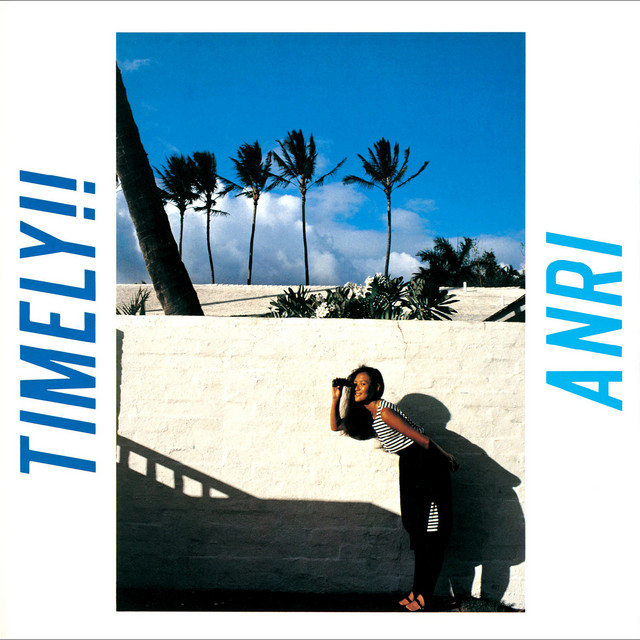
Key artists and ambassadors of the genre include Tatsuro Yamashita, often cited as a cornerstone figure for city pop thanks to his immaculate melodies and polished production on albums like For You. Mariya Takeuchi’s Plastic Love became one of the era’s most enduring anchors, its sultry hook and breezy tempo making it a touchstone for listeners worldwide via streaming platforms and fan-made videos. Miki Matsubara’s Mayonaka no Door (Stay With Me) remains one of the genre’s emblematic hits, widely shared and sampled across generations. Other influential names include Anri, Taeko Onuki (Taeko/Ohnishi), Hiroshi Sato, and Tetsuya Kadomatsu, each contributing signature tracks that blend funk-inflected grooves with smooth, sophisticated vocal lines and jazzier harmonies. Together they built a palette that could feel both glossy and intimate, urban and soulful.
In terms of geography, city pop is still most popular in Japan, where it originated and remains deeply woven into the cultural memory of the 1980s. However, its appeal extends well beyond. Taiwan, Korea, and several Southeast Asian markets have long appreciated its groove-based aesthetics, while the 2010s internet era unleashed a global revival. YouTube channels, playlist curators, and Western producers drew new listeners to neighborhood-funked classics, exalting the genre as a stylish bridge between Japanese pop and international deep- groove sensibilities. Today, city pop lives in both the playlists of hardcore enthusiasts and the wider conversations about how a highly localized scene can, through enduring production craft and irresistible hooks, resonate across borders. In short, city pop is not just a sound but a portrait of 1980s urban Japan that keeps finding new audiences in every generation.
Recommended tracks to begin: Plastic Love (Mariya Takeuchi), Mayonaka no Door (Stay With Me) (Miki Matsubara), Remember Summer Days (Anri), and classic Tatsuro Yamashita cuts from the early 80s.
The genre crystallized in a network of Japanese songwriters, producers, and performers who were redefining mainstream pop for a more urban audience. It drew heavily on American and European R&B, funk, and yacht-rock textures, but reimagined them through Japanese sensibilities—polished studio craft, melodic hooks, and a strong sense of place. By the mid-1980s, city pop had become the soundtrack of Japanese city nightlife: rooftop lounges, late-night radio, and television variety shows. Yet as fashions changed and the sonic climate shifted, city pop faded from the forefront of the national scene. Its decline was not the end, but a pause, followed by a remarkable revival decades later as a global audience rediscovered its gleaming productions online.
Key artists and ambassadors of the genre include Tatsuro Yamashita, often cited as a cornerstone figure for city pop thanks to his immaculate melodies and polished production on albums like For You. Mariya Takeuchi’s Plastic Love became one of the era’s most enduring anchors, its sultry hook and breezy tempo making it a touchstone for listeners worldwide via streaming platforms and fan-made videos. Miki Matsubara’s Mayonaka no Door (Stay With Me) remains one of the genre’s emblematic hits, widely shared and sampled across generations. Other influential names include Anri, Taeko Onuki (Taeko/Ohnishi), Hiroshi Sato, and Tetsuya Kadomatsu, each contributing signature tracks that blend funk-inflected grooves with smooth, sophisticated vocal lines and jazzier harmonies. Together they built a palette that could feel both glossy and intimate, urban and soulful.
In terms of geography, city pop is still most popular in Japan, where it originated and remains deeply woven into the cultural memory of the 1980s. However, its appeal extends well beyond. Taiwan, Korea, and several Southeast Asian markets have long appreciated its groove-based aesthetics, while the 2010s internet era unleashed a global revival. YouTube channels, playlist curators, and Western producers drew new listeners to neighborhood-funked classics, exalting the genre as a stylish bridge between Japanese pop and international deep- groove sensibilities. Today, city pop lives in both the playlists of hardcore enthusiasts and the wider conversations about how a highly localized scene can, through enduring production craft and irresistible hooks, resonate across borders. In short, city pop is not just a sound but a portrait of 1980s urban Japan that keeps finding new audiences in every generation.
Recommended tracks to begin: Plastic Love (Mariya Takeuchi), Mayonaka no Door (Stay With Me) (Miki Matsubara), Remember Summer Days (Anri), and classic Tatsuro Yamashita cuts from the early 80s.