Genre
lebanese indie
Top Lebanese indie Artists
Showing 20 of 20 artists







About Lebanese indie
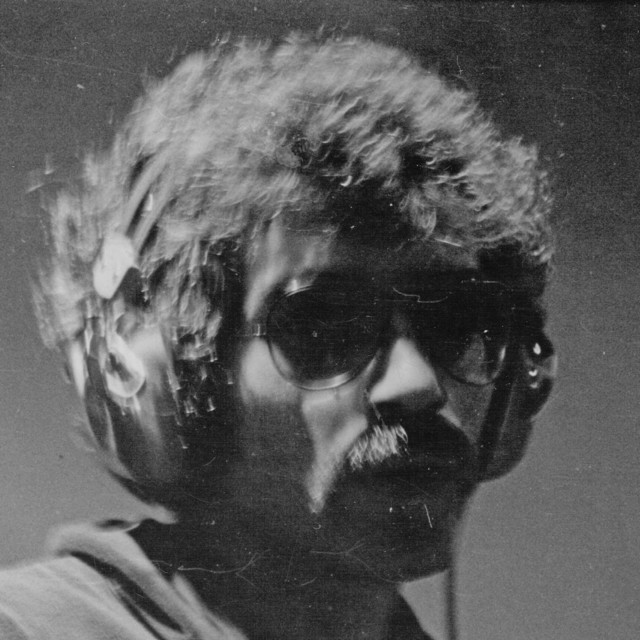
Lebanese indie is a scene more a mindset than a fixed sound: a constellation born in Beirut’s cafes, basements, and DIY studios where Arabic lyricism collides with Western indie, synth textures, and folk-inflected guitars. It’s music that travels across rooms and festivals alike, refusing to fit into a single label while speaking in multiple languages, moods, and tempos. From the outset, it’s about experimentation, community, and a willingness to fuse local storytelling with global influences.
The Lebanese indie story crystallized in the late 2000s as a new generation of Beirut-based musicians moved away from mainstream Arabic pop toward self-produced, cross-cultural experiments. Earlier pioneers such as Soap Kills had already shown that Arabic vocals could ride electronic textures and global grooves, hinting at a future where Levantine and Western forms could mingle. By the early 2010s, bands and solo artists in neighborhoods like Mar Mikhael and Ras Beirut were releasing records, booking international tours, and building a network of independent labels, studios, and venues that kept the scene alive through shifting political and economic tides. The result is a community that treats making music as a form of dialogue—with the city, with the diaspora, and with audiences around the world.
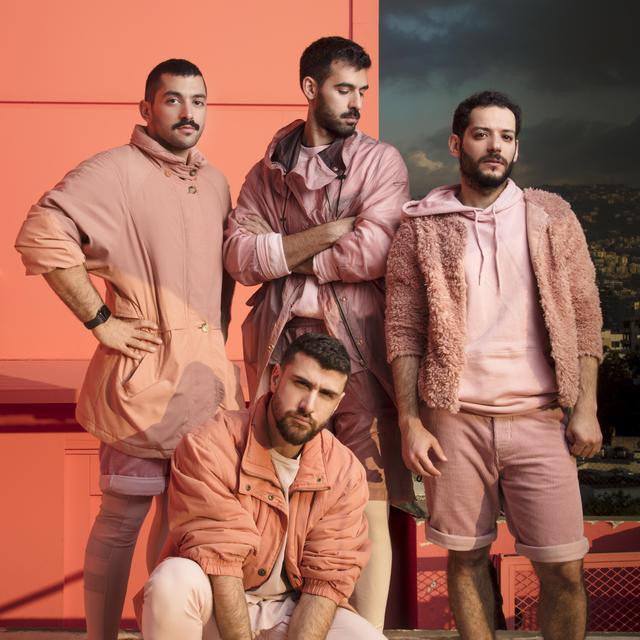
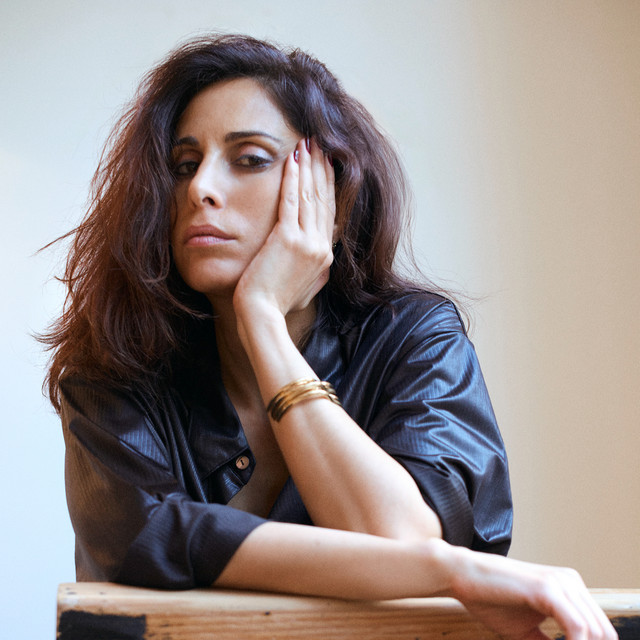
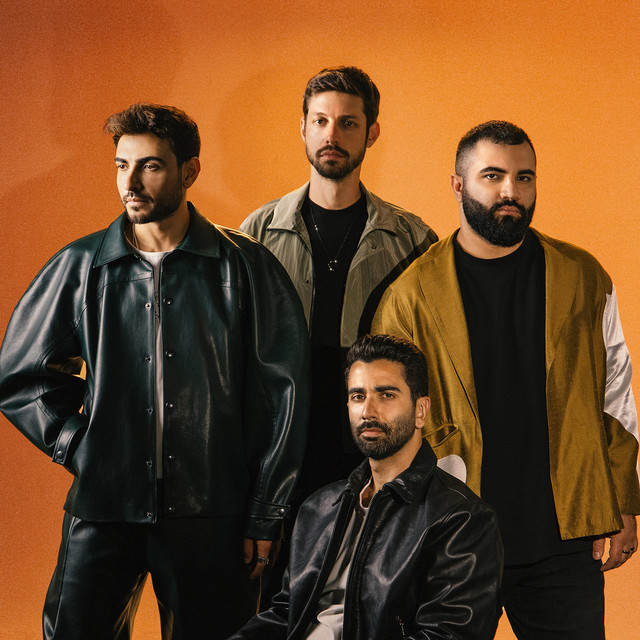
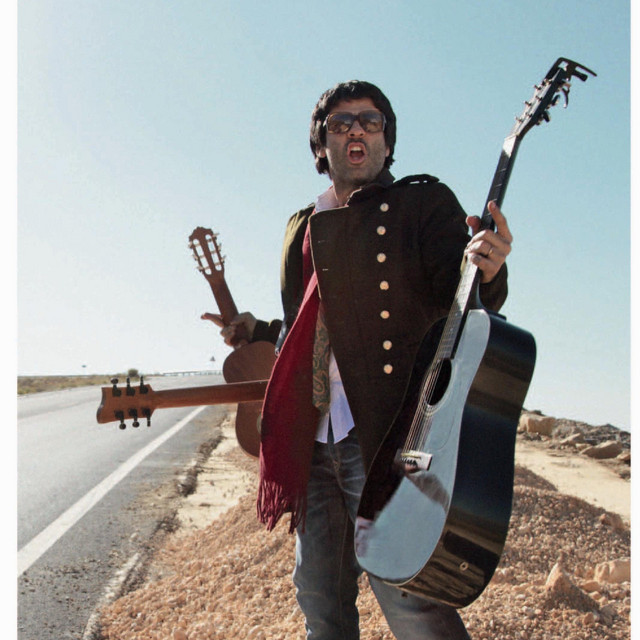
At the core of the contemporary Lebanese indie wave stands Mashrou’ Leila, a Beirut-born quartet formed in 2008 that fused muscular rock with shimmering electronics and lyrics addressing identity, sexuality, and life in the Levant. They became one of the scene’s most recognizable ambassadors, taking their songs across Europe and North America and signaling to the world that a fiercely modern Arab voice could also be deeply rooted in place. Another emblem is Yasmine Hamdan, the voice of Soap Kills, whose solo work in the 2010s blended noir pop with Middle Eastern textures, widening the audience for Arabic-language indie beyond Lebanon’s borders. The Wanton Bishops, a grit-kissed Beirut duo blending blues, rock, and street-smart energy, added a high-voltage facet to the movement, proving that Lebanese indie could be intimate as well as thunderous. Together, these acts have helped define a sound that is at once intimate and expansive, local and cosmopolitan.
In terms of sound and approach, Lebanese indie thrives on hybridity. Expect guitars that alternate between hushed, intimate verses and eruptive choruses, electronic textures that shimmer and pulse, and percussion that root songs in both Western and Levantine rhythms. Lyrics often flip between Arabic and English, reflecting a transnational mindset that mirrors Beirut’s own cosmopolitan pulse. Thematically, tracks address urban alienation, diaspora longing, social change, and personal freedom in a region where history and daily life intersect in dramatic ways. The production runs the gamut from lo-fi DIY aesthetics to polished studio arrangements, with cross-border collaborations that braid Beirut’s creativity with European and North American scenes.
Beyond Lebanon, the music resonates with the Lebanese diaspora in France, Germany, the United Kingdom, Canada, and Australia, as well as indie listeners in the United States and other parts of the Middle East. Streaming platforms and festival circuits have helped these artists reach audiences craving a sound that feels both distant and intimate—Arab melodies braided with Western indie structures. If you’re exploring Lebanese indie, you’re stepping into a history in motion: a city’s appetite for risk, a community’s faith in art, and music that travels as far as its listeners will take it.
The Lebanese indie story crystallized in the late 2000s as a new generation of Beirut-based musicians moved away from mainstream Arabic pop toward self-produced, cross-cultural experiments. Earlier pioneers such as Soap Kills had already shown that Arabic vocals could ride electronic textures and global grooves, hinting at a future where Levantine and Western forms could mingle. By the early 2010s, bands and solo artists in neighborhoods like Mar Mikhael and Ras Beirut were releasing records, booking international tours, and building a network of independent labels, studios, and venues that kept the scene alive through shifting political and economic tides. The result is a community that treats making music as a form of dialogue—with the city, with the diaspora, and with audiences around the world.
At the core of the contemporary Lebanese indie wave stands Mashrou’ Leila, a Beirut-born quartet formed in 2008 that fused muscular rock with shimmering electronics and lyrics addressing identity, sexuality, and life in the Levant. They became one of the scene’s most recognizable ambassadors, taking their songs across Europe and North America and signaling to the world that a fiercely modern Arab voice could also be deeply rooted in place. Another emblem is Yasmine Hamdan, the voice of Soap Kills, whose solo work in the 2010s blended noir pop with Middle Eastern textures, widening the audience for Arabic-language indie beyond Lebanon’s borders. The Wanton Bishops, a grit-kissed Beirut duo blending blues, rock, and street-smart energy, added a high-voltage facet to the movement, proving that Lebanese indie could be intimate as well as thunderous. Together, these acts have helped define a sound that is at once intimate and expansive, local and cosmopolitan.
In terms of sound and approach, Lebanese indie thrives on hybridity. Expect guitars that alternate between hushed, intimate verses and eruptive choruses, electronic textures that shimmer and pulse, and percussion that root songs in both Western and Levantine rhythms. Lyrics often flip between Arabic and English, reflecting a transnational mindset that mirrors Beirut’s own cosmopolitan pulse. Thematically, tracks address urban alienation, diaspora longing, social change, and personal freedom in a region where history and daily life intersect in dramatic ways. The production runs the gamut from lo-fi DIY aesthetics to polished studio arrangements, with cross-border collaborations that braid Beirut’s creativity with European and North American scenes.
Beyond Lebanon, the music resonates with the Lebanese diaspora in France, Germany, the United Kingdom, Canada, and Australia, as well as indie listeners in the United States and other parts of the Middle East. Streaming platforms and festival circuits have helped these artists reach audiences craving a sound that feels both distant and intimate—Arab melodies braided with Western indie structures. If you’re exploring Lebanese indie, you’re stepping into a history in motion: a city’s appetite for risk, a community’s faith in art, and music that travels as far as its listeners will take it.