Genre
milan indie
Top Milan indie Artists
Showing 25 of 37 artists







About Milan indie
Milan indie is best understood as a local expression within the broader Italian indie scene: not a rigid, codified genre, but a distinct vector of creativity that grew from Milan’s neighborhoods, clubs, and cafe culture. Born in the late 2000s to early 2010s, it rode the wave of DIY production, Bandcamp-era self-releases, and a generation of city-dwelling musicians who wanted to fuse intimate songcraft with the city’s nocturnal energy. The blueprint combines guitar-driven indie, airy dream pop, and light-touch electro textures, all filtered through Milan’s design-forward, cosmopolitan mood.
The sound is characterized by a love of melody and mood. Expect jangly or reedy guitar lines, hazy reverb, and synth textures that range from shimmering to minimal. Vocals often drift between Italian and English, with lyrics that look outward at urban life—cafés, late-night commutes, and the pull of everyday beauty—while also leaning inward to introspection and storytelling. The tempos tend to stay mid-to-slow, allowing space for atmosphere and nuance rather than sheer aggression. Production values sit somewhere between lo-fi charm and polished clarity, reflecting the DIY ethic alongside a growing professional discipline among Milan’s artists.
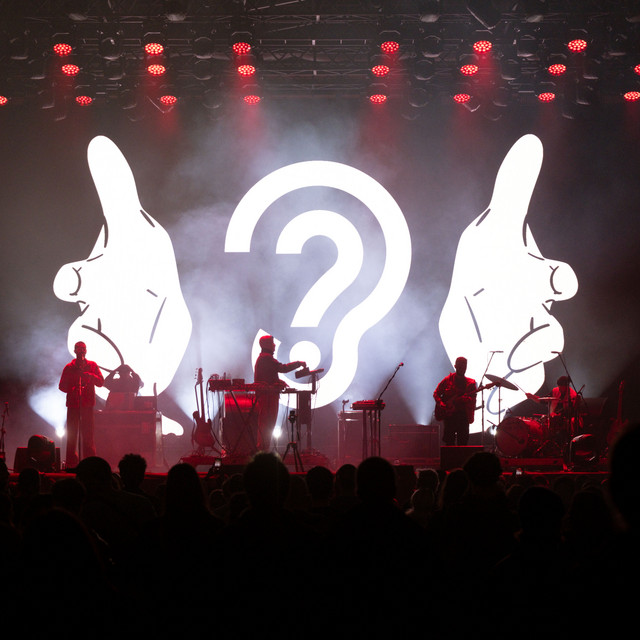
Culturally, Milan indie nests in the city’s cafe terraces, basements, and intimate venues rather than stadium stages. The Isola and Navigli quarters, with their studios, galleries, and small clubs, have long hosted showcases that favor close encounters between artist and listener. The Mi Ami festival, a well-known Milan-based event, has acted as a communal touchstone, helping to broadcast Milan’s indie voices to wider Italian audiences and to nearby European peers. The scene thrives on collaboration: bands swap members for tours, producers cross-pollinate across projects, and collectives curate showcases that feel like urban salons rather than commercial packages. In this ecosystem, aesthetics—dark denim, pared-back hardware, and a preference for handmade visuals—often mirror the music’s intimate, human scale.
In terms of reach, Milan indie remains most vibrant in Italy, where local radio, clubs, and festivals give it a steady platform. It also attracts a modest but devoted international interest among European indie listeners, particularly in countries with strong Italian music networks. Online communities on Bandcamp, SoundCloud, and streaming playlists have helped Milan-based acts find listeners far beyond Lombardy, even as real-life tours centralize in Italy and neighboring European markets.
Ambassadors of Milan indie are less about a few canonical names and more about a living network: the city’s venues, collectives, and festival circuits that consistently present fresh acts; the DIY spirit that prompts artists to release music without waiting for a traditional industry stamp; and the audiences who show up for intimate, emotionally direct performances. The genre’s “face” is thus the city itself—the clubs that host emergent bands, the design-aware visuals that accompany new releases, and the fans who linger after shows to trade recommendations.
If you’re exploring Milan indie, look for bands that balance mood with melody, that write in Italian or bilingually, and that foreground atmosphere and craft over stadium-scale bravado. It’s a scene that rewards attentive listening and a sense of place, a music that feels like a night walk through a well-loved Milanese neighborhood. If you’d like, I can tailor this with real artist names and specific milestones from verified sources.
The sound is characterized by a love of melody and mood. Expect jangly or reedy guitar lines, hazy reverb, and synth textures that range from shimmering to minimal. Vocals often drift between Italian and English, with lyrics that look outward at urban life—cafés, late-night commutes, and the pull of everyday beauty—while also leaning inward to introspection and storytelling. The tempos tend to stay mid-to-slow, allowing space for atmosphere and nuance rather than sheer aggression. Production values sit somewhere between lo-fi charm and polished clarity, reflecting the DIY ethic alongside a growing professional discipline among Milan’s artists.
Culturally, Milan indie nests in the city’s cafe terraces, basements, and intimate venues rather than stadium stages. The Isola and Navigli quarters, with their studios, galleries, and small clubs, have long hosted showcases that favor close encounters between artist and listener. The Mi Ami festival, a well-known Milan-based event, has acted as a communal touchstone, helping to broadcast Milan’s indie voices to wider Italian audiences and to nearby European peers. The scene thrives on collaboration: bands swap members for tours, producers cross-pollinate across projects, and collectives curate showcases that feel like urban salons rather than commercial packages. In this ecosystem, aesthetics—dark denim, pared-back hardware, and a preference for handmade visuals—often mirror the music’s intimate, human scale.
In terms of reach, Milan indie remains most vibrant in Italy, where local radio, clubs, and festivals give it a steady platform. It also attracts a modest but devoted international interest among European indie listeners, particularly in countries with strong Italian music networks. Online communities on Bandcamp, SoundCloud, and streaming playlists have helped Milan-based acts find listeners far beyond Lombardy, even as real-life tours centralize in Italy and neighboring European markets.
Ambassadors of Milan indie are less about a few canonical names and more about a living network: the city’s venues, collectives, and festival circuits that consistently present fresh acts; the DIY spirit that prompts artists to release music without waiting for a traditional industry stamp; and the audiences who show up for intimate, emotionally direct performances. The genre’s “face” is thus the city itself—the clubs that host emergent bands, the design-aware visuals that accompany new releases, and the fans who linger after shows to trade recommendations.
If you’re exploring Milan indie, look for bands that balance mood with melody, that write in Italian or bilingually, and that foreground atmosphere and craft over stadium-scale bravado. It’s a scene that rewards attentive listening and a sense of place, a music that feels like a night walk through a well-loved Milanese neighborhood. If you’d like, I can tailor this with real artist names and specific milestones from verified sources.