Genre
canadian old school hip hop
Top Canadian old school hip hop Artists
Showing 25 of 30 artists











About Canadian old school hip hop
Canadian old school hip hop is the early, formative phase of hip hop in Canada, roughly spanning the late 1980s through the mid-1990s. It grew from a mix of North American hip hop culture, local DJ scenes, and city-driven scenes in Toronto, Vancouver, and Montreal. The sound was defined by tight crew ethics, DJ-driven parties, and sample-based production that leaned on funk, jazz, and early funk-sample aesthetics. It arrived as Canadian youth absorbed the global boom of hip hop, but it created its own voice, vocabulary, and modes of storytelling—often anchored in city life, working-class experience, and proudly Canadian perspectives.
Origins and milestones are anchored by key early figures. Maestro Fresh Wes is widely recognized as one of the first Canadian MCs to break through nationally with Let Your Backbone Slide (1989), a track that became a mainstream hit and helped put Canadian rap on the map. Another important trailblazer is Michie Mee, a Toronto-born artist who helped fuse hip hop with Jamaican patois and Caribbean energy, opening doors for women in the scene and broadening the genre’s cultural palette. As the 1990s progressed, Canadian hip hop broadened into multiple regional scenes, with Toronto, Vancouver, and Montreal developing distinct sounds and communities. The era also saw the emergence of groups and artists who would become perennial ambassadors, setting the stage for a generation of Canadian acts to be taken seriously at home and abroad.
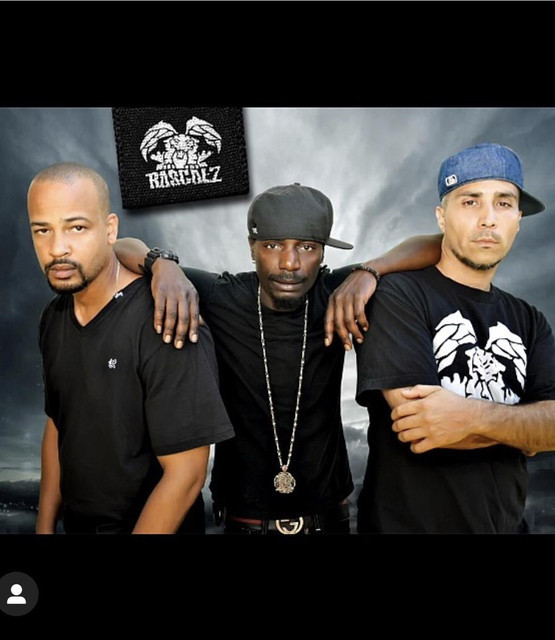
Moving into the late 1990s and early 2000s, acts such as Rascalz from the West Coast and Choclair from Toronto became household names within Canada, while Kardinal Offishall emerged as one of the country’s most visible and enduring voices. The Rascalz, in particular, are often cited for helping bring Canadian hip hop into national consciousness with collaborations and cross-Canada tours, culminating in moments that felt like watershed cultural events for the scene. Swollen Members from Vancouver added a distinctly West Coast, underground-tinged sound that gained broader recognition and award attention, showing that Canadian old school could mix underground grit with accessible, hook-driven tracks. Collectively, these artists helped establish a credible national identity for Canadian hip hop during the old school era.
In terms of reach, Canadian old school hip hop was, first and foremost, a Canadian affair—rooted in the city soundtracks of Toronto, Vancouver, and Montreal. But it did resonate beyond Canada’s borders. The music found pockets of enthusiastic listeners in the United States and in other markets with dedicated hip hop audiences, aided by cross-border tours, college radio play, and the broader global curiosity about Canadian culture in music. Over time, these early scenes provided a scaffold for the next wave of Canadian hip hop—artists who would push into mainstream arenas in the 2000s and beyond—while the old school era remained a touchstone for the community’s pride and artistic lineage.
Today, when listeners trace the lineage of Canadian hip hop, the old school period is remembered for its community-driven energy, its fearless cross-cultural exchanges (notably with Caribbean and Afro-Caribbean influences), and its role in proving that Canada could produce artists who spoke to urban life with honesty and swagger.
Origins and milestones are anchored by key early figures. Maestro Fresh Wes is widely recognized as one of the first Canadian MCs to break through nationally with Let Your Backbone Slide (1989), a track that became a mainstream hit and helped put Canadian rap on the map. Another important trailblazer is Michie Mee, a Toronto-born artist who helped fuse hip hop with Jamaican patois and Caribbean energy, opening doors for women in the scene and broadening the genre’s cultural palette. As the 1990s progressed, Canadian hip hop broadened into multiple regional scenes, with Toronto, Vancouver, and Montreal developing distinct sounds and communities. The era also saw the emergence of groups and artists who would become perennial ambassadors, setting the stage for a generation of Canadian acts to be taken seriously at home and abroad.
Moving into the late 1990s and early 2000s, acts such as Rascalz from the West Coast and Choclair from Toronto became household names within Canada, while Kardinal Offishall emerged as one of the country’s most visible and enduring voices. The Rascalz, in particular, are often cited for helping bring Canadian hip hop into national consciousness with collaborations and cross-Canada tours, culminating in moments that felt like watershed cultural events for the scene. Swollen Members from Vancouver added a distinctly West Coast, underground-tinged sound that gained broader recognition and award attention, showing that Canadian old school could mix underground grit with accessible, hook-driven tracks. Collectively, these artists helped establish a credible national identity for Canadian hip hop during the old school era.
In terms of reach, Canadian old school hip hop was, first and foremost, a Canadian affair—rooted in the city soundtracks of Toronto, Vancouver, and Montreal. But it did resonate beyond Canada’s borders. The music found pockets of enthusiastic listeners in the United States and in other markets with dedicated hip hop audiences, aided by cross-border tours, college radio play, and the broader global curiosity about Canadian culture in music. Over time, these early scenes provided a scaffold for the next wave of Canadian hip hop—artists who would push into mainstream arenas in the 2000s and beyond—while the old school era remained a touchstone for the community’s pride and artistic lineage.
Today, when listeners trace the lineage of Canadian hip hop, the old school period is remembered for its community-driven energy, its fearless cross-cultural exchanges (notably with Caribbean and Afro-Caribbean influences), and its role in proving that Canada could produce artists who spoke to urban life with honesty and swagger.