Genre
pop dance
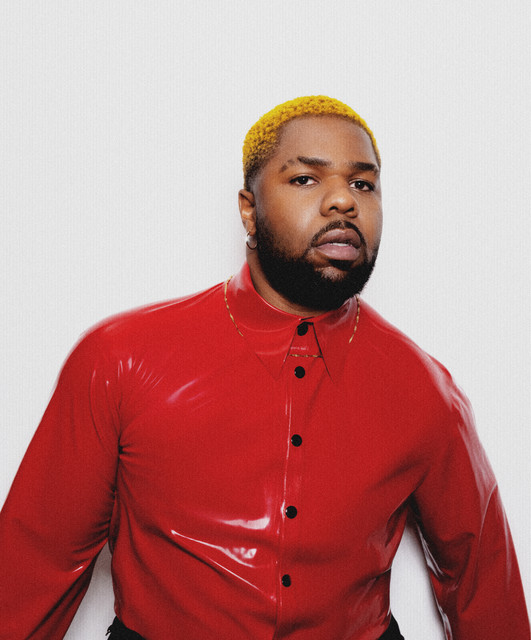
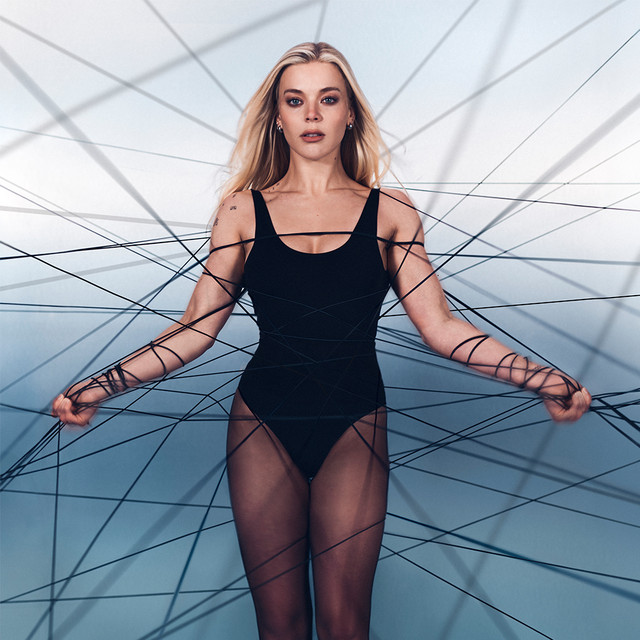
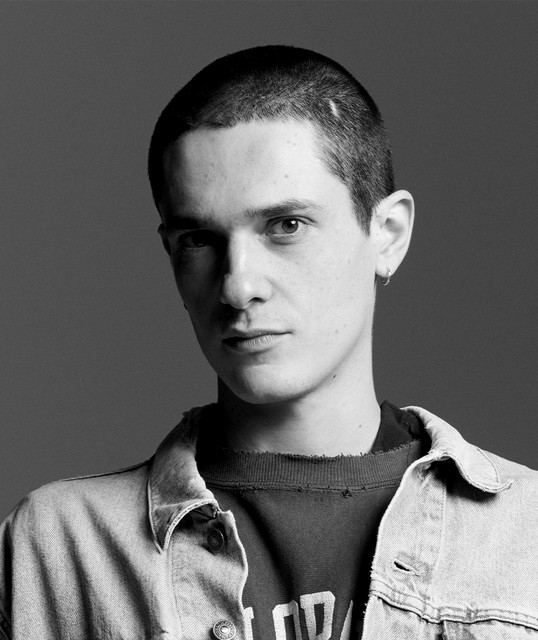
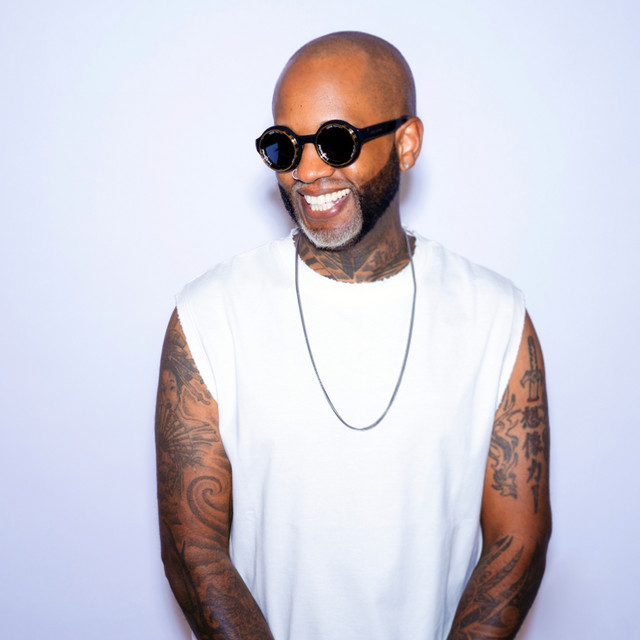
Top Pop dance Artists
Showing 25 of 57 artists









About Pop dance
Pop dance, or dance-pop, is a buoyant fusion of catchy pop songwriting and club-ready electronic rhythms. It is built to travel from radios to dance floors, combining memorable hooks, polished vocals, and percussion-heavy production that invites both sing-alongs and movement. The genre thrives on bright, radio-friendly melodies laid over four-on-the-floor beats, synth stabs, and often glossy, glossy production. In short, pop dance is pop that moves, and it moves fast.
Origins and birth timeline: dance-pop’s modern shape began taking form in the 1980s, drawing on disco’s groove, synth-pop’s sparkle, and the burgeoning club culture of Europe and the United States. In the United Kingdom and Australia, producers such as Stock Aitken Waterman crafted a string of danceable pop anthems in the late 1980s—Kylie Minogue’s early hits, Madonna’s high-energy cuts in the era, and other glossy productions that bridged radio and floor-filling appeal. By the 1990s, the genre absorbed Eurodance flavors and other electronic textures, while pop songwriters refined the formula to produce songs that could dominate both clubs and Top 40 charts. The late 1990s and 2000s brought a crystalline, highly polished pop-dance sound to a global audience, propelled by star artists and prolific Swedish and American songwriting/production teams.
Key artists and ambassadors: Pop dance has no single founder, but several figures stand out as its ambassadors. Madonna’s evolving, danceable repertoire has long influenced the genre’s trajectory. Kylie Minogue helped define the sound in the late '80s and '90s with carefree, dance-floor-friendly pop. In the late 1990s and early 2000s, Max Martin and his collaborators reshaped mainstream pop with songs that sit squarely in the dance-pop realm—Britney Spears’ “…Baby One More Time,” Christina Aguilera’s pop-anthem energy, and many Backstreet Boys cuts benefited from his melodic, hook-driven approach. In the 2000s and 2010s, figures like David Guetta and Calvin Harris fused EDM energy with pop sensibility, pushing the genre into clubs worldwide. Contemporary torchbearers include Lady Gaga, Katy Perry, Rihanna, and more recently Dua Lipa, Ariana Grande, and fresh generations who keep the sound sleek, anthemic, and dancefloor-ready.
Where it’s most popular: Pop dance has global appeal but has found particular strength in the United States and the United Kingdom, where radio formats and club scenes have long rewarded high-impact, hooky music. Sweden’s production ecosystem has been especially influential, supplying a steady stream of hits that cross into mainstream pop dance. It remains massively popular in Western Europe, Australia, and increasingly in parts of Asia and Latin America, where artists blend dance-pop with local influences to create regionally resonant variants. The genre’s universal emphasis on feel-good energy makes it a staple in contemporary pop, nightclubs, and streaming playlists worldwide.
What to listen for: Expect efficient, uplifting choruses, bright synthesizers, a steady tempo around 110–130 BPM, four-on-the-floor drums, and a commitment to immediacy—songs designed to be memorable upon first listen and irresistible on a dance floor. Pop dance continues to evolve, absorbing hyperpop density, tropical house flavors, and urban crossover rhythms, while always returning to its core mission: big melodies that move you.
Origins and birth timeline: dance-pop’s modern shape began taking form in the 1980s, drawing on disco’s groove, synth-pop’s sparkle, and the burgeoning club culture of Europe and the United States. In the United Kingdom and Australia, producers such as Stock Aitken Waterman crafted a string of danceable pop anthems in the late 1980s—Kylie Minogue’s early hits, Madonna’s high-energy cuts in the era, and other glossy productions that bridged radio and floor-filling appeal. By the 1990s, the genre absorbed Eurodance flavors and other electronic textures, while pop songwriters refined the formula to produce songs that could dominate both clubs and Top 40 charts. The late 1990s and 2000s brought a crystalline, highly polished pop-dance sound to a global audience, propelled by star artists and prolific Swedish and American songwriting/production teams.
Key artists and ambassadors: Pop dance has no single founder, but several figures stand out as its ambassadors. Madonna’s evolving, danceable repertoire has long influenced the genre’s trajectory. Kylie Minogue helped define the sound in the late '80s and '90s with carefree, dance-floor-friendly pop. In the late 1990s and early 2000s, Max Martin and his collaborators reshaped mainstream pop with songs that sit squarely in the dance-pop realm—Britney Spears’ “…Baby One More Time,” Christina Aguilera’s pop-anthem energy, and many Backstreet Boys cuts benefited from his melodic, hook-driven approach. In the 2000s and 2010s, figures like David Guetta and Calvin Harris fused EDM energy with pop sensibility, pushing the genre into clubs worldwide. Contemporary torchbearers include Lady Gaga, Katy Perry, Rihanna, and more recently Dua Lipa, Ariana Grande, and fresh generations who keep the sound sleek, anthemic, and dancefloor-ready.
Where it’s most popular: Pop dance has global appeal but has found particular strength in the United States and the United Kingdom, where radio formats and club scenes have long rewarded high-impact, hooky music. Sweden’s production ecosystem has been especially influential, supplying a steady stream of hits that cross into mainstream pop dance. It remains massively popular in Western Europe, Australia, and increasingly in parts of Asia and Latin America, where artists blend dance-pop with local influences to create regionally resonant variants. The genre’s universal emphasis on feel-good energy makes it a staple in contemporary pop, nightclubs, and streaming playlists worldwide.
What to listen for: Expect efficient, uplifting choruses, bright synthesizers, a steady tempo around 110–130 BPM, four-on-the-floor drums, and a commitment to immediacy—songs designed to be memorable upon first listen and irresistible on a dance floor. Pop dance continues to evolve, absorbing hyperpop density, tropical house flavors, and urban crossover rhythms, while always returning to its core mission: big melodies that move you.