Data may be outdated
Last updated: 9 months ago — Click refresh to get the latest statistics.
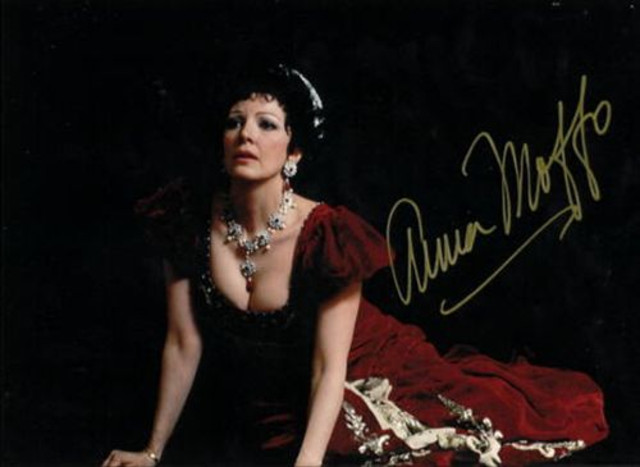
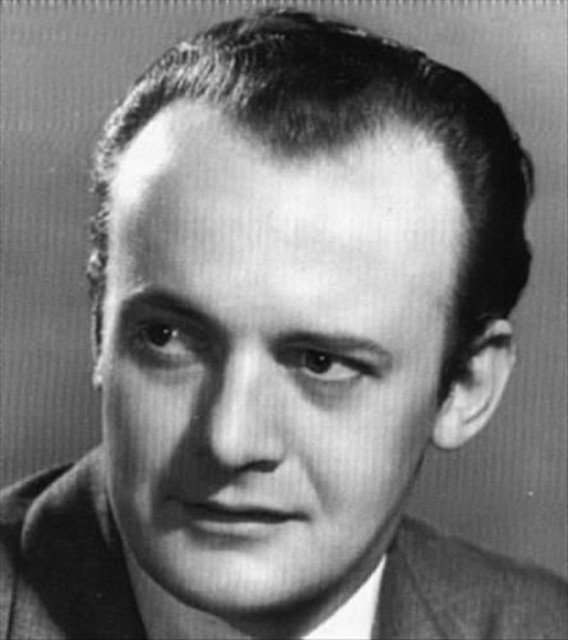
Well regarded by EMI record producer and <a href="spotify:artist:09KZU0NsS7jRa5p0SflmGY">Philharmonia Orchestra</a> founder <a href="spotify:artist:6u72aGWTVC1RUgPjCXVUgt">Walter Legge</a>, Alceo Galliera was often engaged for recordings in the two decades following WWII. Best remembered for his Il barbière di Siviglia with <a href="spotify:artist:0bjdfjE8XbLa2Odstu6E1E">Maria Callas</a> and <a href="spotify:artist:12msfS6HSE6p3CxcznZX6R">Tito Gobbi</a>, Galliera was involved in significant symphony and concerto recording projects as well and the results substantially justify <a href="spotify:artist:6u72aGWTVC1RUgPjCXVUgt">Legge</a>'s good opinion. As a composer, Galliera exhibited a by-no-means negligible talent, though his orchestral works have been infrequently heard following his retirement. Galliera's first training came from his father, Arnaldo Galliera, a composer and pedagogue whose classes at Parma Conservatory were in organ composition. Following those initial studies, Alceo was sent to the Milan conservatory, where he concentrated on organ, piano, and composition. His work as a student prompted the conservatory to offer him a post as instructor of organ and organ composition and he began his employment there in 1932. A 1941 conducting debut leading the orchestra of Rome's Accademia di Santa Cecilia led nowhere when Galliera felt compelled to flee to neutral Switzerland for the duration of WWII. Once hostilities had ended, however, he returned to conducting with a concert at the 1945 Lucerne Festival. No doubt aided by <a href="spotify:artist:6u72aGWTVC1RUgPjCXVUgt">Legge</a>'s connections, Galliera found a number of engagements beckoning. He appeared in many parts of Europe, in England, South and North America, Israel, and Australia and in 1957 was appointed resident conductor at Genoa's Teatro Carlo Felice. His engagement there lasted until 1960. A routine of guest appearances was interrupted again in 1964 when Galliera accepted the position of artistic director of the <a href="spotify:artist:6ovcFUr31ei4FmtLIXtyNa">Strasbourg Philharmonic</a>. The assignment there included his conducting the greater share of concerts; he remained in Strasbourg until 1972. In addition to his excellent work with the famous <a href="spotify:artist:0bjdfjE8XbLa2Odstu6E1E">Callas</a>' Barber, Galliera conducted recorded recitals by <a href="spotify:artist:28zJ68gN34mByp7NEYNdse">Anna Moffo</a> and Mattiwilda Dobbs and collaborated on disc with such pianists as <a href="spotify:artist:0mVpWDLWdc7t13qs29vnEv">Schnabel</a>, <a href="spotify:artist:0eQTutigtSNq6DmsYU9hPS">Michelangeli</a>, <a href="spotify:artist:5k15M5itLxlNtLk7BGpGa1">Arrau</a>, <a href="spotify:artist:5hnUbiLAjGNZ9JsiWzOBRC">Gieseking</a>, and <a href="spotify:artist:0Te2ZxgvPNpa87vUpbLunI">Lipatti</a>. He also led the <a href="spotify:artist:09KZU0NsS7jRa5p0SflmGY">Philharmonia</a> for <a href="spotify:artist:1gJVuXPiCWhi6LkWj743e8">Dennis Brain</a>'s celebrated recording of <a href="spotify:artist:6pAwHPeExeUbMd5w7Iny6D">Strauss</a>' first horn concerto.
Monthly Listeners
13,983
Monthly Listeners History
Track the evolution of monthly listeners over the last 28 days.
Followers
427
Followers History
Track the evolution of followers over the last 28 days.
Top Cities
290 listeners

261 listeners
227 listeners

179 listeners
142 listeners

Related Artists
Fernando Corena


Metropolitan Opera Chorus


Alberto Zedda

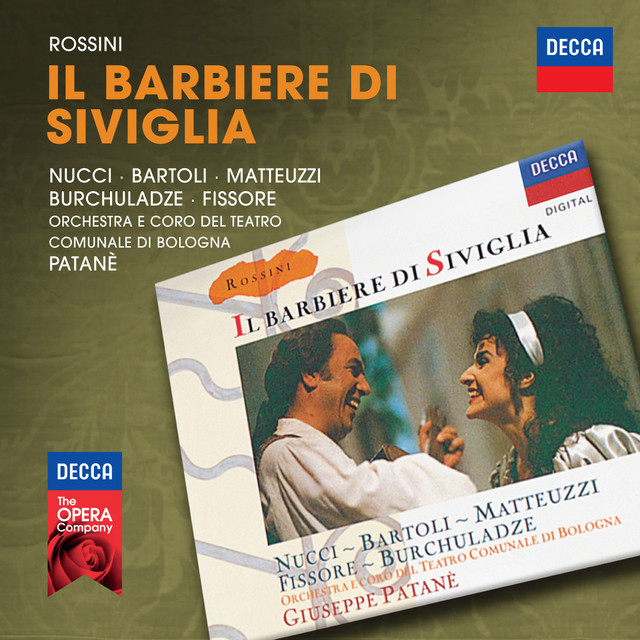
Enrico Fissore

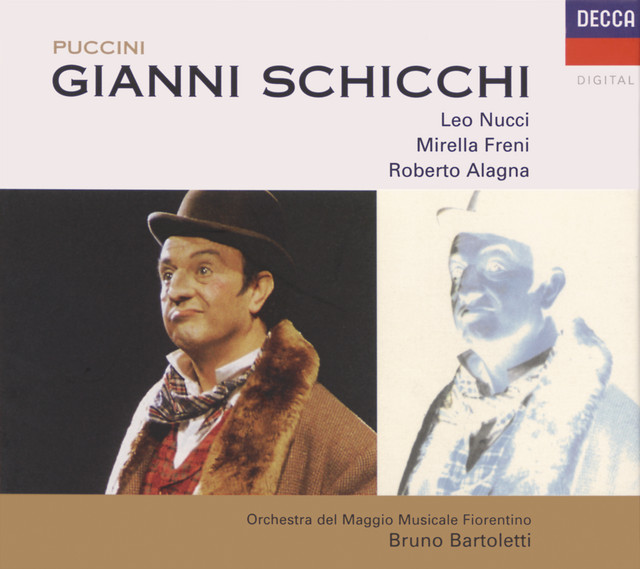
Coro del Maggio Musicale Fiorentino