Last updated: 5 days ago

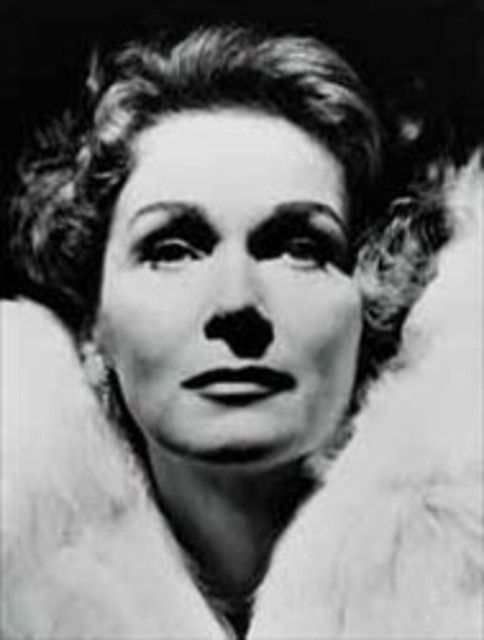
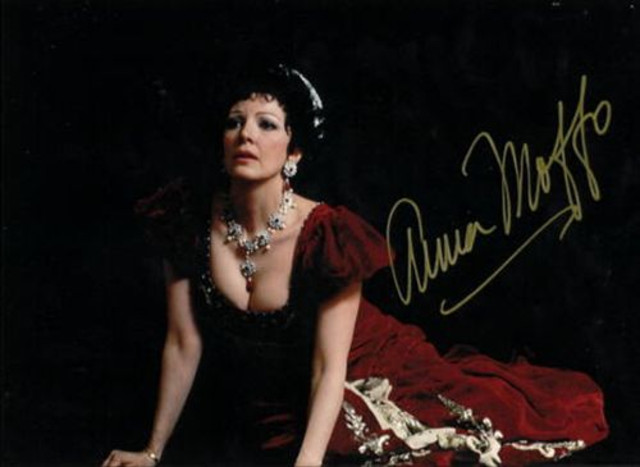
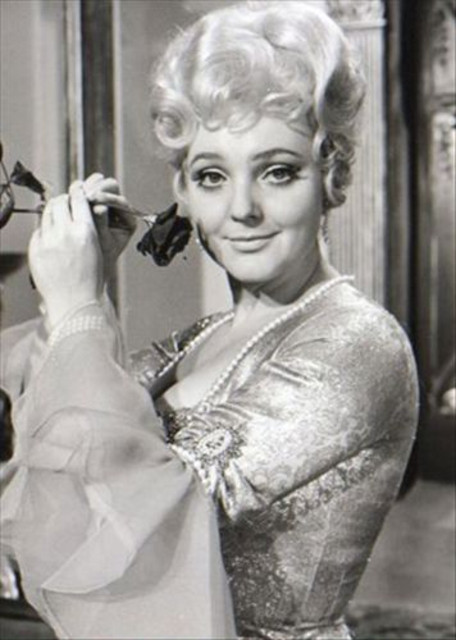
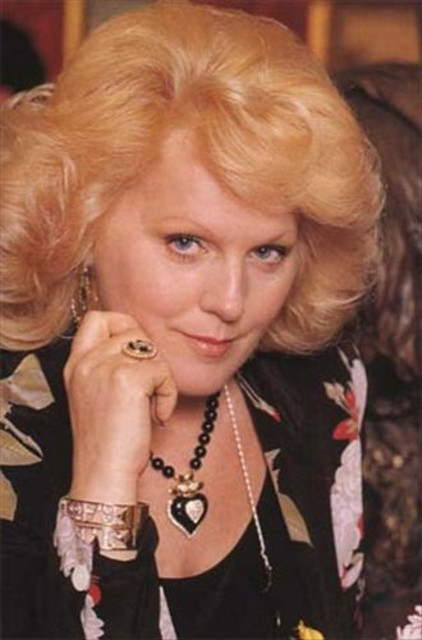
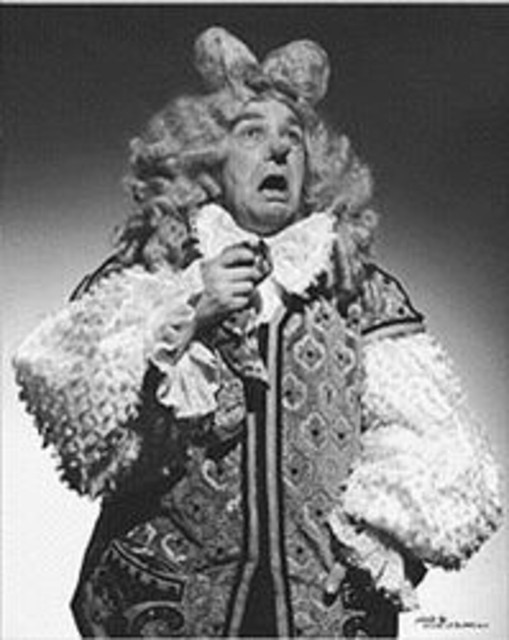
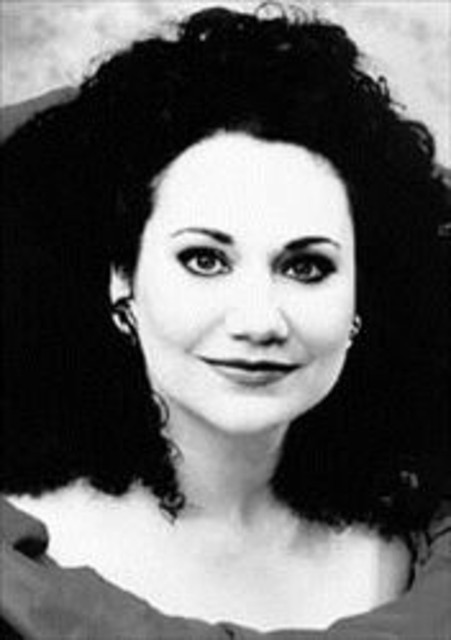
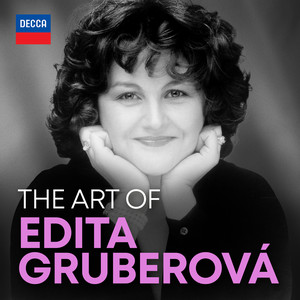
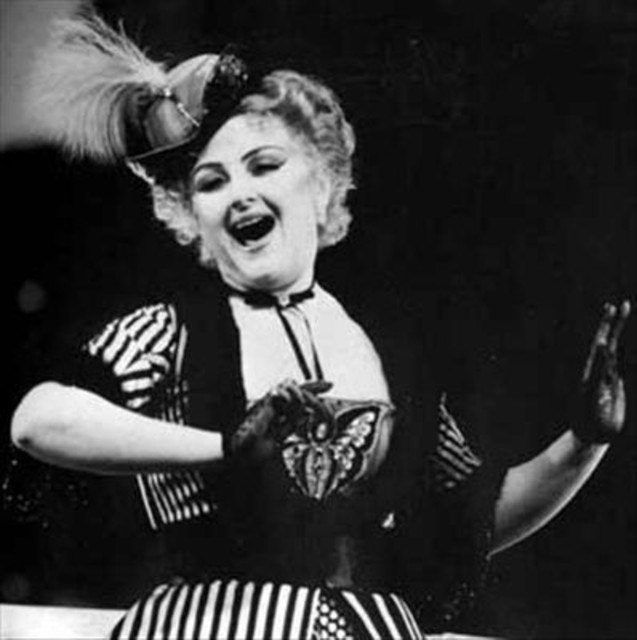
Edita Gruberová was a coloratura soprano, best known for her performances of <a href="spotify:artist:4NJhFmfw43RLBLjQvxDuRS">Mozart</a> and <a href="spotify:artist:6pAwHPeExeUbMd5w7Iny6D">Strauss</a> operas, but also strongly identified with the bel canto revival. She studied in her hometown of Bratislava, and then in Vienna and Prague, finally making her professional debut as Rosina in <a href="spotify:artist:0roWUeP7Ac4yK4VN6L2gF4">Rossini</a>'s Barber of Seville at the Slovak National Theater in 1968. An engagement to sing <a href="spotify:artist:4NJhFmfw43RLBLjQvxDuRS">Mozart</a>'s Queen of the Night with the Vienna State Opera in 1970 was pivotal in establishing her career. She joined the company as a regular member in 1972, and before long she had made successful debuts at Glyndebourne (1973), the Salzburg Festival (1974, as Thibault in <a href="spotify:artist:1JOQXgYdQV2yfrhewqx96o">Verdi</a>'s Don Carlo with <a href="spotify:artist:5zCaQxjl110XTrm4LQ1CxY">Karajan</a>), and the Metropolitan Opera (1977, again as <a href="spotify:artist:4NJhFmfw43RLBLjQvxDuRS">Mozart</a>'s Queen). During the late 1970s and early 1980s she debuted at many of the world's other major houses, including Covent Garden, La Scala, and the Chicago Lyric, but her schedule remained focused around the houses of central Europe -- a trend that continued throughout her career. Gruberová pursued a full schedule of operatic and concert appearances well into the 2000s.

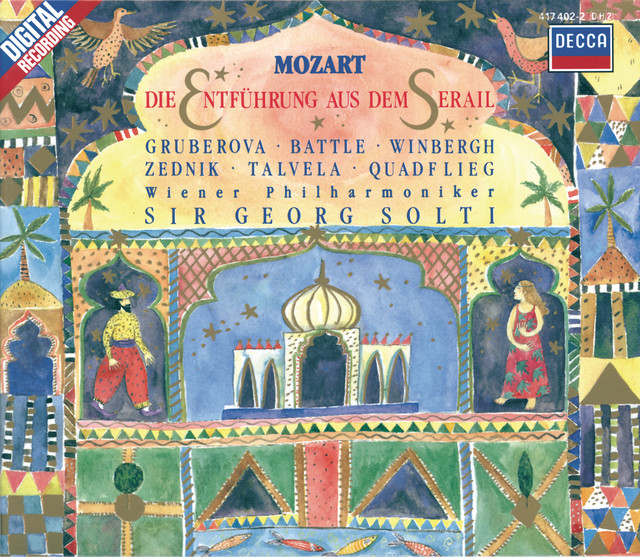
Other <a href="spotify:artist:4NJhFmfw43RLBLjQvxDuRS">Mozart</a> roles that Gruberová was strongly associated with included Constanze in Die Entführung aus dem Serail and, somewhat surprisingly, Donna Anna in Don Giovanni -- a more lyrical role that lacked the high-flying coloratura that was usually her calling card. Her performances of Zerbinetta in <a href="spotify:artist:6pAwHPeExeUbMd5w7Iny6D">Strauss</a>' Ariadne auf Naxos were considered among the best ever heard. Among the bel canto operas, <a href="spotify:artist:2jCGEMSZXMSOImpD8sqo56">Donizetti</a>'s Lucia and Anna Bolena, <a href="spotify:artist:0roWUeP7Ac4yK4VN6L2gF4">Rossini</a>'s Semiramide, and <a href="spotify:artist:6AphpMkKDU4I3Z6XaGu1UV">Bellini</a>'s I Capuleti e I Montecchi figured prominently in her success. Edita Gruberová died on October 18, 2021 in Zurich, Switzerland. She was 74 years old.

Monthly Listeners

26,400

Followers

8,028

Total Streams

33.6 million

Top Cities

693 listeners
331 listeners
387 listeners
290 listeners
329 listeners

Links

Popular Tracks

634 tracks
1
Ave Maria

Ave Maria

Nov 4, 2008

4.2 million

streams

2
Mozart: Die Zauberflöte, K. 620, Act 2: "Der Hölle Rache kocht in meinem Herzen" (Queen of Night)

Mozart: Die Zauberflöte, K. 620, Act 2: "Der Hölle Rache kocht in meinem Herzen" (Queen of Night)

Jan 1, 1983

3.4 million

streams
3
Die Zauberflöte, K. 620, Act II: Der Hölle Rache (Königin der Nacht)

Die Zauberflöte, K. 620, Act II: Der Hölle Rache (Königin der Nacht)

Jan 1, 1981

3.4 million

streams
4
La Sonnambula, Act I: Come per me sereno

La Sonnambula, Act I: Come per me sereno

Jan 1, 2013

2.0 million

streams

5
Les Contes d'Hoffmann / Act 4: "Belle nuit, ô nuit d'amour"

Les Contes d'Hoffmann / Act 4: "Belle nuit, ô nuit d'amour"

Jan 1, 1989

1.5 million

streams

6
Arrival

Arrival

Nov 4, 2008

1.2 million

streams

7
Jesu, Joy Of Man's Desiring

Jesu, Joy Of Man's Desiring

Nov 4, 2008

995,046

streams

8
Die Zauberflöte, K. 620, Act I: O zittre nicht, mein lieber Sohn (Königin der Nacht)

Die Zauberflöte, K. 620, Act I: O zittre nicht, mein lieber Sohn (Königin der Nacht)

Mar 20, 2017

953,579

streams

9
Die Zauberflöte, K.620, Act I: O zitt're nicht

Die Zauberflöte, K.620, Act I: O zitt're nicht

Jan 16, 2021

953,579

streams

10
Die Zauberflöte, K. 620, Act I: Das klinget so herrlich, das klinget so schön (Monostatos, Chor)

Die Zauberflöte, K. 620, Act I: Das klinget so herrlich, das klinget so schön (Monostatos, Chor)

Mar 20, 2017

943,082

streams