Data may be outdated
Last updated: 7 months ago — Click refresh to get the latest statistics.
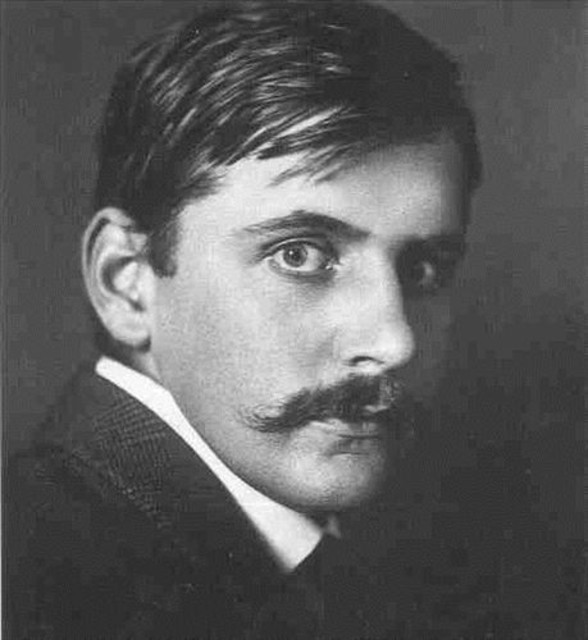
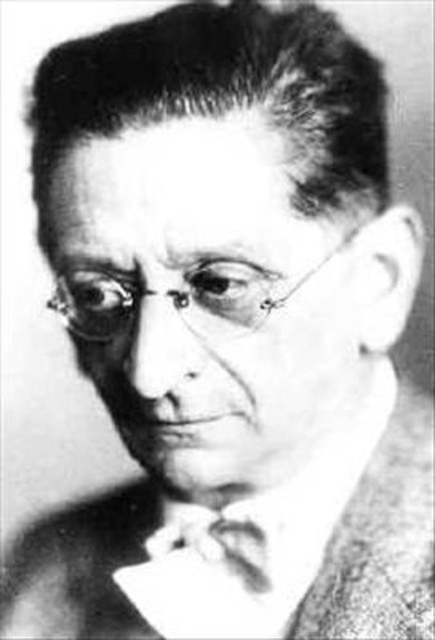
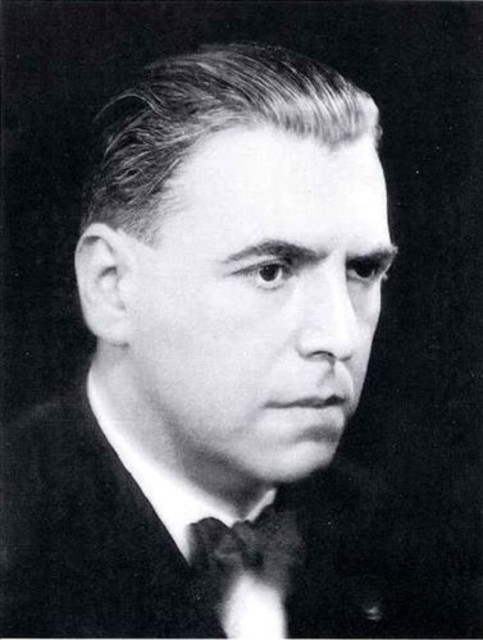
Alexander von Zemlinsky was an influential Austrian composer of the early 20th century known for his emotionally intense style. He was also a respected conductor and an important teacher to <a href="spotify:artist:5U827e4jbYz6EjtN0fIDt9">Arnold Schoenberg</a>, <a href="spotify:artist:3UaJz1tq0BBPzJBPgkBarb">Erich Wolfgang Korngold</a>, and <a href="spotify:artist:5HUE66Tcw98HX27STwwRw2">Karl Weigl</a>. He was born in 1871 in Vienna to a Hungarian father and Sephardic Jewish mother. By the age of four, he was already an impressive pianist, and he played the organ at his synagogue. After completing his general education in 1884, he enrolled at the Vienna Conservatory, where he studied with Anton Door, Franz Kren, and <a href="spotify:artist:4cFqOPihbrbcaQeuK6ttpp">Robert</a> and Johann Fuchs. He also studied composition with <a href="spotify:artist:2bM3j1JQWBkmzuoZKu4zj2">Anton Bruckner</a>, and he composed his first pieces in 1892. After attending the premieres of Zemlinsky’s Symphony in D minor and String Quintet, <a href="spotify:artist:5wTAi7QkpP6kp8a54lmTOq">Brahms</a> became a supporter of the young composer and helped him get his Clarinet Trio published in 1896. This was also around the time when the cellist <a href="spotify:artist:5U827e4jbYz6EjtN0fIDt9">Arnold Schoenberg</a> joined Zemlinsky’s orchestra Polyhymnia. <a href="spotify:artist:5U827e4jbYz6EjtN0fIDt9">Schoenberg</a> also studied counterpoint with Zemlinsky, and they became friends and brothers-in-law after <a href="spotify:artist:5U827e4jbYz6EjtN0fIDt9">Schoenberg</a> married Zemlinsky’s sister. Zemlinsky’s Symphony in B flat major won the Beethoven Prize in 1899, when he conducted its premiere with the <a href="spotify:artist:003f4bk13c6Q3gAUXv7dGJ">Vienna Philharmonic</a>. That same year, he was also appointed kapellmeister at the Carltheater in Vienna, and he converted to Protestantism. He left the Carltheater in 1906 for the same position at the Vienna Volksoper, followed by an appointment at the Hofoper from 1907 to 1908. After his contract with the Hofoper ended, he returned to the Volksoper and conducted a very successful premiere of his Kleider Machen Leute in 1910. He conducted at the Prague State Opera from 1911 to 1927, where he premiered several works, including <a href="spotify:artist:5U827e4jbYz6EjtN0fIDt9">Schoenberg</a>’s Erwartung. While in Prague, he composed some of his best-known pieecs, like the Lyric Symphony, Op. 18, Eine florentinische Tragödie, Op. 16, and his second and third String Quartets. From 1928 to 1931, Zemlinsky served as an assistant to <a href="spotify:artist:2ljDHW0zt90SrHDwjVIGXs">Otto Klemperer</a> at the Kroll Oper in Berlin. He also taught at the Musikhochschule, and he was in high demand as a guest conductor in Italy, Spain, and France. However, the Nazi presence in Berlin drove Zemlinsky and his family to Vienna in 1933, and they escaped to New York in 1938. There, he earned a living by composing pieces for children, but a debilitating stroke in 1939 left him unable to compose. He suffered additional strokes and declining health in his final years, and he died of pneumonia in 1942. ~ RJ Lambert, Rovi
Monthly Listeners
5,750
Monthly Listeners History
Track the evolution of monthly listeners over the last 28 days.
Followers
5,468
Followers History
Track the evolution of followers over the last 28 days.
Top Cities




Related Artists

Jan Latham-Koenig

Franz Schreker
Rundfunk-Sinfonieorchester Saarbrücken
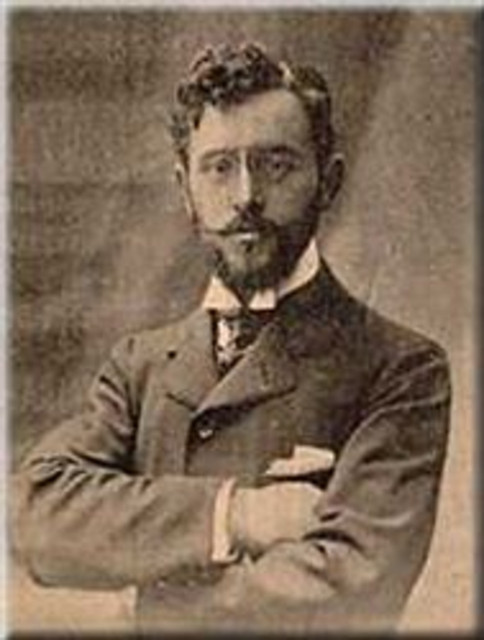
Florent Schmitt

Ernst Krenek
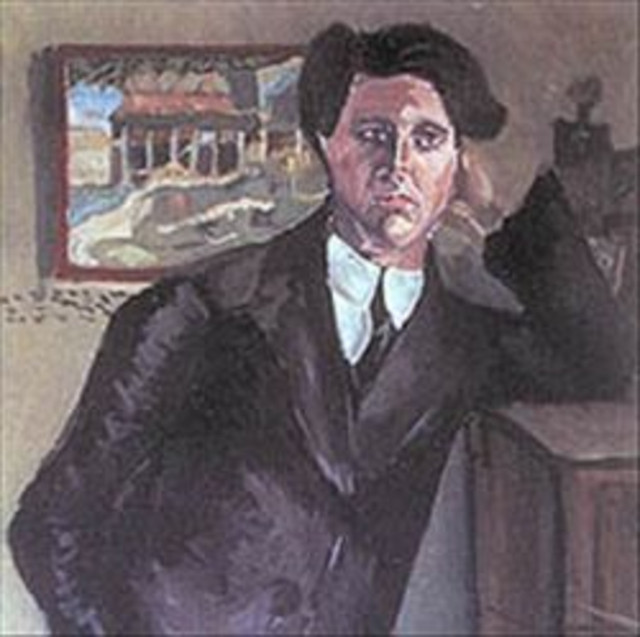
Joseph Marx
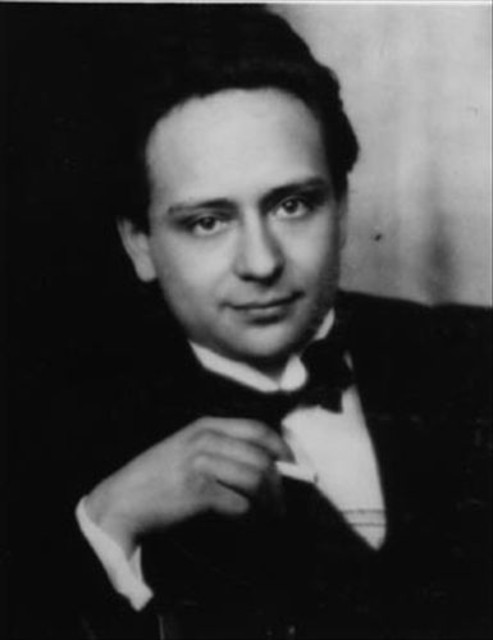
Viktor Ullmann
Peter Lodahl

Philharmonisches Staatsorchester Hamburg

Pascal Rophé
Düsseldorfer Symphoniker

Nikolai Myaskovsky
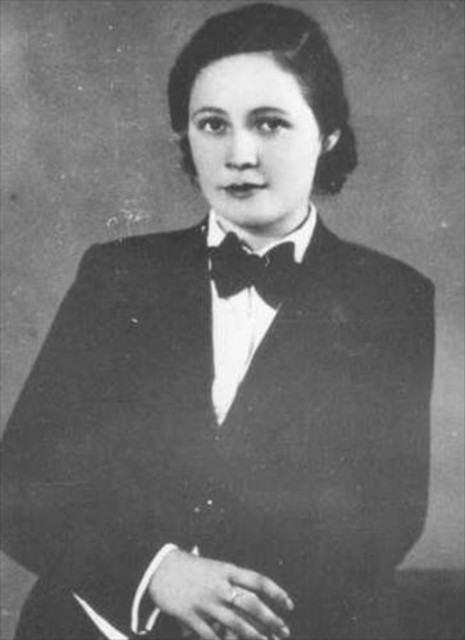
Vitezslava Kaprálová
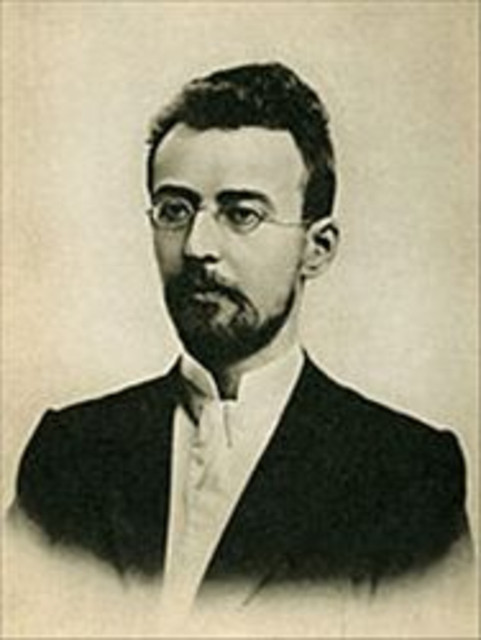
Mieczysław Karłowicz

Pavel Haas

David Paycha


Karl Amadeus Hartmann
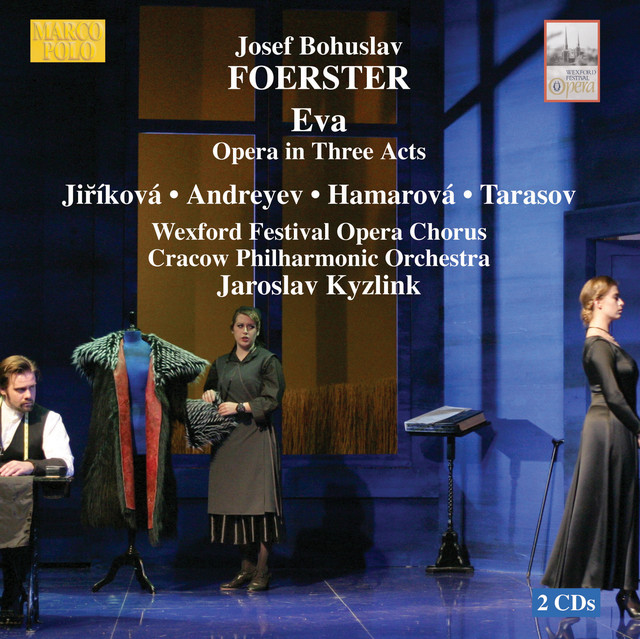
Josef Bohuslav Foerster

Alphons Diepenbrock

Thomas Martin

Robert Schumann Philharmonie

Rudi Stephan
Solveig Kringelborn