Data may be outdated
Last updated: 8 months ago — Click refresh to get the latest statistics.
Regarded as an outsider and an oddball during his lifetime, Rued Langgaard spent his entire career at odds with the Danish musical establishment; his last great public success was when the <a href="spotify:artist:6uRJnvQ3f8whVnmeoecv5Z">Berlin Philharmonic</a> played his massive Symphony No. 1 when he was 20 years old. Obscurity ensued until about the time of his centennary, when record labels determined to record everything ever written systematically brought his music to a more appreciative international public.
Langgaard received his first musical training from his parents and private teachers. He made his debut as an improvising organist at age 11 in Copenhagen, and four years later he turned heads with an ambitious cantata. During his teens, his parents frequently took him to Berlin; their contacts there led to the <a href="spotify:artist:6uRJnvQ3f8whVnmeoecv5Z">Berlin Philharmonic</a> performance of his first symphony. The Germans maintained an interest in the reserved young composer's extroverted music, but the Danes would have none of it. Langgaard launched an attack on the musical establishment as well as on modernism when the Copenhagen Royal Theater rejected his opera Antikrist in 1925. His opposition to the dominant culture, as well as his mystical-symbolist religious tendencies, did nothing to advance his career. Only in 1940 was he able to land a job as an organist in the provincial town of Ribe, a safe distance from Copenhagen culture.
Langgaard wrote more than 400 works; they were Straussian pieces until 1916, but then more along the lines of <a href="spotify:artist:73I7vbj7hzsw8rW4LUoxtz">Nielsen</a> with a hint of <a href="spotify:artist:3u1fWmwpwPOmMelTAo0Gb8">Hindemith</a> until 1924. From that second period emerged his fourth and sixth symphonies, Antikrist, and the second and third quartets. The years 1925-1945, oddly, brought a return to Wagnerian Romanticism with such works as Messis (Harvest Time); the music of this time is, to put it mildly, structurally incoherent, yet powerfully expressive. In his final years, Langgaard adopted a desperate, half-mad style even more dependent on collage and fragmentation than his earlier music. It was this music that began to interest avant-garde composers of the 1960s, but the full range of Langgaard's work did not become widely known until the 1990s.
Langgaard received his first musical training from his parents and private teachers. He made his debut as an improvising organist at age 11 in Copenhagen, and four years later he turned heads with an ambitious cantata. During his teens, his parents frequently took him to Berlin; their contacts there led to the <a href="spotify:artist:6uRJnvQ3f8whVnmeoecv5Z">Berlin Philharmonic</a> performance of his first symphony. The Germans maintained an interest in the reserved young composer's extroverted music, but the Danes would have none of it. Langgaard launched an attack on the musical establishment as well as on modernism when the Copenhagen Royal Theater rejected his opera Antikrist in 1925. His opposition to the dominant culture, as well as his mystical-symbolist religious tendencies, did nothing to advance his career. Only in 1940 was he able to land a job as an organist in the provincial town of Ribe, a safe distance from Copenhagen culture.
Langgaard wrote more than 400 works; they were Straussian pieces until 1916, but then more along the lines of <a href="spotify:artist:73I7vbj7hzsw8rW4LUoxtz">Nielsen</a> with a hint of <a href="spotify:artist:3u1fWmwpwPOmMelTAo0Gb8">Hindemith</a> until 1924. From that second period emerged his fourth and sixth symphonies, Antikrist, and the second and third quartets. The years 1925-1945, oddly, brought a return to Wagnerian Romanticism with such works as Messis (Harvest Time); the music of this time is, to put it mildly, structurally incoherent, yet powerfully expressive. In his final years, Langgaard adopted a desperate, half-mad style even more dependent on collage and fragmentation than his earlier music. It was this music that began to interest avant-garde composers of the 1960s, but the full range of Langgaard's work did not become widely known until the 1990s.
Monthly Listeners
2,446
Monthly Listeners History
Track the evolution of monthly listeners over the last 28 days.
Followers
2,431
Followers History
Track the evolution of followers over the last 28 days.
Top Cities
93 listeners

58 listeners

37 listeners

32 listeners

27 listeners
Related Artists
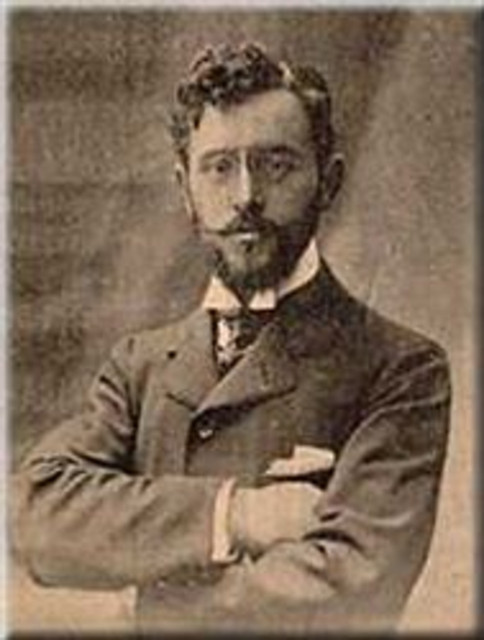
Florent Schmitt


Franz Schreker

Pascal Rophé
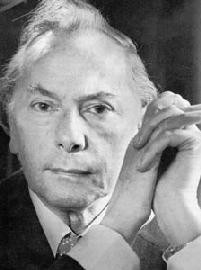

Robert Schumann Philharmonie

Pavel Haas

Jan Latham-Koenig


Ernst Krenek


Alphons Diepenbrock
Vitezslava Kaprálová

Hendrik Andriessen

Vagn Holmboe


Einar Englund
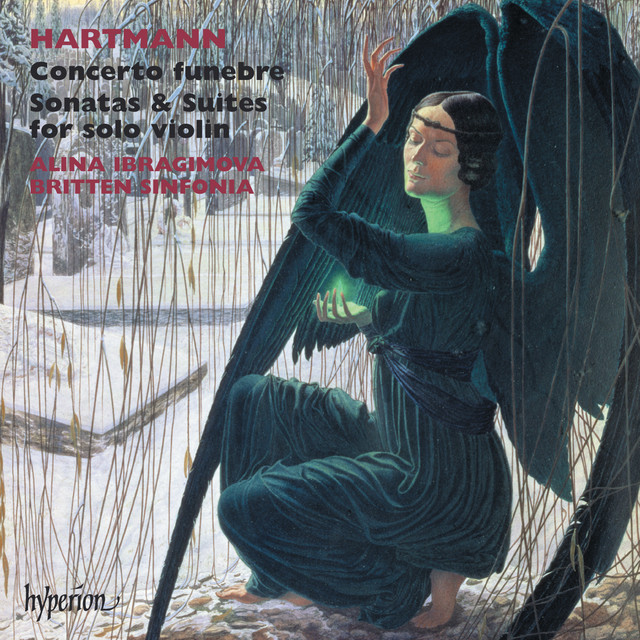
Karl Amadeus Hartmann

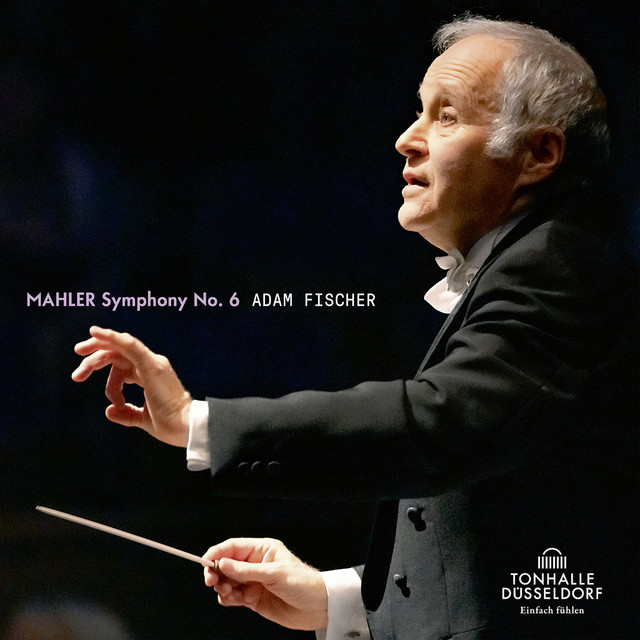
Düsseldorfer Symphoniker
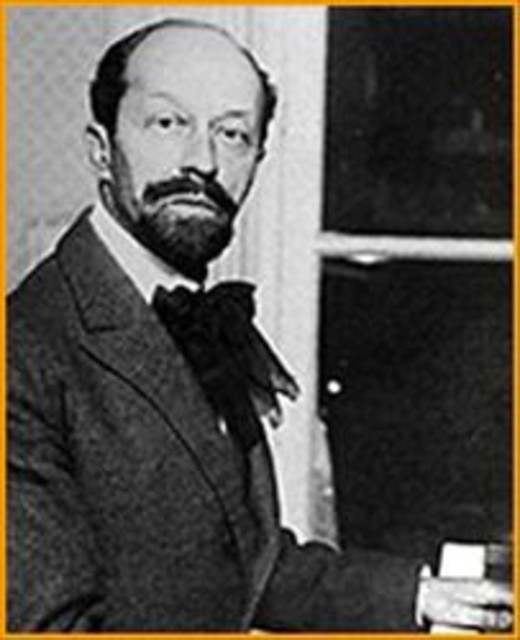
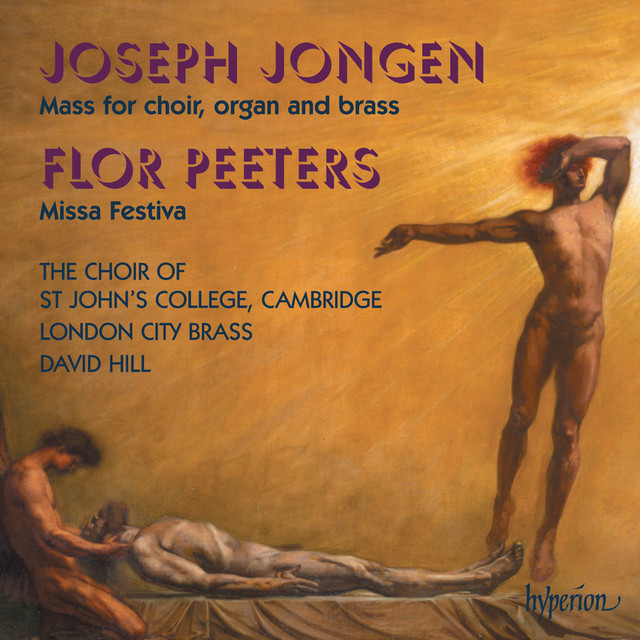
Joseph Jongen
Joly Braga Santos

Benjamin Shwartz
Ernst Kovacic
Granville Bantock
Nikolai Myaskovsky
Magnus Lindberg