Data may be outdated
Last updated: 9 months ago — Click refresh to get the latest statistics.
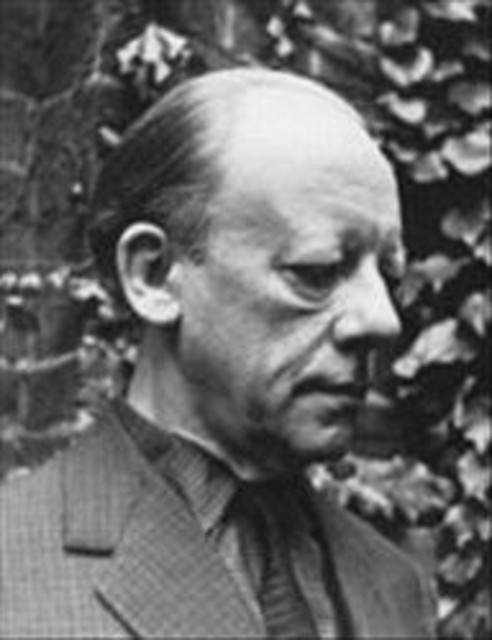
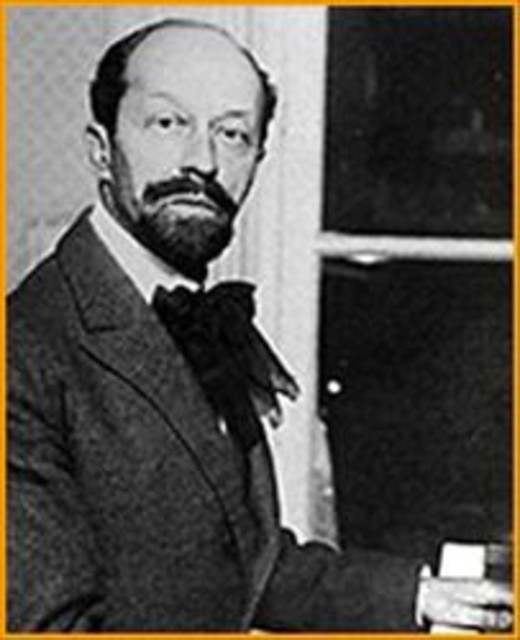
Though less well known than his contemporaries <a href="spotify:artist:17hR0sYHpx7VYTMRfFUOmY">Ravel</a> and <a href="spotify:artist:1Uff91EOsvd99rtAupatMP">Debussy</a>, Albert Roussel is nevertheless regarded as one of the most important figures in early twentieth century French music. Roussel's music reflects his efforts to explore new possibilities of expression while remaining faithful to traditional musical ideas; evident in his chamber music and works for the stage, this tension between traditionalism and experimentation is particularly successful in his symphonies.
Born into an affluent family, Roussel lost both his parents when he was very young, and was entrusted to the care of his grandfather at age seven; in 1880, the grandfather died, and a maternal aunt took over the responsibility of raising the boy. Although he was interested in music, Roussel decided to pursue a naval career; he graduated from the Ecole Navale in 1889, eventually serving in Indochina as an officer.
In 1894, however, Roussel resigned his commission, devoting himself completely to music. He went to Paris, where he studied with the composer and organist <a href="spotify:artist:0i4Jp0JppLu9V6IJa25eC5">Eugene Gigout</a>. Four years later, he began studies with <a href="spotify:artist:74t2IgTigmFhqMn5gs5XPt">Vincent d'Indy</a> at the newly-founded Schola Cantorum. In 1902, although he had not yet completed his studies, Roussel became professor of counterpoint at the Schola Cantorum.
Having already composed several significant works (including his Piano Trio and the First Symphony), Roussel married Blanche Preisach in 1908; the following year, the two traveled to India, where he was exposed to the medieval Hindu legend of Queen Padmavati, who sacrificed her life for love. Fascinated by this story, Roussel decided to set it to music (his opera, Padmåvatî, 1923).
At the outbreak of World War I in 1914 Roussel applied for active duty, eventually obtaining an artillery commission; after the war, having retired to Perros-Guirec on the coast of Brittany, he focused on unfinished projects, which included the opera-ballet Padmåvatî. This work, which incorporates elements of traditional Indian music, marked a new period for Roussel, whose earlier compositions showed influences of Impressionism.
During the 1920s, Roussel struggled to balance an increasing structural complexity with emotional expressiveness in his works. His Second Symphony, completed in 1921, exemplifies this tension; in Roussel's subsequent works, the listener can also detect elements of neo-Classicism.
In 1922, Roussel settled in Vasterival, in the coast of Normandy. Despite increasingly frail health, he devoted much of his energy to composing; he completed the Piano Concerto in 1927. His increasing public esteem is evidenced by a festival entirely devoted to his works in Paris (1927) as well as a commission from the <a href="spotify:artist:0K23lQ2hSQAlxSEeZ05bjI">Boston Symphony Orchestra</a> for that organization's 50th anniversary (Third Symphony, 1930); Roussel traveled to the United States for the performance.
Works composed toward the end of Roussel's life, such as the String Quartet (1931-1932), the Fourth Symphony (1934), and the String Trio (1937), show his melodic idiom to be enriched by elements of chromaticism and polytonality. In these compositions, Roussel managed a successful synthesis of these new elements with the transparency of his earlier style.
Born into an affluent family, Roussel lost both his parents when he was very young, and was entrusted to the care of his grandfather at age seven; in 1880, the grandfather died, and a maternal aunt took over the responsibility of raising the boy. Although he was interested in music, Roussel decided to pursue a naval career; he graduated from the Ecole Navale in 1889, eventually serving in Indochina as an officer.
In 1894, however, Roussel resigned his commission, devoting himself completely to music. He went to Paris, where he studied with the composer and organist <a href="spotify:artist:0i4Jp0JppLu9V6IJa25eC5">Eugene Gigout</a>. Four years later, he began studies with <a href="spotify:artist:74t2IgTigmFhqMn5gs5XPt">Vincent d'Indy</a> at the newly-founded Schola Cantorum. In 1902, although he had not yet completed his studies, Roussel became professor of counterpoint at the Schola Cantorum.
Having already composed several significant works (including his Piano Trio and the First Symphony), Roussel married Blanche Preisach in 1908; the following year, the two traveled to India, where he was exposed to the medieval Hindu legend of Queen Padmavati, who sacrificed her life for love. Fascinated by this story, Roussel decided to set it to music (his opera, Padmåvatî, 1923).
At the outbreak of World War I in 1914 Roussel applied for active duty, eventually obtaining an artillery commission; after the war, having retired to Perros-Guirec on the coast of Brittany, he focused on unfinished projects, which included the opera-ballet Padmåvatî. This work, which incorporates elements of traditional Indian music, marked a new period for Roussel, whose earlier compositions showed influences of Impressionism.
During the 1920s, Roussel struggled to balance an increasing structural complexity with emotional expressiveness in his works. His Second Symphony, completed in 1921, exemplifies this tension; in Roussel's subsequent works, the listener can also detect elements of neo-Classicism.
In 1922, Roussel settled in Vasterival, in the coast of Normandy. Despite increasingly frail health, he devoted much of his energy to composing; he completed the Piano Concerto in 1927. His increasing public esteem is evidenced by a festival entirely devoted to his works in Paris (1927) as well as a commission from the <a href="spotify:artist:0K23lQ2hSQAlxSEeZ05bjI">Boston Symphony Orchestra</a> for that organization's 50th anniversary (Third Symphony, 1930); Roussel traveled to the United States for the performance.
Works composed toward the end of Roussel's life, such as the String Quartet (1931-1932), the Fourth Symphony (1934), and the String Trio (1937), show his melodic idiom to be enriched by elements of chromaticism and polytonality. In these compositions, Roussel managed a successful synthesis of these new elements with the transparency of his earlier style.
Monthly Listeners
14,612
Monthly Listeners History
Track the evolution of monthly listeners over the last 28 days.
Followers
2,779
Followers History
Track the evolution of followers over the last 28 days.
Top Cities
215 listeners

194 listeners

185 listeners

159 listeners

148 listeners

Related Artists
Florent Schmitt
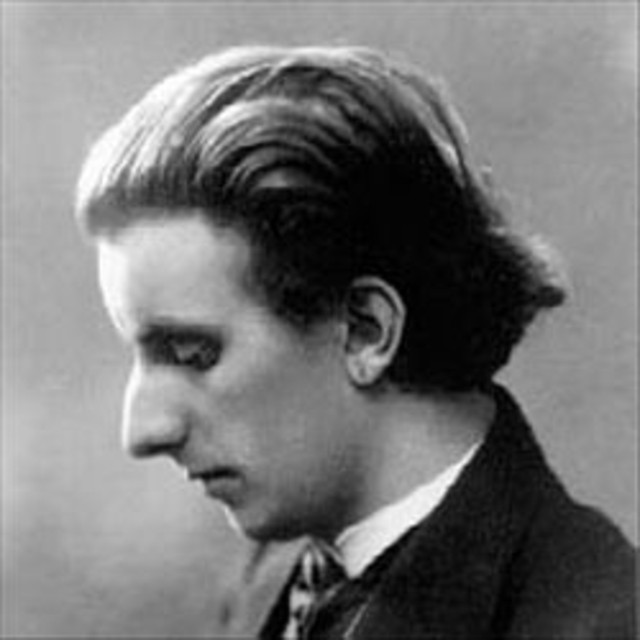
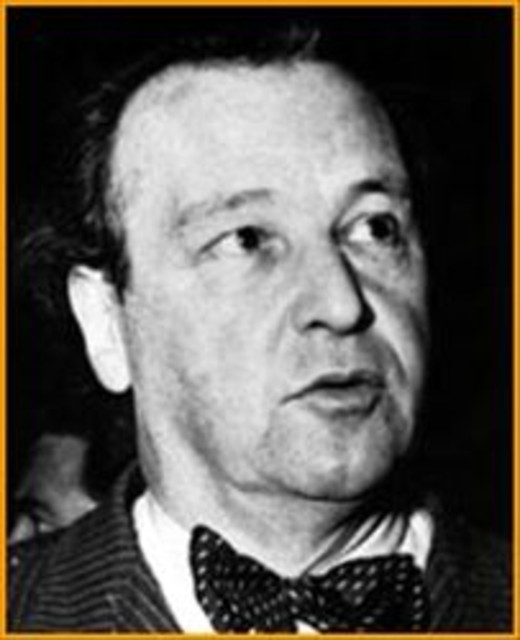

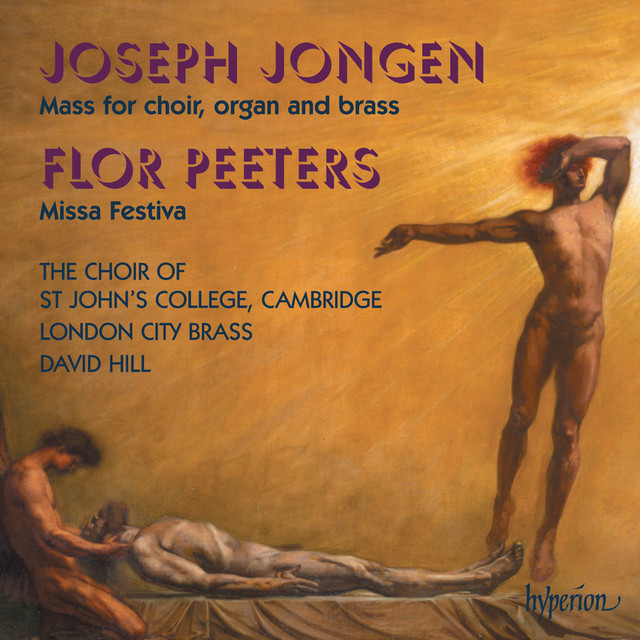
Joseph Jongen
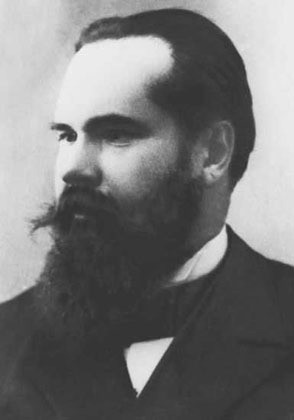

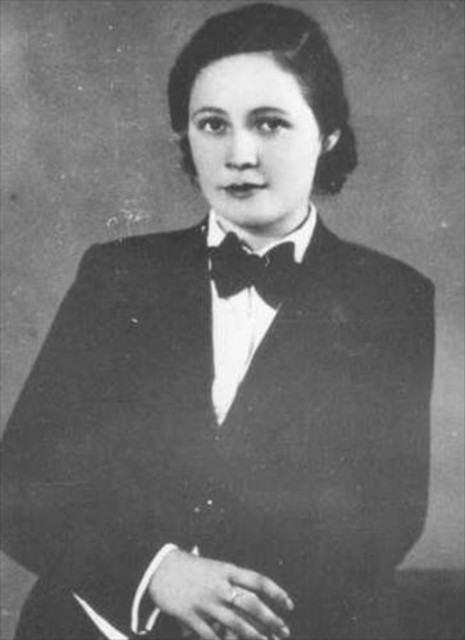
Vitezslava Kaprálová

Franz Schreker
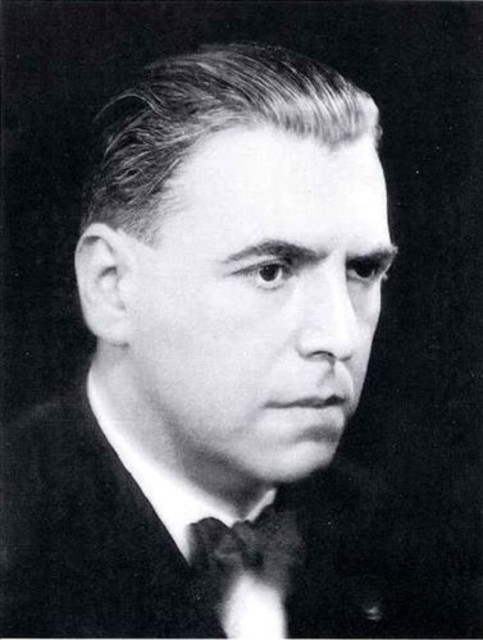
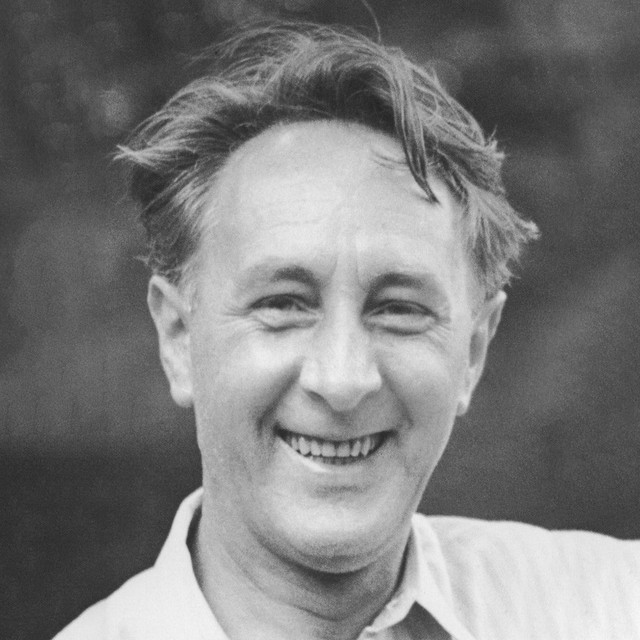
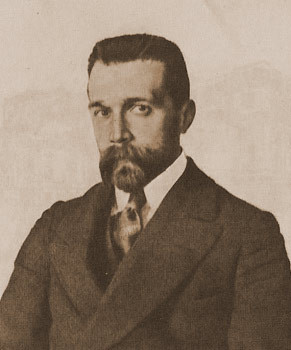
Nikolai Myaskovsky
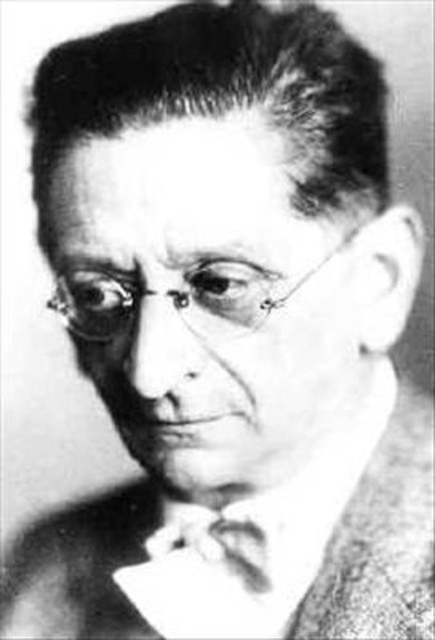
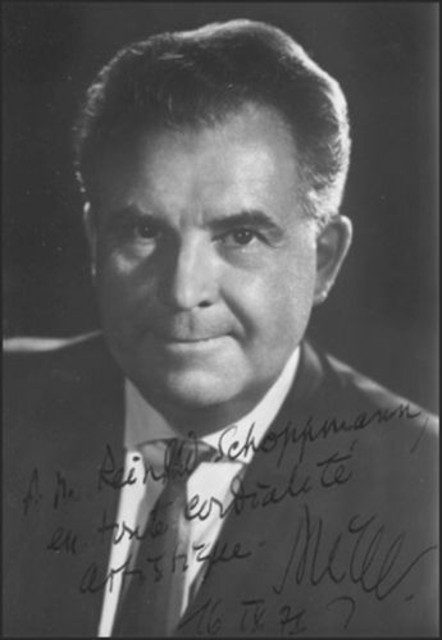
André Jolivet
Rafael Rodriguez Albert

Jan Latham-Koenig
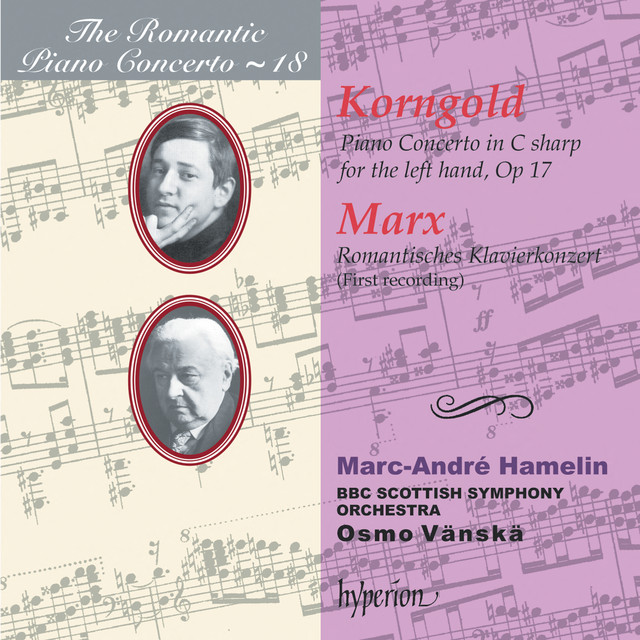
Joseph Marx

Ernst Krenek

Pascal Rophé
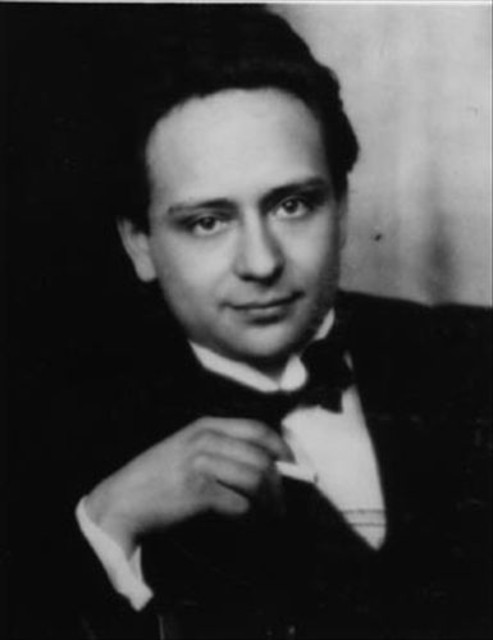
Viktor Ullmann


Thomas Martin

Hendrik Andriessen
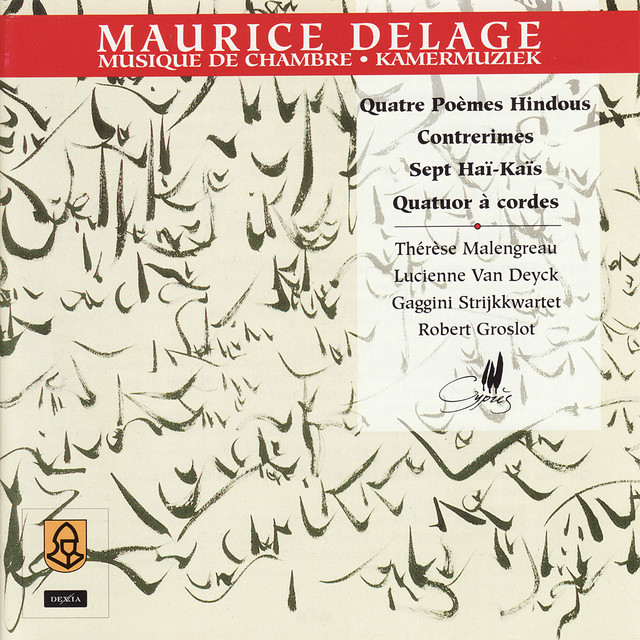
Maurice Delage
Henri Dutilleux

Einar Englund
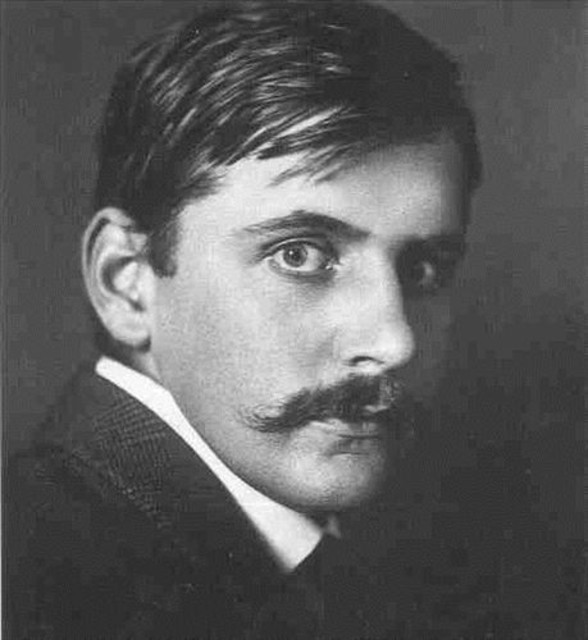

Alphons Diepenbrock

Robert Schumann Philharmonie
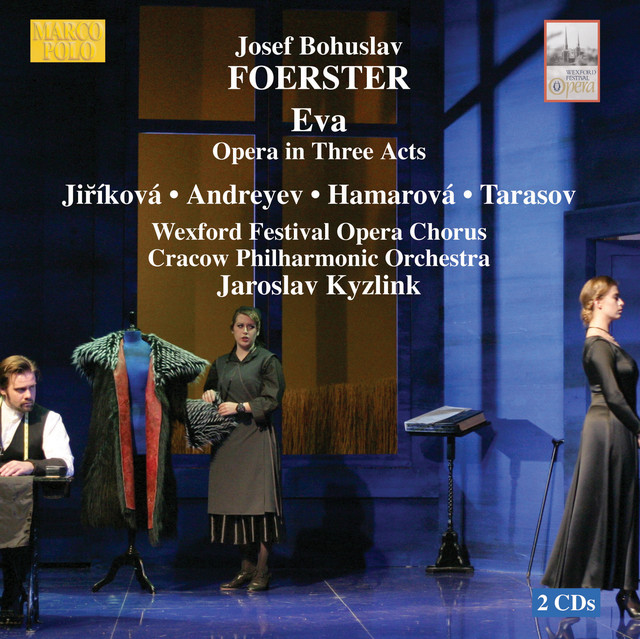
Josef Bohuslav Foerster

N/a