Artist
Arthur Honegger
Data may be outdated
Last updated: 9 months ago — Click refresh to get the latest statistics.
Arthur Honegger was a composer of operas, chamber music, and orchestral music. An almost exact contemporary of <a href="spotify:artist:4kHtgiRnpmFIV5Tm4BIs8l">Prokofiev</a> (1891-1953), he rivaled <a href="spotify:artist:4IAWVxo2fpTBPn6k7GZ3eY">Poulenc</a> as the most successful member of Les Six and was without doubt among the greatest French composers of his day. He was influenced in his early work by the impressionists and <a href="spotify:artist:7ie36YytMoKtPiL7tUvmoE">Stravinsky</a>'s modernism, but stylistically, he was quite protean, eschewing the Impressionism of <a href="spotify:artist:1Uff91EOsvd99rtAupatMP">Debussy</a> while absorbing certain features of neo-Classicism and taking on a sometimes brash and usually rugged expressive manner, always within a tonal context. Honegger used a personal style in his mature work that is densely bitonal, classically polyphonic, and emotionally austere. This is especially apparent in the beautiful Symphony No. 2 for string orchestra -- with a mysteriously emerging trumpet solo in the last movement -- a work written in occupied Paris of WWII.
Born in France to Swiss parents, Honegger became proficient on the violin as a child, but he also developed an interest in composition early on. His first work, an unorchestrated opera, Philippa, dates to 1903. He enrolled at the Zurich Conservatory while in his teens, where he studied composition with Friedrich Hegar and violin with Willem de Boer. He left after two years for the more prestigious Paris Conservatory in 1911, where he studied composition with <a href="spotify:artist:6wgviqppMkEUf4p2WJ2uVa">Widor</a> and Gédalge. Although he continued to take instruction on the violin there, Honegger was clearly more interested in a career as a composer. In 1913, his family relocated to Zurich, but he remained in Le Havre and commuted daily to Paris by train, perhaps one of the reasons he developed a fascination with locomotives. His first works began gaining exposure by 1916, and four years later, he and his conservatory friends <a href="spotify:artist:6bwXuNL4AuC7w3AxspKXn6">Milhaud</a>, <a href="spotify:artist:1OWxt3WxCvMwyOwfdQ20RK">Auric</a>, and <a href="spotify:artist:6BPFsvVekatEQbA8l07afM">Tailleferre</a>, along with <a href="spotify:artist:4IAWVxo2fpTBPn6k7GZ3eY">Poulenc</a> and <a href="spotify:artist:4Jz6XEYznShuTlMJ0QGUT6">Durey</a>, found themselves aligned in the famous musical group called Les Six, a name coined by critic Henri Collet. Les Six was formed in reaction to Impressionism and Wagnerian ideas, but Honegger did not recognize any musical creed in his association with the group.
In 1923, Honegger composed one of his most famous works, Pacific 231 (Mouvement symphonique No. 1), a work whose motoric qualities were inspired by the sounds and rhythms of a locomotive. The piece was a tremendous success and spawned many imitations. In 1926, Honegger married a young, highly gifted French pianist, Andrée Vaurabourg. The two rarely lived together during their marriage, owing to the composer's need for solitude in his creative activities. On concert tours, however, they apparently shared quarters and throughout their marriage were otherwise a happy, loving couple. The 1928 Rugby (Mouvement symphonique No. 2) was also a success for Honegger and is another example of the composer being inspired by an extra-musical interest: he was a sports enthusiast, especially of rugby. Honegger made many concert tours in the 1930s with his wife, who would perform his piano and chamber works or serve as accompanist to his songs. His oratorio Jeanne d'Arc au Bucher (1935) is a significant work told in a series of episodic "flashbacks," a form that fits well with the music. His concert and compositional activity was curtailed for a year when he nursed his wife along to recovery following a serious injury in a 1935 automobile accident.
During the war years, Honegger taught at the École Normale de Musique and made many trips to Zurich, where his Symphony No. 2 (1940-1941) was successfully premiered by Paul Sacher and the <a href="spotify:artist:7zszW8DD5ot4sHWtsbddY9">Collegium Musicum</a> on May 18, 1942. Honegger remained quite prolific during these dark years, especially in the realm of film music. He wrote 11 film scores in the period of 1942 to 1943, though some were collaborations with other composers, such as <a href="spotify:artist:5RLjTTgn3q1gx0A514BRzx">Jolivet</a>. In 1947, on a concert tour in the United States, Honegger suffered a heart attack and thereafter his health declined, severely limiting his musical activities, with his wife tending to him in his final year. ~ TiVo Staff, Rovi
Born in France to Swiss parents, Honegger became proficient on the violin as a child, but he also developed an interest in composition early on. His first work, an unorchestrated opera, Philippa, dates to 1903. He enrolled at the Zurich Conservatory while in his teens, where he studied composition with Friedrich Hegar and violin with Willem de Boer. He left after two years for the more prestigious Paris Conservatory in 1911, where he studied composition with <a href="spotify:artist:6wgviqppMkEUf4p2WJ2uVa">Widor</a> and Gédalge. Although he continued to take instruction on the violin there, Honegger was clearly more interested in a career as a composer. In 1913, his family relocated to Zurich, but he remained in Le Havre and commuted daily to Paris by train, perhaps one of the reasons he developed a fascination with locomotives. His first works began gaining exposure by 1916, and four years later, he and his conservatory friends <a href="spotify:artist:6bwXuNL4AuC7w3AxspKXn6">Milhaud</a>, <a href="spotify:artist:1OWxt3WxCvMwyOwfdQ20RK">Auric</a>, and <a href="spotify:artist:6BPFsvVekatEQbA8l07afM">Tailleferre</a>, along with <a href="spotify:artist:4IAWVxo2fpTBPn6k7GZ3eY">Poulenc</a> and <a href="spotify:artist:4Jz6XEYznShuTlMJ0QGUT6">Durey</a>, found themselves aligned in the famous musical group called Les Six, a name coined by critic Henri Collet. Les Six was formed in reaction to Impressionism and Wagnerian ideas, but Honegger did not recognize any musical creed in his association with the group.
In 1923, Honegger composed one of his most famous works, Pacific 231 (Mouvement symphonique No. 1), a work whose motoric qualities were inspired by the sounds and rhythms of a locomotive. The piece was a tremendous success and spawned many imitations. In 1926, Honegger married a young, highly gifted French pianist, Andrée Vaurabourg. The two rarely lived together during their marriage, owing to the composer's need for solitude in his creative activities. On concert tours, however, they apparently shared quarters and throughout their marriage were otherwise a happy, loving couple. The 1928 Rugby (Mouvement symphonique No. 2) was also a success for Honegger and is another example of the composer being inspired by an extra-musical interest: he was a sports enthusiast, especially of rugby. Honegger made many concert tours in the 1930s with his wife, who would perform his piano and chamber works or serve as accompanist to his songs. His oratorio Jeanne d'Arc au Bucher (1935) is a significant work told in a series of episodic "flashbacks," a form that fits well with the music. His concert and compositional activity was curtailed for a year when he nursed his wife along to recovery following a serious injury in a 1935 automobile accident.
During the war years, Honegger taught at the École Normale de Musique and made many trips to Zurich, where his Symphony No. 2 (1940-1941) was successfully premiered by Paul Sacher and the <a href="spotify:artist:7zszW8DD5ot4sHWtsbddY9">Collegium Musicum</a> on May 18, 1942. Honegger remained quite prolific during these dark years, especially in the realm of film music. He wrote 11 film scores in the period of 1942 to 1943, though some were collaborations with other composers, such as <a href="spotify:artist:5RLjTTgn3q1gx0A514BRzx">Jolivet</a>. In 1947, on a concert tour in the United States, Honegger suffered a heart attack and thereafter his health declined, severely limiting his musical activities, with his wife tending to him in his final year. ~ TiVo Staff, Rovi
Monthly Listeners
16,123
Monthly Listeners History
Track the evolution of monthly listeners over the last 28 days.
Followers
9,536
Followers History
Track the evolution of followers over the last 28 days.
Top Cities




Related Artists

Franz Schreker
Florent Schmitt

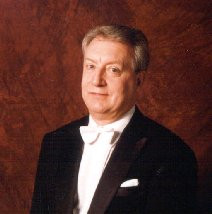
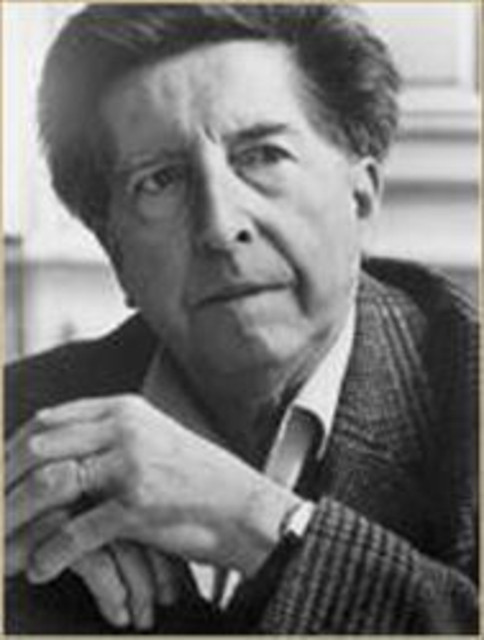
Henri Dutilleux
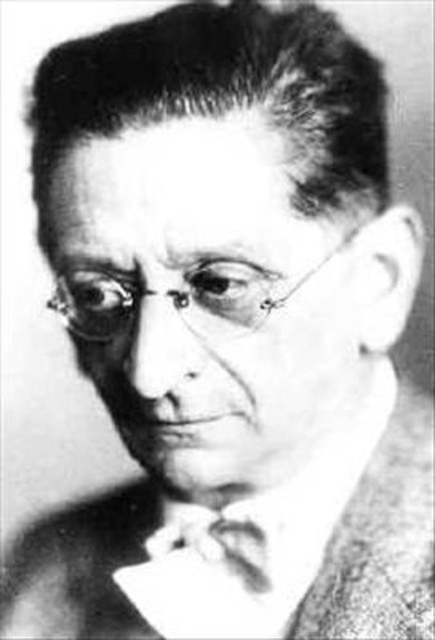
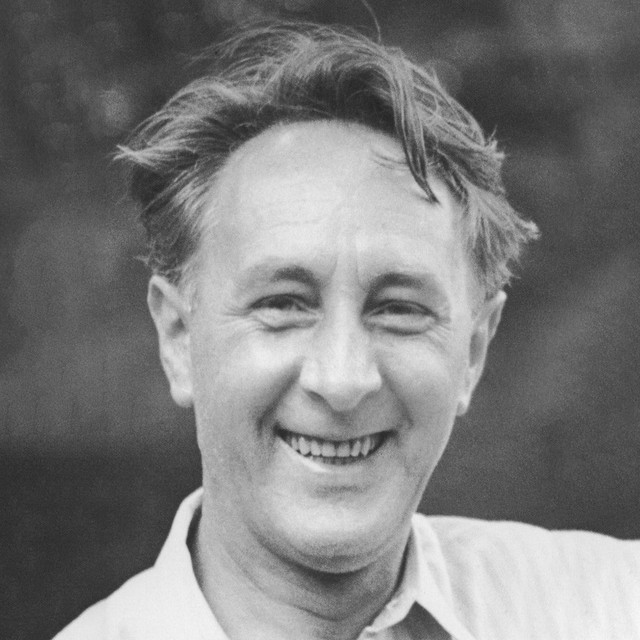

Pascal Rophé
Ole Schmidt
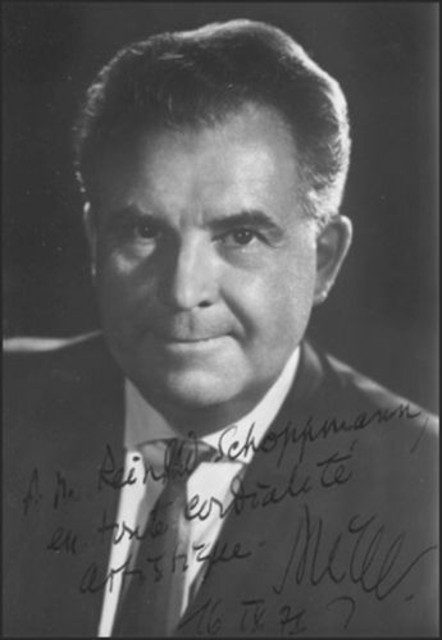
André Jolivet

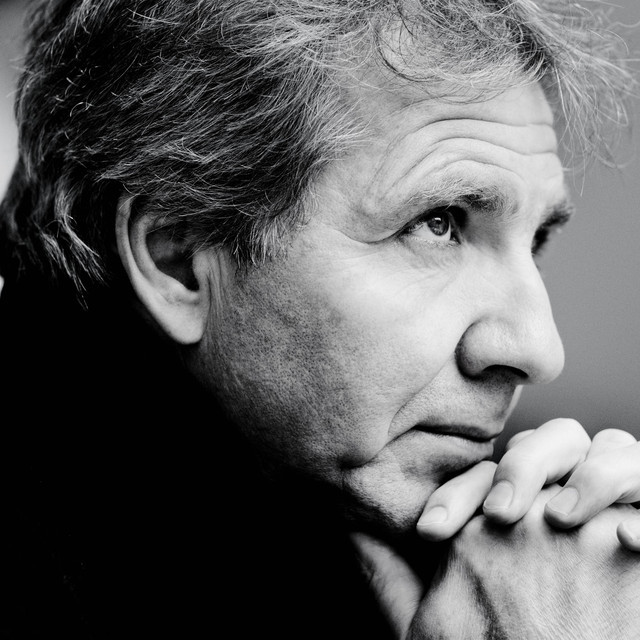
Thierry Fischer


Jan Latham-Koenig
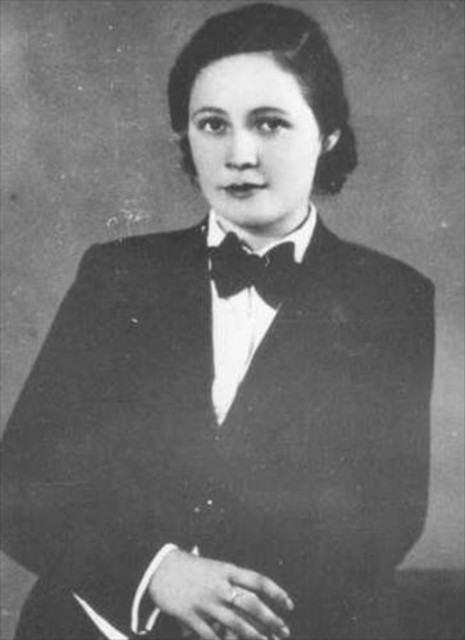
Vitezslava Kaprálová
Joseph Jongen


Ernst Krenek
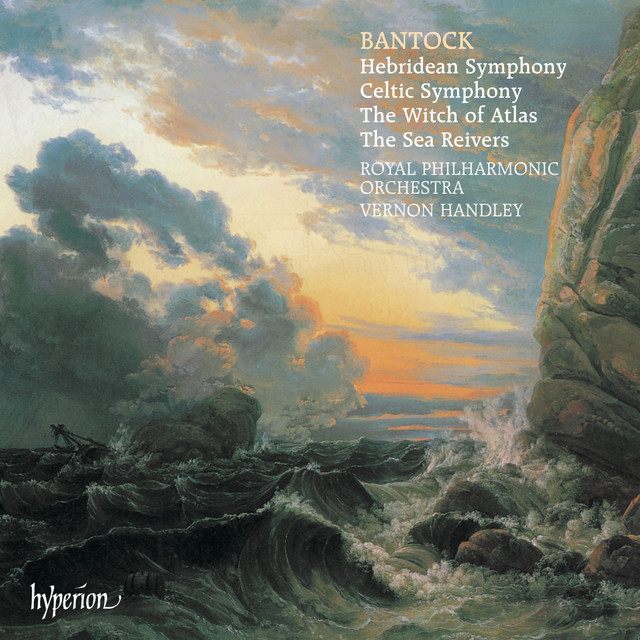
Granville Bantock
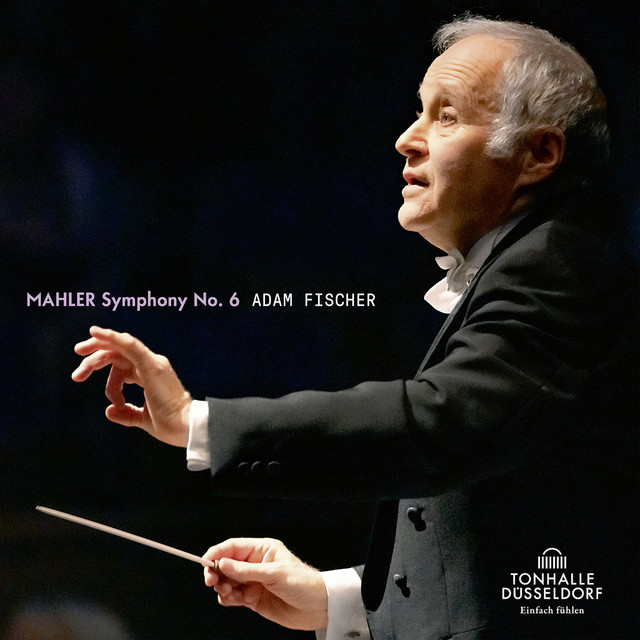
Düsseldorfer Symphoniker


Hendrik Andriessen

N/a

Robert Schumann Philharmonie
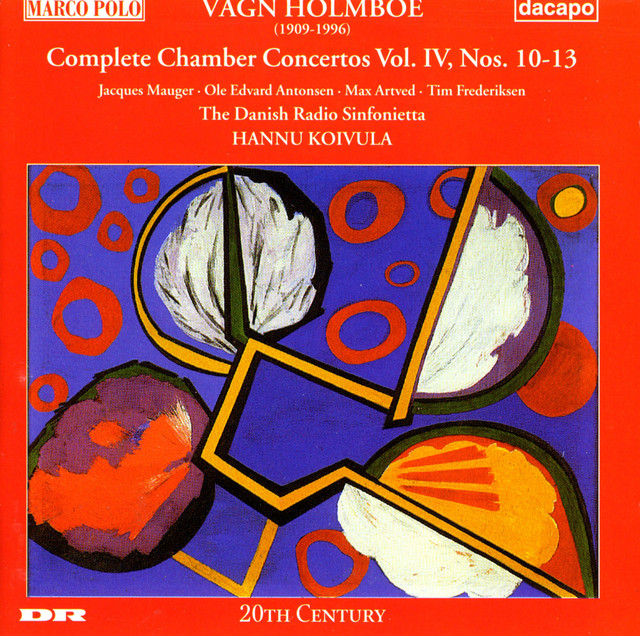
Vagn Holmboe