Data may be outdated
Last updated: 8 months ago — Click refresh to get the latest statistics.
One of the first composers to write prolifically for keyboard, Antonio Cabezón was innovative and influential. His works anticipated the potential of both the organ and clavichord -- later explored to a greater degree by <a href="spotify:artist:1py3vNdZzIlMyUlW4TNfwG">Jan Pieterszoon Sweelinck</a> (1562-1621) and <a href="spotify:artist:3P9noCXd1UJXadYYw9cVVp">Manuel Rodrigues Coelho</a> (1583-1635), both of whom were influenced by Cabezón -- and his treatise on keyboard performance advocated the use of the thumb, which was unusual for the time. Fortunate to have led a privileged existence, Cabezón entered easily into the circles of Spanish nobility, and spent much of his life in the service of royalty.
Born into a noble family (landowners in Castillo de Matajudíos and Castrojeriz), Antonio Cabezón was either blind from birth or blinded in early childhood. His first musical training was probably from a local organist; it is certain that he continued his studies in Palencia with Garcia de Baeza, organist at the Burgos Cathedral. While in Palencia, Cabezón lived with his relative, <a href="spotify:artist:22BrR6usmhu0ZoN4fQkfCB">Esteban Martinez de Cabezón</a>, canon of Burgos Cathedral.
In 1525, excellent recommendations helped Cabezón move from Palencia to Toledo, where he took up a position in the new royal chapel of Queen Isabella; he became principal organist a year later. He later played in the chamber consort of Charles V. Cabezón, married the wealthy Luisa Núñez (1538), and relocated to Avila, his new wife's native city. Their five children also secured positions with the royal family.
After Queen Isabella died in 1539, Cabezón remained in the service of her children, one of whom was Prince Philip, the future king; by the time of Philip's accession, Cabezón played only for Philip's chapel. As part of the Royal retinue Cabezón traveled to Germany, Luxembourg, the Netherlands (October 1548-July 1551), and later to England (July 1554-January 1556). During these excursions, he was exposed to a great deal of music, some of which he transcribed. More importantly, Cabezón exerted an influence upon the keyboard composers whom he met.
The few of Cabezón's pieces that were printed during his lifetime appeared in Luis Venegas de Henestrosa's Libro de cifra neuva of 1557. Cabezón's son, Hernando (1541-1602), published most his father's known works after Cabezón's death.
Cabezón's music was influenced by that of the Franco-Flemish composers, particularly <a href="spotify:artist:31f23hmZawdqgp0sECAzE8">Josquin DesPrez</a>, but his works are clearly in the Spanish instrumental tradition; his keyboard writing is masterfully idiomatic. Striking modulations mark his music, which is infused with modal chromaticism; an adventurous use of intervals (discouraged by contemporary theorists) enabled him to develop a colorful harmonic palette. His motivic approach to melodic writing produced intensely woven, unified works that relied primarily on augmentation and diminution of a primary idea for variation and development.
Cabezón composed in a wide variety of instrumental genres, including tientos, (ricercari), glosas, diferencias, falsobordone, versos, hymns, and canons. He treated diferencias, or variations on tunes, in an original manner by placing the cantus firmus in a different voice in each variation; this technique was later adopted by <a href="spotify:artist:2j7yGPnVrdIHjHwtyLPJ2z">William Byrd</a> (1543-1623).
Born into a noble family (landowners in Castillo de Matajudíos and Castrojeriz), Antonio Cabezón was either blind from birth or blinded in early childhood. His first musical training was probably from a local organist; it is certain that he continued his studies in Palencia with Garcia de Baeza, organist at the Burgos Cathedral. While in Palencia, Cabezón lived with his relative, <a href="spotify:artist:22BrR6usmhu0ZoN4fQkfCB">Esteban Martinez de Cabezón</a>, canon of Burgos Cathedral.
In 1525, excellent recommendations helped Cabezón move from Palencia to Toledo, where he took up a position in the new royal chapel of Queen Isabella; he became principal organist a year later. He later played in the chamber consort of Charles V. Cabezón, married the wealthy Luisa Núñez (1538), and relocated to Avila, his new wife's native city. Their five children also secured positions with the royal family.
After Queen Isabella died in 1539, Cabezón remained in the service of her children, one of whom was Prince Philip, the future king; by the time of Philip's accession, Cabezón played only for Philip's chapel. As part of the Royal retinue Cabezón traveled to Germany, Luxembourg, the Netherlands (October 1548-July 1551), and later to England (July 1554-January 1556). During these excursions, he was exposed to a great deal of music, some of which he transcribed. More importantly, Cabezón exerted an influence upon the keyboard composers whom he met.
The few of Cabezón's pieces that were printed during his lifetime appeared in Luis Venegas de Henestrosa's Libro de cifra neuva of 1557. Cabezón's son, Hernando (1541-1602), published most his father's known works after Cabezón's death.
Cabezón's music was influenced by that of the Franco-Flemish composers, particularly <a href="spotify:artist:31f23hmZawdqgp0sECAzE8">Josquin DesPrez</a>, but his works are clearly in the Spanish instrumental tradition; his keyboard writing is masterfully idiomatic. Striking modulations mark his music, which is infused with modal chromaticism; an adventurous use of intervals (discouraged by contemporary theorists) enabled him to develop a colorful harmonic palette. His motivic approach to melodic writing produced intensely woven, unified works that relied primarily on augmentation and diminution of a primary idea for variation and development.
Cabezón composed in a wide variety of instrumental genres, including tientos, (ricercari), glosas, diferencias, falsobordone, versos, hymns, and canons. He treated diferencias, or variations on tunes, in an original manner by placing the cantus firmus in a different voice in each variation; this technique was later adopted by <a href="spotify:artist:2j7yGPnVrdIHjHwtyLPJ2z">William Byrd</a> (1543-1623).
Monthly Listeners
17,715
Monthly Listeners History
Track the evolution of monthly listeners over the last 28 days.
Followers
2,424
Followers History
Track the evolution of followers over the last 28 days.
Top Cities
603 listeners

372 listeners
300 listeners

279 listeners

242 listeners

Related Artists
Tarquinio Merula
The Rose Consort Of Viols
Giovanni Girolamo Kapsberger
Friederike Heumann
Santiago De Murcia



Pierre Attaingnant
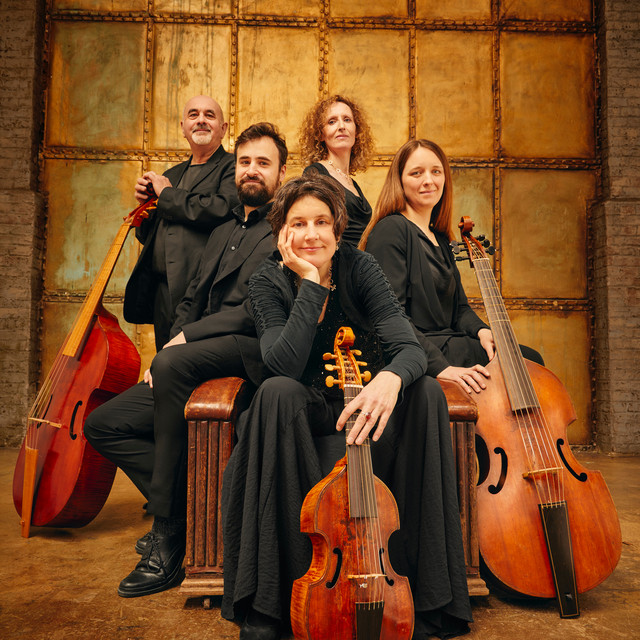
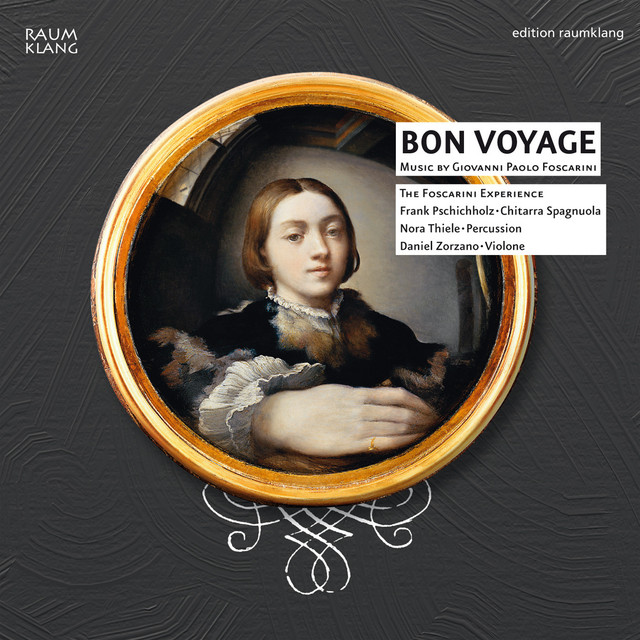
Giovanni Paolo Foscarini
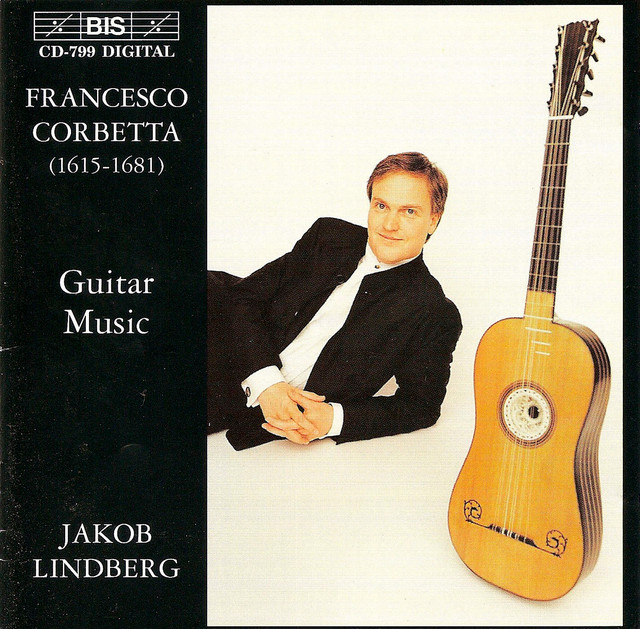
Francesco Corbetta
Juan Cabanilles
Antoine Boësset

Lucas Ruiz de Ribayaz
Sophie Watillon
Emilio de' Cavalieri
William Lawes

Serge Goubioud
Anonymous

Vincenzo Ruffo
Christian Mendoze
Fahmi Alqhai