Data may be outdated
Last updated: 9 months ago — Click refresh to get the latest statistics.
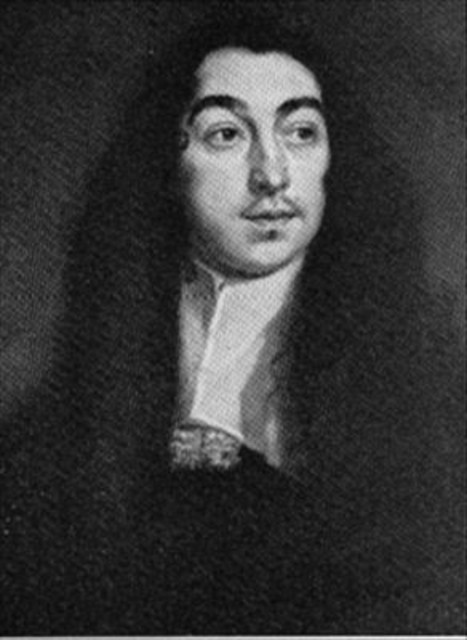
Biagio Marini was an Italian conductor, composer, and virtuoso violinist of the early Baroque period. As a composer he is remembered for his instrumental works, but he also composed vocal and sacred music later in his life.
Marini was born in Brescia in 1594 to a wealthy musical family. His father, Feliciano, was a well-known theorbist, and his uncle Giacinto Bondioli was a composer. Marini was well-educated, and his uncle provided most of his musical training. In 1615 he began his first professional appointment as a violinist at St. Mark's Cathedral in Venice, under the direction of <a href="spotify:artist:5iAhVgz6P8Nylxijb0C65v">Claudio Monteverdi</a>. It was during this time that Marini composed his Affetti musicali, Op. 1, and Madrigali e symfonie, Op. 2. He used several innovative compositional techniques in these works, such as double stops and slurring, and he was the first composer to use string tremolos. He returned to Brescia in 1620 for an appointment at the Sant'Eufemia church as the maestro di cappella, and he also became the music director of the Accademia degli Erranti.
For the next 30 years, Marini led a very successful and diverse career as a composer, conductor, and violinist. From 1623 to 1649, he was concert master at the Wittelsbach Courts in Dusseldorf and Neuberg an die Donau. However, the terms of his employment are unclear since he also held appointments in Brussels in 1626, and Brescia, Padua, and Venice in the 1630s. Documents from 1624 show that he was married and had two children, and by 1641 he was in his third marriage and had five additional children. Throughout this time, Marini also owned property and maintained citizenship in Brescia. After his employment with the Wittelsbach Court came to an end in 1649, he returned to Italy, where he remained for the rest of his life. He held short appointments in Milan, Ferrara, and Vincenza, and he moved to Venice around 1654. Marini's latest surviving works were composed around this time, and he spent his final years in Brescia and Venice, where he died in 1663. ~ RJ Lambert, Rovi
Marini was born in Brescia in 1594 to a wealthy musical family. His father, Feliciano, was a well-known theorbist, and his uncle Giacinto Bondioli was a composer. Marini was well-educated, and his uncle provided most of his musical training. In 1615 he began his first professional appointment as a violinist at St. Mark's Cathedral in Venice, under the direction of <a href="spotify:artist:5iAhVgz6P8Nylxijb0C65v">Claudio Monteverdi</a>. It was during this time that Marini composed his Affetti musicali, Op. 1, and Madrigali e symfonie, Op. 2. He used several innovative compositional techniques in these works, such as double stops and slurring, and he was the first composer to use string tremolos. He returned to Brescia in 1620 for an appointment at the Sant'Eufemia church as the maestro di cappella, and he also became the music director of the Accademia degli Erranti.
For the next 30 years, Marini led a very successful and diverse career as a composer, conductor, and violinist. From 1623 to 1649, he was concert master at the Wittelsbach Courts in Dusseldorf and Neuberg an die Donau. However, the terms of his employment are unclear since he also held appointments in Brussels in 1626, and Brescia, Padua, and Venice in the 1630s. Documents from 1624 show that he was married and had two children, and by 1641 he was in his third marriage and had five additional children. Throughout this time, Marini also owned property and maintained citizenship in Brescia. After his employment with the Wittelsbach Court came to an end in 1649, he returned to Italy, where he remained for the rest of his life. He held short appointments in Milan, Ferrara, and Vincenza, and he moved to Venice around 1654. Marini's latest surviving works were composed around this time, and he spent his final years in Brescia and Venice, where he died in 1663. ~ RJ Lambert, Rovi
Monthly Listeners
8,732
Monthly Listeners History
Track the evolution of monthly listeners over the last 28 days.
Followers
1,299
Followers History
Track the evolution of followers over the last 28 days.
Top Cities
167 listeners

143 listeners

113 listeners

111 listeners

90 listeners

Related Artists
Matthew Locke
Antonio Bertali
Giovanni Antonio Pandolfi Mealli

Giovanni Legrenzi

Giovanni Battista Vitali
William Lawes
Godfrey Finger
Nicola Matteis

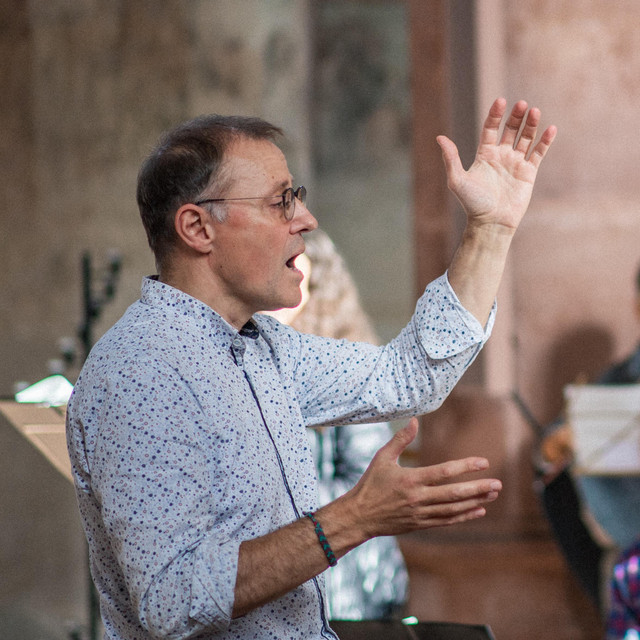
Jörg-Andreas Bötticher
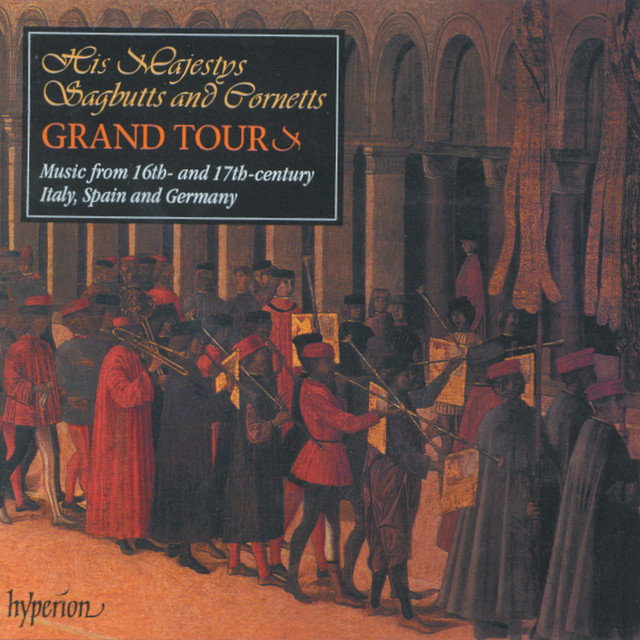
Giovanni Battista Buonamente
Tragicomedia
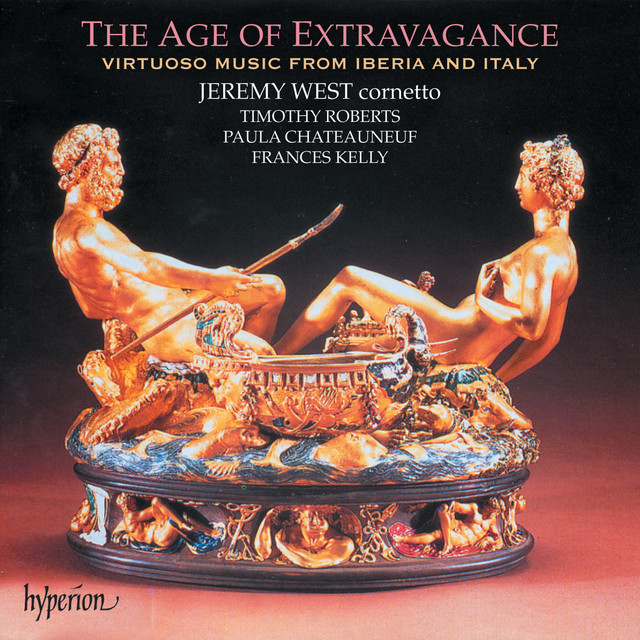
Giovanni Battista Fontana

Tarquinio Merula
Christopher Simpson

Isabella Leonarda
Carlo Farina

Louis de Caix d'Hervelois

Ecco la musica
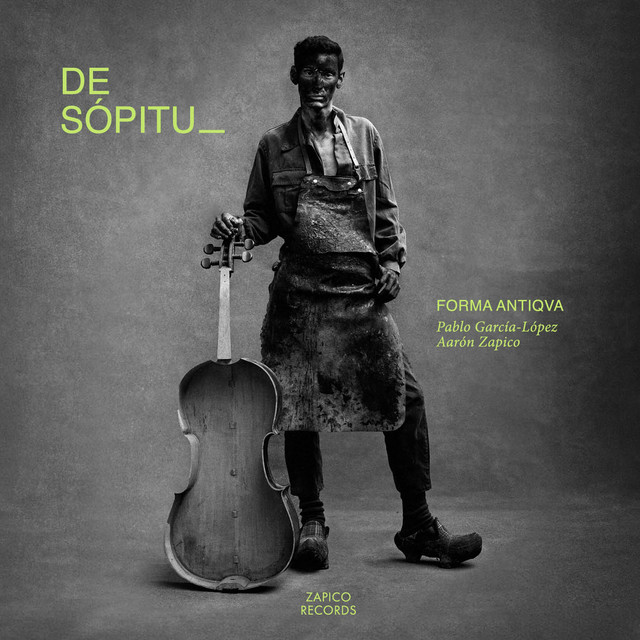
Forma Antiqva
Robert Smith
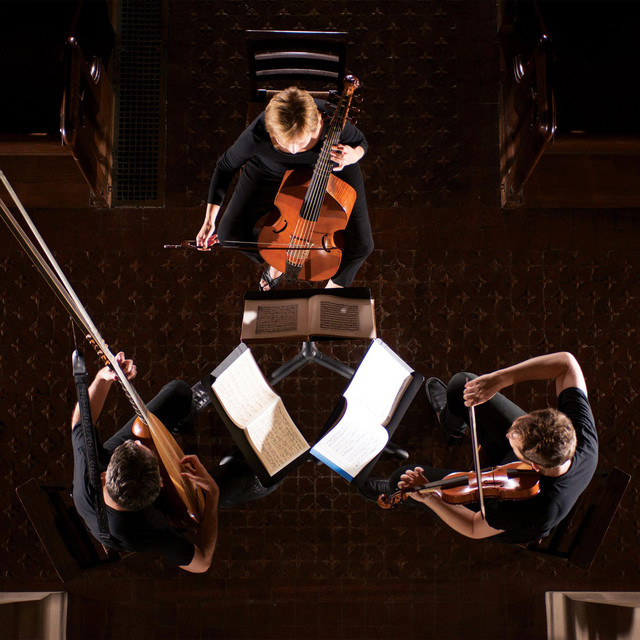
Chatham Baroque

Juan Cabanilles
Céline Scheen
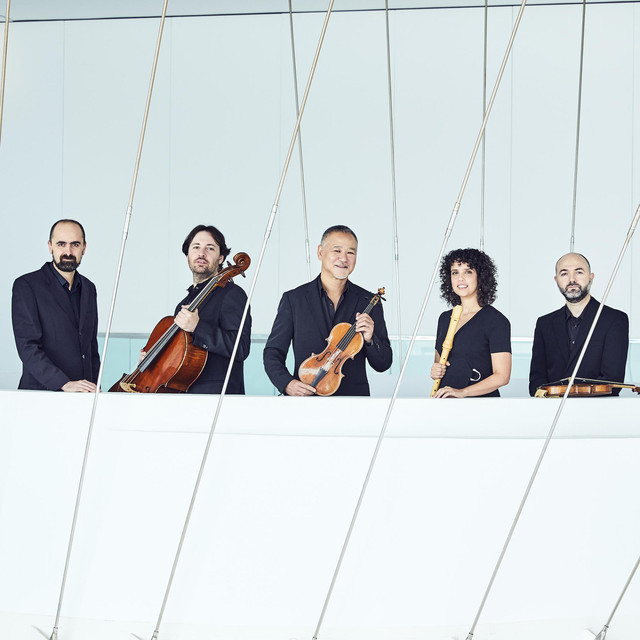
La Ritirata
Gottfried Finger
James Paisible

Latitude 37
Jerome Hantai