Data may be outdated
Last updated: 8 months ago — Click refresh to get the latest statistics.
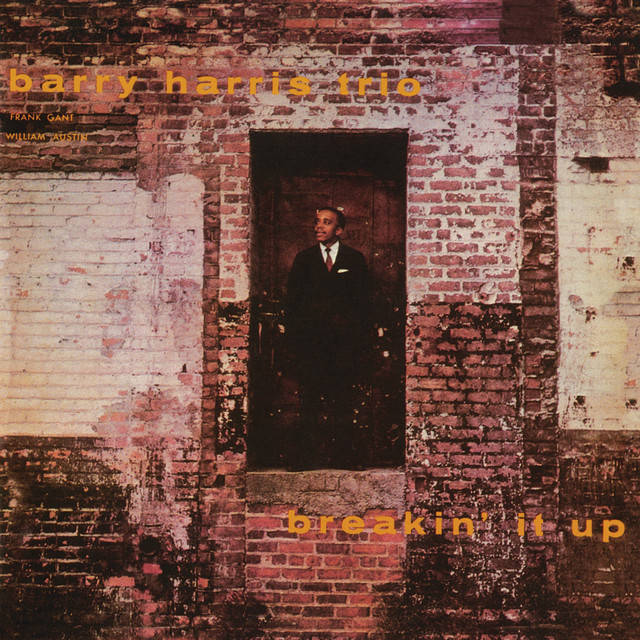
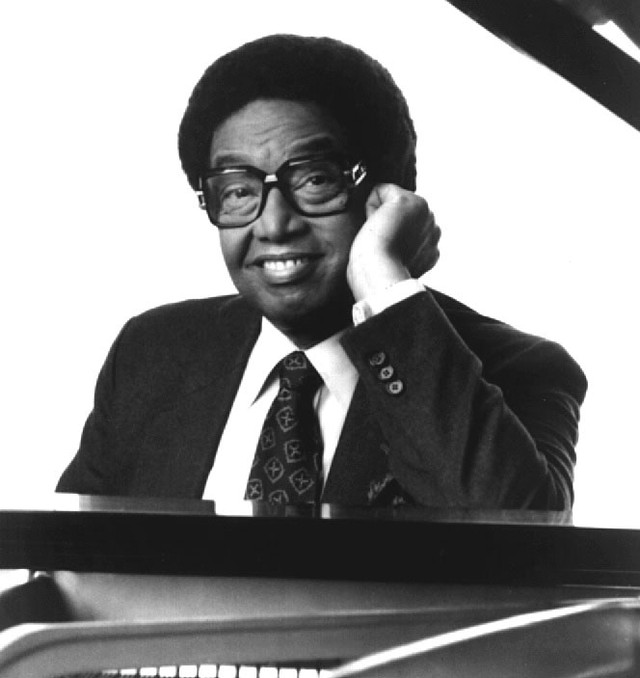
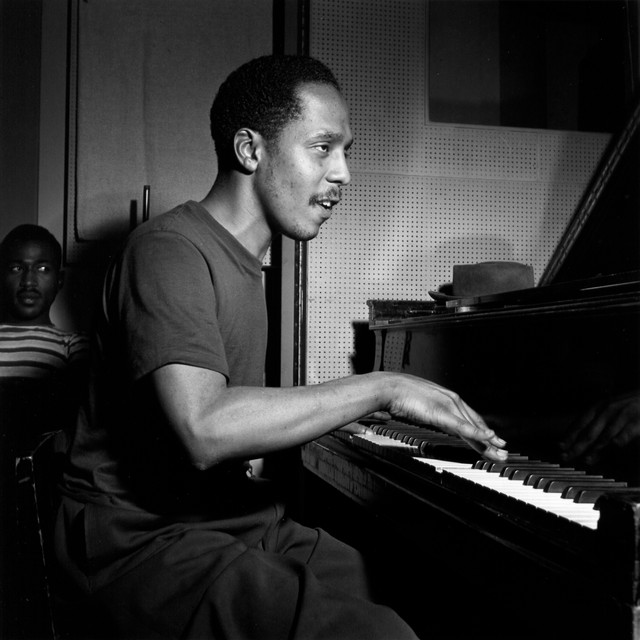
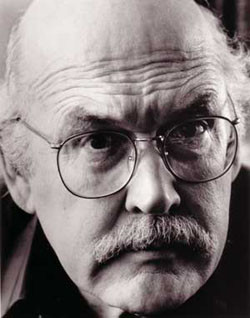
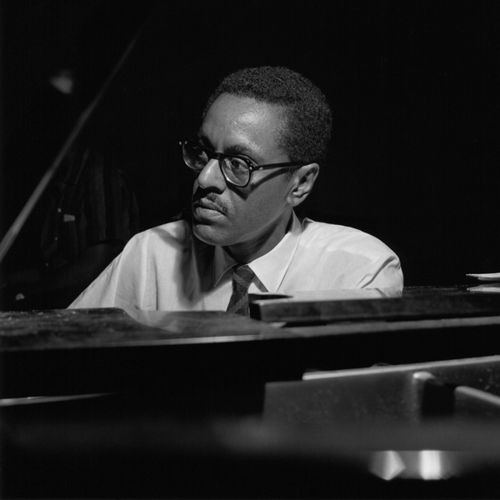
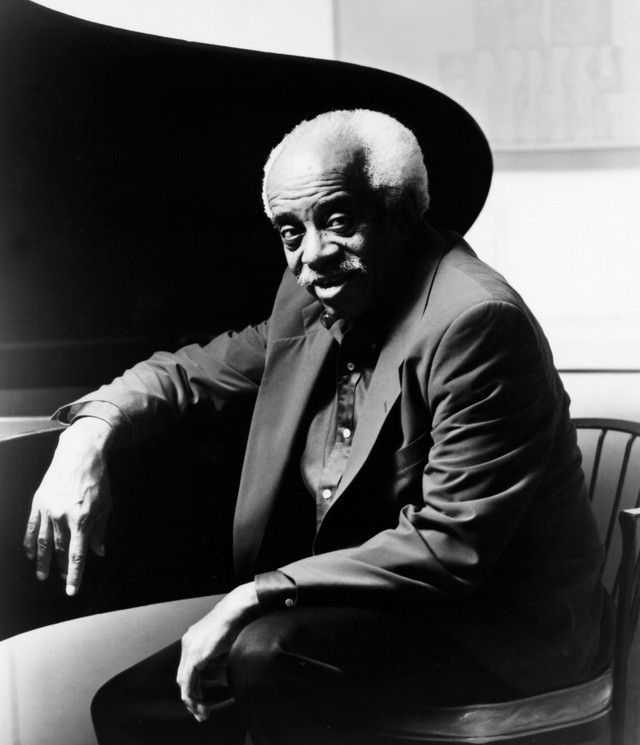
Barry Harris was an award-winning, influential pianist, composer, and instructor, an NEA Jazz Master, and a member of the American Jazz Hall of Fame. His fleet-fingered style and rich, complex chording architecture and harmonic system were captured on dozens of recordings as a leader and sideman. Harris was an important part of Detroit's jazz scene during the '50s, and in 1960 he moved to New York, where he released albums as a leader and teamed with <a href="spotify:artist:33XkS6h90eeK7e6OJHw0mq">Yusef Lateef</a>. Also in the '60s, Harris recorded and shared bandstands with <a href="spotify:artist:3NUsiT2JSyaWAnWaXxDzhQ">Dexter Gordon</a>, <a href="spotify:artist:6HzzZqLS76PGbKaw6dIMHZ">Illinois Jacquet</a>, <a href="spotify:artist:38C3okxv3fyyOIQUVPCdGX">Lee Morgan</a>, and more. During the '70s, Harris was on two of <a href="spotify:artist:217b0uqAzsOOhGcnoANZqj">Stitt</a>'s finest records (Tune Up and Constellation), roomed with <a href="spotify:artist:4PDpGtF16XpqvXxsrFwQnN">Monk</a> at jazz patron Pannonica de Koenigswarter's house, and cut several recordings under his own name in a variety of settings. He branched out into education even more as time went on, devoting as much energy to teaching as he did to playing. Up until the time he passed in 2021, Harris continued to play live and teach courses in jazz theory, piano, and voice at several schools and institutions in the New York area while delivering master classes and lectures throughout the world.
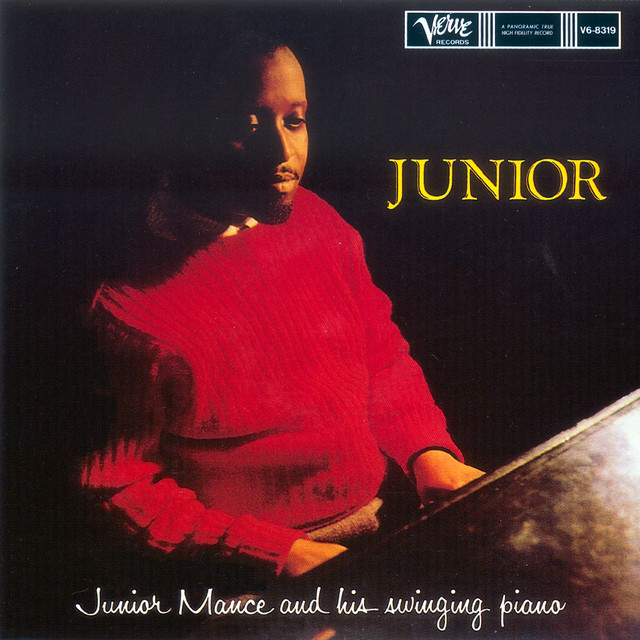
Harris was born ten days before Christmas in Detroit in 1929. His piano studies began at age four with his mother (a church pianist), who gave him the choice of classical music or jazz. He was part of an exceptional crew of Detroit-bred jazz musicians including <a href="spotify:artist:6dUZplQfg5blo0h9HiJ94d">Tommy Flanagan</a>, <a href="spotify:artist:0oKYiTD5CdNbrofRvM1dIr">Alice Coltrane</a>, <a href="spotify:artist:7fSCq6nVoFiyBqFD8fQFWR">Pepper Adams</a>, and <a href="spotify:artist:3ZUZYvTkSr7kJQyAXVpqaL">Donald Byrd</a> who rose through the Motor City's extraordinary public school arts education programs during the '30s and '40s. The pianist devoted himself to bebop in the '40s after seeing <a href="spotify:artist:4Ww5mwS7BWYjoZTUIrMHfC">Charlie Parker</a> play a concert in Detroit. While learning his chops, Harris initiated his own career, playing high school dances and various other functions around Detroit. During parts of 1953 and 1954, he worked as the house pianist at the Bluebird Lounge and Baker's Keyboard Lounge, Motor City jazz meccas on the city's west side. There Harris also backed visiting musicians such as <a href="spotify:artist:0kbYTNQb4Pb1rPbbaF0pT4">Davis</a>, <a href="spotify:artist:217b0uqAzsOOhGcnoANZqj">Stitt</a>, and <a href="spotify:artist:6DbqS0X8cSFOPGsvyze2yh">Thad Jones</a>. He subbed for <a href="spotify:artist:1KTUh4AYegM2fSdac5xqPb">Junior Mance</a> in <a href="spotify:artist:338mC0yGyX0C9of8QMJ5hK">Gene Ammons</a>' group during a multi-week stand in Detroit, and briefly toured with <a href="spotify:artist:6jrlNnS5B830kpi40j3S6g">Max Roach</a> after the group's resident pianist <a href="spotify:artist:2HQT5NglL0BOkpV2vmQ5yc">Richie Powell</a> (younger brother of <a href="spotify:artist:570vCzcespB48HIQyTbDO6">Bud</a>) was killed in an auto accident.
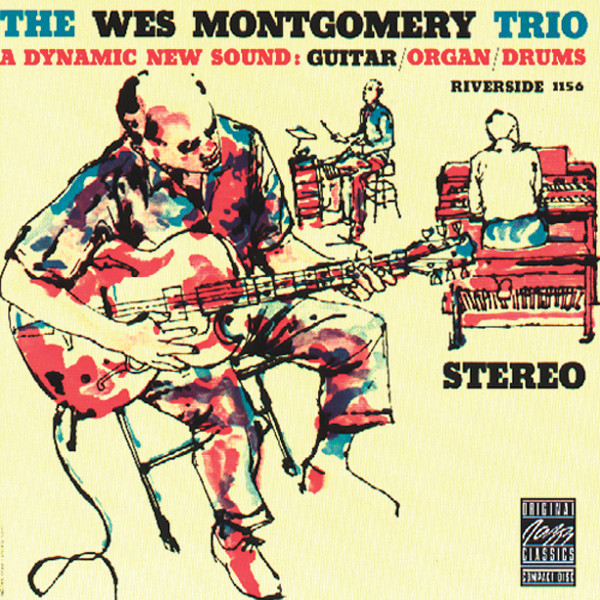
In 1960, Harris migrated to New York following <a href="spotify:artist:6dUZplQfg5blo0h9HiJ94d">Flanagan</a> and <a href="spotify:artist:3ZUZYvTkSr7kJQyAXVpqaL">Byrd</a>, where he got work playing with <a href="spotify:artist:5v74mT11KGJqadf9sLw4dA">Adderley</a>, <a href="spotify:artist:0JM134st8VY7Ld9T2wQiH0">Hawkins</a>, and other musicians including <a href="spotify:artist:03YhcM6fxypfwckPCQV8pQ">Wes Montgomery</a> (on Go!), <a href="spotify:artist:38C3okxv3fyyOIQUVPCdGX">Morgan</a>, <a href="spotify:artist:5cbutZUQE7SUCA6MsEMbBv">Mobley</a>, <a href="spotify:artist:33XkS6h90eeK7e6OJHw0mq">Lateef</a>, <a href="spotify:artist:1Fz7kYXFWKM4L4Hjaq9ktx">Carmell Jones</a>, and his former student <a href="spotify:artist:6iRat96avb9tai5DCUZ7qf">McPherson</a>. He met de Koenigswarter -- the British scion of the Rothschild dynasty and patroness of the New York jazz scene -- who befriended him and introduced him to <a href="spotify:artist:4PDpGtF16XpqvXxsrFwQnN">Monk</a>, whom he roomed with at her house in Weehawken, New Jersey. During 1974, Harris sat in for <a href="spotify:artist:4PDpGtF16XpqvXxsrFwQnN">Monk</a> at the New York Jazz Repertory Company. Meanwhile, Harris' trio toured the globe; they played elite clubs in New York and performed at concert halls in Europe and Japan. In 1970, Harris and trio (bassist <a href="spotify:artist:4wnzivx3OQ3vjrySAdTdJP">Ron Carter</a> and drummer <a href="spotify:artist:6uQnHbypkRY4KmLvJrs4OY">Leroy Williams</a>) released Magnificent!, his final album of new material for <a href="spotify:search:label%3A%22Prestige%22">Prestige</a>. But the pianist was an in-demand session man and spent the first half of the decade working on albums (and to a lesser degree, stages) with <a href="spotify:artist:4tIG3p7d799xi5qJbMddl8">Red Rodney</a>, <a href="spotify:artist:5HL4KA3y1IyeAD2TbgaoYe">Sonny Criss</a>, <a href="spotify:artist:52cM6vrM4MJ8g4H7Ibo5fZ">Johnny Griffin</a>, and <a href="spotify:artist:6HzzZqLS76PGbKaw6dIMHZ">Illinois Jacquet</a>. In 1975 alone, he played on a dozen recordings including his own Vicissitudes and his debut for the <a href="spotify:search:label%3A%22Xanadu%22">Xanadu</a> label, Barry Harris Plays Tadd Dameron. He also played on three other recordings for the label that year including <a href="spotify:artist:5GX8UFlG4vXVXDv8KqDLvk">Jimmy Heath</a>'s Picture of Heath, <a href="spotify:artist:4yPUoMbYxVJ6XNJWZVJV7Y">Al Cohn</a>'s Play It Now, and <a href="spotify:artist:3K2biBUDGWWHKxXeVdtr60">Sam Noto</a>'s Entrance! In 1976, he released the trio date Live in Tokyo, compiled from two evenings of performances and also did session work.
In 1977, Harris was part of one of the all-star jam session recordings <a href="spotify:search:label%3A%22Xanadu%22">Xanadu</a> is famous for: True Blue included <a href="spotify:artist:4yPUoMbYxVJ6XNJWZVJV7Y">Cohn</a>, <a href="spotify:artist:3NUsiT2JSyaWAnWaXxDzhQ">Dexter Gordon</a>, <a href="spotify:artist:5Ouogjg668pTmPkpgI8z0L">Louis Hayes</a>, <a href="spotify:artist:1kAv08slEx0DSJkSOrKlsY">Sam Jones</a>, <a href="spotify:artist:1M5tpCHilgyeT9aXu1J9Ib">Billy Mitchell</a>, and <a href="spotify:artist:3K2biBUDGWWHKxXeVdtr60">Noto</a>. Harris also played on saxophonist <a href="spotify:artist:1M5tpCHilgyeT9aXu1J9Ib">Billy Mitchell</a>'s Colossus of Detroit and <a href="spotify:artist:3NUsiT2JSyaWAnWaXxDzhQ">Gordon</a>'s Biting the Apple (<a href="spotify:search:label%3A%22Steeplechase%22">Steeplechase</a>). 1978 proved another milestone year for the pianist. He released Barry Harris Plays Barry Harris for <a href="spotify:search:label%3A%22Xanadu%22">Xanadu</a> and was part of the Detroit Four for Cadillac and Mack with drummer <a href="spotify:artist:4wrD8OuNqysUPlgDJTKQfu">Roy Brooks</a>, bassist Vishnu Wood, and trombonist Charles Greenlee, and played on seven other recordings. In 1979, he did the Montreux review-style tours for <a href="spotify:search:label%3A%22Xanadu%22">Xanadu</a> (that resulted in three recorded volumes), issued his own Tokyo: 1976 with his quintet, and spent the next couple of years playing at home in New York as a sideman. During the '70s, Harris began teaching in formal settings with Jazz Interactions, a nonprofit organization run by Joe and Rigmore Newman. It proved a doorway to a second vocation that he continues to enjoy.
Harris' last date for <a href="spotify:search:label%3A%22Xanadu%22">Xanadu</a> was 1982's The Bird of Red and Gold. He also founded Manhattan's Jazz Cultural Theatre that year and was its chief instructor. While he did intermittent session work (and contributed to the soundtrack for the <a href="spotify:artist:5NfaORyb548xmt85LGHYFV">Clint Eastwood</a> film Bird), the JCT took up most of his time; the only leader date he issued during the rest of the decade was For the Moment with <a href="spotify:artist:6uQnHbypkRY4KmLvJrs4OY">Williams</a> and bassist <a href="spotify:artist:7mcseJPsc7KCQrITzrOrWg">Rufus Reid</a> for <a href="spotify:search:label%3A%22Uptown+Records%22">Uptown Records</a>. JCT closed in 1987 and Harris went back on the road as well doing session work. He also appeared in the 1989 <a href="spotify:artist:5NfaORyb548xmt85LGHYFV">Eastwood</a>-produced documentary film Thelonious Monk: Straight, No Chaser.
In 1990, he played on saxophonist <a href="spotify:artist:28HxBLRs1Afcy66Xtk520Q">Buck Hill</a>'s <a href="spotify:search:label%3A%22Muse%22">Muse</a> debut Capital Hill, and the following year on <a href="spotify:artist:2vT4xpcRUnhG8CHAt2YOJO">Steve Grossman</a>'s Do It. His Live at Maybeck Recital Hall, Vol. 12 appeared from <a href="spotify:search:label%3A%22Concord%22">Concord</a>. The following year, Harris released the live In Spain for <a href="spotify:search:label%3A%22Nuba+Records%22">Nuba Records</a>; he was also one of the pianists <a href="spotify:artist:65HhcbtTjbjB81u37nzaeP">Frank Morgan</a> recruited for the duets collection You Must Believe in Spring. He toured with <a href="spotify:artist:3MdG05syQeRYPPcClLaUGl">Diana Ross</a> in 1992 as well, and was a major part of her recording Stolen Moments: The Lady Sings...Jazz and Blues, an audio and visual package. In 1995, he issued Live at DUG, documenting a club date in Japan, and played on <a href="spotify:artist:4YNvbaOaqp5pzC5US5t48k">Lee Konitz</a>'s Lullaby of Birdland and Backyard by <a href="spotify:artist:7jqV5V4sPGJpEilZ6as1Ju">Roni Ben-Hur</a> with <a href="spotify:artist:7Bpj43yWq3DUaMlNmTWYXH">the Barry Harris Trio</a> for <a href="spotify:search:label%3A%22TCB%22">TCB</a>. With <a href="spotify:artist:6uQnHbypkRY4KmLvJrs4OY">Williams</a> and bassist <a href="spotify:artist:6o1OpKGBkE7eSYjtaMfQKe">George Mraz</a>, the pianist issued First Time Ever for <a href="spotify:search:label%3A%22Evidence%22">Evidence</a> in 1997.
All the while, teaching and conducting workshops in cities across the United States was a passion project for Harris. He charged inexpensive rates while sharing his knowledge and passion for the jazz idiom with amateurs and seasoned professionals of all ages. In 2000, <a href="spotify:search:label%3A%22Venus+Records%22">Venus Records</a> released his trio offering The Last Time I Saw Paris, with <a href="spotify:artist:6uQnHbypkRY4KmLvJrs4OY">Williams</a> and <a href="spotify:artist:6o1OpKGBkE7eSYjtaMfQKe">Mraz</a>. While Harris spent most of his time teaching, he did find time to issue the video Spirit of Bebop in 2005 that blended interview excerpts with performances and historic film and video footage. The same year, his Post Master Class Concert was released by the Netherlands' <a href="spotify:search:label%3A%22Blue+Jack+Jazz+Records%22">Blue Jack Jazz Records</a>. After the Royal Conservatory of Music at The Hague workshops and videos, Harris was a mainstay in Europe. In 2010, Live in Rennes, from the previous year's Jazz à l'Ouest Festival, appeared from <a href="spotify:search:label%3A%22Plus+Loin+Music%22">Plus Loin Music</a>. Harris didn't simply teach but was a student himself: he studied classical piano with Sophia Rosoff until her death in 2017, and he continued to teach his own master classes and administer workshops -- virtually during the COVID-19 pandemic -- until his death in December 2021. ~ Thom Jurek, Rovi
Harris was born ten days before Christmas in Detroit in 1929. His piano studies began at age four with his mother (a church pianist), who gave him the choice of classical music or jazz. He was part of an exceptional crew of Detroit-bred jazz musicians including <a href="spotify:artist:6dUZplQfg5blo0h9HiJ94d">Tommy Flanagan</a>, <a href="spotify:artist:0oKYiTD5CdNbrofRvM1dIr">Alice Coltrane</a>, <a href="spotify:artist:7fSCq6nVoFiyBqFD8fQFWR">Pepper Adams</a>, and <a href="spotify:artist:3ZUZYvTkSr7kJQyAXVpqaL">Donald Byrd</a> who rose through the Motor City's extraordinary public school arts education programs during the '30s and '40s. The pianist devoted himself to bebop in the '40s after seeing <a href="spotify:artist:4Ww5mwS7BWYjoZTUIrMHfC">Charlie Parker</a> play a concert in Detroit. While learning his chops, Harris initiated his own career, playing high school dances and various other functions around Detroit. During parts of 1953 and 1954, he worked as the house pianist at the Bluebird Lounge and Baker's Keyboard Lounge, Motor City jazz meccas on the city's west side. There Harris also backed visiting musicians such as <a href="spotify:artist:0kbYTNQb4Pb1rPbbaF0pT4">Davis</a>, <a href="spotify:artist:217b0uqAzsOOhGcnoANZqj">Stitt</a>, and <a href="spotify:artist:6DbqS0X8cSFOPGsvyze2yh">Thad Jones</a>. He subbed for <a href="spotify:artist:1KTUh4AYegM2fSdac5xqPb">Junior Mance</a> in <a href="spotify:artist:338mC0yGyX0C9of8QMJ5hK">Gene Ammons</a>' group during a multi-week stand in Detroit, and briefly toured with <a href="spotify:artist:6jrlNnS5B830kpi40j3S6g">Max Roach</a> after the group's resident pianist <a href="spotify:artist:2HQT5NglL0BOkpV2vmQ5yc">Richie Powell</a> (younger brother of <a href="spotify:artist:570vCzcespB48HIQyTbDO6">Bud</a>) was killed in an auto accident.
In 1960, Harris migrated to New York following <a href="spotify:artist:6dUZplQfg5blo0h9HiJ94d">Flanagan</a> and <a href="spotify:artist:3ZUZYvTkSr7kJQyAXVpqaL">Byrd</a>, where he got work playing with <a href="spotify:artist:5v74mT11KGJqadf9sLw4dA">Adderley</a>, <a href="spotify:artist:0JM134st8VY7Ld9T2wQiH0">Hawkins</a>, and other musicians including <a href="spotify:artist:03YhcM6fxypfwckPCQV8pQ">Wes Montgomery</a> (on Go!), <a href="spotify:artist:38C3okxv3fyyOIQUVPCdGX">Morgan</a>, <a href="spotify:artist:5cbutZUQE7SUCA6MsEMbBv">Mobley</a>, <a href="spotify:artist:33XkS6h90eeK7e6OJHw0mq">Lateef</a>, <a href="spotify:artist:1Fz7kYXFWKM4L4Hjaq9ktx">Carmell Jones</a>, and his former student <a href="spotify:artist:6iRat96avb9tai5DCUZ7qf">McPherson</a>. He met de Koenigswarter -- the British scion of the Rothschild dynasty and patroness of the New York jazz scene -- who befriended him and introduced him to <a href="spotify:artist:4PDpGtF16XpqvXxsrFwQnN">Monk</a>, whom he roomed with at her house in Weehawken, New Jersey. During 1974, Harris sat in for <a href="spotify:artist:4PDpGtF16XpqvXxsrFwQnN">Monk</a> at the New York Jazz Repertory Company. Meanwhile, Harris' trio toured the globe; they played elite clubs in New York and performed at concert halls in Europe and Japan. In 1970, Harris and trio (bassist <a href="spotify:artist:4wnzivx3OQ3vjrySAdTdJP">Ron Carter</a> and drummer <a href="spotify:artist:6uQnHbypkRY4KmLvJrs4OY">Leroy Williams</a>) released Magnificent!, his final album of new material for <a href="spotify:search:label%3A%22Prestige%22">Prestige</a>. But the pianist was an in-demand session man and spent the first half of the decade working on albums (and to a lesser degree, stages) with <a href="spotify:artist:4tIG3p7d799xi5qJbMddl8">Red Rodney</a>, <a href="spotify:artist:5HL4KA3y1IyeAD2TbgaoYe">Sonny Criss</a>, <a href="spotify:artist:52cM6vrM4MJ8g4H7Ibo5fZ">Johnny Griffin</a>, and <a href="spotify:artist:6HzzZqLS76PGbKaw6dIMHZ">Illinois Jacquet</a>. In 1975 alone, he played on a dozen recordings including his own Vicissitudes and his debut for the <a href="spotify:search:label%3A%22Xanadu%22">Xanadu</a> label, Barry Harris Plays Tadd Dameron. He also played on three other recordings for the label that year including <a href="spotify:artist:5GX8UFlG4vXVXDv8KqDLvk">Jimmy Heath</a>'s Picture of Heath, <a href="spotify:artist:4yPUoMbYxVJ6XNJWZVJV7Y">Al Cohn</a>'s Play It Now, and <a href="spotify:artist:3K2biBUDGWWHKxXeVdtr60">Sam Noto</a>'s Entrance! In 1976, he released the trio date Live in Tokyo, compiled from two evenings of performances and also did session work.
In 1977, Harris was part of one of the all-star jam session recordings <a href="spotify:search:label%3A%22Xanadu%22">Xanadu</a> is famous for: True Blue included <a href="spotify:artist:4yPUoMbYxVJ6XNJWZVJV7Y">Cohn</a>, <a href="spotify:artist:3NUsiT2JSyaWAnWaXxDzhQ">Dexter Gordon</a>, <a href="spotify:artist:5Ouogjg668pTmPkpgI8z0L">Louis Hayes</a>, <a href="spotify:artist:1kAv08slEx0DSJkSOrKlsY">Sam Jones</a>, <a href="spotify:artist:1M5tpCHilgyeT9aXu1J9Ib">Billy Mitchell</a>, and <a href="spotify:artist:3K2biBUDGWWHKxXeVdtr60">Noto</a>. Harris also played on saxophonist <a href="spotify:artist:1M5tpCHilgyeT9aXu1J9Ib">Billy Mitchell</a>'s Colossus of Detroit and <a href="spotify:artist:3NUsiT2JSyaWAnWaXxDzhQ">Gordon</a>'s Biting the Apple (<a href="spotify:search:label%3A%22Steeplechase%22">Steeplechase</a>). 1978 proved another milestone year for the pianist. He released Barry Harris Plays Barry Harris for <a href="spotify:search:label%3A%22Xanadu%22">Xanadu</a> and was part of the Detroit Four for Cadillac and Mack with drummer <a href="spotify:artist:4wrD8OuNqysUPlgDJTKQfu">Roy Brooks</a>, bassist Vishnu Wood, and trombonist Charles Greenlee, and played on seven other recordings. In 1979, he did the Montreux review-style tours for <a href="spotify:search:label%3A%22Xanadu%22">Xanadu</a> (that resulted in three recorded volumes), issued his own Tokyo: 1976 with his quintet, and spent the next couple of years playing at home in New York as a sideman. During the '70s, Harris began teaching in formal settings with Jazz Interactions, a nonprofit organization run by Joe and Rigmore Newman. It proved a doorway to a second vocation that he continues to enjoy.
Harris' last date for <a href="spotify:search:label%3A%22Xanadu%22">Xanadu</a> was 1982's The Bird of Red and Gold. He also founded Manhattan's Jazz Cultural Theatre that year and was its chief instructor. While he did intermittent session work (and contributed to the soundtrack for the <a href="spotify:artist:5NfaORyb548xmt85LGHYFV">Clint Eastwood</a> film Bird), the JCT took up most of his time; the only leader date he issued during the rest of the decade was For the Moment with <a href="spotify:artist:6uQnHbypkRY4KmLvJrs4OY">Williams</a> and bassist <a href="spotify:artist:7mcseJPsc7KCQrITzrOrWg">Rufus Reid</a> for <a href="spotify:search:label%3A%22Uptown+Records%22">Uptown Records</a>. JCT closed in 1987 and Harris went back on the road as well doing session work. He also appeared in the 1989 <a href="spotify:artist:5NfaORyb548xmt85LGHYFV">Eastwood</a>-produced documentary film Thelonious Monk: Straight, No Chaser.
In 1990, he played on saxophonist <a href="spotify:artist:28HxBLRs1Afcy66Xtk520Q">Buck Hill</a>'s <a href="spotify:search:label%3A%22Muse%22">Muse</a> debut Capital Hill, and the following year on <a href="spotify:artist:2vT4xpcRUnhG8CHAt2YOJO">Steve Grossman</a>'s Do It. His Live at Maybeck Recital Hall, Vol. 12 appeared from <a href="spotify:search:label%3A%22Concord%22">Concord</a>. The following year, Harris released the live In Spain for <a href="spotify:search:label%3A%22Nuba+Records%22">Nuba Records</a>; he was also one of the pianists <a href="spotify:artist:65HhcbtTjbjB81u37nzaeP">Frank Morgan</a> recruited for the duets collection You Must Believe in Spring. He toured with <a href="spotify:artist:3MdG05syQeRYPPcClLaUGl">Diana Ross</a> in 1992 as well, and was a major part of her recording Stolen Moments: The Lady Sings...Jazz and Blues, an audio and visual package. In 1995, he issued Live at DUG, documenting a club date in Japan, and played on <a href="spotify:artist:4YNvbaOaqp5pzC5US5t48k">Lee Konitz</a>'s Lullaby of Birdland and Backyard by <a href="spotify:artist:7jqV5V4sPGJpEilZ6as1Ju">Roni Ben-Hur</a> with <a href="spotify:artist:7Bpj43yWq3DUaMlNmTWYXH">the Barry Harris Trio</a> for <a href="spotify:search:label%3A%22TCB%22">TCB</a>. With <a href="spotify:artist:6uQnHbypkRY4KmLvJrs4OY">Williams</a> and bassist <a href="spotify:artist:6o1OpKGBkE7eSYjtaMfQKe">George Mraz</a>, the pianist issued First Time Ever for <a href="spotify:search:label%3A%22Evidence%22">Evidence</a> in 1997.
All the while, teaching and conducting workshops in cities across the United States was a passion project for Harris. He charged inexpensive rates while sharing his knowledge and passion for the jazz idiom with amateurs and seasoned professionals of all ages. In 2000, <a href="spotify:search:label%3A%22Venus+Records%22">Venus Records</a> released his trio offering The Last Time I Saw Paris, with <a href="spotify:artist:6uQnHbypkRY4KmLvJrs4OY">Williams</a> and <a href="spotify:artist:6o1OpKGBkE7eSYjtaMfQKe">Mraz</a>. While Harris spent most of his time teaching, he did find time to issue the video Spirit of Bebop in 2005 that blended interview excerpts with performances and historic film and video footage. The same year, his Post Master Class Concert was released by the Netherlands' <a href="spotify:search:label%3A%22Blue+Jack+Jazz+Records%22">Blue Jack Jazz Records</a>. After the Royal Conservatory of Music at The Hague workshops and videos, Harris was a mainstay in Europe. In 2010, Live in Rennes, from the previous year's Jazz à l'Ouest Festival, appeared from <a href="spotify:search:label%3A%22Plus+Loin+Music%22">Plus Loin Music</a>. Harris didn't simply teach but was a student himself: he studied classical piano with Sophia Rosoff until her death in 2017, and he continued to teach his own master classes and administer workshops -- virtually during the COVID-19 pandemic -- until his death in December 2021. ~ Thom Jurek, Rovi
Monthly Listeners
53,759
Monthly Listeners History
Track the evolution of monthly listeners over the last 28 days.
Followers
36,382
Followers History
Track the evolution of followers over the last 28 days.
Top Cities
900 listeners

822 listeners
736 listeners
646 listeners
614 listeners

Related Artists