Data may be outdated
Last updated: 8 months ago — Click refresh to get the latest statistics.
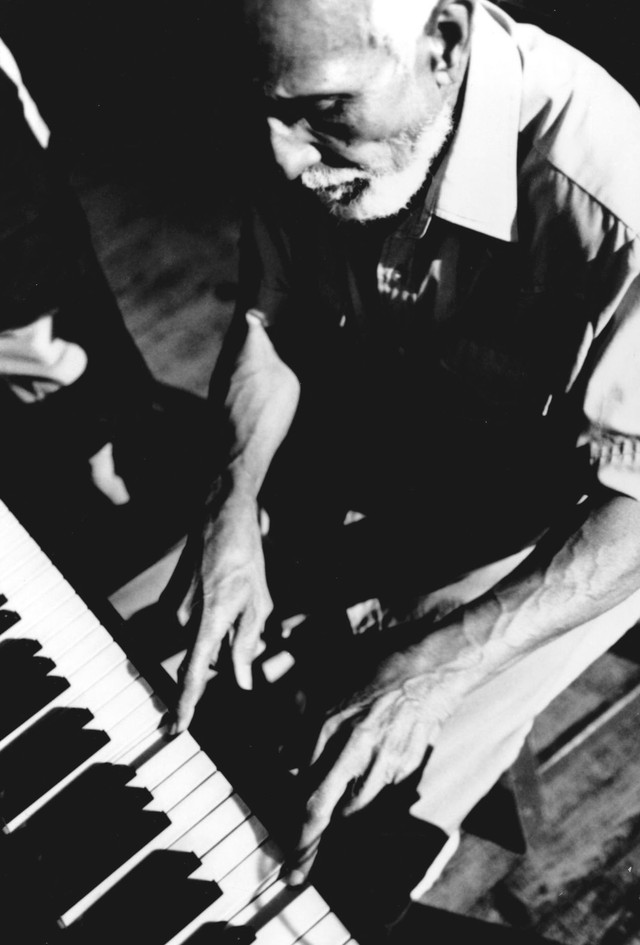
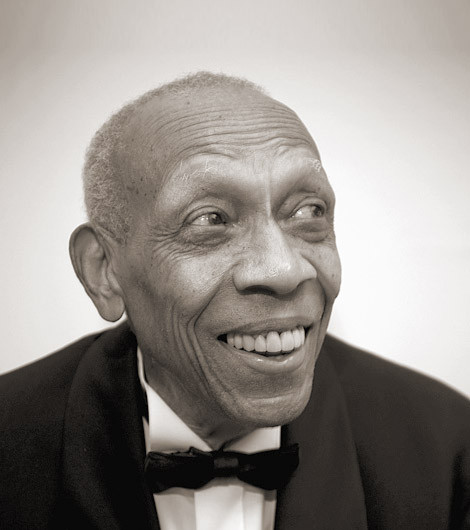
Born in October 1918 in Quivican, Cuba, Bebo Valdés played piano from an early age and was very active as a performer, composer, arranger, and musical director at various Havana nightclubs throughout the ‘40s and into the 50s. During these years, he was also playing and arranging for numerous recording dates. Very highly regarded within the Cuban musical world, Valdés worked with many artists, including <a href="spotify:artist:4ac8P2JGDFcQLNdGLm227f">Mario Bauza</a> and <a href="spotify:artist:4Gd1JXQVbYicIeo2bDNHwL">Ernesto Lecuona</a>. With the growth of Afro-Cuban music worldwide, Valdés toured Europe and the U.S. In 1960, unhappy with the new political power in Cuba, Valdés left his homeland, taking up residence in Stockholm, Sweden in 1963.
He continued to compose and play but, despite the fact that his son <a href="spotify:artist:27mRThsZ9K1BYmz0rioxwp">Chucho Valdés</a> had become an internationally known jazz musician, it wasn’t until the late ‘90s that he was brought back into a recording studio. Encouraged by <a href="spotify:artist:30Mx3ZadPgGZTcs38FvYP8">Paquito D’Rivera</a>, whose father was a friend of Valdés and who was also an associate of <a href="spotify:artist:27mRThsZ9K1BYmz0rioxwp">Chucho</a> from their time together in <a href="spotify:artist:2xbLfmO8N89nCiA55XsSeI">Irakere</a>, a session was arranged and took place in Germany. Valdés composed most of the music (much of it written in haste the day before) and played on the session; his performance was remarkably good considering the decades-long layoff from full-time performing. Also on the session with Valdés and <a href="spotify:artist:30Mx3ZadPgGZTcs38FvYP8">D’Rivera</a> were <a href="spotify:artist:4q2WyV1AFlurLshyRM3azI">Juan-Pablo Torres</a> (trombone), <a href="spotify:artist:3yscB4e5TBjZUHd2uKdgER">Diego Urcola</a> (trumpet), <a href="spotify:artist:29zs3dt9hJeHPzw0M4Pi4D">Amadito Valdés</a> (percussion), and Carlos Emilio Morales (guitar; ex-<a href="spotify:artist:2xbLfmO8N89nCiA55XsSeI">Irakere</a>).
That album marked a resurgence for Valdés. His follow-up album was a trio set with <a href="spotify:artist:3KE87Vm2Nd35XiHkKIEudX">Israel "Cachao" Lopez</a> and <a href="spotify:artist:1YmcFKXOdbDx0PPXYyoWyN">Carlos "Patato" Valdés</a>, although <a href="spotify:artist:30Mx3ZadPgGZTcs38FvYP8">D’Rivera</a> guested on some tracks. Valdés continued to record into the 2010s. He can be seen in the documentary film, Calle 54 (2000), in which he appears alongside numerous Latin jazz exponents, including his son <a href="spotify:artist:27mRThsZ9K1BYmz0rioxwp">Chucho</a>, <a href="spotify:artist:7dXBi98p0mN5JCpBnU0XEm">Gato Barbieri</a>, <a href="spotify:artist:4qKIiUdFND09cgGOc5kfoR">Eliane Elias</a>, <a href="spotify:artist:7LwWCGCEfh4OWWwDoeEsvw">Chico O’Farrill</a>, and <a href="spotify:artist:6SPpCqM8gOzrtICAxN5NuX">Tito Puente</a>. The coincidental rise of interest in traditional Cuban music, prompted in part by the <a href="spotify:artist:11kBu957KTYoAltZHDm8gW">Buena Vista Social Club</a> albums, played a role in Valdés’ twilight career success. Nevertheless, it was clear that as a composer he played an important part in the music of Latin America in general, and Afro-Cuban jazz in particular. Bebo Valdés died of pneumonia on 22 March 2013 in Stockholm at the age of 94. ~ Rovi Staff, Rovi
He continued to compose and play but, despite the fact that his son <a href="spotify:artist:27mRThsZ9K1BYmz0rioxwp">Chucho Valdés</a> had become an internationally known jazz musician, it wasn’t until the late ‘90s that he was brought back into a recording studio. Encouraged by <a href="spotify:artist:30Mx3ZadPgGZTcs38FvYP8">Paquito D’Rivera</a>, whose father was a friend of Valdés and who was also an associate of <a href="spotify:artist:27mRThsZ9K1BYmz0rioxwp">Chucho</a> from their time together in <a href="spotify:artist:2xbLfmO8N89nCiA55XsSeI">Irakere</a>, a session was arranged and took place in Germany. Valdés composed most of the music (much of it written in haste the day before) and played on the session; his performance was remarkably good considering the decades-long layoff from full-time performing. Also on the session with Valdés and <a href="spotify:artist:30Mx3ZadPgGZTcs38FvYP8">D’Rivera</a> were <a href="spotify:artist:4q2WyV1AFlurLshyRM3azI">Juan-Pablo Torres</a> (trombone), <a href="spotify:artist:3yscB4e5TBjZUHd2uKdgER">Diego Urcola</a> (trumpet), <a href="spotify:artist:29zs3dt9hJeHPzw0M4Pi4D">Amadito Valdés</a> (percussion), and Carlos Emilio Morales (guitar; ex-<a href="spotify:artist:2xbLfmO8N89nCiA55XsSeI">Irakere</a>).
That album marked a resurgence for Valdés. His follow-up album was a trio set with <a href="spotify:artist:3KE87Vm2Nd35XiHkKIEudX">Israel "Cachao" Lopez</a> and <a href="spotify:artist:1YmcFKXOdbDx0PPXYyoWyN">Carlos "Patato" Valdés</a>, although <a href="spotify:artist:30Mx3ZadPgGZTcs38FvYP8">D’Rivera</a> guested on some tracks. Valdés continued to record into the 2010s. He can be seen in the documentary film, Calle 54 (2000), in which he appears alongside numerous Latin jazz exponents, including his son <a href="spotify:artist:27mRThsZ9K1BYmz0rioxwp">Chucho</a>, <a href="spotify:artist:7dXBi98p0mN5JCpBnU0XEm">Gato Barbieri</a>, <a href="spotify:artist:4qKIiUdFND09cgGOc5kfoR">Eliane Elias</a>, <a href="spotify:artist:7LwWCGCEfh4OWWwDoeEsvw">Chico O’Farrill</a>, and <a href="spotify:artist:6SPpCqM8gOzrtICAxN5NuX">Tito Puente</a>. The coincidental rise of interest in traditional Cuban music, prompted in part by the <a href="spotify:artist:11kBu957KTYoAltZHDm8gW">Buena Vista Social Club</a> albums, played a role in Valdés’ twilight career success. Nevertheless, it was clear that as a composer he played an important part in the music of Latin America in general, and Afro-Cuban jazz in particular. Bebo Valdés died of pneumonia on 22 March 2013 in Stockholm at the age of 94. ~ Rovi Staff, Rovi
Monthly Listeners
322,728
Monthly Listeners History
Track the evolution of monthly listeners over the last 28 days.
Followers
78,505
Followers History
Track the evolution of followers over the last 28 days.
Top Cities
21,057 listeners
17,652 listeners
13,625 listeners
7,732 listeners

6,894 listeners

Related Artists
Mayte Martin

Juanito Valderrama


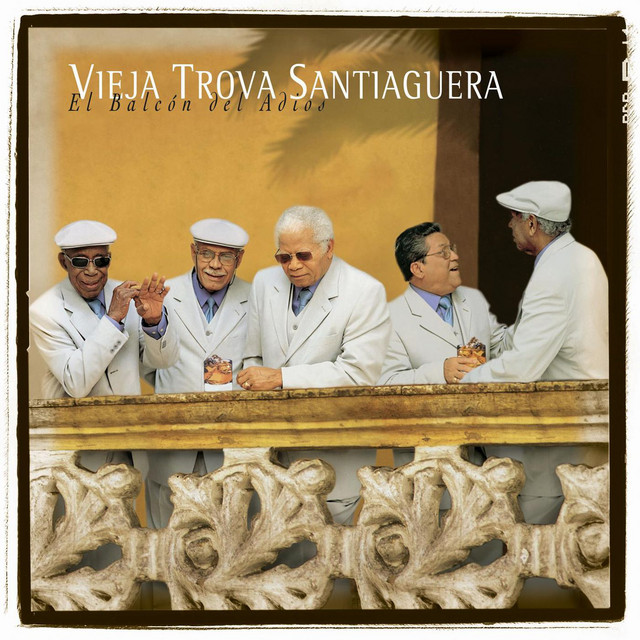
Vieja Trova Santiaguera
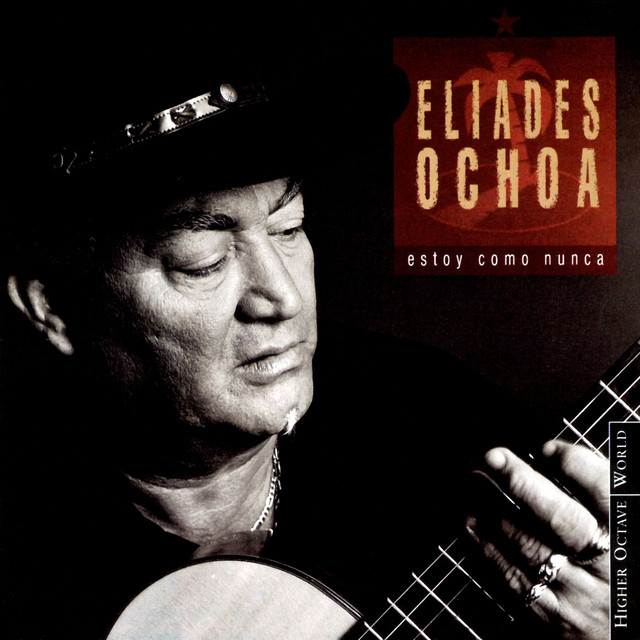
Eliades Ochoa

Maria Dolores Pradera

Pasión Vega