Data may be outdated
Last updated: 7 months ago — Click refresh to get the latest statistics.
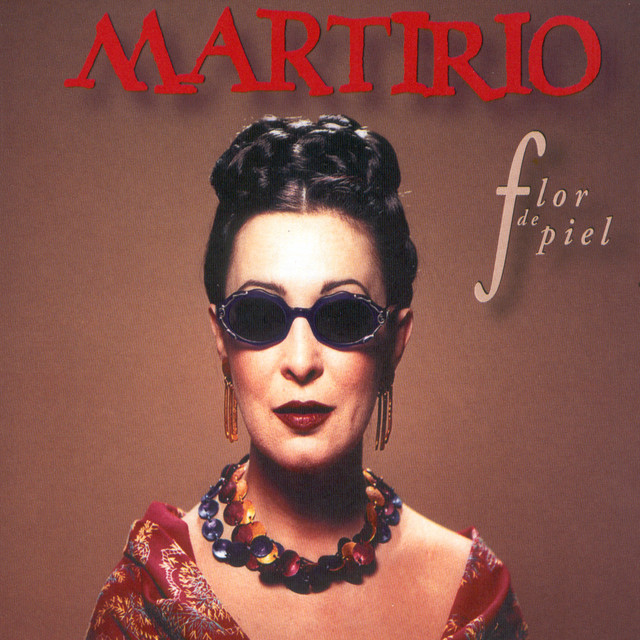
Jazz/flamenco artist Martirio was born Maria Isabel Quinones Gutierrez, 1954 in Huelva, Spain. Originally a member of the group <a href="spotify:artist:7qBaKt40DvKTsOd6aMzFG9">Veneno</a>, alongside Kiko, Raimundo, and Rafael Amador, Martirio made her recording industry debut on the 1986 production Estoy Mala. She toured with the group throughout Spain and France before appearing on the group's follow-up, Cristalitos Machacaos, in 1989. During her time with <a href="spotify:artist:7qBaKt40DvKTsOd6aMzFG9">Veneno</a>, Martirio became something of an icon in modern Spanish culture. She rose to be one of the most visible Spanish characters of the '80s. Her third disc, La Bola de la Vida del Amor (1991), displayed her unique mixture of influences, including rock, jazz, pop, flamenco, blues, copla, and more. Though not appreciated at the time, the disc has become a Spanish pop classic. The 1994 release of He Visto Color furthered Martirio's reputation as a musical pioneer. It was also in that year that she put her musical career on hold to make forays into the film, television, and theater world. Martirio would not return to the recording industry until 1997, with the release of her fifth record, Coplas de Madruga, created in collaboration with <a href="spotify:artist:63Znb1LZJ0KljCmhuxcRMI">Chano Domínguez</a>. Rendering jazz favorites in genuine Spanish style, the record won a whole new audience, and Martirio spent the next year touring the most important jazz festivals and venues of Spain. 1997 also brought the good fortune of meeting and recording with Cuban legend <a href="spotify:artist:2wpr4ILskkRzPBGodmbMs1">Compay Segundo</a>. Martirio appeared on <a href="spotify:artist:2wpr4ILskkRzPBGodmbMs1">Segundo</a>'s Lo Mejor de la Vida and accompanied him on a European tour. Martirio published her autobiography in 1999, entitled La Vuelta a Martirio en 40 Trajes, in collaboration with journalist Juan Cobos Wilkins. The same year, she explored a new corner of her idiomatic style with Flor de Piel, which, combined with 2001's Mucho Corazon, pays tribute to her love of all things Latino. With styles such as flamenco, cumbia, bossa nova, tango, and Cuban son, Martirio found common ground with some of the world's biggest names in Latin jazz, including <a href="spotify:artist:2mnn3P1usWd9ccif5MwDmx">Jerry Gonzalez</a> and <a href="spotify:artist:63Znb1LZJ0KljCmhuxcRMI">Chano Domínguez</a>. Recent years have been filled to the brim with international touring and innumerable guest appearances. Her 2006 release Primavera en Nueva York features Martirio's unique, elegant personality against the backdrop of the finest Latin jazzers New York has to offer. ~ Evan C. Gutierrez, Rovi
Monthly Listeners
131,488
Monthly Listeners History
Track the evolution of monthly listeners over the last 28 days.
Followers
32,287
Followers History
Track the evolution of followers over the last 28 days.
Top Cities
12,777 listeners
7,695 listeners
4,788 listeners

4,004 listeners
3,252 listeners
Related Artists
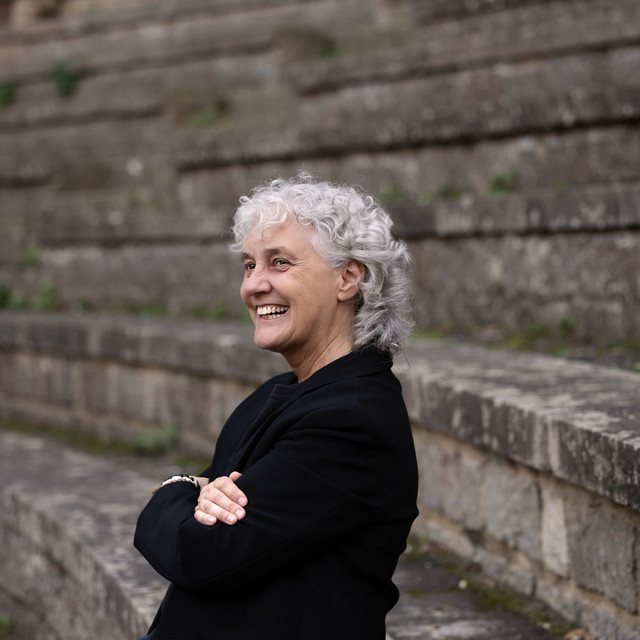
Mayte Martin
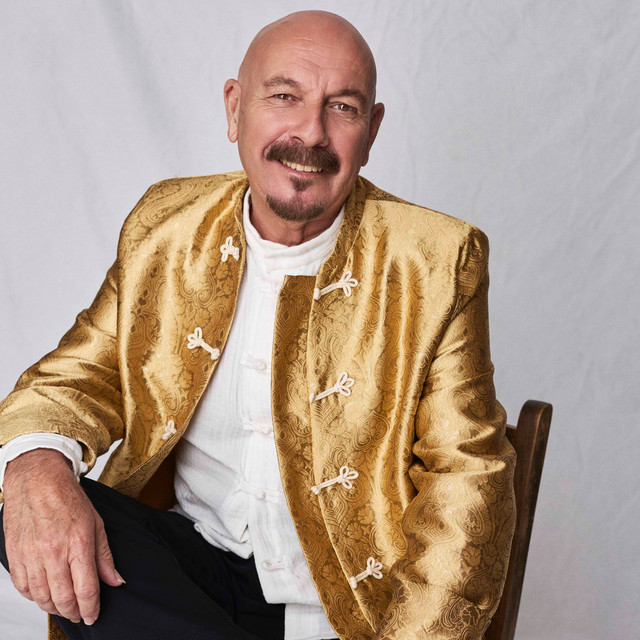
Clara Montes
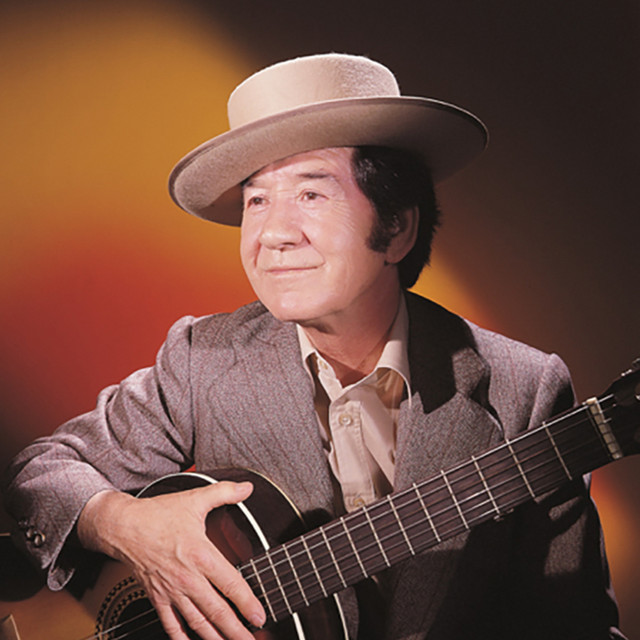
Juanito Valderrama

Pasión Vega
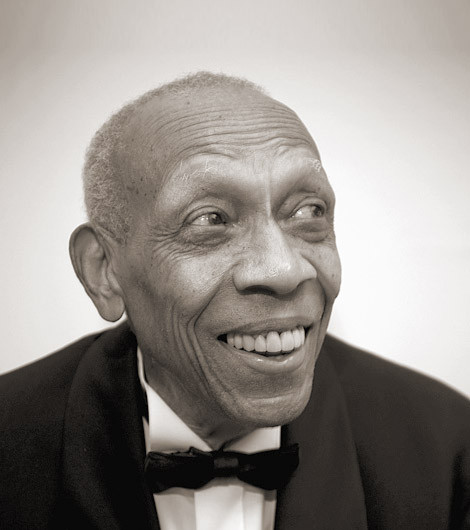
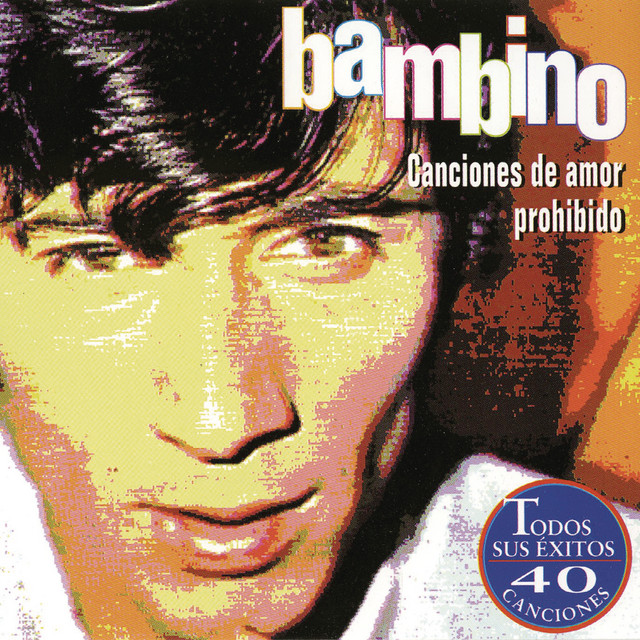



Falete



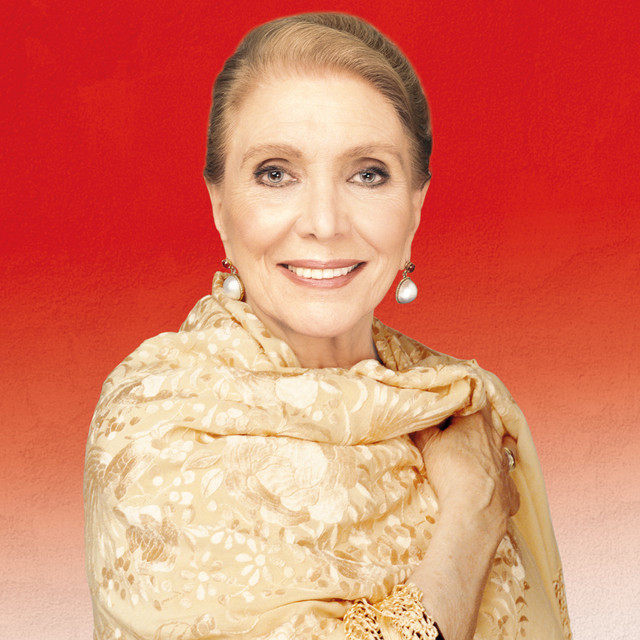
Maria Dolores Pradera
Isabelle Laudenbach
Lisa Bause
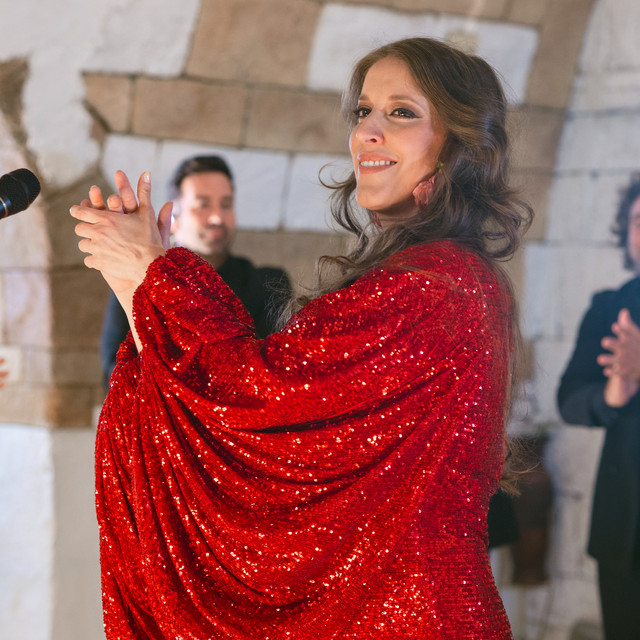

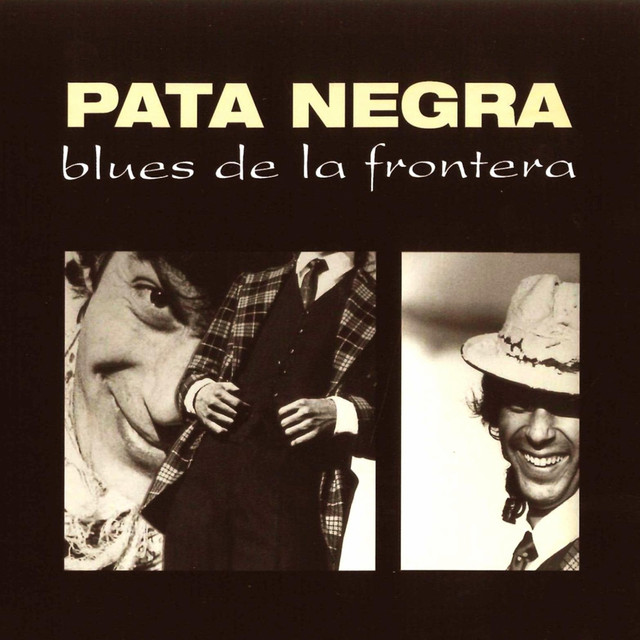
Pata Negra