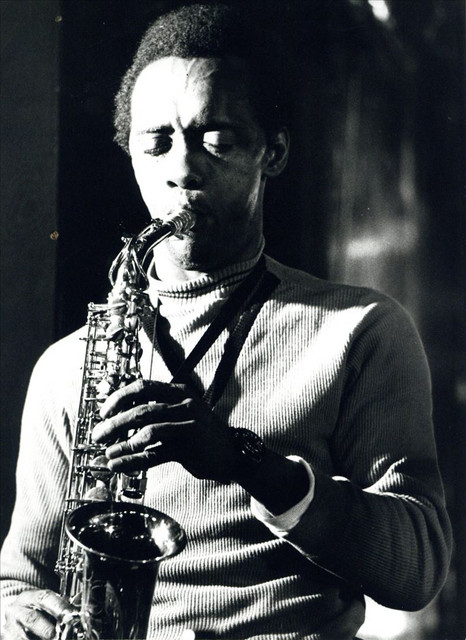
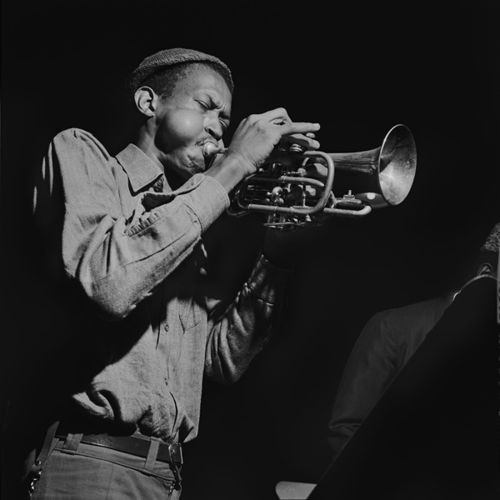
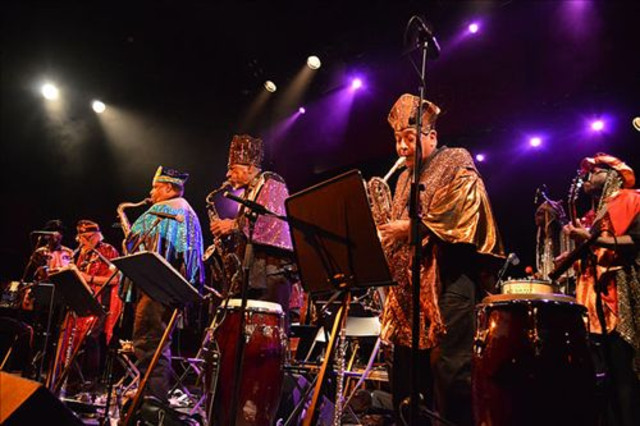
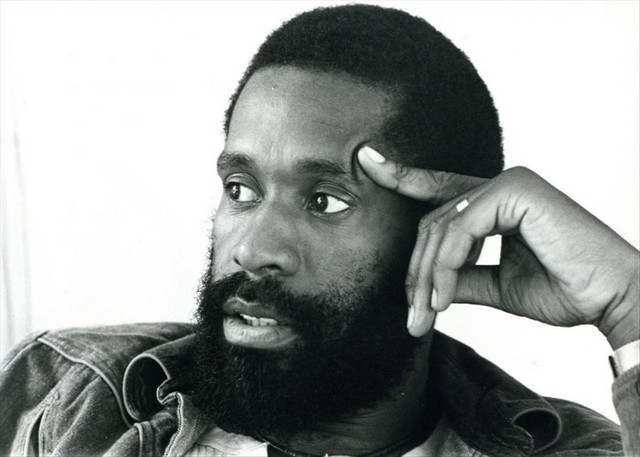
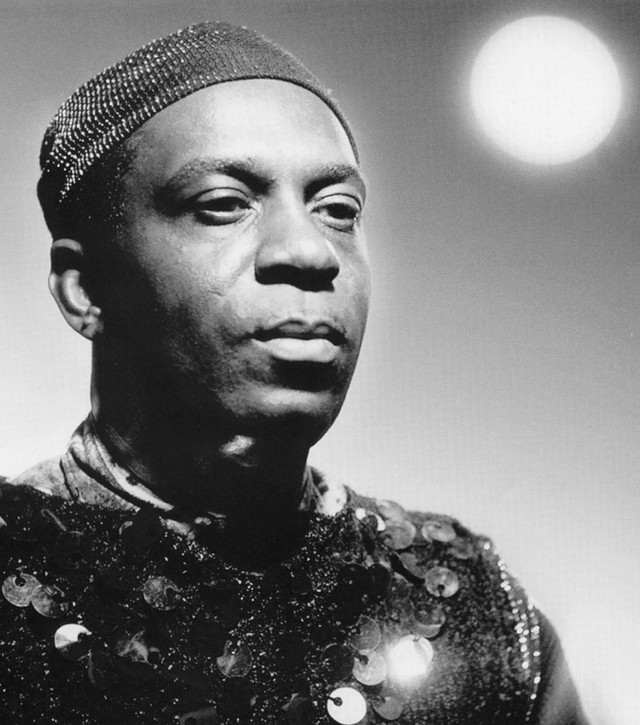
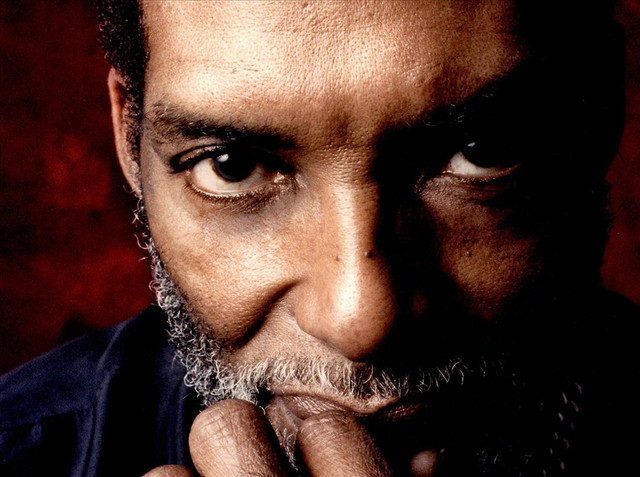
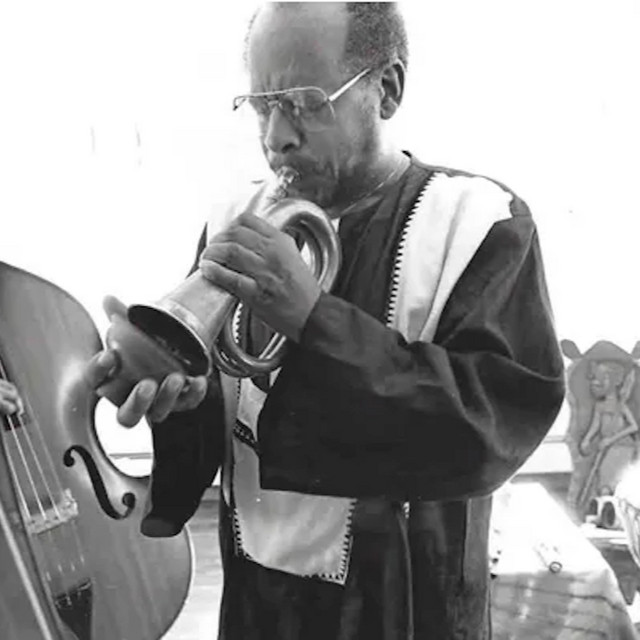
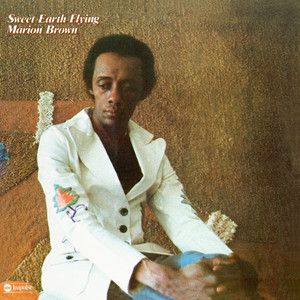
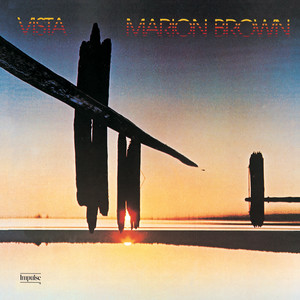
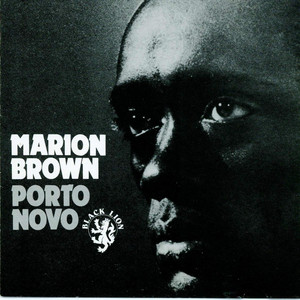
Alto saxophonist Marion Brown was an underappreciated hero of the jazz avant-garde. Committed to discovering the far-flung reaches of improvisational expression, Brown nonetheless possessed a truly lyrical voice but was largely ignored in discussions of free jazz of the '60s and '70s. Brown came to New York from Atlanta in 1965. His first session was playing on <a href="spotify:artist:2hGh5VOeeqimQFxqXvfCUf">John Coltrane</a>'s essential Ascension album. He made two records for the <a href="spotify:search:label%3A%22ESP%22">ESP</a> label in 1965 and 1966 -- Marion Brown Quartet and Why Not? -- and also played on two <a href="spotify:artist:4hs4QcruAuaZtBZ99qw6G2">Bill Dixon</a> soundtracks. It wasn't until his defining Three for Shepp (including <a href="spotify:artist:5NrnFpBCv4Z43MgMVXfrrY">Grachan Moncur III</a> and <a href="spotify:artist:1sdyFmN4bVOcuFDpTVsxBB">Kenny Burrell</a>) on the <a href="spotify:search:label%3A%22Impulse%21%22">Impulse!</a> label in 1966 that critics took real notice. This set, lauded as one of the best recordings of that year, opened doors for Brown (temporarily) to tour. He didn't record for another two years because of extensive European engagements, and in 1968 issued Porto Novo (with Leo Smith) on the <a href="spotify:search:label%3A%22Black+Lion%22">Black Lion</a> label. In 1970, Brown recorded Afternoon of a Georgia Faun for the <a href="spotify:search:label%3A%22ECM%22">ECM</a> label, his second classic. This date featured <a href="spotify:artist:3UXq4fckDmcPmleixlrl6i">Anthony Braxton</a>, <a href="spotify:artist:47hexMV8ZbDWZ9MSwSWD50">Andrew Cyrille</a>, <a href="spotify:artist:2mv4xHxofvyWTp2ViBqgZb">Bennie Maupin</a>, <a href="spotify:artist:7ezPWk4DFf9Fb9tdwg0Ych">Jeanne Lee</a>, and <a href="spotify:artist:5olDKSsFhhmwh8UCWwKtpq">Chick Corea</a>, among others. In 1973, he cut his second <a href="spotify:search:label%3A%22Impulse%21%22">Impulse!</a> session, Geechee Recollections, with Leo Smith. Brown registered at Wesleyan University in the mid-'70s, studying ethnic instruments and black fife-and-drum corps music and maintained a regular recording schedule. He also recorded with <a href="spotify:artist:24Xs3oLPEBbRbjRa7v654F">Gunter Hampel</a> in the late '70s and '80s, as well as composer <a href="spotify:artist:3uOCouLFR4bVx0XeiQJSbl">Harold Budd</a> on his Pavilion of Dreams album (issued on <a href="spotify:artist:7MSUfLeTdDEoZiJPDSBXgi">Brian Eno</a>'s Obscure label), <a href="spotify:artist:1BEsuwAkTQMG50TeHB5qny">Steve Lacy</a> in 1985, <a href="spotify:artist:4cP0bprQSFtZdI9QEKKZA3">Mal Waldron</a> in 1988, and many others. There are numerous duet and solo recordings that may or may not be sanctioned. Due to health problems, Brown didn't record after 1992. After the turn of the millennium he lived for a while at a New York nursing home before moving to an assisted living facility in Florida. Marion Brown died in October of 2010. ~ Thom Jurek, Rovi