Data may be outdated
Last updated: 9 months ago — Click refresh to get the latest statistics.
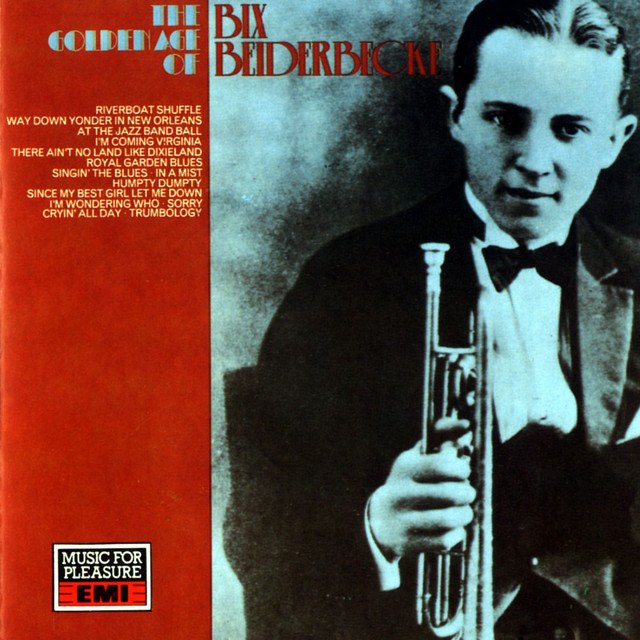
Bix Beiderbecke was one of the greatest jazz musicians of the 1920s. His colorful life, quick rise and fall, and eventual status as a martyr made him a legend even before he died. Possessor of a beautiful, distinctive tone and a strikingly original improvising style, <a href="spotify:artist:1mZm40boQmdGKicfbNkd0r">Beiderbecke</a>'s only competitor among cornetists in the '20s was <a href="spotify:artist:19eLuQmk9aCobbVDHc6eek">Louis Armstrong</a> but, because of their different sounds and styles, you can't really compare them.
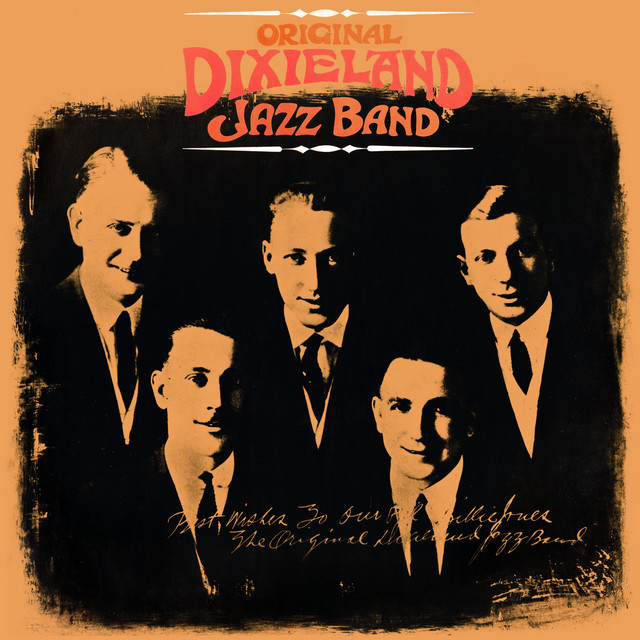
<a href="spotify:artist:1mZm40boQmdGKicfbNkd0r">Beiderbecke</a> was a bit of a child prodigy, picking out tunes on the piano when he was three. While he had conventional training on the piano, he taught himself the cornet. Influenced by the original Dixieland Jazz Band, <a href="spotify:artist:1mZm40boQmdGKicfbNkd0r">Beiderbecke</a> craved the freedom of jazz but his straitlaced parents felt he was being frivolous. He was sent to Lake Forest Military Academy in 1921 but, by coincidence, it was located fairly close to Chicago, the center of jazz at the time. <a href="spotify:artist:1mZm40boQmdGKicfbNkd0r">Beiderbecke</a> was eventually expelled because he missed so many classes. After a brief period at home he became a full-time musician. In 1923, <a href="spotify:artist:1mZm40boQmdGKicfbNkd0r">Beiderbecke</a> became the star cornetist of <a href="spotify:artist:1GHJo4ZIAyH7pQ1mqqDcEr">the Wolverines</a> and a year later this spirited group made some classic recordings.
In late 1924, <a href="spotify:artist:1mZm40boQmdGKicfbNkd0r">Beiderbecke</a> left <a href="spotify:artist:1GHJo4ZIAyH7pQ1mqqDcEr">the Wolverines</a> to join <a href="spotify:artist:2rtPSgv5K948tiLuIFkXMQ">Jean Goldkette</a>'s orchestra but his inability to read music resulted in him losing the job. In 1925, he spent time in Chicago and worked on his reading abilities. The following year he spent time with <a href="spotify:artist:1wZJPrJG9p0ZkiP1sGTaS7">Frankie Trumbauer</a>'s orchestra in St. Louis. Although already an alcoholic, 1927 would be <a href="spotify:artist:1mZm40boQmdGKicfbNkd0r">Beiderbecke</a>'s greatest year. He worked with <a href="spotify:artist:2rtPSgv5K948tiLuIFkXMQ">Jean Goldkette</a>'s orchestra, recorded his piano masterpiece "In a Mist" (one of his four <a href="spotify:artist:1Uff91EOsvd99rtAupatMP">Debussy</a>-inspired originals), cut many classic sides with a small group headed by <a href="spotify:artist:1wZJPrJG9p0ZkiP1sGTaS7">Trumbauer</a> (including his greatest solos "Singin' the Blues," "I'm Comin' Virginia," and "Way Down Yonder in New Orleans"), and then signed up with <a href="spotify:artist:1mZm40boQmdGKicfbNkd0r">Paul Whiteman</a>'s huge and prosperous orchestra. Although revisionist historians would later claim that <a href="spotify:artist:1mZm40boQmdGKicfbNkd0r">Whiteman</a>'s wide mixture of repertoire (much of it outside of jazz) drove <a href="spotify:artist:1mZm40boQmdGKicfbNkd0r">Beiderbecke</a> to drink, he actually enjoyed the prestige of playing with the most popular band of the decade. <a href="spotify:artist:1mZm40boQmdGKicfbNkd0r">Beiderbecke</a>'s favorite personal solo was his written-out part on <a href="spotify:artist:1YuknfkSYTTbolRpwZBOv4">George Gershwin</a>'s "Concerto in F."
With <a href="spotify:artist:1mZm40boQmdGKicfbNkd0r">Whiteman</a>, <a href="spotify:artist:1mZm40boQmdGKicfbNkd0r">Beiderbecke</a>'s solos tended to be short moments of magic, sometimes in odd settings; his brilliant chorus on "Sweet Sue" is a perfect example. He was productive throughout 1928, but by the following year his drinking began to catch up with him. <a href="spotify:artist:1mZm40boQmdGKicfbNkd0r">Beiderbecke</a> had a breakdown, made a comeback, and then in September 1929 was reluctantly sent back to Davenport to recover. Unfortunately, <a href="spotify:artist:1mZm40boQmdGKicfbNkd0r">Beiderbecke</a> made a few sad records in 1930 before his death at age 28. The bad liquor of the Prohibition era did him in.
For the full story, Bix: Man & Legend is a remarkably detailed book. <a href="spotify:artist:1mZm40boQmdGKicfbNkd0r">Beiderbecke</a>'s recordings (even the obscure ones) are continually in print, for his followers believe that every note he played was special. ~ Scott Yanow, Rovi
<a href="spotify:artist:1mZm40boQmdGKicfbNkd0r">Beiderbecke</a> was a bit of a child prodigy, picking out tunes on the piano when he was three. While he had conventional training on the piano, he taught himself the cornet. Influenced by the original Dixieland Jazz Band, <a href="spotify:artist:1mZm40boQmdGKicfbNkd0r">Beiderbecke</a> craved the freedom of jazz but his straitlaced parents felt he was being frivolous. He was sent to Lake Forest Military Academy in 1921 but, by coincidence, it was located fairly close to Chicago, the center of jazz at the time. <a href="spotify:artist:1mZm40boQmdGKicfbNkd0r">Beiderbecke</a> was eventually expelled because he missed so many classes. After a brief period at home he became a full-time musician. In 1923, <a href="spotify:artist:1mZm40boQmdGKicfbNkd0r">Beiderbecke</a> became the star cornetist of <a href="spotify:artist:1GHJo4ZIAyH7pQ1mqqDcEr">the Wolverines</a> and a year later this spirited group made some classic recordings.
In late 1924, <a href="spotify:artist:1mZm40boQmdGKicfbNkd0r">Beiderbecke</a> left <a href="spotify:artist:1GHJo4ZIAyH7pQ1mqqDcEr">the Wolverines</a> to join <a href="spotify:artist:2rtPSgv5K948tiLuIFkXMQ">Jean Goldkette</a>'s orchestra but his inability to read music resulted in him losing the job. In 1925, he spent time in Chicago and worked on his reading abilities. The following year he spent time with <a href="spotify:artist:1wZJPrJG9p0ZkiP1sGTaS7">Frankie Trumbauer</a>'s orchestra in St. Louis. Although already an alcoholic, 1927 would be <a href="spotify:artist:1mZm40boQmdGKicfbNkd0r">Beiderbecke</a>'s greatest year. He worked with <a href="spotify:artist:2rtPSgv5K948tiLuIFkXMQ">Jean Goldkette</a>'s orchestra, recorded his piano masterpiece "In a Mist" (one of his four <a href="spotify:artist:1Uff91EOsvd99rtAupatMP">Debussy</a>-inspired originals), cut many classic sides with a small group headed by <a href="spotify:artist:1wZJPrJG9p0ZkiP1sGTaS7">Trumbauer</a> (including his greatest solos "Singin' the Blues," "I'm Comin' Virginia," and "Way Down Yonder in New Orleans"), and then signed up with <a href="spotify:artist:1mZm40boQmdGKicfbNkd0r">Paul Whiteman</a>'s huge and prosperous orchestra. Although revisionist historians would later claim that <a href="spotify:artist:1mZm40boQmdGKicfbNkd0r">Whiteman</a>'s wide mixture of repertoire (much of it outside of jazz) drove <a href="spotify:artist:1mZm40boQmdGKicfbNkd0r">Beiderbecke</a> to drink, he actually enjoyed the prestige of playing with the most popular band of the decade. <a href="spotify:artist:1mZm40boQmdGKicfbNkd0r">Beiderbecke</a>'s favorite personal solo was his written-out part on <a href="spotify:artist:1YuknfkSYTTbolRpwZBOv4">George Gershwin</a>'s "Concerto in F."
With <a href="spotify:artist:1mZm40boQmdGKicfbNkd0r">Whiteman</a>, <a href="spotify:artist:1mZm40boQmdGKicfbNkd0r">Beiderbecke</a>'s solos tended to be short moments of magic, sometimes in odd settings; his brilliant chorus on "Sweet Sue" is a perfect example. He was productive throughout 1928, but by the following year his drinking began to catch up with him. <a href="spotify:artist:1mZm40boQmdGKicfbNkd0r">Beiderbecke</a> had a breakdown, made a comeback, and then in September 1929 was reluctantly sent back to Davenport to recover. Unfortunately, <a href="spotify:artist:1mZm40boQmdGKicfbNkd0r">Beiderbecke</a> made a few sad records in 1930 before his death at age 28. The bad liquor of the Prohibition era did him in.
For the full story, Bix: Man & Legend is a remarkably detailed book. <a href="spotify:artist:1mZm40boQmdGKicfbNkd0r">Beiderbecke</a>'s recordings (even the obscure ones) are continually in print, for his followers believe that every note he played was special. ~ Scott Yanow, Rovi
Monthly Listeners
67,613
Monthly Listeners History
Track the evolution of monthly listeners over the last 28 days.
Followers
35,881
Followers History
Track the evolution of followers over the last 28 days.
Top Cities
1,203 listeners

806 listeners

780 listeners
693 listeners
600 listeners