Data may be outdated
Last updated: 9 months ago — Click refresh to get the latest statistics.
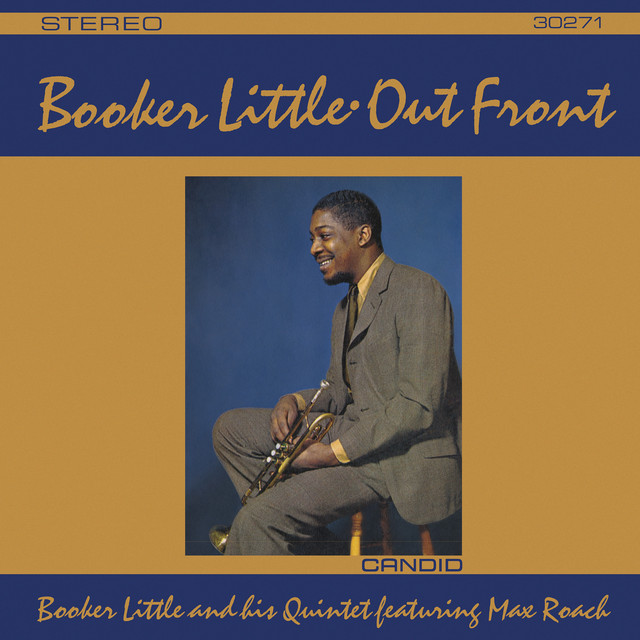
The first trumpeter emerging after <a href="spotify:artist:1HJHwWck1EY096ea2iPAHO">Clifford Brown</a>'s death to gain his own sound, Booker Little had a tremendous amount of potential before his premature death. He began on trumpet when he was 12 and played with <a href="spotify:artist:52cM6vrM4MJ8g4H7Ibo5fZ">Johnny Griffin</a> and <a href="spotify:artist:1lyCDYAYsVYALIu9y4uIOw">the MJT + 3</a> while attending the Chicago Conservatory. Little was with <a href="spotify:artist:6jrlNnS5B830kpi40j3S6g">Max Roach</a> (1958-1959) and then freelanced in New York. He recorded with <a href="spotify:artist:6jrlNnS5B830kpi40j3S6g">Roach</a> and <a href="spotify:artist:0A9p7WNA1VwxVyrjx92Z9F">Abbey Lincoln</a>, was on <a href="spotify:artist:2hGh5VOeeqimQFxqXvfCUf">John Coltrane</a>'s Africa/Brass album, and was well-documented during a July 1961 gig at the Five Spot with <a href="spotify:artist:6rxxu32JCGDpKKMPHxnSJp">Eric Dolphy</a>. Little had a memorable melancholy sound and his interval jumps looked toward the avant-garde, but he also swung like a hard bopper. Booker Little led four sessions (one album apiece for United Artists, Time, Candid, and Bethlehem), but died of uremia at the age of 23, a particularly tragic loss. ~ Scott Yanow, Rovi
Monthly Listeners
15,468
Monthly Listeners History
Track the evolution of monthly listeners over the last 28 days.
Followers
10,405
Followers History
Track the evolution of followers over the last 28 days.
Top Cities
365 listeners

267 listeners
259 listeners
234 listeners
179 listeners

Related Artists

Paul Bley Trio

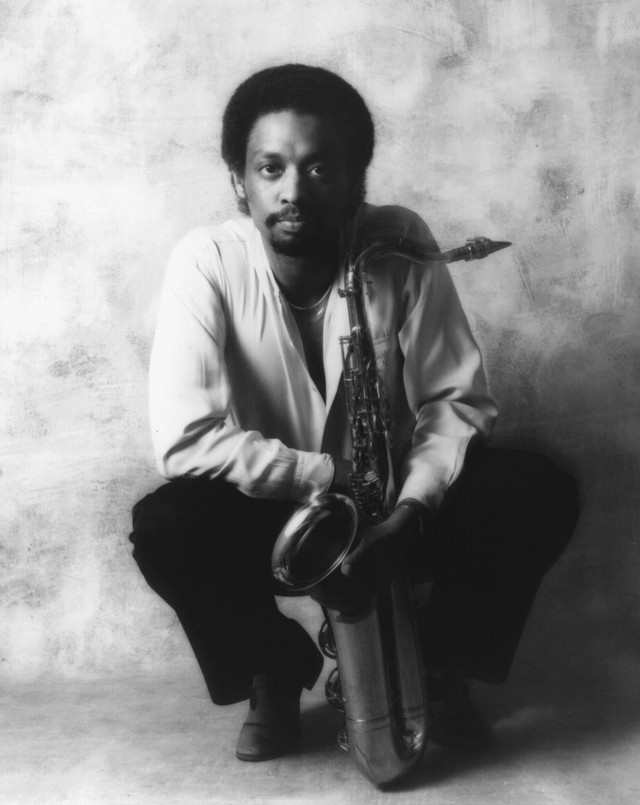
Chico Freeman



Sonny Red
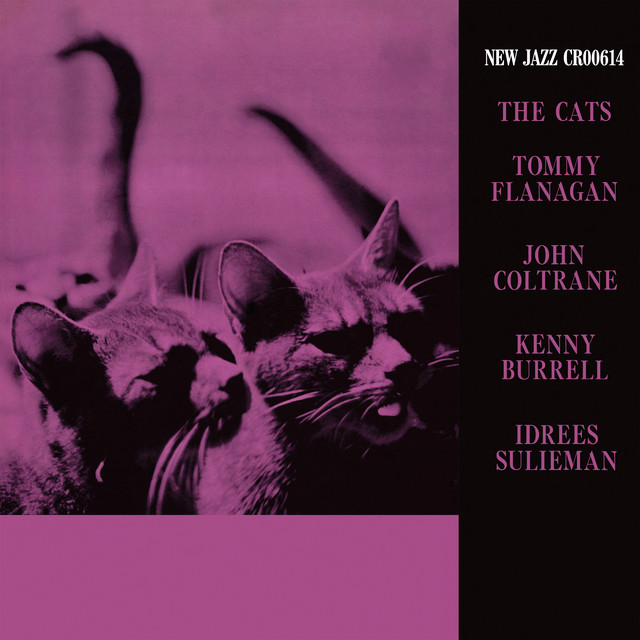
Idrees Sulieman

Eric Dolphy Quintet