Data may be outdated
Last updated: 9 months ago — Click refresh to get the latest statistics.
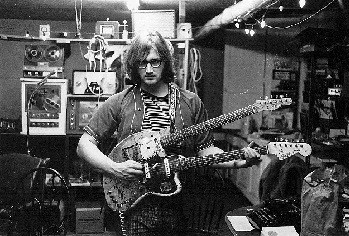
Despite–or perhaps because of–experiencing every hell, guitar savant Branko Mataja maintained a lifelong devotion to his craft. As a ten-year-old in war-torn 1930s Yugoslavia, he constructed his first guitar tinkering beneath his parents’ kitchen table. After the Axis Powers occupied Yugoslavia in the early ’40s, the Germans arrested Mataja for leaving home without his identification papers. Mataja was shipped off to work as a slave laborer in Germany, never to see his family again.
But Mataja’s affinity for guitar endured. While living in a camp for displaced peoples in England, Mataja built the instrument he’d use for the rest of his life–a classic jazz guitar with pearl inlays. Later, Mataja emigrated to the U.S. and established an instrument repair shop in Los Angeles. It was there that he recorded his only two records, ‘Traditional Folk Songs of Yugoslavia’ and ‘Traditional Folk Songs of Serbia.’ Inspired by the music of his youth, Mataja’s recordings are distinguished by serpentine melodies, a signature octave bass, and ingenious use of delay.
But Mataja’s affinity for guitar endured. While living in a camp for displaced peoples in England, Mataja built the instrument he’d use for the rest of his life–a classic jazz guitar with pearl inlays. Later, Mataja emigrated to the U.S. and established an instrument repair shop in Los Angeles. It was there that he recorded his only two records, ‘Traditional Folk Songs of Yugoslavia’ and ‘Traditional Folk Songs of Serbia.’ Inspired by the music of his youth, Mataja’s recordings are distinguished by serpentine melodies, a signature octave bass, and ingenious use of delay.
Monthly Listeners
50,502
Monthly Listeners History
Track the evolution of monthly listeners over the last 28 days.
Followers
11,312
Followers History
Track the evolution of followers over the last 28 days.
Top Cities
1,772 listeners

1,424 listeners

1,401 listeners
989 listeners
868 listeners

Related Artists









Jan Van den Broeke
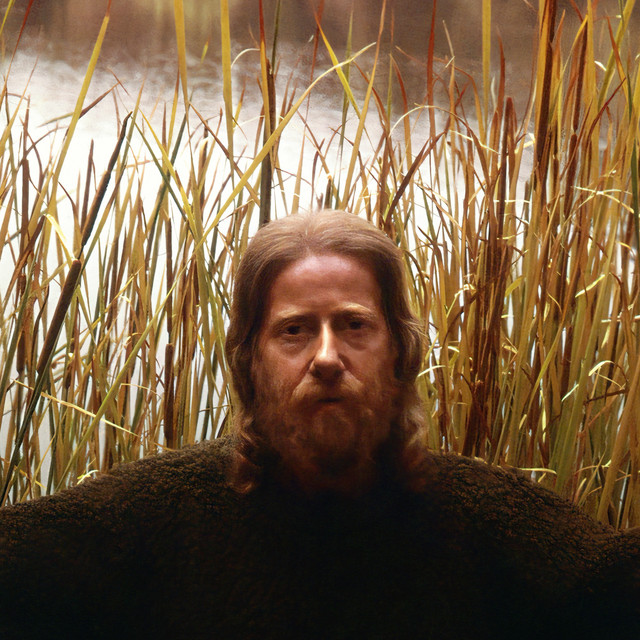



Omertà