Data may be outdated
Last updated: 7 months ago — Click refresh to get the latest statistics.
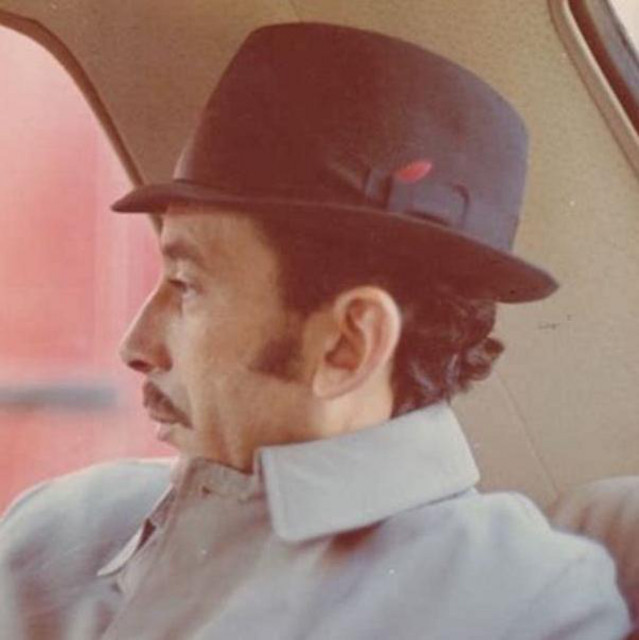
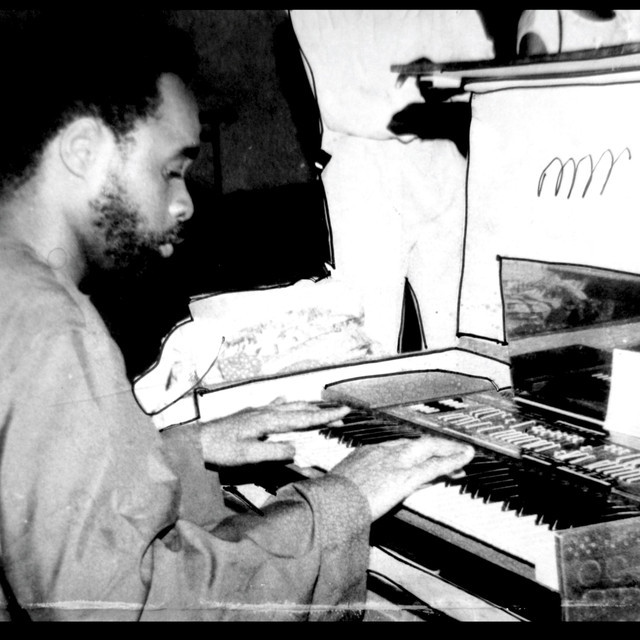
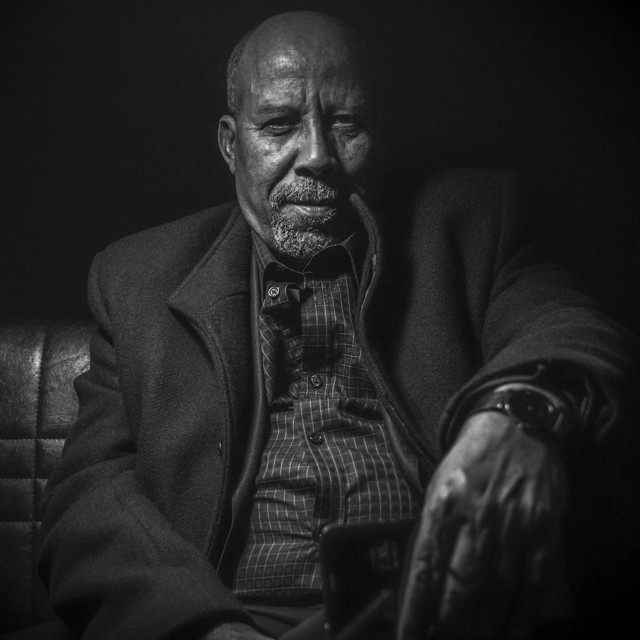
Mamman is well known throughout Niger, but his synth music was never hugely popular. He came from a privileged place in Niger society – his maternal grandfather was a chief in Ghana, his paternal grandfather a Colonel in the first World War, and Mamman’s father was a librarian for the American Cultural Center. As a young man, Mamman became a functionary for UNESCO, during which he traveled to Japan and Europe. During one of the UNESCO meetings, a delegate from Rwanda had brought along his Italian “Orlo” organ. Mamman was captivated by the sound and convinced him to sell it. “It was possibly the first Organ in Niger,” he explained. He began to compose songs on the organ. Many of these songs were interpretations of Niger folkloric classics. “I wanted to make the Wodaabe songs on the keyboard, make the Tuareg tendé with the rhythm,” he said. Some were his own compositions. Salamatu, one his most popular songs, was created for his girlfriend. He stopped as he came across her photo, how he once lay with his head in her lap, and tears came to his eyes. When she asked him why he was crying, he answered “Because I’ve never been so happy as I am in this moment.” He sits quietly, before I asked what happened to Salamatu, and he smiles before shaking his head and turning the page.
Monthly Listeners
35,199
Monthly Listeners History
Track the evolution of monthly listeners over the last 28 days.
Followers
18,463
Followers History
Track the evolution of followers over the last 28 days.
Top Cities
1,168 listeners

1,010 listeners

869 listeners
690 listeners

647 listeners
Related Artists

Absent Music






Jan Van den Broeke