Data may be outdated
Last updated: 9 months ago — Click refresh to get the latest statistics.
Bud Shank began his career pigeonholed as a cool schooler, but those who listened to the altoist progress over the long haul knew that he became one of the hottest, most original players of the immediate post-<a href="spotify:artist:2gINJ8xw86xawPyGvx1bla">Parker</a> generation. Lumped in with the limpid-toned West Coast crowd in the '50s, Shank never ceased to evolve; in his later years, he had more in common with <a href="spotify:artist:1lB7KbOr9xdPK1CuasxmeA">Jackie McLean</a> or <a href="spotify:artist:6G4hVmXKJ9NW5JecncK89f">Phil Woods</a> than with <a href="spotify:artist:68l2i6GeNtwQlhKS59u5bu">Paul Desmond</a> or <a href="spotify:artist:4YNvbaOaqp5pzC5US5t48k">Lee Konitz</a>. Shank's keening, blithely melodic, and tonally expressive style was one of the more genuinely distinctive approaches that grew out of the bebop idiom.
Shank attended the University of North Carolina from 1944-1946. Early on, he played a variety of woodwinds, including flute, clarinet, and alto and tenor saxes; he began to concentrate on alto and flute in the late '40s. After college, Shank moved to California, where he studied with trumpeter/composer <a href="spotify:artist:7hxJ7osu5ELi0SVSvgUjQN">Shorty Rogers</a> and played in the big bands of <a href="spotify:artist:4SPws2VXOmZIiRTp75mzsb">Charlie Barnet</a> (1947-1948) and <a href="spotify:artist:27hSR8e34ZM5vj5fUFixyb">Stan Kenton</a> (1950-1951). Shank made a name for himself in the '50s as a central member of the West Coast jazz scene. In addition to those named above, he played and recorded with bassist Howard Rumsey's Lighthouse All-Stars, tenor saxophonist <a href="spotify:artist:4DnrmZA1htqVJxqycYIswK">Bob Cooper</a>, and Brazilian guitarist <a href="spotify:artist:5PkDpzWMZR7Id1vldhF8Qk">Laurindo Almeida</a>, among others. Shank made a series of albums as a leader for <a href="spotify:search:label%3A%22World+Pacific%22">World Pacific</a> in the late '50s and early '60s.
Shank ensconced himself in the L.A. studios during the '60s, emerging occasionally to record jazz and bossa nova albums with the likes of <a href="spotify:artist:3rxeQlsv0Sc2nyYaZ5W71T">Chet Baker</a> and <a href="spotify:artist:65c5si0ePAwkOCn4M35Ho7">Sergio Mendes</a>. Shank's 1966 album with <a href="spotify:artist:46CH1Gp8l8QVly8bpG9JFG">Baker</a>, Michelle, was something of a popular success, reaching number 56 on the charts. Film scores on which Shank can be heard include The Thomas Crown Affair and The Barefoot Adventure. In the '70s, Shank formed the L.A. Four with <a href="spotify:artist:5PkDpzWMZR7Id1vldhF8Qk">Almeida</a>, bassist <a href="spotify:artist:0SvD7DL5CQTbcrMtns1US8">Ray Brown</a>, and, at various times, drummer <a href="spotify:artist:6Pr9I9yvUlQQsLmPcaPHbb">Chuck Flores</a>, <a href="spotify:artist:6M7ScGp8p2GspFJaIMh1Yo">Shelly Manne</a>, or <a href="spotify:artist:1qWu3D3Lp6hCk4XFNaeZ18">Jeff Hamilton</a>. Shank had been one of the earliest jazz flutists, but in the mid-'80s he dropped the instrument in order to concentrate on alto full-time. During the last two decades of the 20th century, he recorded small-group albums at a modestly steady pace for the <a href="spotify:search:label%3A%22Contemporary%22">Contemporary</a>, <a href="spotify:search:label%3A%22Concord%22">Concord</a>, and <a href="spotify:search:label%3A%22Candid%22">Candid</a> labels. Shank's 1997 <a href="spotify:search:label%3A%22Milestone%22">Milestone</a> album, By Request: Bud Shank Meets the Rhythm Section, presented the altoist in top form, burning down the house with a band of relative youngsters who included neo-bopper pianist <a href="spotify:artist:319U6LVt3j3iT9oAEzrpRO">Cyrus Chestnut</a>. Three years later, Silver Storm was released.
Shank continued performing and recording after the turn of the millennium, undertaking the challenging task of forming the Los Angeles-based Bud Shank Big Band in 2005 and making his recording debut as a big-band leader with Taking the Long Way Home, released the following year by the <a href="spotify:search:label%3A%22Jazzed+Media%22">Jazzed Media</a> label. In 2007 <a href="spotify:search:label%3A%22Jazzed+Media%22">Jazzed Media</a> issued Beyond the Red Door, a duet recording by Shank and pianist <a href="spotify:artist:1ilp455TV1iDOBdrxrqKTQ">Bill Mays</a>. Shank's passion for jazz remained strong to the very last days of his life; he died at his home in Tucson, AZ on April 2, 2009 of a pulmonary embolism shortly after returning from a recording session in San Diego. Shank's doctors had reportedly warned the saxophonist -- who had moved to Tucson for health reasons -- that playing the session could be life-threatening. Bud Shank was 82 years old. ~ Chris Kelsey, Rovi
Shank attended the University of North Carolina from 1944-1946. Early on, he played a variety of woodwinds, including flute, clarinet, and alto and tenor saxes; he began to concentrate on alto and flute in the late '40s. After college, Shank moved to California, where he studied with trumpeter/composer <a href="spotify:artist:7hxJ7osu5ELi0SVSvgUjQN">Shorty Rogers</a> and played in the big bands of <a href="spotify:artist:4SPws2VXOmZIiRTp75mzsb">Charlie Barnet</a> (1947-1948) and <a href="spotify:artist:27hSR8e34ZM5vj5fUFixyb">Stan Kenton</a> (1950-1951). Shank made a name for himself in the '50s as a central member of the West Coast jazz scene. In addition to those named above, he played and recorded with bassist Howard Rumsey's Lighthouse All-Stars, tenor saxophonist <a href="spotify:artist:4DnrmZA1htqVJxqycYIswK">Bob Cooper</a>, and Brazilian guitarist <a href="spotify:artist:5PkDpzWMZR7Id1vldhF8Qk">Laurindo Almeida</a>, among others. Shank made a series of albums as a leader for <a href="spotify:search:label%3A%22World+Pacific%22">World Pacific</a> in the late '50s and early '60s.
Shank ensconced himself in the L.A. studios during the '60s, emerging occasionally to record jazz and bossa nova albums with the likes of <a href="spotify:artist:3rxeQlsv0Sc2nyYaZ5W71T">Chet Baker</a> and <a href="spotify:artist:65c5si0ePAwkOCn4M35Ho7">Sergio Mendes</a>. Shank's 1966 album with <a href="spotify:artist:46CH1Gp8l8QVly8bpG9JFG">Baker</a>, Michelle, was something of a popular success, reaching number 56 on the charts. Film scores on which Shank can be heard include The Thomas Crown Affair and The Barefoot Adventure. In the '70s, Shank formed the L.A. Four with <a href="spotify:artist:5PkDpzWMZR7Id1vldhF8Qk">Almeida</a>, bassist <a href="spotify:artist:0SvD7DL5CQTbcrMtns1US8">Ray Brown</a>, and, at various times, drummer <a href="spotify:artist:6Pr9I9yvUlQQsLmPcaPHbb">Chuck Flores</a>, <a href="spotify:artist:6M7ScGp8p2GspFJaIMh1Yo">Shelly Manne</a>, or <a href="spotify:artist:1qWu3D3Lp6hCk4XFNaeZ18">Jeff Hamilton</a>. Shank had been one of the earliest jazz flutists, but in the mid-'80s he dropped the instrument in order to concentrate on alto full-time. During the last two decades of the 20th century, he recorded small-group albums at a modestly steady pace for the <a href="spotify:search:label%3A%22Contemporary%22">Contemporary</a>, <a href="spotify:search:label%3A%22Concord%22">Concord</a>, and <a href="spotify:search:label%3A%22Candid%22">Candid</a> labels. Shank's 1997 <a href="spotify:search:label%3A%22Milestone%22">Milestone</a> album, By Request: Bud Shank Meets the Rhythm Section, presented the altoist in top form, burning down the house with a band of relative youngsters who included neo-bopper pianist <a href="spotify:artist:319U6LVt3j3iT9oAEzrpRO">Cyrus Chestnut</a>. Three years later, Silver Storm was released.
Shank continued performing and recording after the turn of the millennium, undertaking the challenging task of forming the Los Angeles-based Bud Shank Big Band in 2005 and making his recording debut as a big-band leader with Taking the Long Way Home, released the following year by the <a href="spotify:search:label%3A%22Jazzed+Media%22">Jazzed Media</a> label. In 2007 <a href="spotify:search:label%3A%22Jazzed+Media%22">Jazzed Media</a> issued Beyond the Red Door, a duet recording by Shank and pianist <a href="spotify:artist:1ilp455TV1iDOBdrxrqKTQ">Bill Mays</a>. Shank's passion for jazz remained strong to the very last days of his life; he died at his home in Tucson, AZ on April 2, 2009 of a pulmonary embolism shortly after returning from a recording session in San Diego. Shank's doctors had reportedly warned the saxophonist -- who had moved to Tucson for health reasons -- that playing the session could be life-threatening. Bud Shank was 82 years old. ~ Chris Kelsey, Rovi
Monthly Listeners
55,239
Monthly Listeners History
Track the evolution of monthly listeners over the last 28 days.
Followers
8,836
Followers History
Track the evolution of followers over the last 28 days.
Top Cities
829 listeners

496 listeners

491 listeners

480 listeners

464 listeners
Related Artists
Art Farmer & Benny Golson Jazztet



Bill Perkins Quintet


Milt Jackson Quartet
Bobby Timmons Trio

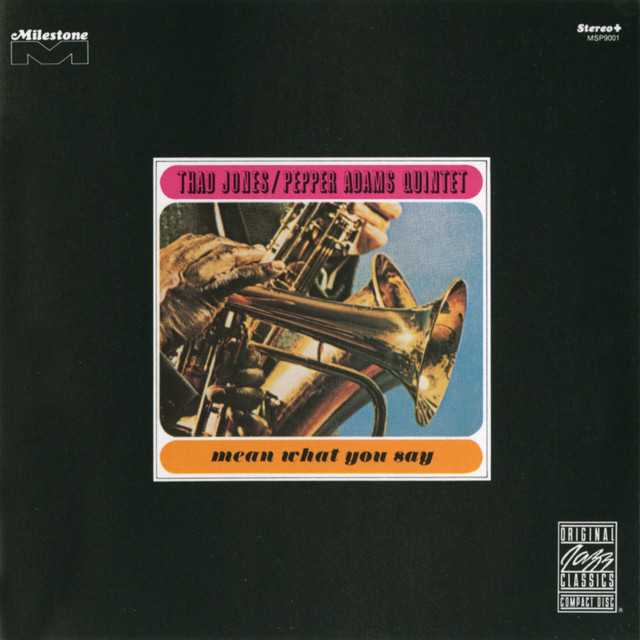
Pepper Adams Quintet