Data may be outdated
Last updated: 9 months ago — Click refresh to get the latest statistics.
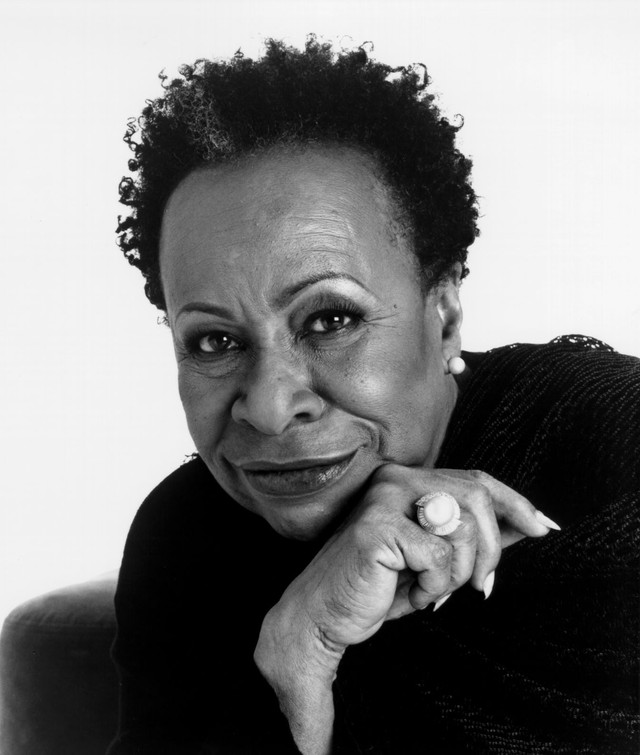
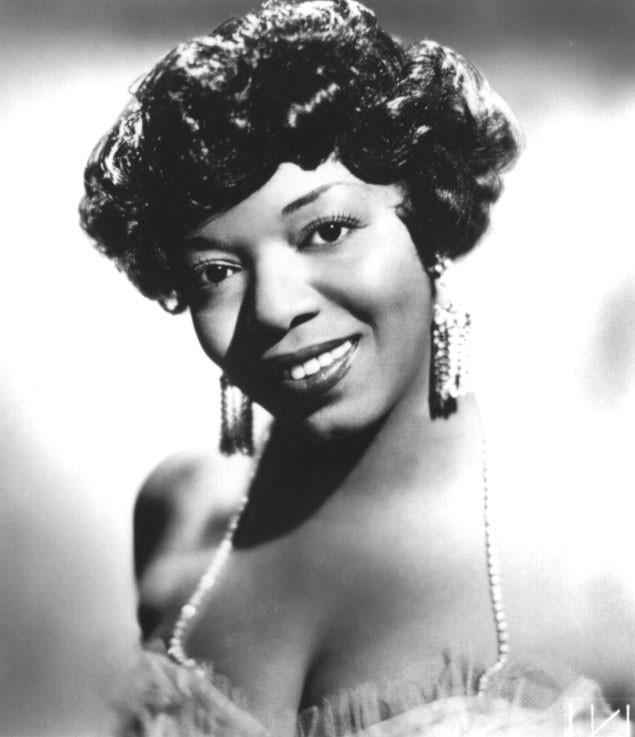
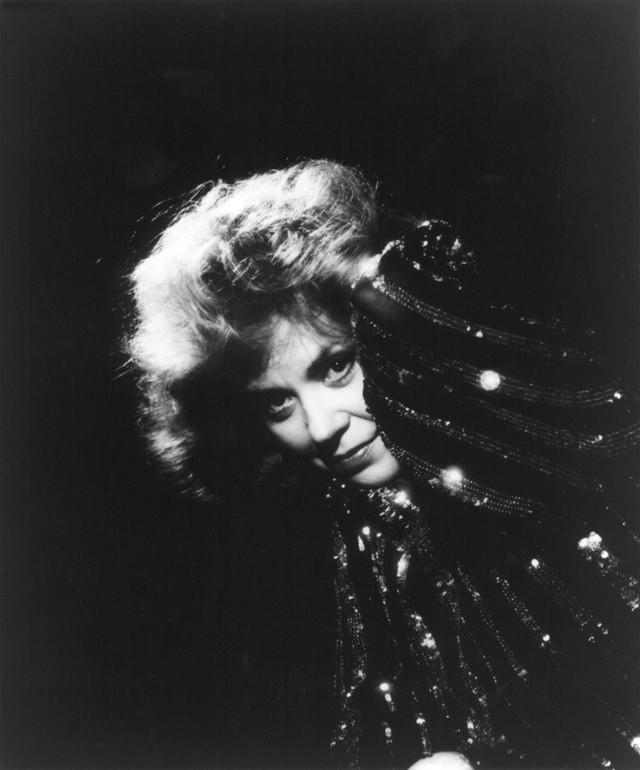
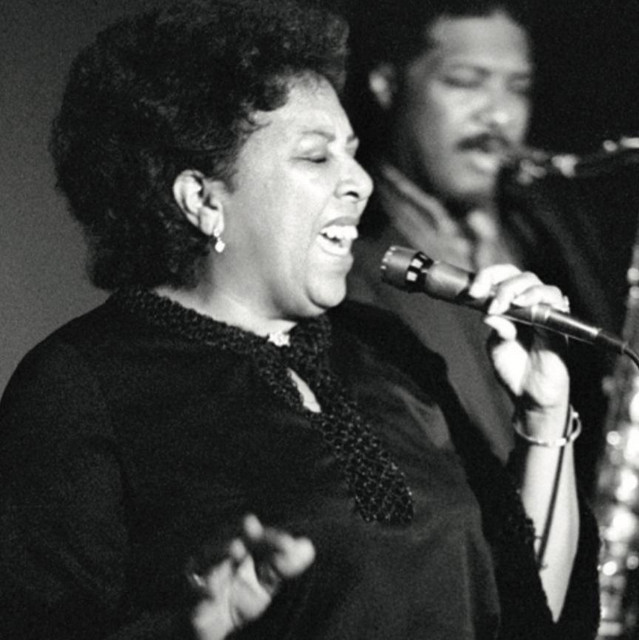
An understated, dynamic singer within jazz and popular standards, Etta Jones was an excellent singer always worth hearing. She grew up in New York and at 16, toured with <a href="spotify:artist:23ZeHMuusfCSypkcHOa4Hc">Buddy Johnson</a>. She debuted on record with <a href="spotify:artist:28IxhsTl0mELeGN9E5J0Oh">Barney Bigard</a>'s pickup band (1944) for Black & White, singing four <a href="spotify:artist:18JiHWhqvWBYpHQ44jMaSG">Leonard Feather</a> songs, three of which (including "Evil Gal Blues") were hits for <a href="spotify:artist:32LHRiof0sa4taYew9i3Fa">Dinah Washington</a>. She recorded other songs during 1946-1947 for RCA and worked with <a href="spotify:artist:2mY5u4CceAPrpBnse1WpFr">Earl Hines</a> (1949-1952). Jones' version of "Don't Go to Strangers" (1960) was a hit and she made many albums for Prestige during 1960-1965. Jones toured Japan with <a href="spotify:artist:6QQuESLtKhAOcLW2TeWC2t">Art Blakey</a> (1970), but was largely off record during 1966-1975. However, starting in 1976, Etta Jones (an appealing interpreter of standards, ballads, and blues) began recording regularly for Muse, often with the fine tenor saxophonist <a href="spotify:artist:16Xx0WCnAKOA9mwPPSUJmr">Houston Person</a>. She died from complications of cancer on October 16, 2001, the day her last album, Etta Jones Sings Lady Day, was released. ~ Scott Yanow & Ron Wynn, Rovi
Monthly Listeners
840,975
Monthly Listeners History
Track the evolution of monthly listeners over the last 28 days.
Followers
256,618
Followers History
Track the evolution of followers over the last 28 days.
Top Cities
13,390 listeners

8,710 listeners

7,883 listeners

7,209 listeners

7,096 listeners