Data may be outdated
Last updated: 1 month ago — Click refresh to get the latest statistics.
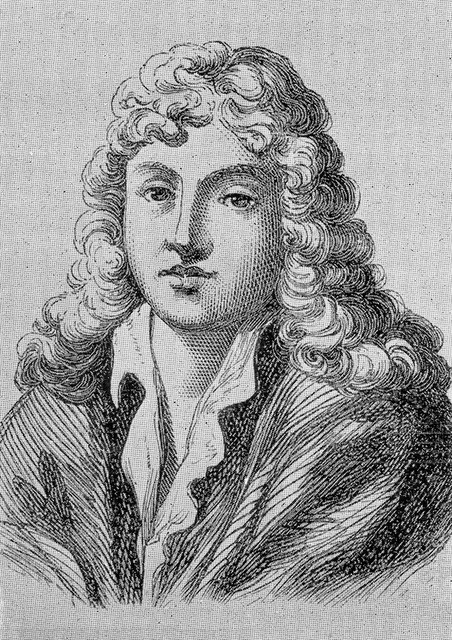
Veracini spent his youth in his native Florence, but established himself in Venice in 1711. There he played in various church orchestras, and in 1712 a performance of his so impressed <a href="spotify:artist:46x75iFAkipaG5IEAFN4L4">Tartini</a> that the latter withdrew for a while to study better use of the bow. During this time <a href="spotify:artist:2zcA2rLi9jv1i97HmFWFv4">Pietro Locatelli</a>, another great violinist-to-be, probaby studied with Veracini.
In 1714, Veracini performed in London; he spent the following year in Germany, and after further travels he obtained a court position in Dresden in 1717 at an impressive salary. In August 1722, though, he found himself hurtling to the ground from a third-floor window; whether this was a suicide attempt or a bungled murder remains unclear, for Veracini was not entirely lucid on the subject. He survived, but rumors of madness followed him on his subsequent journeys, including a period back in Italy working as a violinist and composing oratorios and sacred works.
Veracini returned to London in 1733, where he became a ubiquitous figure, performing everywhere and having his operas produced at the Opera of the Nobility, the chief rival of <a href="spotify:artist:1QL7yTHrdahRMpvNtn6rI2">Handel</a>'s theater. Except for a brief period back in Italy, Veracini remained in London for years. <a href="spotify:artist:4AviLWs1JENxJHU0HkfsZR">Charles Burney</a> wrote approvingly that "the peculiarities of his performance were his bow-hand, his [vibrato], his learned arpeggios, and a tone so loud and clear, that it could be distinctly heard through the most numerous band of a church or theatre."
Veracini returned to Italy for good by 1750, working primarily as a church musician in Florence, mainly composing and conducting, but also occasionally playing the violin into his seventies.
As a composer, Veracini came to write concertos strongly influenced by <a href="spotify:artist:2QOIawHpSlOwXDvSqQ9YJR">Vivaldi</a>'s; his sonatas in some ways resembled <a href="spotify:artist:5dmMpIyAVaH6b9FLFgWPrF">Corelli</a>'s, but often without the fugal elements (except those written for fugue-mad Dresden), and in some ways point the way to <a href="spotify:artist:46x75iFAkipaG5IEAFN4L4">Tartini</a>'s. Later, though, the progressive turned conservative, and became more interested in canonic writing. Similarly, the arias of his London operas show the influence of <a href="spotify:artist:1QL7yTHrdahRMpvNtn6rI2">Handel</a>, a composer he would later denounce.
Monthly Listeners
24,106
Monthly Listeners History
Track the evolution of monthly listeners over the last 28 days.
Followers
4,288
Followers History
Track the evolution of followers over the last 28 days.
Total Streams
6.0 million
Total Streams History
Track the evolution of total streams over the last 28 days. This data is calculated from all tracks listed in the artist's discography.
Top Cities




Related Artists
Charles Avison
Pietro Locatelli

Giuseppe Antonio Brescianello
Gilles Colliard



Unico Wilhelm van Wassenaer
Orchestre De Chambre De Toulouse
Giuseppe Sammartini

Sophie Gent

Johann Gottlieb Janitsch
Evaristo Felice Dall'Abaco
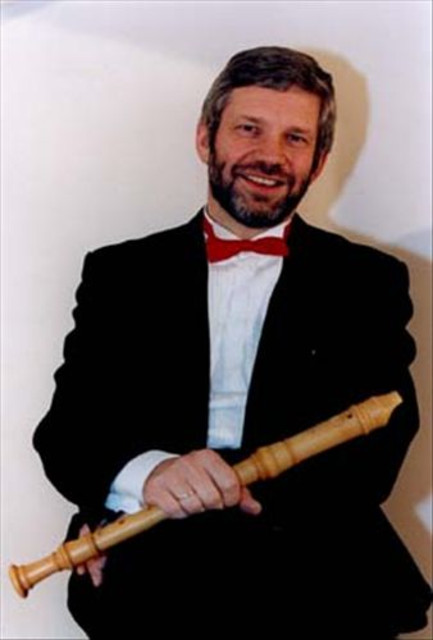
Michael Schneider
Christoph Graupner
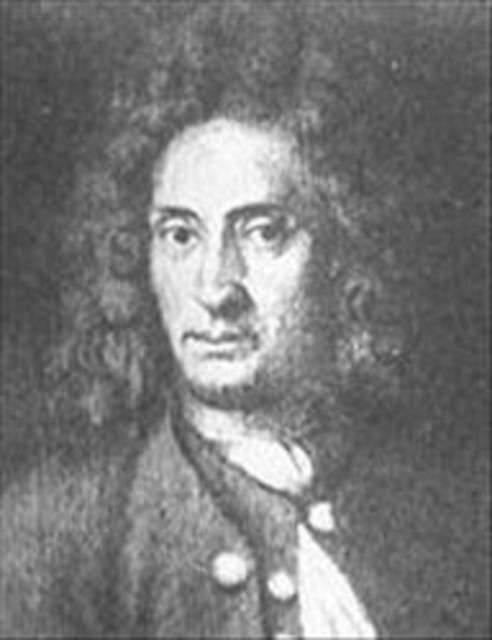
Johann David Heinichen
Giuseppe Valentini
Johann Georg Pisendel


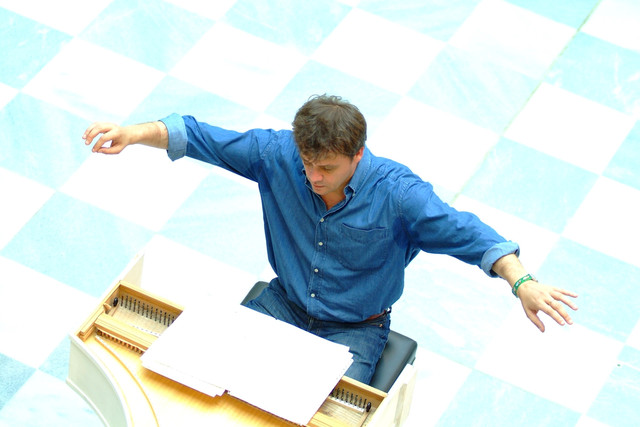

Marcin Świątkiewicz
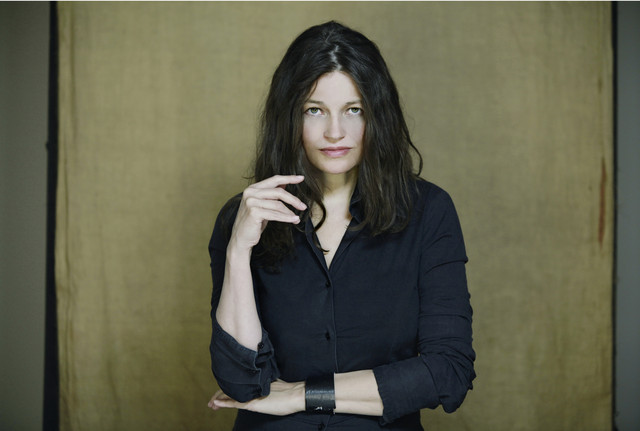
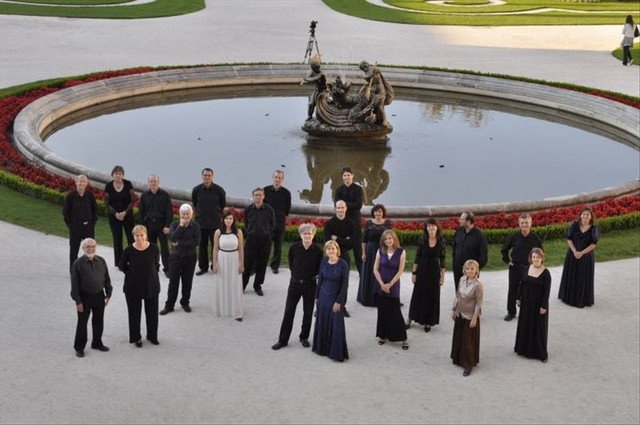
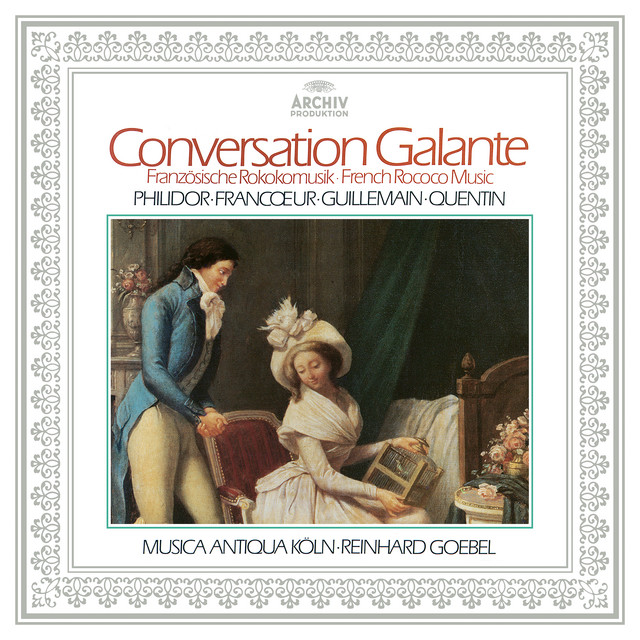
Jean-Baptiste Quentin
Johann Joachim Quantz

La Stagione Frankfurt
Giorgio Sasso
Johann Bernhard Bach
Popular Tracks
1067 tracks
Sonata accademicha in D Minor, Op. 2 No. 12: I. Passagallo. Largo assai e come sta, ma con grazia
Jan 1, 2017
310,597
streams

Violin Sonata in D Minor, Op. 2, No. 7: Gigue (Arr. For violin and piano)
May 25, 2010
303,331
streams