Data may be outdated
Last updated: 1 month ago — Click refresh to get the latest statistics.
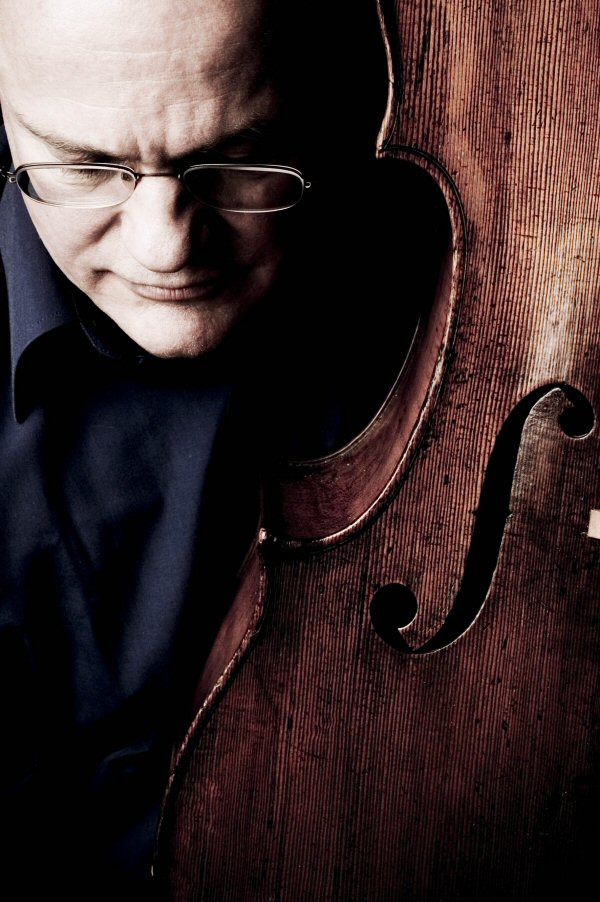
Jaap ter Linden was born in Rotterdam, Holland, on April 10, 1947. He showed talent early on and enrolled at The Hague's Royal Conservatory to study cello. There he advanced quickly and also began playing the viola da gamba, an instrument associated with Renaissance-era and Baroque music. This branching out in music also extended into other academic areas, as ter Linden turned to the study of psychology, a field, however, that would ultimately not divert him from his musical pursuits.
In 1966, ter Linden and <a href="spotify:artist:7Fu8GId2mQkNzqDbZbcDWM">Ton Koopman</a> co-founded Musica da Camera, a quartet devoted to the performance of Baroque repertory. Thirteen years later he and <a href="spotify:artist:7Fu8GId2mQkNzqDbZbcDWM">Koopman</a> again united to found a major ensemble, the <a href="spotify:artist:2CMg8J0WjftvFR5zFbufVA">Amsterdam Baroque Orchestra</a>, a group in which ter Linden would serve as first cellist. In the 13-year period in between, the ever-active ter Linden had become a member of the <a href="spotify:artist:3KYehrHWNpYfNMpJe0kBML">Musica Antiqua Köln</a> and the <a href="spotify:artist:2Oz3z7PPQUMU2KNYgcO1sA">English Concert</a>.
It was during his nearly 20-year career with the <a href="spotify:artist:2CMg8J0WjftvFR5zFbufVA">Amsterdam Baroque Orchestra</a> (1979-1998) that ter Linden's recording activity grew sharply. With this ensemble he recorded much <a href="spotify:artist:5aIqB5nVVvmFsvSdExz408">Bach</a>, including the Brandenburg Concertos and numerous cantatas. But ter Linden also appeared in chamber music recordings that featured a variety of works: sonatas by <a href="spotify:artist:1QL7yTHrdahRMpvNtn6rI2">Handel</a>, with <a href="spotify:artist:7Fu8GId2mQkNzqDbZbcDWM">Koopman</a> and <a href="spotify:artist:31HacufY61TMrzjwDX99Gj">Marion Verbruggen</a>, for Harmonia Mundi; sonatas and trio sonatas by <a href="spotify:artist:2YfFYZnshSzgfLsKZMM4VL">Buxtehude</a> for Dacapo, where ter Linden played the viola da gamba; and even the popular twentieth century piece Bachiana brasileira No. 5 by <a href="spotify:artist:01UzgUtDa2NqWuvUjrrl3p">Villa-Lobos</a>, for Decca.
Later on, ter Linden began focusing on conducting, even founding yet another important ensemble, the Amsterdam Mozart Academy, in 2000. He has led the <a href="spotify:artist:2g3N0oxbmn5Q95mYNNdIo4">Deutsche Kammerphilharmonie</a>, <a href="spotify:artist:7g1xnN8wD9CqVtbxIATbLL">Beethoven Academie</a>, the Arnhem Symphony Orchestra, Amsterdam Bach Soloists, and Portland Baroque Orchestra. He holds professorships at The Hague's Royal Conservatory and Wurzburg's Hochschule für Alte Musik, and still devotes time to solo and chamber performances.
Monthly Listeners
39,116
Monthly Listeners History
Track the evolution of monthly listeners over the last 28 days.
Followers
2,058
Followers History
Track the evolution of followers over the last 28 days.
Total Streams
561.5 million
Total Streams History
Track the evolution of total streams over the last 28 days. This data is calculated from all tracks listed in the artist's discography.
Top Cities





Related Artists


Pietro Locatelli

Unico Wilhelm van Wassenaer
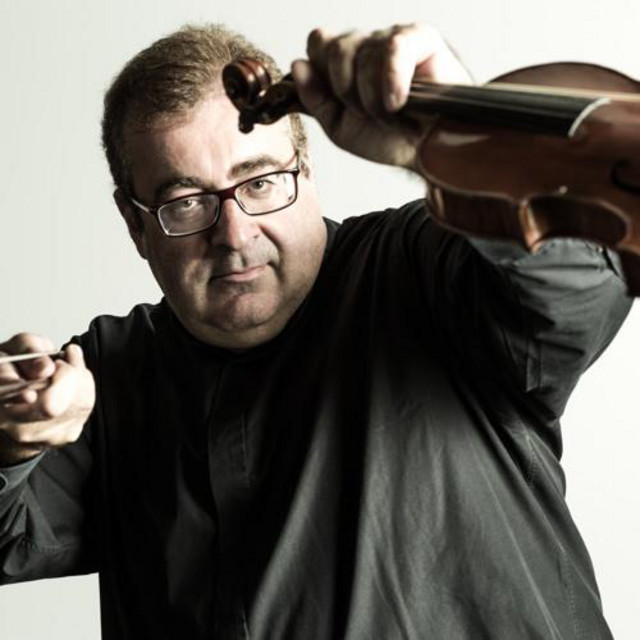
Federico Guglielmo

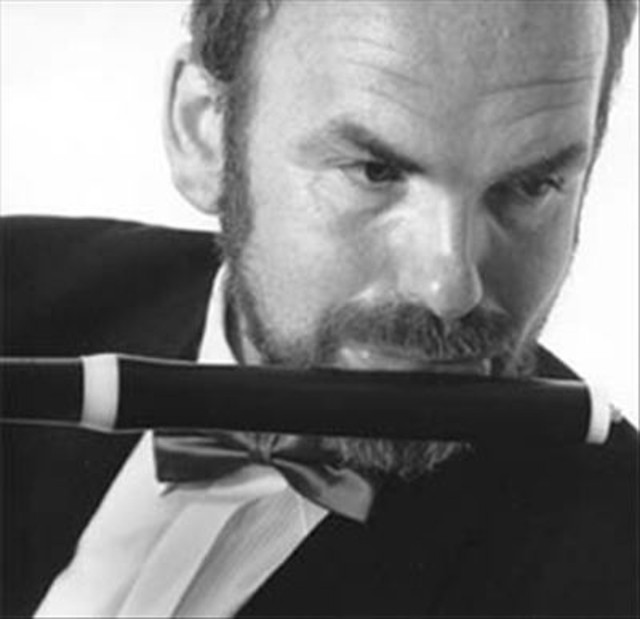
Wilbert Hazelzet
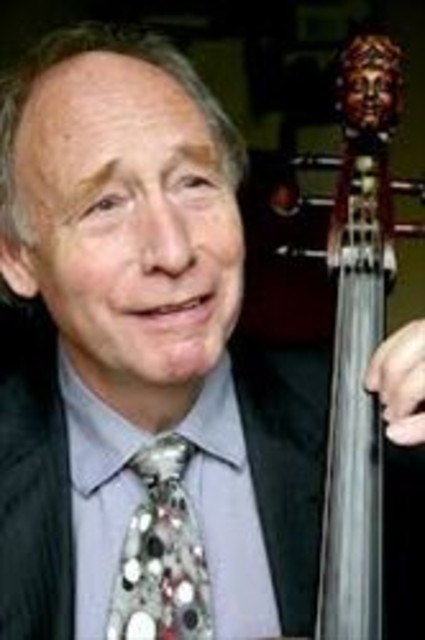
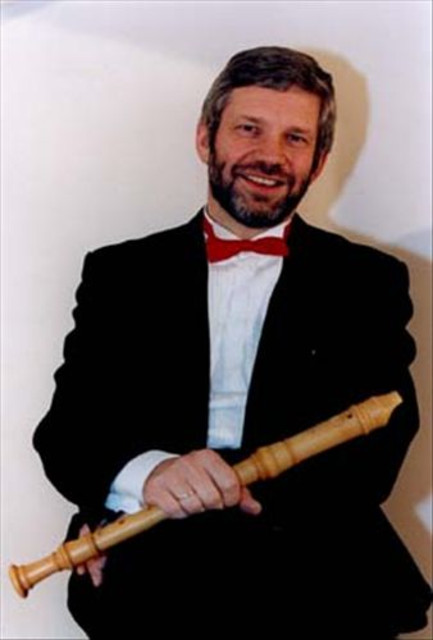
Michael Schneider
L'Arte dell' Arco
Malcolm Proud
Christoph Graupner
Evaristo Felice Dall'Abaco



Sophie Gent
Sergio Azzolini

Marcin Świątkiewicz
Orchestre De Chambre De Toulouse
Roberto Loreggian
Charles Avison