Data may be outdated
Last updated: 2 weeks ago — Click refresh to get the latest statistics.
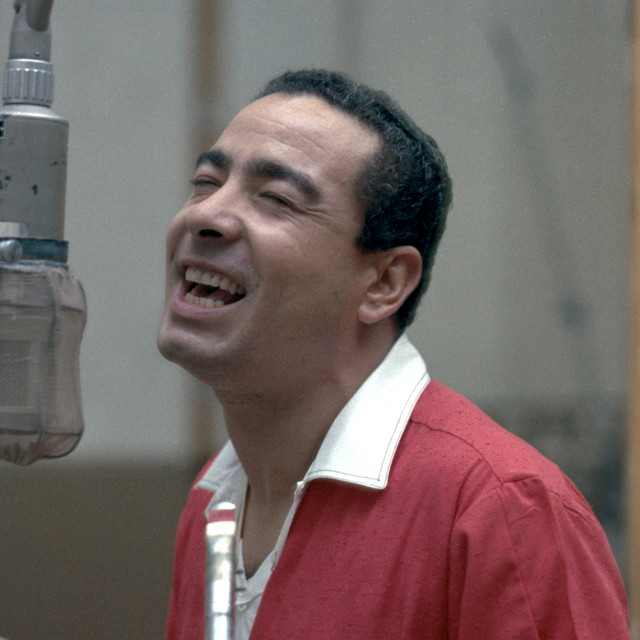
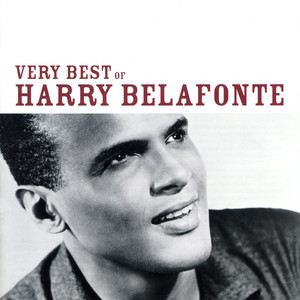
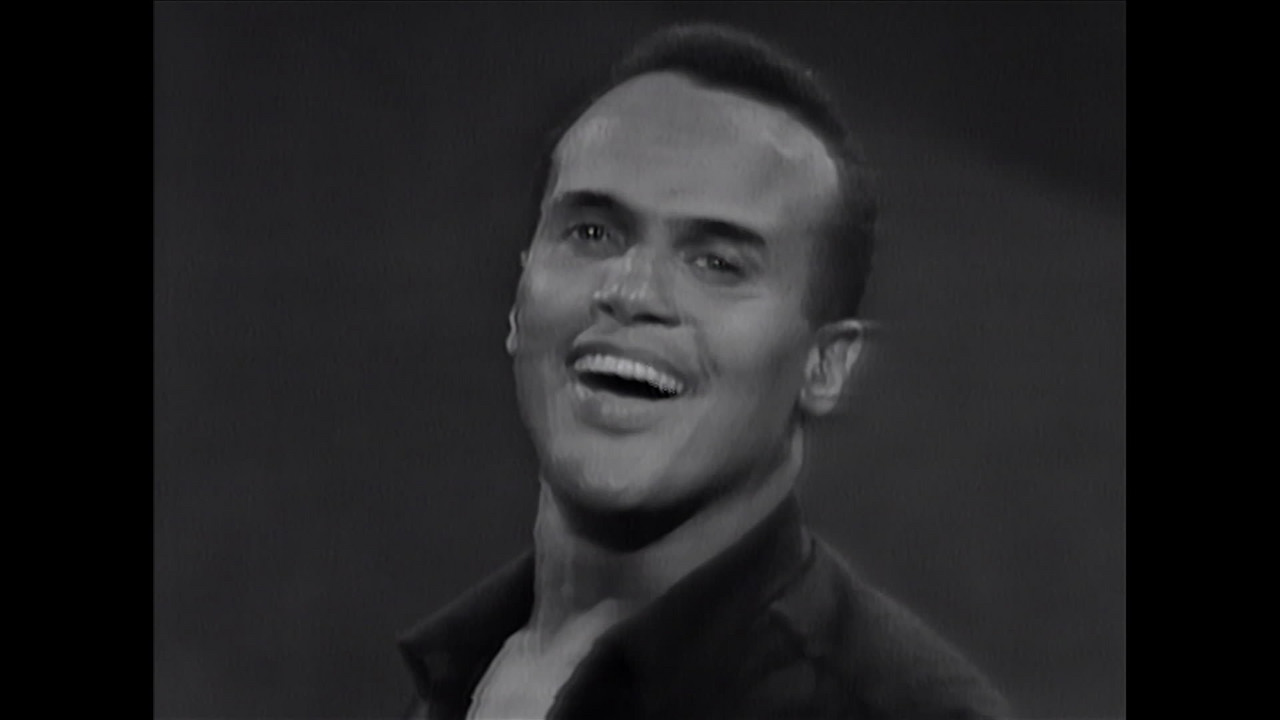
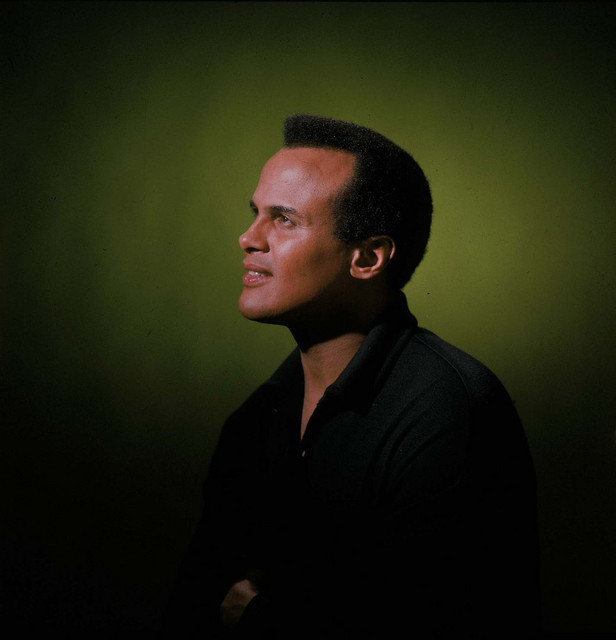
Harold George Belafonte, Jr., was born March 1, 1927 in Harlem, New York. The son of Caribbean-born immigrants, he returned with his mother to her native Jamaica at the age of eight, remaining there for the next five years. Upon returning to the U.S., Belafonte dropped out of high school to enlist in the U.S. Navy; after his discharge, he resettled in New York City to forge a career as an actor, performing with the American Negro Theatre while studying drama at Erwin Piscator's famed Dramatic Workshop alongside the likes of Marlon Brando and Tony Curtis.
A singing role resulted in a series of cabaret engagements, and eventually Belafonte even opened his own club. Initially, he put his clear, silky voice to work as a straight pop singer, launching his recording career on the <a href="spotify:search:label%3A%22Jubilee%22">Jubilee</a> label in 1949; however, at the dawn of the '50s he discovered folk music, learning material through the Library of Congress' American folk songs archives while also delving into West Indian music. With guitarist Millard Thomas, Belafonte soon made his debut at the legendary jazz club the Village Vanguard. In 1953, he made his film bow in Bright Road, winning a Tony Award the next year for his work in the Broadway revue John Murray Anderson's Almanac.
With his lead role opposite <a href="spotify:artist:6QffDdWdkrkfdqfyfuqceC">Dorothy Dandridge</a> in Otto Preminger's film adaptation of <a href="spotify:artist:1DsYsmAtNbrMkoyrIXP6HU">Oscar Hammerstein</a>'s Carmen Jones, a musical update of the opera Carmen, Belafonte shot to stardom. After signing to the <a href="spotify:search:label%3A%22RCA%22">RCA</a> label, he issued Mark Twain and Other Folk Favorites, which reached the number three slot on the Billboard album chart in the early weeks of 1956. His next effort, titled simply Belafonte, reached number one, kick-starting a national craze for calypso music. Calypso, also issued in 1956, topped the charts for a staggering 31 weeks on the strength of hits like "Jamaica Farewell" and the immortal "The Banana Boat Song (Day-O)."
Following the success of 1957's An Evening with Belafonte and its number 12 hit "Mary's Boy Child," and Belafonte Sings of the Caribbean and its Top 30-charting "Cocoanut Woman" and "Island in the Sun," Belafonte returned to film, using his now considerable clout to take on subject matter relating to racism with Island in the Sun (1957) and Odds Against Tomorrow (1959). Also in 1959, he released the LP Belafonte at Carnegie Hall, a recording of a sold-out April performance that spent over three years on the charts; Belafonte Returns to Carnegie Hall followed in 1960 and featured appearances by <a href="spotify:artist:2wkz8hACugzAvF0voupg3H">Odetta</a>, <a href="spotify:artist:18RkLKfeoUgZflWv9os25W">Miriam Makeba</a>, and <a href="spotify:artist:5WpHJJKKIF62r8hJfWUwID">the Chad Mitchell Trio</a>. Both concert albums peaked at number three on the Billboard 200.
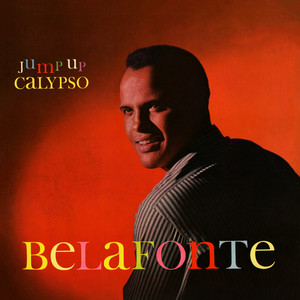
At the turn of the '60s, Belafonte became television's first Black producer. For his special, Tonight with Harry Belafonte, he won the 1960 Emmy for Outstanding Performance in a Variety or Musical Program or Series. Meanwhile, he continued his prolific album output with 1961's Jump Up Calypso and 1962's The Midnight Special, which featured the first-ever recorded appearance of a young harmonica player named <a href="spotify:artist:74ASZWbe4lXaubB36ztrGX">Bob Dylan</a>. As <a href="spotify:artist:3WrFJ7ztbogyGnTHbHJFl2">the Beatles</a> and other stars of the British Invasion began to dominate the pop charts, Belafonte's impact as a commercial force diminished. 1964's Belafonte at the Greek Theatre was his last Top 40 effort, and subsequent releases like 1965's An Evening with Belafonte/Makeba and 1966's In My Quiet Room struggled to crack the Top 100. 1970's Homeward Bound earned Belafonte his final Billboard 200 appearance, although he continued to record. He made his first film appearance in over a decade in 1970's The Angel Levine and continued to focus on his work as a Civil Rights activist.
In addition to his continued recording output (albeit less frequently after leaving <a href="spotify:search:label%3A%22RCA%22">RCA</a> in the mid-'70s) and periodic film roles (1972's Buck and the Preacher and 1974's Uptown Saturday Night), Belafonte spent an increasing amount of the '70s and '80s as a tireless humanitarian; most famously, he was a central figure in the early 1985 USA for Africa fundraising single "We Are the World," which counted names like Michael Jackson, <a href="spotify:artist:74ASZWbe4lXaubB36ztrGX">Bob Dylan</a>, <a href="spotify:artist:3eqjTLE0HfPfh78zjh6TqT">Bruce Springsteen</a>, and <a href="spotify:artist:3MdG05syQeRYPPcClLaUGl">Diana Ross</a> among its dozens of participants. That July, he performed with USA for Africa to close the Live Aid concert. A year later, he replaced <a href="spotify:artist:4r6DXcqtllstKwEx3ndKMj">Danny Kaye</a> as UNICEF's Goodwill Ambassador. Filmmaker Tim Burton helped introduce Belafonte's calypso pop to new generations by including both "The Banana Boat Song (Day-O)" and "Jump in the Line (Shake, Senora)" in his hit film Beetlejuice. After a long absence from the Silver Screen, Belafonte resurfaced in the '90s with a number of film roles, most notably in a string of Robert Altman movies (The Player, Prêt-à-Porter, and jazz-era period piece Kansas City) and with a starring role opposite <a href="spotify:artist:4hKkEHkaqCsyxNxXEsszVH">John Travolta</a> in White Man's Burden. Although at this point, Belafonte had stopped recording new music, he did release the occasional live album (including 1997's An Evening with Harry Belafonte & Friends) and kept his name in the news as an outspoken proponent of Venezuelan president Hugo Chavez and opponent of the <a href="spotify:artist:2JZbcOAw67koOHlFTjMeGX">George W. Bush</a> administration in the 2000s. In 2006, he had a lead role in the Emilio Estevez film Bobby, about the assassination of <a href="spotify:artist:3kigzXFfZH2QHMhRIb5BSp">Robert F. Kennedy</a>. His political and social work came to the fore again in 2017, when he curated a career-spanning anthology, The Legacy of Harry Belafonte: When Colors Come Together, which featured a re-recorded version of "When Colors Come Together (Our Island in the Sun)" featuring a children's choir. His final film role was in Spike Lee's '70s period piece, BlacKkKlansman, in 2018. A year later, a stage-musical version of Beetlejuice that included "Day-O" premiered on Broadway. The 2020 documentary The Sit-In: Harry Belafonte Hosts The Tonight Show looked back at the history-making week in 1968 when <a href="spotify:artist:66dAw3bX6xDTzvaUj0sDsn">Johnny Carson</a> turned over hosting duties of the NBC stalwart to Belafonte, making him the first Black host of a late-night TV show for the duration of a week. His pioneering music career was honored in 2022 with his induction into the Rock & Roll Hall of Fame, in the Early Influences category. Belafonte died in New York City on April 25, 2023 at the age of 96 with his importance as an artist, activist, and humanitarian etched firmly in place. ~ Jason Ankeny & Marcy Donelson, Rovi
Monthly Listeners
2.3 million
Monthly Listeners History
Track the evolution of monthly listeners over the last 28 days.
Followers
312,529
Followers History
Track the evolution of followers over the last 28 days.
Total Streams
2.6 billion
Total Streams History
Track the evolution of total streams over the last 28 days. This data is calculated from all tracks listed in the artist's discography.
Top Cities

Related Artists