Data may be outdated
Last updated: 1 month ago — Click refresh to get the latest statistics.
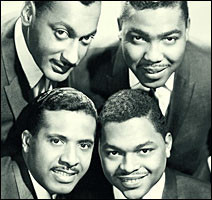
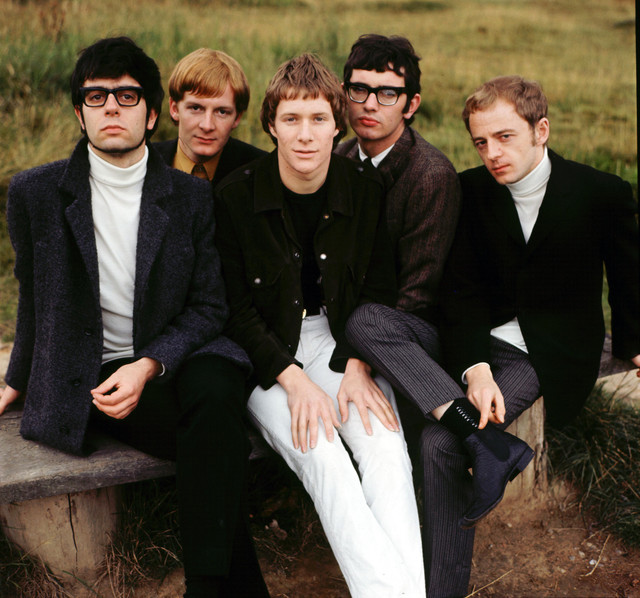
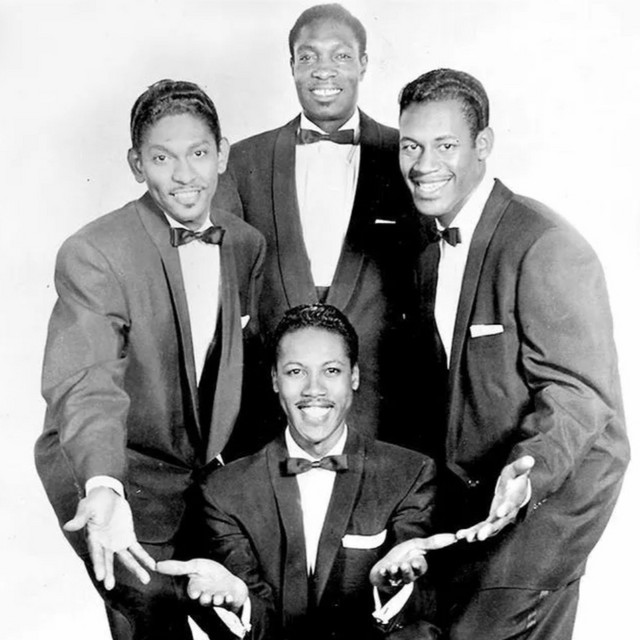
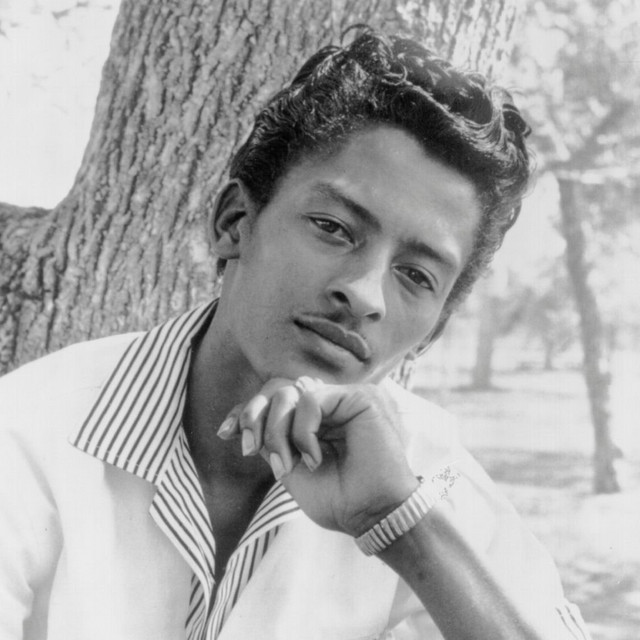
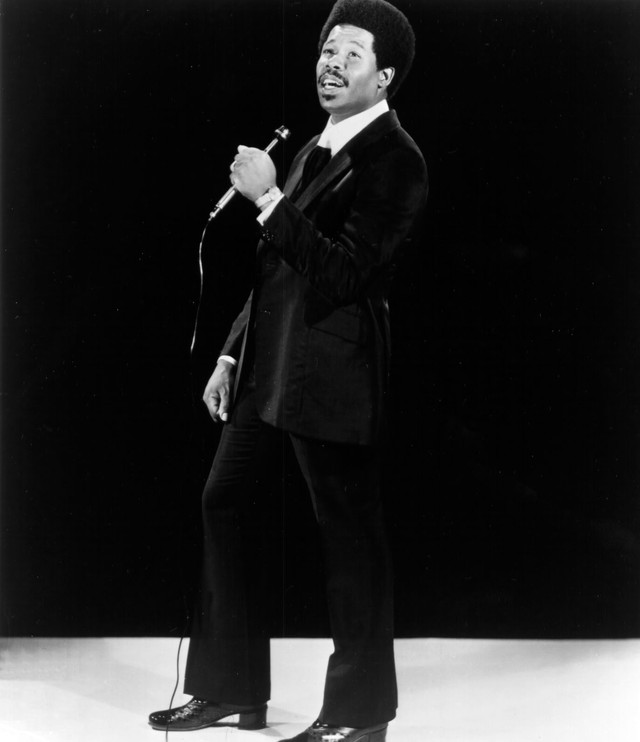
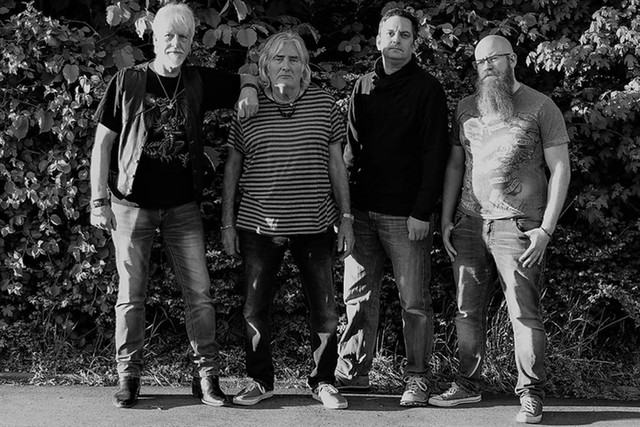
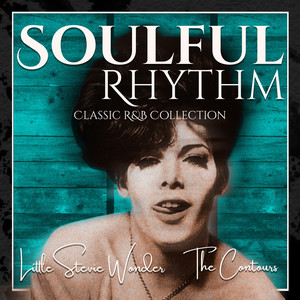
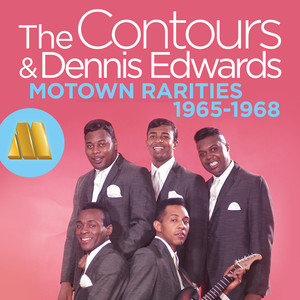
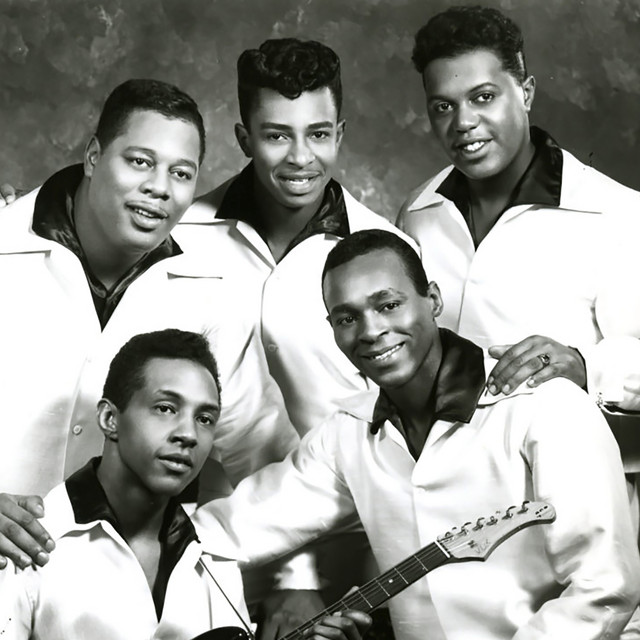
Formed in Detroit in 1959, the Contours originally began life as a quartet called the Blenders. Lead singer Billy Gordon, Billy Hogg, Sylvester Potts, and Joe Billingslea were soon joined by Hubert Johnson, a cousin of the legendary <a href="spotify:artist:4VnomLtKTm9Ahe1tZfmZju">Jackie Wilson</a>, as well as guitarist Huey Davis. Changing their name to the Contours, the group landed an audition with <a href="spotify:artist:4xRLKAf96K6YdGDWjY6ra8">Berry Gordy</a>'s fledgling <a href="spotify:search:label%3A%22Motown%22">Motown</a> label. <a href="spotify:artist:4xRLKAf96K6YdGDWjY6ra8">Gordy</a> was not impressed and told them to try again in a year, and they enlisted <a href="spotify:artist:4VnomLtKTm9Ahe1tZfmZju">Jackie Wilson</a>'s aid in honing their act. <a href="spotify:artist:4VnomLtKTm9Ahe1tZfmZju">Wilson</a> personally recommended the group to <a href="spotify:artist:4xRLKAf96K6YdGDWjY6ra8">Gordy</a>, who finally relented and signed them up in 1961. The Contours' first single "Whole Lotta Woman" sank without a trace, and <a href="spotify:artist:4xRLKAf96K6YdGDWjY6ra8">Gordy</a> nearly dropped them until <a href="spotify:artist:4VnomLtKTm9Ahe1tZfmZju">Wilson</a> once again interceded on their behalf. The move paid off handsomely when <a href="spotify:artist:4xRLKAf96K6YdGDWjY6ra8">Gordy</a> offered them a chance to cut "Do You Love Me?," a song originally intended for <a href="spotify:artist:3RwQ26hR2tJtA8F9p2n7jG">the Temptations</a>, who couldn't quite nail down the rough and rowdy feel <a href="spotify:artist:4xRLKAf96K6YdGDWjY6ra8">Gordy</a> wanted. Released in 1962, "Do You Love Me?" zoomed straight to the top of the R&B charts in just a few short weeks, peaking at number three on the pop side.
Although the Contours were riding high thanks to their hit and their exciting live act, they found the momentum difficult to maintain. They were able to score a follow-up hit, "Shake Sherrie," in 1963, and ran off a string of R&B Top 40 singles over 1965-1966: "Can You Jerk Like Me?," the Top Ten "The Day When She Needed Me," the <a href="spotify:artist:0h9smro0z3HqUbD94jotU8">Smokey Robinson</a>-penned "First I Look at the Purse," and "Just a Little Misunderstanding." Despite the often high quality of those singles, the Contours simply weren't getting the attention -- either from the label or the public -- that <a href="spotify:search:label%3A%22Motown%22">Motown</a>'s top stars were, and their sound was more of an anomaly at Hitsville than ever. By this time, the original quintet was no longer intact; new members included <a href="spotify:artist:1joRsnE28NscCssZHZuq6D">Joe Stubbs</a>, brother of <a href="spotify:artist:7fIvjotigTGWqjIz6EP1i4">the Four Tops</a>' <a href="spotify:artist:3dmxHwInu0HNxmU1F5UhJB">Levi Stubbs</a>, and <a href="spotify:artist:15Kzh2fTgAW2AGXcGD32Kp">Dennis Edwards</a>, who went on to replace <a href="spotify:artist:3FZn8Z2B7mfaSOU8NE62KR">David Ruffin</a> in <a href="spotify:artist:3RwQ26hR2tJtA8F9p2n7jG">the Temptations</a>.
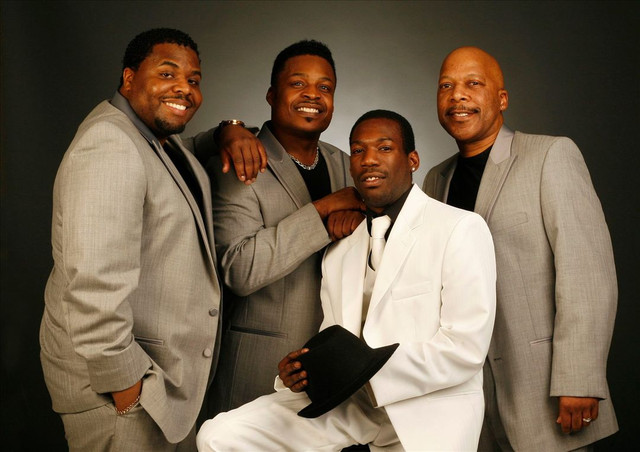
The Contours had their last charting single in 1967 with "It's So Hard Being a Loser"; Billingslea and Potts subsequently led versions of the group on the oldies circuit during the '70s and '80s and near the end of the latter decade experienced a revival of "Do You Love Me?" thanks to the wildly popular film Dirty Dancing. Billingslea, Potts, and their new cohorts hit the oldies circuit with renewed vigor, and also cut the album Running in Circles for U.K. <a href="spotify:search:label%3A%22Motown%22">Motown</a> revivalist <a href="spotify:artist:6JjQdNViLxTyXWejSfNASK">Ian Levine</a>'s <a href="spotify:search:label%3A%22Motorcity%22">Motorcity</a> label in 1990. ~ Steve Huey, Rovi
Monthly Listeners
1.4 million
Monthly Listeners History
Track the evolution of monthly listeners over the last 28 days.
Followers
155,123
Followers History
Track the evolution of followers over the last 28 days.
Total Streams
504.0 million
Total Streams History
Track the evolution of total streams over the last 28 days. This data is calculated from all tracks listed in the artist's discography.