Data may be outdated
Last updated: 9 months ago — Click refresh to get the latest statistics.
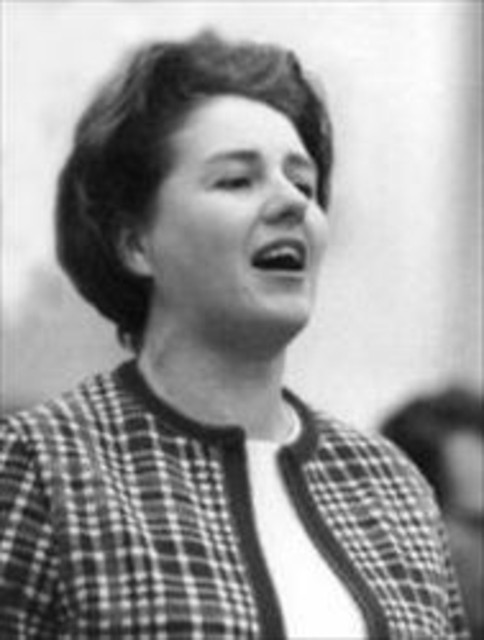
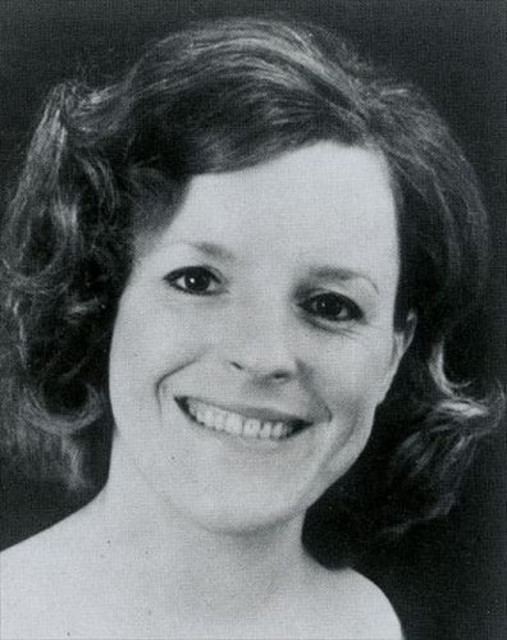
Heather Harper, one of the most recorded singers of her time, made an extraordinary transition from a lyric soprano in the English pastoral tradition to a spinto-weight artist of great power and authority. While her earliest appearances and recordings brought to mind such other singers as Isobel Baillie and Jennifer Vyvyan, her prime years showed a voice that had grown in size and roundness while retaining its initial flexibility. Many critics have opined that her 1966 recording of <a href="spotify:artist:1QL7yTHrdahRMpvNtn6rI2">Handel</a>'s Messiah remains unequaled. While she chose to avoid most of the Italian spinto repertory, her work in the mid-weight German operas of <a href="spotify:artist:1C1x4MVkql8AiABuTw6DgE">Wagner</a> and Strauss was exemplary, as were her concert and oratorio performances. Harper premiered several works by both <a href="spotify:artist:7MJ1pB5d6Vjmzep2zQlorn">Benjamin Britten</a> and <a href="spotify:artist:0hW5OU8cM6ANp2gTi5WR2P">Michael Tippett</a> and was outstanding in the works of both composers.
Harper studied at the Trinity School of Music in London and made her operatic debut as <a href="spotify:artist:1JOQXgYdQV2yfrhewqx96o">Verdi</a>'s Lady Macbeth at Oxford University in 1954 -- an undertaking that was both out of step with her initial repertory and a precursor of things to come. Her first appearance at the Glyndebourne Festival took place in 1957 when she sang the First Lady in <a href="spotify:artist:4NJhFmfw43RLBLjQvxDuRS">Mozart</a>'s Die Zauberflöte. She returned to the Sussex countryside in 1960 in the same role and, in 1963, added the role of Anne in <a href="spotify:artist:7ie36YytMoKtPiL7tUvmoE">Stravinsky</a>'s The Rake's Progress. In 1966, she sang 12 Glyndebourne performances of <a href="spotify:artist:1QL7yTHrdahRMpvNtn6rI2">Handel</a>'s Jephtha with such colleagues as Richard Lewis and <a href="spotify:artist:5pWhQJvszoZVnQASf6KrEt">Margaret Price</a>. In 1960, she sang the role of Helena in <a href="spotify:artist:7MJ1pB5d6Vjmzep2zQlorn">Britten</a>'s Midsummer's Night Dream at Covent Garden with a cast handpicked by the composer and subsequently recorded. The Bayreuth Festival heard her Elsa in Lohengrin in 1967, not long after she had begun a series of collaborations with <a href="spotify:artist:0dicUFoK5LIbqu6OoHu8VH">Sir George Solti</a>, who was music director at Covent Garden from 1961 to 1971. Her long delayed Metropolitan Opera debut in 1977 offered her Countess in <a href="spotify:artist:4NJhFmfw43RLBLjQvxDuRS">Mozart</a>'s Le Nozze di Figaro. She also sang her sympathetic and warm-voiced Ellen Orford in Peter Grimes there.
Harper was a distinguished singer of the concert repertory. It was to her that <a href="spotify:artist:7MJ1pB5d6Vjmzep2zQlorn">Britten</a> turned in 1963 when authorities in the Soviet Union refused to grant travel permission to Russian soprano <a href="spotify:artist:6GGZ4ZJaCv7u41s2wIqyCT">Galina Vishnevskaya</a>, for whom the composer had written the soaring soprano part in his War Requiem. Harper stepped in and was acclaimed for her performance. Throughout the 1960s, Harper also recorded numerous works of <a href="spotify:artist:1QL7yTHrdahRMpvNtn6rI2">Handel</a> (Theodora, Judas Maccabaeus) as well as Classical period works by <a href="spotify:artist:656RXuyw7CE0dtjdPgjJV6">Haydn</a> (The Seasons and several masses) and Beethoven (Missa Solemnis and the Symphony No. 9). Her recorded performances of Vaughan Williams (Symphonies 1 and 3) and <a href="spotify:artist:65YhYi4Fz5Ibgq7ueev2Rm">Delius</a> (Mass of Life and Requiem) achieved a fine balance between magisterial distance and passionate involvement. Her participation in <a href="spotify:artist:0dicUFoK5LIbqu6OoHu8VH">Solti</a>'s recording of <a href="spotify:artist:2ANtgfhQkKpsW6EYSDqldz">Mahler</a>'s Resurrection Symphony alerted many to a burgeoning instrument which was ideal for the lighter German dramatic repertory. She later sang with that conductor on his recording of <a href="spotify:artist:2ANtgfhQkKpsW6EYSDqldz">Mahler</a>'s Symphony No. 8.
In the 1960s, Harper was brought to Chicago, where <a href="spotify:artist:0dicUFoK5LIbqu6OoHu8VH">Solti</a> was the <a href="spotify:artist:6TD08jYeuN128P2MZTbc8E">Chicago Symphony Orchestra</a>'s music director, for many celebrated performances. She repeated the <a href="spotify:artist:2ANtgfhQkKpsW6EYSDqldz">Mahler</a> Symphony No. 2, sang in <a href="spotify:artist:656RXuyw7CE0dtjdPgjJV6">Haydn</a>'s Creation, performed <a href="spotify:artist:5aIqB5nVVvmFsvSdExz408">Bach</a>'s Saint Matthew Passion on two separate occasions and participated with <a href="spotify:artist:7LeEa79J3ePCT5pXKQ7Mkv">Carlo Maria Giulini</a> in <a href="spotify:artist:0roWUeP7Ac4yK4VN6L2gF4">Rossini</a>'s Stabat Mater. In the latter, her two electrifying, perfectly-placed high Cs attested to the size and thrust of the mature voice.
Harper sang the premieres of both <a href="spotify:artist:7MJ1pB5d6Vjmzep2zQlorn">Britten</a>'s television opera, Owen Wingrave and <a href="spotify:artist:0hW5OU8cM6ANp2gTi5WR2P">Tippett</a>'s The Ice Break.
Harper studied at the Trinity School of Music in London and made her operatic debut as <a href="spotify:artist:1JOQXgYdQV2yfrhewqx96o">Verdi</a>'s Lady Macbeth at Oxford University in 1954 -- an undertaking that was both out of step with her initial repertory and a precursor of things to come. Her first appearance at the Glyndebourne Festival took place in 1957 when she sang the First Lady in <a href="spotify:artist:4NJhFmfw43RLBLjQvxDuRS">Mozart</a>'s Die Zauberflöte. She returned to the Sussex countryside in 1960 in the same role and, in 1963, added the role of Anne in <a href="spotify:artist:7ie36YytMoKtPiL7tUvmoE">Stravinsky</a>'s The Rake's Progress. In 1966, she sang 12 Glyndebourne performances of <a href="spotify:artist:1QL7yTHrdahRMpvNtn6rI2">Handel</a>'s Jephtha with such colleagues as Richard Lewis and <a href="spotify:artist:5pWhQJvszoZVnQASf6KrEt">Margaret Price</a>. In 1960, she sang the role of Helena in <a href="spotify:artist:7MJ1pB5d6Vjmzep2zQlorn">Britten</a>'s Midsummer's Night Dream at Covent Garden with a cast handpicked by the composer and subsequently recorded. The Bayreuth Festival heard her Elsa in Lohengrin in 1967, not long after she had begun a series of collaborations with <a href="spotify:artist:0dicUFoK5LIbqu6OoHu8VH">Sir George Solti</a>, who was music director at Covent Garden from 1961 to 1971. Her long delayed Metropolitan Opera debut in 1977 offered her Countess in <a href="spotify:artist:4NJhFmfw43RLBLjQvxDuRS">Mozart</a>'s Le Nozze di Figaro. She also sang her sympathetic and warm-voiced Ellen Orford in Peter Grimes there.
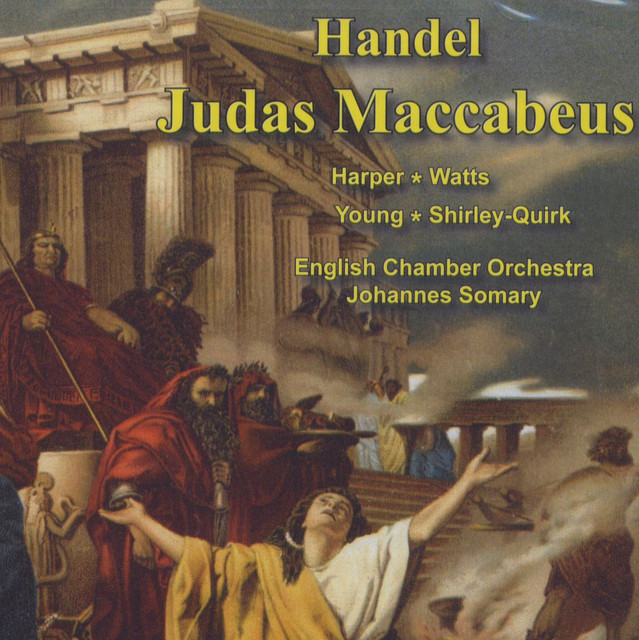
Harper was a distinguished singer of the concert repertory. It was to her that <a href="spotify:artist:7MJ1pB5d6Vjmzep2zQlorn">Britten</a> turned in 1963 when authorities in the Soviet Union refused to grant travel permission to Russian soprano <a href="spotify:artist:6GGZ4ZJaCv7u41s2wIqyCT">Galina Vishnevskaya</a>, for whom the composer had written the soaring soprano part in his War Requiem. Harper stepped in and was acclaimed for her performance. Throughout the 1960s, Harper also recorded numerous works of <a href="spotify:artist:1QL7yTHrdahRMpvNtn6rI2">Handel</a> (Theodora, Judas Maccabaeus) as well as Classical period works by <a href="spotify:artist:656RXuyw7CE0dtjdPgjJV6">Haydn</a> (The Seasons and several masses) and Beethoven (Missa Solemnis and the Symphony No. 9). Her recorded performances of Vaughan Williams (Symphonies 1 and 3) and <a href="spotify:artist:65YhYi4Fz5Ibgq7ueev2Rm">Delius</a> (Mass of Life and Requiem) achieved a fine balance between magisterial distance and passionate involvement. Her participation in <a href="spotify:artist:0dicUFoK5LIbqu6OoHu8VH">Solti</a>'s recording of <a href="spotify:artist:2ANtgfhQkKpsW6EYSDqldz">Mahler</a>'s Resurrection Symphony alerted many to a burgeoning instrument which was ideal for the lighter German dramatic repertory. She later sang with that conductor on his recording of <a href="spotify:artist:2ANtgfhQkKpsW6EYSDqldz">Mahler</a>'s Symphony No. 8.
In the 1960s, Harper was brought to Chicago, where <a href="spotify:artist:0dicUFoK5LIbqu6OoHu8VH">Solti</a> was the <a href="spotify:artist:6TD08jYeuN128P2MZTbc8E">Chicago Symphony Orchestra</a>'s music director, for many celebrated performances. She repeated the <a href="spotify:artist:2ANtgfhQkKpsW6EYSDqldz">Mahler</a> Symphony No. 2, sang in <a href="spotify:artist:656RXuyw7CE0dtjdPgjJV6">Haydn</a>'s Creation, performed <a href="spotify:artist:5aIqB5nVVvmFsvSdExz408">Bach</a>'s Saint Matthew Passion on two separate occasions and participated with <a href="spotify:artist:7LeEa79J3ePCT5pXKQ7Mkv">Carlo Maria Giulini</a> in <a href="spotify:artist:0roWUeP7Ac4yK4VN6L2gF4">Rossini</a>'s Stabat Mater. In the latter, her two electrifying, perfectly-placed high Cs attested to the size and thrust of the mature voice.
Harper sang the premieres of both <a href="spotify:artist:7MJ1pB5d6Vjmzep2zQlorn">Britten</a>'s television opera, Owen Wingrave and <a href="spotify:artist:0hW5OU8cM6ANp2gTi5WR2P">Tippett</a>'s The Ice Break.
Monthly Listeners
12,575
Monthly Listeners History
Track the evolution of monthly listeners over the last 28 days.
Followers
995
Followers History
Track the evolution of followers over the last 28 days.
Top Cities
430 listeners

212 listeners

166 listeners
125 listeners

111 listeners

Related Artists

Felicity Palmer


Simon Estes
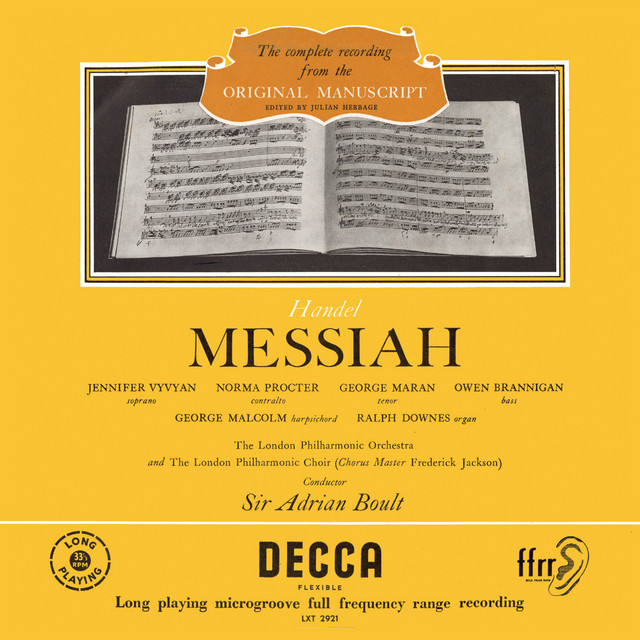
Norma Procter


Toby Spence



Coro Gulbenkian

Johannes Somary
Carolyn Watkinson


Camilla Tilling
Peter Meven
Josef Veselka
Joseph Moor
Ian Partridge